

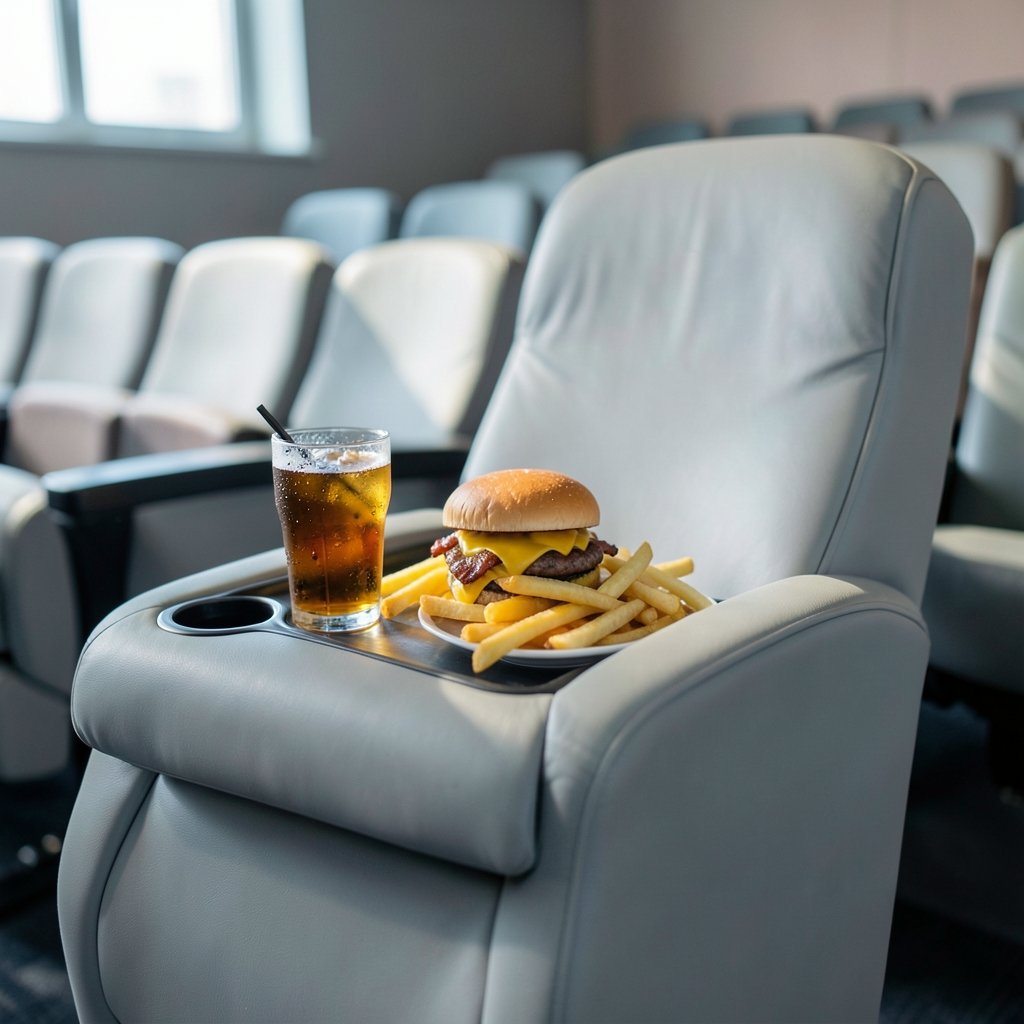
What if you could order a full meal, settle into a recliner, and watch a movie without ever leaving your seat? That’s the promise behind AMC Dine-In Fashion District 8, a Philadelphia cinema that sits inside one of Center City’s biggest redevelopment projects. The concept sounds simple, but the details matter if you’re planning a visit, deciding whether the format is worth the ticket price, or simply curious about how modern theaters are fighting to stay relevant.
This article walks through what the Dine-In format actually involves, how this particular location fits into the broader Fashion District Philadelphia story, and the practical things people get wrong when they book a seat for the first time. It also looks at where the dine-in cinema model stands as an industry bet, and why some locations thrive while others quietly change hands.
What Is AMC Dine-In Fashion District 8?
AMC Dine-In Fashion District 8 is an AMC Theatres location in the Fashion District Philadelphia development in Center City Philadelphia. The name tells you most of what you need to know: “Dine-In” refers to AMC’s in-seat food and drink service format, and the “8” denotes eight auditoriums.
The Dine-In concept is one of several premium formats AMC uses to differentiate its screens, alongside large-format brands built around bigger picture and sound. Where a standard auditorium sells popcorn at a counter, a dine-in auditorium folds a fuller menu into the experience, typically with recliner seating and service delivered to your seat rather than a separate restaurant you visit before or after the show.
That distinction matters. A dine-in theater is not the same as a cinema that happens to have a bar next door. The service is built into the auditorium itself, which changes everything from how you order to when you’re expected to arrive.
How the Format Works in Practice
The mechanics vary by location, but the general rhythm of a dine-in visit looks like this:
- Book your seat in advance. Reserved seating is standard, and dine-in auditoriums tend to have fewer seats per row because recliners take up more space.
- Arrive early. Food service needs lead time. Showing up at showtime and ordering a full meal usually means eating in the dark.
- Order from your seat. Menus are typically at the seat or accessible through a call button, with a server taking your order before the feature starts.
- Expect a mid-film rhythm. Servers generally move quietly through the auditorium during the movie, which some viewers love and others find distracting.
That last point is the one people underestimate. Dine-in cinema is a different social contract than a traditional movie house. If you want total silence and zero movement in your peripheral vision, a dine-in screen may not be your first choice.
Where It Fits in Fashion District Philadelphia
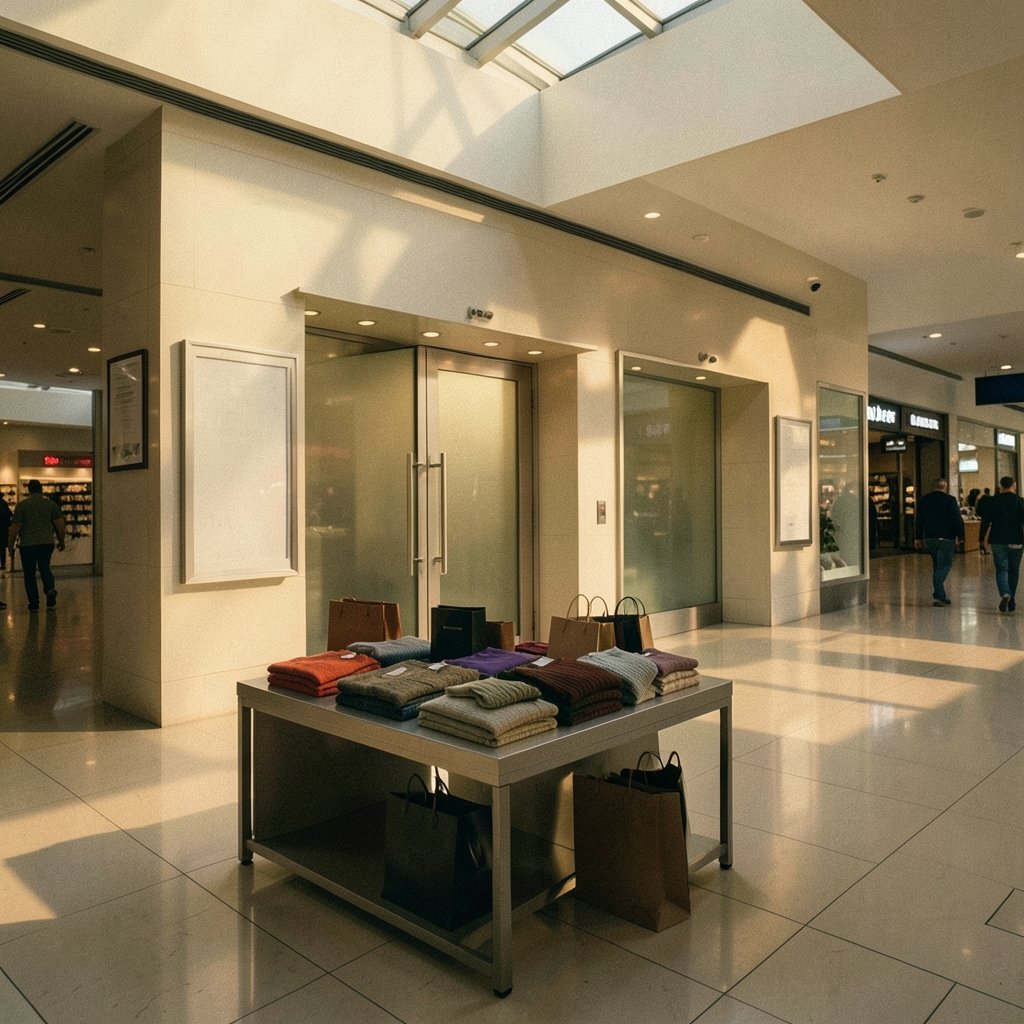
The theater sits inside Fashion District Philadelphia, a retail and entertainment complex in Center City that opened in September 2019. The project was a redevelopment of the former Gallery at Market East, undertaken as a joint venture between PREIT and Macerich. The cinema formed part of the opening-phase tenant mix, anchoring the entertainment side of a development built around shopping, dining, and experiences rather than retail alone.
That context is worth understanding because it explains the theater’s design logic. A cinema inside a major mixed-use mall sells more than movie tickets. It sells a full evening out: dinner, a film, maybe shopping before or after. The Dine-In format fits that goal neatly, since it captures food spending that might otherwise go to a restaurant down the corridor.
It also means the theater’s fortunes are tied to the mall’s. Foot traffic in the surrounding complex, parking logistics, and the mix of neighboring tenants all shape what a visit feels like. Anyone planning a trip should think of the cinema as one part of a larger destination rather than a standalone building with its own lot.
The Practical Details That Trip People Up
Most complaints about dine-in cinemas trace back to a handful of avoidable mistakes. Here’s what tends to go wrong, and how to sidestep it.
Arriving at Showtime
The single biggest error is treating a dine-in screening like a standard one. If the appeal is a meal, arriving five minutes before the trailers means rushed ordering and cold food. Give yourself a comfortable buffer before the listed start time. The pre-show window is when the service actually works best.
Assuming Every Screen Offers Full Service
A “Dine-In” label on a theater doesn’t automatically mean all eight auditoriums run identical service. Formats within a single location can differ, and menus, seating types, and service models can change over time. Before booking, check the specific showtime rather than the venue name. The auditorium assigned to your screening is the thing that determines your experience.
Forgetting That Recliners Change the Math
Recliner seating usually means fewer seats per auditorium. That’s good for comfort and bad for last-minute bookings on popular nights. Weekend evening shows at a premium-format cinema in a busy Center City mall can sell out well ahead of time. Reserve early if you have a specific date in mind.
Ignoring the Cost Stack
A dine-in ticket plus a full meal plus drinks adds up quickly, and the total is often well above a standard cinema visit. That’s not a flaw, but it is a budgeting reality. Some people find the value obvious; others decide they’d rather eat elsewhere and see the film in a regular auditorium. Neither choice is wrong, but knowing the stack in advance prevents surprise at checkout.
Overlooking the Mall Context
Because the theater sits inside a large downtown complex, arrival logistics deserve a thought. Parking, transit connections, and the walk from the street to the cinema all take time. Building ten extra minutes into your plan is the difference between a relaxed start and a stressed one.
How Dine-In Theaters Became a Strategy
The dine-in cinema model took shape through the 2000s and 2010s as chains looked for ways to compete with streaming and home viewing. The logic was straightforward: if people can watch almost anything at home, give them something home can’t easily replicate. A recliner, a full menu, and someone bringing you a drink is a genuine differentiator. A slightly bigger screen is not, at least not for every viewer.
AMC built out its Dine-In brand through a mix of conversions and new builds during that period, part of a broader industry push toward premium formats. The strategy has real strengths. Food and beverage carry much higher margins than tickets, and a dine-in visit raises the average spend per customer substantially. It also creates a reason to choose the theater over the couch.
The weaknesses are equally real. Dine-in service is labor-intensive, requires kitchen infrastructure, and complicates the auditorium environment. The model works best in dense, high-traffic locations where enough customers visit often enough to justify the overhead. A cinema embedded in a major mixed-use development is close to the ideal case.
The Broader Premium Format Race
Dine-in is one lane in a wider competition. Chains have invested heavily in large-format screens, recliner conversions, and food and beverage upgrades, all chasing the same goal: making the theatrical experience feel like an event again. That shift has reshaped what audiences expect. It’s visible in how fashion and culture industries treat the cinema as a stage rather than just a distribution channel, a theme that runs through coverage of Italian luxury fashion and the way runway moments get translated for the screen. The same instinct that makes a designer dress feel like an occasion makes a premium cinema seat feel worth paying for.
For anyone tracking how these bets play out across the culture, the 2026 fashion trends guide offers a useful parallel: both industries are selling experience, identity, and a reason to leave the house. Theaters and fashion houses are solving the same problem from different angles. (2026 fashion trends female)
A Note on Checking Current Status
Theater markets move. Closures, rebrandings, and format changes are common in this sector, and a location operating under one name today may look different in a year. Before planning a visit around AMC Dine-In Fashion District 8, confirm the current operating status, address, and amenities directly rather than relying on older descriptions.
That’s not cynicism, just good practice. Cinema footprints have shifted considerably as chains restructure, and a venue’s name on a mall directory isn’t a guarantee of continuity. A quick check of the theater’s own listing and the mall’s tenant directory settles the question in a couple of minutes.
Who This Theater Suits, and Who It Doesn’t
The dine-in format is not universally better. It’s better for specific kinds of nights out.
| Viewer type | Likely fit | Why |
|---|---|---|
| Date night or group outing | Strong | The meal and the film become one event |
| Families with older kids | Good | Convenience wins when everyone can order at the seat |
| Serious film buffs wanting silence | Mixed | Server movement and clinking can break immersion |
| Budget-focused moviegoers | Weak | Ticket plus meal costs more than a standard visit |
| Visitors already shopping the district | Strong | The cinema slots naturally into a longer outing |
| Late-night solo viewers | Depends | Service hours and menu availability vary |
The pattern is clear enough. Dine-in rewards people who treat the cinema as a night out and penalizes people who treat it as a cheap way to see a movie. Knowing which camp you’re in saves everyone a disappointing evening.
Conclusion
AMC Dine-In Fashion District 8 represents a specific bet about the future of moviegoing: that audiences will pay more for an experience that combines comfort, food, and a reason to leave the house. Set inside Fashion District Philadelphia, the theater is part of a larger redevelopment that staked its identity on mixing retail, dining, and entertainment in one Center City footprint.
Whether the format suits you comes down to expectations. Arrive early, book the right auditorium rather than assuming, budget for the full stack, and treat the visit as an evening rather than a screening. Do that, and the dine-in model delivers exactly what it promises. Skip those steps, and the same format can feel like an expensive way to eat dinner in the dark.
The theater landscape keeps shifting, and premium formats keep evolving alongside it. What doesn’t change is the basic trade: pay more, get more, and decide for yourself whether the extras are worth it. For a certain kind of night out in Philadelphia, they clearly are.
Frequently Asked Questions
What does “Dine-In” mean at an AMC theater?
Dine-In refers to AMC’s in-seat food and drink service format. Instead of buying snacks at a counter, guests order from a menu and have food delivered to their seats, typically with recliner seating in the auditorium. The exact menu and service model can vary by location and by showtime.
How many screens does AMC Dine-In Fashion District 8 have?
The “8” in the theater’s name refers to eight auditoriums. Whether all eight offer the same level of dine-in service is worth confirming before you book, since formats within a single location can differ and change over time.
Where exactly is the theater located?
It sits inside Fashion District Philadelphia, a retail and entertainment complex in Center City Philadelphia that opened in September 2019 as a redevelopment of the former Gallery at Market East. Because it’s embedded in a large downtown complex, plan extra time for parking, transit, and the walk to the cinema.
Should I arrive early for a dine-in screening?
Yes. Food service needs lead time, and arriving at showtime usually means rushed ordering and eating in the dark. A comfortable buffer before the listed start time is when the dine-in experience works best.
Is a dine-in ticket more expensive than a regular movie ticket?
Generally, yes, and the total cost includes the meal and drinks on top of the ticket. The value depends on whether you’d otherwise pay for dinner separately. Treat it as an evening out rather than a cheap screening and the pricing makes more sense.
Is the theater still operating under the AMC Dine-In name?
Theater markets shift constantly, with closures and rebrandings common across the sector. Before planning a visit, confirm the current operating status, address, and amenities directly through the theater’s own listing or the mall’s tenant directory rather than relying on older descriptions.














