

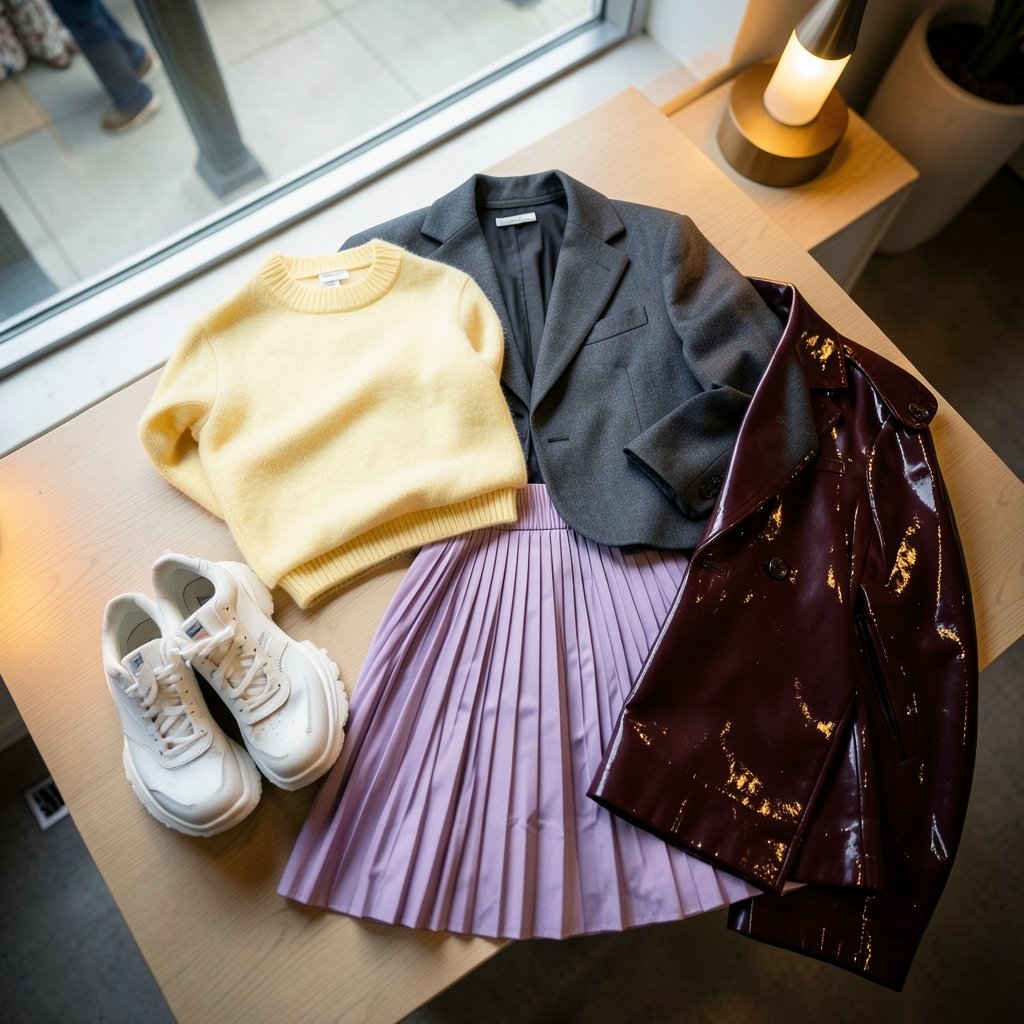
What happens when a year of fashion stops chasing quiet luxury and starts having fun again? That question sat at the center of 2025. After several seasons of beige, stealth wealth, and understated tailoring, the runways and the high street swung toward something more expressive. The result was a year of contrasts: soft colors next to loud textures, sensible flats next to statement outerwear, and a growing awareness that what a garment is made of matters as much as how it looks.
This guide breaks down the trends that genuinely shaped 2025, explains why they emerged, and offers practical advice on how to wear them without looking like you copied a mood board. It also flags the mistakes people made along the way, because knowing what does not work is half the battle.
The color story: Mocha Mousse set the tone
Every year has a color that anchors it, and for 2025 the anchor was Mocha Mousse, a warm, creamy brown. The shade was announced as the year’s defining color in December 2024, and its influence spread across knitwear, tailoring, leather goods, and even beauty.
What made Mocha Mousse interesting was its flexibility. Unlike a bold statement color, it functioned as a neutral. People wore it head to toe for a monochrome look, or used it as a grounding tone against brighter pieces. In practice, the mistake many shoppers made was treating it as a replacement for black. It is not. Brown and black can look muddy together if the tones clash, so the safer approach is to pair mocha with cream, denim, or olive rather than forcing it into an all-dark outfit.
The color also signaled a broader mood shift. After years of cool grays and stark whites, warm earth tones felt comforting and approachable. That warmth carried into the wider palette of 2025, which leaned heavily on buttery yellows, deep burgundies, and soft sage greens.
Quiet luxury softened, but did not disappear
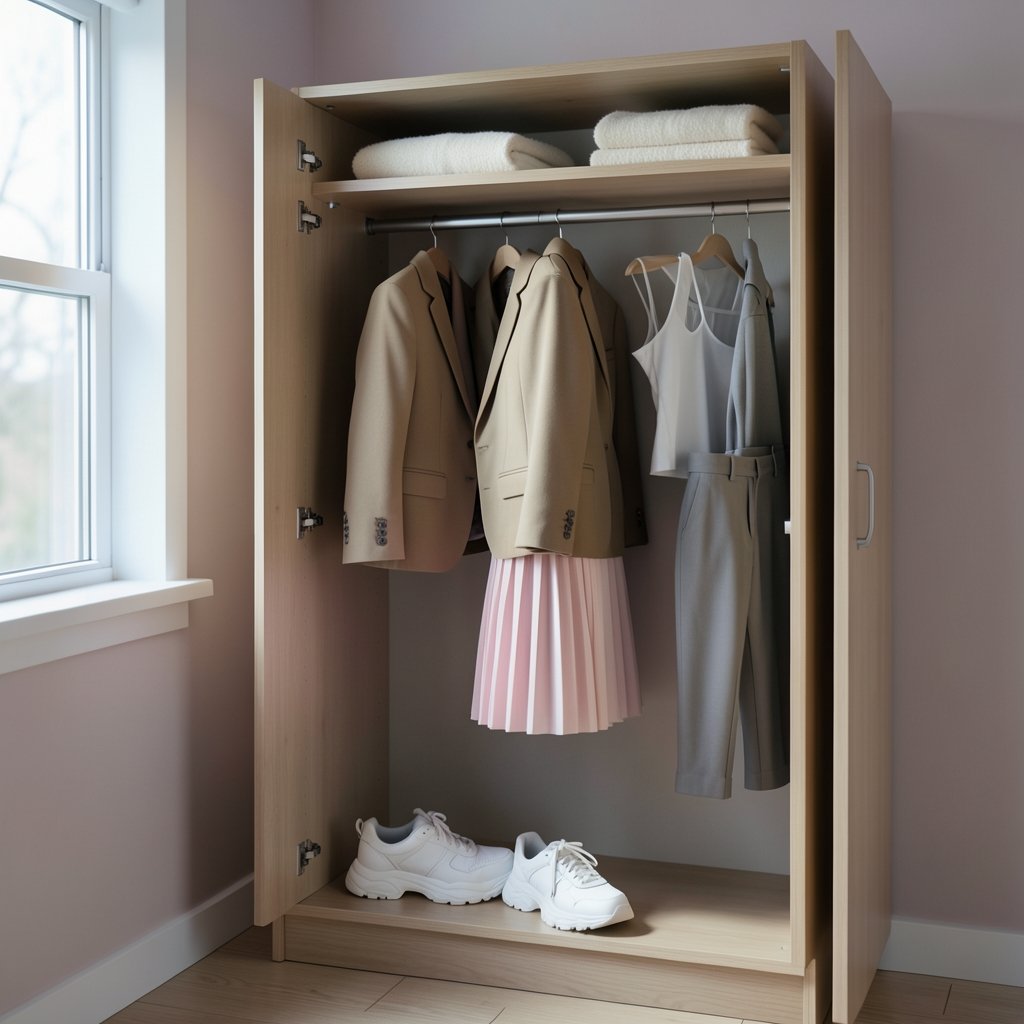
The quiet luxury story dominated 2023 and 2024, and plenty of commentators predicted its collapse. That collapse did not really happen. What changed was the intensity. The head-to-toe stealth wealth look, built on unbranded cashmere and perfectly cut trousers, softened as more expressive dressing returned to the foreground.
In practical terms, this meant wardrobes became more hybrid. A structured blazer still mattered, but it got paired with a playful skirt or a chunky sneaker rather than a full matching set. People kept the investment pieces and loosened the styling around them. That is a useful lesson for anyone building a wardrobe on a budget: you do not need to abandon the good basics, you just need to stop treating them as the whole outfit.
For a deeper look at how the year’s broader direction compared with what came before, the 2026 fashion trends guide is a useful follow-up read, since many of 2025’s looser, more playful ideas carried forward.
Texture took over from print
If 2025 had a single visual signature, it was texture. Lace, crochet, sheer layering, and heavy knits appeared everywhere, from designer collections to fast-fashion drops. Part of this came from the continued influence of the Y2K revival, which brought back mesh tops and delicate layering. Part of it came from a practical desire for clothes that feel interesting without relying on loud patterns.
Here is where people commonly went wrong. Texture is harder to style than print because it adds visual weight. Piling lace on top of crochet on top of a chunky knit creates a shapeless, busy result. What actually works is contrast: one textured piece against smooth, simple companions. A lace skirt with a plain cotton tee. A crochet top with tailored trousers. The rule of thumb is one texture per outfit as the focal point, with everything else playing a supporting role.
Sheer fabrics deserve their own note. Sheer layering looked effortless on runways and complicated in real life. The practical fix is to treat sheer as an overlay rather than a standalone garment, worn over a solid base layer that matches the skin tone or the sheer color.
The office siren and other micro-trends
Micro-trends moved faster than ever in 2025, largely because short-form video accelerated the cycle from runway to wardrobe. The office siren look, built on slim glasses, pencil skirts, and a sharp, slightly severe aesthetic, was one of the most visible. It drew heavily on 1990s and early 2000s references and gave people a way to dress formally without looking corporate.
The catch with micro-trends is durability. Most of them fade within a season or two, which makes investing heavily in them a poor financial decision. A better approach is to borrow one element rather than the whole look. If the office siren appeals, buy the slim frames or the pencil skirt, not the entire wardrobe. Accessories are the cheapest entry point, and eyewear in particular became a genuine trend story in its own right. Anyone curious about that angle can explore the eyeglass fashion trends breakdown, which explains how frames became a styling tool rather than an afterthought.
It is also worth remembering that micro-trend labels are media constructs. There is no official definition of “office siren,” and different outlets described it differently. Treat the label as a shortcut for a mood, not a rulebook.
Sustainability moved from marketing to regulation
The biggest structural change in 2025 was not aesthetic. It was regulatory. The EU’s Ecodesign for Sustainable Products Regulation, in force since July 2024, began pushing toward a Digital Product Passport for textiles, with detailed rollout expected through the mid-2020s. In plain terms, this means clothing sold in the EU will increasingly carry accessible information about materials, origin, and durability.
Why does this matter to a normal shopper? Because it changes what brands can claim. Vague green language becomes harder to sustain when product data has to be verifiable. For consumers, the practical takeaway is to start looking for specific information rather than general promises. “Made with recycled materials” tells you little. A percentage and a named material tells you a lot.
Resale also kept growing. Secondhand platforms continued to expand, and the direction of travel is clear even if exact figures vary by methodology and are often produced by companies with a commercial interest in the numbers. The practical advice here is straightforward: check resale before buying new, especially for outerwear, denim, and occasion wear, where quality construction from previous decades often beats current budget options.
Runway to real life: why trends arrive when they do
A common frustration is seeing a trend online and finding nothing in stores. The reason is the fashion calendar. Spring/Summer collections shown in September and October reach stores the following spring. Autumn/Winter collections shown in February and March arrive in stores in late autumn. That lag explains why 2025’s store shelves often reflected ideas first seen months earlier.
Understanding the calendar helps you shop smarter. If you see a trend you love on the runway, you have time to decide whether it suits you before it hits the high street. If you see something in stores that feels sudden, it was probably planned a year in advance. Either way, the calendar rewards patience over panic buying.
The broader direction of the year, including the shift toward expressive dressing, is covered in more depth in this overview of fashion trends in 2025, which tracks how the season’s ideas developed.
What worked and what did not
Not every 2025 trend translated well. A quick comparison helps separate the keepers from the regrets.
| Trend | What worked | What did not |
|---|---|---|
| Mocha Mousse brown | Monochrome warm tones, leather accessories | Forcing brown against stark black |
| Quiet luxury | Investment basics styled loosely | Head-to-toe unbranded uniformity |
| Texture and sheer | One focal texture per outfit | Layering multiple heavy textures |
| Office siren | Statement frames, one sharp piece | Full costume-style replication |
| Micro-trends | Accessories as low-cost entry points | Buying whole outfits that date fast |
| Sustainability focus | Checking material percentages | Trusting vague green claims |
The pattern is consistent. Trends work best when adopted selectively. The people who looked most stylish in 2025 were rarely the ones wearing every trend at once. They were the ones who picked two or three ideas and made them their own.
Practical tips for wearing 2025 trends now
If you want to apply these ideas without overhauling your wardrobe, start small and be deliberate.
- Audit before you buy. Pull out what you already own and check which trends you can already achieve. Most people discover they have the pieces for at least two current looks.
- Pick one anchor trend per season. Choose the trend you will actually wear repeatedly, not the one that photographs best.
- Spend on texture and fit, save on color. Warm browns and seasonal shades date faster than a good knit or a well-cut trouser.
- Check the label. Look for specific fiber content and care instructions. Durability is the most reliable sustainability metric available to a shopper.
- Try resale first for statement pieces. Occasion wear and outerwear are where secondhand value is strongest.
- Borrow micro-trends through accessories. Glasses, belts, and bags let you test a look without committing.
The most common mistake across all of these is buying for the version of yourself you see online rather than the one who actually gets dressed in the morning. Trends are tools, not instructions.
Conclusion
2025 was a transitional year in fashion. The restraint of quiet luxury loosened, texture and warmth took center stage, and regulation began reshaping how brands talk about what they sell. Mocha Mousse gave the year a memorable color, the office siren gave it a viral look, and the fashion calendar quietly governed when everything actually appeared in stores.
The lasting lesson is about selectivity. Trends move faster than ever, which makes judgment more valuable than speed. The people who dressed best in 2025 were not the ones who bought the most. They were the ones who understood which ideas suited them, spent where quality mattered, and treated the rest as entertainment rather than obligation. That approach does not expire when the year ends.
Frequently asked questions
What was the defining color of 2025?
Mocha Mousse, a warm creamy brown, was announced in December 2024 as the year’s defining color. It worked as a neutral and appeared across knitwear, tailoring, and accessories. The safest way to wear it is in monochrome or paired with cream, denim, or olive rather than stark black.
Did quiet luxury end in 2025?
Not exactly. Quiet luxury softened rather than disappeared. Investment basics like cashmere and tailored trousers remained relevant, but they were styled more loosely and paired with playful or expressive pieces. The head-to-toe stealth wealth look became less dominant.
What is the office siren trend?
Office siren is a micro-trend built on slim glasses, pencil skirts, and a sharp, slightly severe aesthetic drawing on 1990s and early 2000s references. It gave people a way to dress formally without looking corporate. Because micro-trends date quickly, borrowing one element rather than the whole look is the smarter approach.
Why do trends take so long to reach stores?
The fashion calendar creates a built-in lag. Spring/Summer collections shown in September and October reach stores the following spring, while Autumn/Winter collections shown in February and March arrive in stores in late autumn. That gap is planned, not accidental, and it gives shoppers time to decide before buying.
How does the EU Ecodesign regulation affect shoppers?
The Ecodesign for Sustainable Products Regulation, in force since July 2024, is moving toward a Digital Product Passport for textiles, with rollout expected through the mid-2020s. For shoppers, the practical effect is that specific, verifiable product information becomes more important than general environmental claims.
How can I wear 2025 trends without wasting money?
Pick one anchor trend per season that you will genuinely wear, spend on texture and fit rather than seasonal color, check fiber content on labels, and try resale first for statement pieces like outerwear and occasion wear. Borrow micro-trends through accessories so you can test a look before committing to it.














