


What do you picture when someone says Italian fashion? A sharp Milanese suit, a hand-stitched leather bag from Florence, or a silk scarf from Como? Most people name a brand and stop there. But Italian fashion is less about logos and more about a system: thousands of small workshops, a handful of family-run houses, and a set of industrial districts that turn raw fibre into finished luxury. Understanding that system is the difference between buying a label and buying quality. This guide walks through how Italian fashion actually works, where it came from, what “Made in Italy” legally means, and how to shop it without wasting money.
Why Milan Became the Center of Italian Fashion
Italy’s ready-to-wear industry clusters around Milan, which hosts womenswear and menswear fashion weeks twice a year, in February or March and again in September or October. The Camera Nazionale della Moda Italiana, the National Chamber of Italian Fashion, was founded in 1958 and organises the official Milan calendar. That institutional backbone matters. A city doesn’t become a fashion capital just because designers happen to live there; it needs a coordinating body, a press schedule, and buyers who show up on the same week every season.
Florence plays a different but equally important role. The Florence Centre for Italian Fashion was founded in 1954 and organises the Pitti Immagine trade fairs, including Pitti Uomo for menswear and Pitti Bimbo for childrenswear. Pitti Uomo runs twice yearly in Florence, in January and June. If Milan is where the shows happen, Florence is where the buying happens. Many of the world’s most influential menswear retailers still build their year around Pitti.
The practical takeaway for anyone following the industry: watch Milan for direction and Florence for commercial reality. A trend that survives both is a trend with legs. If you want a broader read on what’s shifting this season, the site’s 2026 fashion trends guide covers the commercial side in more depth.
How Post-War Italy Built a Fashion Industry
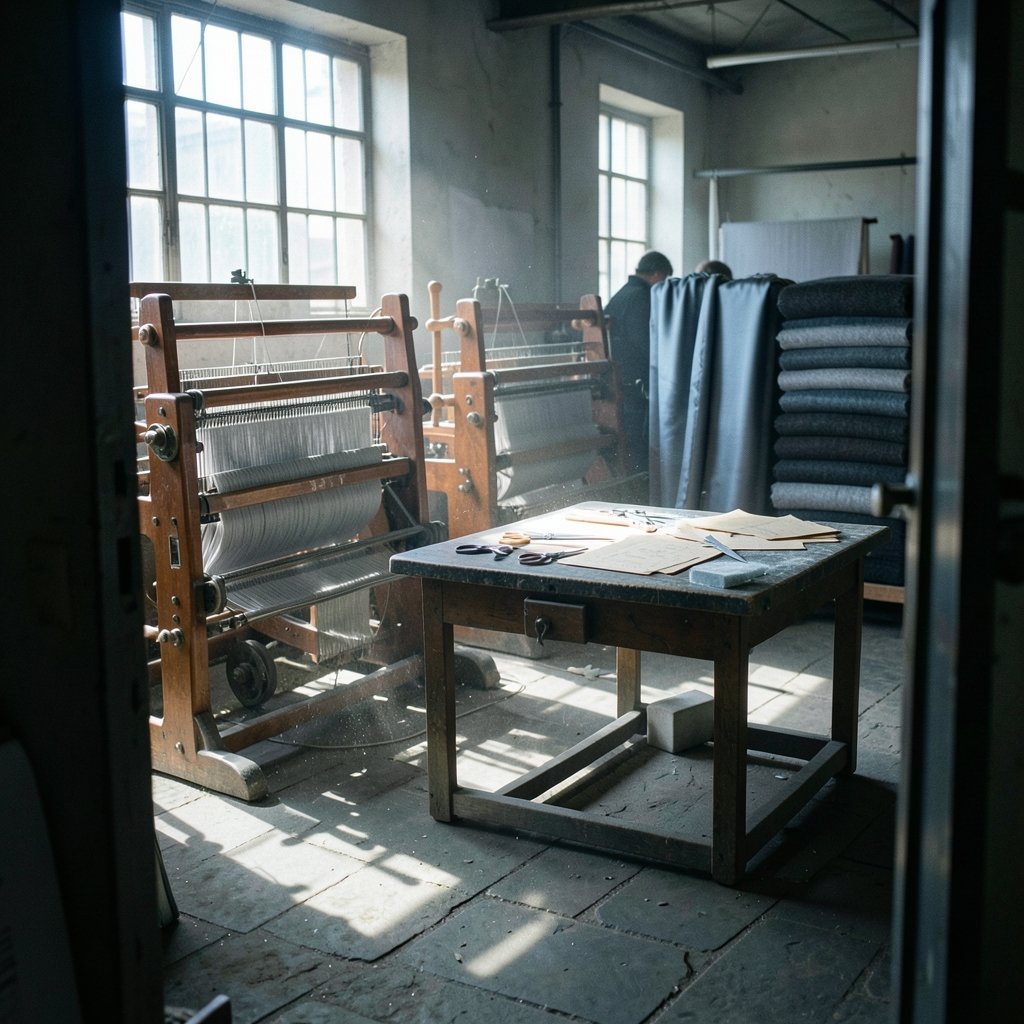
Italian fashion as a global force is younger than most people assume. The modern industry grew after World War II, helped by the Marshall Plan between 1948 and 1951, which funded textile machinery and industrial reconstruction. Factories that had made uniforms and parachutes retooled for civilian clothing, and small family workshops suddenly had capital to invest.
The first major Italian couture showing in Florence is widely dated to 1951, organised by Giovanni Battista Giorgini. That event mattered because it introduced Italian design to American buyers who had previously looked only to Paris. The pitch was simple: Italian clothes were well made, less formal than French couture, and cheaper. That positioning still holds up seventy-odd years later.
A common mistake when reading about Italian fashion is treating it as ancient. The Renaissance gave Italy textile wealth and craft traditions, certainly. But the industry that produces Gucci, Prada and Armani is a post-war construction, and that explains a lot about its character. It is entrepreneurial, family-driven, and oriented toward exports rather than domestic ceremonial dressing. For a wider view of how European luxury houses operate today, the site’s coverage of Italian luxury fashion tracks these businesses as they change hands and change strategy.
The Industrial Districts Behind Every Italian Label
Here is the part of the story most shoppers never see. Italian fashion production is organised in specialised regional clusters, not in one giant factory. Textiles cluster in Biella and Prato. Leather concentrates in Tuscany, around Santa Croce sull’Arno. Silk comes from Como. Footwear clusters in the Marche region.
The district model means a single designer handbag might involve leather tanned in Tuscany, hardware cast in a specialist metal shop, and assembly in a workshop that has made bags for three generations. This is why Italian production is hard to replicate. It isn’t one skill; it’s a dense network of them within a short drive of each other.
| Region | Speciality | Why it matters to buyers |
|---|---|---|
| Biella | Fine wool and yarn | Fabric quality in tailoring |
| Prato | Recycled and carded wool | Sustainability and price point |
| Como | Silk | Scarves, linings, prints |
| Tuscany (Santa Croce sull’Arno) | Leather tanning | Bag and shoe durability |
| Marche | Footwear | Construction and comfort |
In practice, the district model creates both strength and vulnerability. Strength, because skills pass down and suppliers compete on craft. Vulnerability, because these are small firms with thin margins, and consolidation has been steady for two decades. When a tannery closes, the loss is jobs and also knowledge that doesn’t come back.
What “Made in Italy” Actually Means by Law
This is where buyers get tripped up most often. Italian law, specifically Law 350/2003, Article 4, regulates use of the “Made in Italy” designation for goods wholly manufactured in Italy. Textile and footwear labelling is also governed by EU Regulation 1007/2011 on textile fibre names. That regulation is why you see standardised fibre percentages on labels across Europe.
What does this mean in practice? A garment can be designed in Italy, use Italian fabric, and still not qualify for the full “Made in Italy” claim if it was cut and sewn elsewhere. Labels like “designed in Italy” or “Italian fabric” are legal but weaker claims. They are not lies, but they are not the same thing.
Three practical checks that actually work:
- Read the fibre composition label rather than the brand tag alone. It is legally required and tells you what you’re paying for.
- Look for a country of manufacture stated separately from the brand’s home country. If it’s absent, ask.
- Treat “Made in Italy” as a manufacturing claim, not a quality guarantee. It confirms where the final substantial transformation happened, not how well.
The most common mistake is assuming a high price implies Italian production. It doesn’t. Price reflects brand positioning, marketing, and retail markup as much as origin.
The Houses, the Families, and the Conglomerates
Italy is home to fashion houses including Gucci (founded in Florence in 1921), Prada (Milan, 1913), Versace (Milan, 1978), Armani (Milan, 1975), Valentino (Rome, 1960) and Dolce & Gabbana (Milan, 1985). Notice the spread: Rome as well as Milan, and founding dates that cluster in the 1960s and 1970s, when Italian ready-to-wear found its voice.
Ownership matters more than most shoppers realise. Several houses are owned by conglomerates: Kering owns Gucci; LVMH owns Fendi, Bulgari and Pucci; and the Prada Group has been listed on the Hong Kong Stock Exchange since 2011. Ownership structures change, so current corporate filings are the only reliable source.
Why should a buyer care? Because ownership shapes creative direction and pricing. A house inside a large group tends to have deeper marketing budgets and more aggressive global expansion. An independent house tends to protect its founder’s aesthetic longer. Neither is automatically better, but the difference shows up in what lands in stores.
The craft side of this world still attracts documentarians and illustrators. The site’s piece on how Angelica Hicks turns runway moments into illustration is a good reminder that Italian fashion is a visual culture as well as a supply chain.
How Italian Fashion Performs as an Export Industry
Italy is among the world’s largest exporters of textiles, apparel, leather goods and footwear. Exact figures vary by source and year, so current national statistics and Eurostat data are the right reference points rather than any remembered number. The structural point is stable, though: Italian fashion earns far more abroad than it sells at home. That export orientation explains a lot of the design language. Clothes are made to travel, to suit international climates, and to appeal to buyers in markets the designer may never visit.
It also explains the industry’s sensitivity to currency and trade policy. A strong euro makes Italian goods more expensive abroad. Tariffs and customs changes ripple through small suppliers first, because they cannot absorb costs the way a conglomerate can.
For anyone tracking the sector’s direction, the site’s fashion trends 2026 tag is a useful running record of what buyers are actually responding to.
Sustainability, Regulation, and What’s Coming
The EU’s Ecodesign for Sustainable Products Regulation (ESPR), adopted in 2024, will set durability and repairability requirements affecting apparel, and a digital product passport is planned. Implementation timelines are phased, so the specifics matter and should be checked against official EU material rather than secondhand summaries.
What does this mean for Italian fashion specifically? Small district firms will feel the compliance burden most. A workshop with twelve employees does not have a sustainability department. Expect consolidation to accelerate, and expect larger houses to lean on their supply-chain visibility as a selling point.
For shoppers, the practical shift is toward repairability. A jacket with replaceable buttons and a generous seam allowance can be altered for years. A glued sole cannot be resoled. These are checkable details, and they matter more than a sustainability slogan on a hangtag.
Practical Tips for Buying Italian Fashion Well
First-hand experience from people who shop this market regularly points to a few habits that separate good purchases from expensive regrets.
Fit the garment, not the size on the label. Italian sizing runs smaller than US sizing, and vintage pieces run smaller still. Always check measurements.
Buy the fabric first. A simple cut in excellent wool beats an elaborate cut in poor cloth every time. Feel the weight and check the fibre percentage.
Ask about alterations. Italian tailoring often leaves generous seam allowances. A good shop will tell you what can be adjusted.
Understand the resale reality. Classic leather goods hold value better than trend pieces. Loud seasonal prints usually don’t.
Watch out for outlet theatre. Outlet villages sell real products, but often in diffusion lines made for outlet channels. Check the label details rather than assuming.
The most common mistake is buying a logo instead of a garment. The second most common is ignoring care instructions and destroying a good piece in the first wash.
Where Italian Fashion Goes Next
The industry faces a genuine tension. On one side, heritage and craft, which are real and hard to copy. On the other, consolidation and regulation, which push toward scale and standardisation. Both forces are active at once.
What seems likely is a split market. At the top, houses with archive depth and control over their own production will keep commanding premium prices. In the middle, brands that outsource everything will struggle to justify luxury pricing. At the entry level, well-made pieces from specialist district producers, sold directly, may take share from logo-driven labels.
For readers who follow fashion media closely, the site’s guide to finding the best fashion substacks without wasting your inbox is a practical way to keep up without drowning in newsletters. And for anyone curious about naming conventions in the industry, this piece on Italian names for boys is a lighter aside on how deeply Italian identity is woven into brand storytelling.
Conclusion
Italian fashion is a system, not a slogan. It runs on Milan’s show calendar, Florence’s trade fairs, and a patchwork of regional districts where leather, silk and wool have been worked for generations. The “Made in Italy” label is a legal claim with real limits, and the houses everyone names are increasingly owned by global conglomerates. None of that diminishes the craft. It just means buyers need to look past the brand tag and read the fibre label, the country of manufacture, and the construction. Do that, and Italian fashion stops being a status purchase and becomes what it was built to be: well-made clothing that lasts.
Frequently Asked Questions
What is Italian fashion known for?
Italian fashion is known for high-quality tailoring, leather goods, and footwear, supported by specialised regional districts rather than a single production centre. Milan handles ready-to-wear and the official show calendar through the Camera Nazionale della Moda Italiana, while Florence hosts the Pitti Immagine trade fairs. The reputation rests on craft and materials more than on any single aesthetic.
Is “Made in Italy” a legal term?
Yes. Italian law, specifically Law 350/2003, Article 4, regulates use of the “Made in Italy” designation for goods wholly manufactured in Italy. Textile and footwear labelling is also governed by EU Regulation 1007/2011 on textile fibre names. Labels such as “designed in Italy” or “Italian fabric” are legal but describe a weaker claim than full manufacture in the country.
Why is Milan considered Italy’s fashion capital?
Milan hosts the country’s main womenswear and menswear fashion weeks twice a year, in February or March and September or October, organised on the official calendar by the Camera Nazionale della Moda Italiana, founded in 1958. It also became the base for houses including Prada, Armani, Versace and Dolce & Gabbana, which concentrated press, buyers and suppliers in one city.
What are Italy’s main fashion production regions?
Textiles cluster in Biella and Prato, silk in Como, leather tanning in Tuscany around Santa Croce sull’Arno, and footwear in the Marche region. This district model means a single product often involves several specialist suppliers within a short distance. It is a well-documented feature of Italian manufacturing and a major reason the country’s craft skills are hard to replicate elsewhere.
Does a high price guarantee Italian-made quality?
No. Price reflects brand positioning, marketing and retail markup as much as origin or construction. The reliable checks are the legally required fibre composition label, a clearly stated country of manufacture, and physical construction details such as seam allowances and whether a sole can be resoled. A high price with no manufacturing information is a warning sign, not a reassurance.
How is EU regulation changing Italian fashion?
The EU’s Ecodesign for Sustainable Products Regulation, adopted in 2024, will set durability and repairability requirements for apparel, with a digital product passport planned. Implementation timelines are phased and should be checked against official EU sources. Small district firms are likely to feel the compliance burden most, which may accelerate consolidation among suppliers.














