

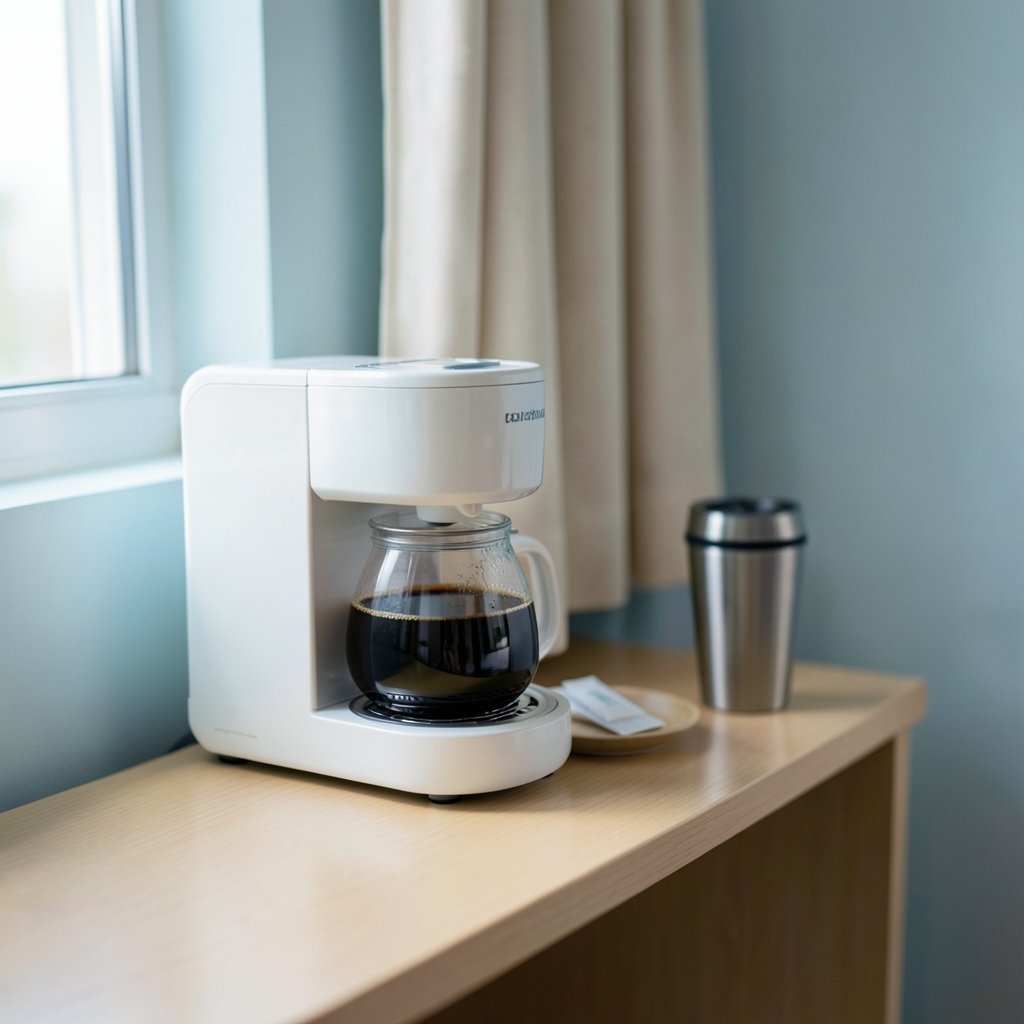
What does your morning really look like? Maybe it is a mad dash out the door with a travel mug in hand. Maybe it is a slow weekend ritual with a scale, a kettle, and a bag of beans roasted last week. Those two mornings need completely different machines, and that is the first thing to understand about the search for the best coffee maker: there is no single winner, only the right match for your habits, your counter space, and your patience.
This guide breaks down the main types of coffee makers, what each one does well, where each one falls short, and the practical details that separate a machine you love from one that ends up in a cabinet. It also covers the mistakes buyers make most often, because a little knowledge up front saves a lot of regret later.
Why “Best” Depends on How You Brew
Walk through any appliance aisle and you will see drip machines, pod brewers, espresso machines, pour-over setups, French presses, and cold brew towers all competing for the same label. Reviews and buying guides tend to agree on one point: the best machine depends on volume, budget, counter space, and whether you want convenience, control, or batch brewing.
That framing matters because it resets the question. Instead of asking which machine scores highest in a lab test, ask which machine you will actually use every day. A $300 espresso machine that takes fifteen minutes of warming up and cleaning will lose to a $40 drip brewer if your mornings are chaos. A cheap drip machine will frustrate someone who wants to taste the difference between two single-origin beans. Match the tool to the drinker, and the “best” question mostly answers itself.
Drip Coffee Makers: The Everyday Workhorse

Drip machines remain the most common home brewing method in the United States, according to years of consumption surveys, and it is easy to see why. You add water, add grounds, press a button, and walk away. A thermal carafe keeps coffee hot for hours without the burnt taste that comes from a hot plate.
The quality gap among drip machines is wider than most people expect. Cheap models often brew too cool or too fast, which leaves coffee sour and thin. Better machines hit a proper brew temperature, usually in the range of 198 to 205 °F, and spread water evenly over the grounds so the whole bed extracts at the same rate. That temperature window is the same one the Specialty Coffee Association has long used in its brewing standards, and machines that meet its Certified Home Brewer criteria are tested against published requirements for temperature, brew time, and extraction uniformity.
What to look for in a drip machine
- Certification: A certified brewer takes the guesswork out of temperature and timing.
- Thermal carafe vs. hot plate: A carafe holds flavor for hours; a hot plate slowly cooks it.
- Reservoir size: Match it to how many cups you drink before coffee goes stale, usually within an hour or two.
- Programmable timer: Useful if you genuinely wake up at the same time daily. Otherwise it is a feature you will set once and forget.
- Easy cleaning: A machine with awkward crevices will not get descaled as often as it should.
One common mistake: buying a 12-cup machine for one person. Large batches sit around, and reheated coffee tastes flat. A smaller brewer with a good thermal carafe usually serves solo drinkers better.
Pod and Single-Serve Machines: Speed With a Trade-Off
Single-serve pod systems reshaped the market after Nespresso arrived in 1986 and Keurig’s K-Cup system launched in 1998. The appeal is obvious: one pod, one button, one cup, no measuring, no cleanup beyond tossing the pod.
The trade-offs are just as real. Pods cost more per cup than ground coffee, variety is limited to what fits your machine, and the waste adds up. Plastic and aluminum pods are widely reported as difficult to recycle, and some municipalities have restricted them; Hamburg, Germany, banned pods in government buildings back in 2016. Manufacturer recycling programs exist but vary a lot by country, so it is worth checking what is actually available where you live before committing to a pod habit.
Pods make sense for people who drink one or two cups a day, value speed above all, and like variety without buying multiple bags of beans. They make less sense for heavy drinkers or anyone trying to cut household waste.
Espresso Machines: Pressure, Not Gravity
Espresso is defined by brewing with pressurized water, commonly cited at around 9 bar, forced through a compacted bed of finely ground coffee. That pressure is what creates the concentrated shot, the crema, and the flavor intensity that drip coffee cannot match.
The espresso category splits into two families. Semi-automatic machines require you to dose and tamp the coffee yourself, which gives you control but adds technique and mess. Super-automatic machines grind, dose, and brew with one button, trading some control for convenience. Both need regular cleaning, and both are sensitive to grind quality. A burr grinder produces more uniform particles than a blade grinder, and uniformity is what makes extraction even. If you are choosing beans for espresso, roast level, origin, and freshness matter as much as the machine, so it pays to learn how to choose beans by roast, origin, and freshness before spending on hardware.
Budget espresso machines often cut corners on temperature stability, which shows up as inconsistent shots. If the budget is tight, a good grinder plus a simple machine beats a fancy machine paired with pre-ground coffee.
Pour-Over, French Press, and Manual Brewers
Manual brewing is where control lives. A pour-over cone, a French press, an AeroPress, or a Moka pot all cost far less than a machine and reward attention with clarity and flavor. They also demand a little technique: grind size, water temperature, and timing all matter.
Manual methods suit people who enjoy the process and want to taste what a bean can do. They suit fewer people at 6 a.m. on a Tuesday. The honest test is simple: would you rather spend four minutes brewing by hand, or press a button and walk away? Neither answer is wrong, but only one matches your kitchen.
Cold Brew and Iced Coffee Gear
Cold brew has moved from café novelty to household staple. Dedicated cold brew makers are essentially large steepers with filters, and they work well, but a mason jar and a fine mesh strainer do the same job for a fraction of the price. The real variable is time: coarse grounds steeped in cold water for 12 to 18 hours produce a smooth concentrate that keeps for days.
If iced coffee is your daily drink, a brewer that makes concentrate in batches will save money compared with buying iced coffee out. Just budget fridge space, because cold brew takes up room.
Match the Machine to Your Morning
The table below summarizes how the main categories compare on the factors that matter most.
| Machine type | Best for | Speed | Upfront cost | Ongoing cost | Control |
|---|---|---|---|---|---|
| Drip | Families, batch drinkers | Medium | Low to high | Low | Low |
| Pod | One or two quick cups | Very fast | Low | High per cup | Very low |
| Super-automatic espresso | Milk drinks, convenience | Fast | High | Medium | Low to medium |
| Semi-automatic espresso | Hands-on espresso fans | Slow | Medium to high | Low | High |
| Pour-over and press | Flavor-focused brewers | Slow | Very low | Low | Very high |
| Cold brew | Iced coffee regulars | Very slow | Low | Low | Medium |
A useful exercise: track your coffee habits for one week. Count cups per day, note whether you drink milk drinks, and jot down how much time you actually have in the morning. The pattern usually points to one category clearly.
Features That Actually Matter (and Ones That Don’t)
Some features earn their place. Brew temperature control and certification matter because they directly affect flavor. A thermal carafe matters if you sip over an hour. Descaling indicators matter because scale buildup ruins machines quietly. Adjustable brew strength matters if you like a bolder cup without adding more grounds.
Other features are mostly marketing. Touchscreens add failure points. App connectivity rarely gets used after the first month. A built-in grinder sounds convenient, but if it is a poor grinder, it drags down every cup. And a “cup-warming” plate on a machine without a thermal carafe is often just a slow way to overcook coffee.
Water quality deserves more attention than it gets. Mineral content affects extraction, and water that is too hard or too soft throws off flavor. Standard brewing guidance points to a moderate mineral range, and a simple filter pitcher often gets tap water close enough.
Common Mistakes Buyers Make
The same regrets show up again and again in owner discussions and return data. Avoiding them is half the battle.
- Buying for the ideal self, not the real self. The fantasy of slow weekend pour-overs does not survive a job with an early commute.
- Skipping the grinder budget. Freshly ground coffee is one of the biggest flavor upgrades available, and pre-ground coffee goes stale fast.
- Ignoring cleaning requirements. Every machine needs descaling and washing. The easier that is, the more often it happens.
- Underestimating counter space. Measure the spot before ordering, including clearance for the lid and reservoir.
- Chasing pod variety without checking pod costs. Per-cup math often surprises new pod owners.
- Not reading the manual for water hardness settings. Many machines have a hardness adjustment that owners never touch.
Habits around coffee also drift. Someone who starts with drip often adds a manual brewer later, and someone who starts with pods sometimes migrates to batch brewing as their routine changes. A little planning for that drift, like buying a machine with a good thermal carafe rather than a hot plate, pays off.
Budgeting Beyond the Sticker Price
The purchase price is only part of the story. Pods run several times the cost per cup of ground coffee. Espresso machines need descaler, cleaning tablets, and occasionally new gaskets. Drip machines need filters unless they have a permanent basket. Manual brewers need filter papers.
A rough annual calculation helps. Multiply your daily cups by the per-cup cost of your chosen method, add cleaning supplies, and compare across two or three options. The results often reframe the decision. A machine that costs twice as much up front can be cheaper within a year if it uses inexpensive grounds instead of pods.
Where Coffee Culture and Gear Intersect
Coffee gear does not exist in a vacuum. The culture around it shapes what people buy and when they drink. Late-night cafés, for example, have their own rituals and gear preferences, and anyone curious about that scene can explore where to go for late-night coffee and how to order. Home brewing follows similar patterns: some people treat coffee as fuel, others as a hobby, and the best machine reflects which camp you are in.
Brand identity matters too. Some companies build stories as compelling as their products, and that storytelling influences buying decisions as much as specs do. The same dynamic that drives interest in, say, a brand like Purple and how it built its reputation applies to coffee hardware: reputation and marketing shape expectations, but the daily experience is what keeps a machine on the counter.
Conclusion
The best coffee maker is not the one with the highest score or the longest feature list. It is the one that fits your actual mornings: the number of cups, the time you have, the drinks you love, and the cleanup you are willing to do. Drip machines win for batch brewing and simplicity. Pods win for speed. Espresso machines win for intensity and milk drinks. Manual brewers win for flavor and control. Cold brew gear wins for iced coffee regulars.
Start with your habits, set a realistic total budget that includes beans and cleaning supplies, and prioritize the features that change flavor, like brew temperature, grind quality, and water. Do that, and the machine you choose will still be earning its counter space years from now.
Frequently Asked Questions
What is the best coffee maker for most people?
For most households, a certified drip machine with a thermal carafe is the safest choice. It handles batch brewing, needs little attention, keeps coffee hot without a hot plate, and costs less per cup than pods. Households that drink only one quick cup a day may prefer a pod machine instead.
Is an expensive coffee maker worth it?
It depends on what the money buys. Spending more for stable brew temperature, a quality grinder, or better build quality usually pays off in flavor and durability. Spending more for touchscreens, app features, or brand name alone rarely changes the cup.
Do I need a separate grinder?
Yes, if flavor matters to you. Freshly ground coffee tastes noticeably better than pre-ground, and a burr grinder produces more even particles than a blade grinder. Even an inexpensive burr grinder is a bigger upgrade than most machine upgrades at the same price.
Are pod machines bad for the environment?
Single-use pods are widely reported as difficult to recycle, and some municipalities have restricted them. The picture varies by country and by manufacturer recycling programs, so check what is available locally. Reusable pod inserts and switching to ground coffee are common ways to reduce waste.
How often should I clean my coffee maker?
Daily rinsing for removable parts, weekly washing for carafes and baskets, and descaling every one to three months depending on water hardness. Machines with descaling indicators make this easier. Skipping descaling shortens machine life and dulls flavor.
Does water quality really change the taste?
Yes, significantly. Water makes up most of the cup, and mineral content affects how well coffee extracts. Very hard or very soft water throws off flavor. A simple filter pitcher or using filtered water usually gets results close to the recommended mineral range.














