

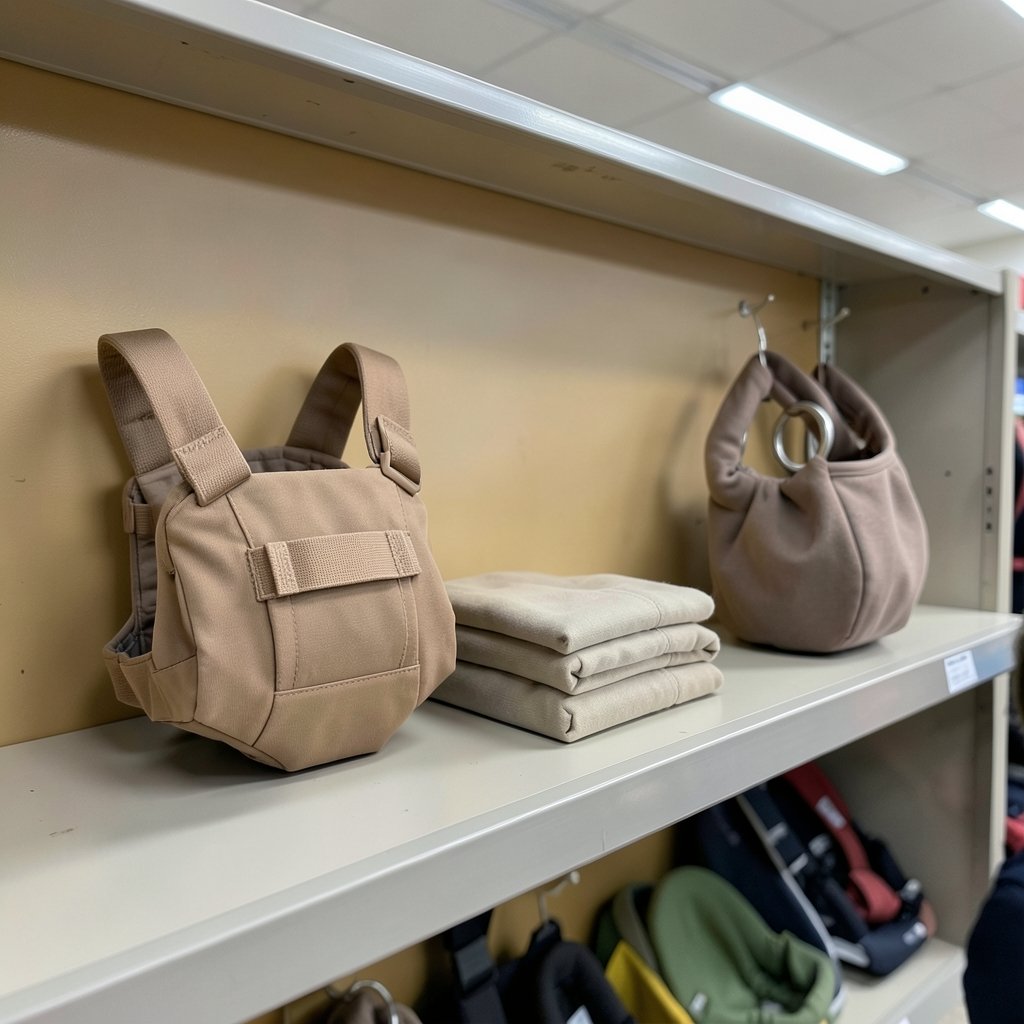
What if the single piece of baby gear that gets used the most is also the one parents argue about the most? That’s the strange reality of the baby carrier. Ask ten parents which one is best and you’ll get ten answers, each delivered with surprising passion. The truth is that the “best” carrier isn’t a product at all. It’s a match between a specific baby, a specific adult body, and a specific daily routine. A carrier that feels like a dream on a tall, broad-shouldered parent can dig into the shoulders of someone five inches shorter. A wrap that soothes a newborn can become a wrestling match with a curious nine-month-old.
This guide walks through the real decision points: carrier types, fit and safety, hip positioning, wearer comfort, and the mistakes that send carriers to the back of the closet. No hype, no affiliate pressure, just the factors that actually matter when you’re standing in a store or staring at a wall of options online.
Start With the Baby’s Age and Stage
The carrier question changes dramatically as a baby grows. A newborn has almost no neck control, needs visible airway and close breathing monitoring, and spends most of the day asleep. An older baby wants to look around, push up, and grab at the world. A toddler wants up, then down, then up again, all within four minutes.
That means the “best” carrier for a two-week-old is rarely the best one for a fourteen-month-old. Many families end up with two: a soft, snug option for the fourth trimester and a structured carrier for the long haul. If you’d rather buy once, look for a carrier with a newborn-ready setting (an infant insert or an adjustable seat) and a generous upper weight limit.
Weight and age limits vary widely between brands, and there’s no universal standard, so always check the manufacturer’s stated range for the specific model. A carrier marketed for newborns may still require an insert, and an insert can change the fit for both baby and wearer.
Know the Main Carrier Types Before You Shop

Most carriers fall into four families. Each has a distinct learning curve, a distinct feel, and a distinct set of fans.
| Type | Best for | Learning curve | Typical strengths | Watch-outs |
|---|---|---|---|---|
| Stretchy wrap | Newborns to about 15 lbs | Moderate; needs practice | Snug, womb-like, machine washable | Gets saggy as baby grows; hot in summer |
| Woven wrap | Newborns through toddlers | Steep | Extremely versatile, supportive | Takes time to master; long tails drag |
| Ring sling | Quick ups and downs, newborns and older babies | Low to moderate | Fast, compact, easy to nurse in | One-shouldered, so weight sits on one side |
| Soft structured carrier (SSC) | Older babies and toddlers | Low | Buckles on fast, padded, supportive | Bulkier; fit varies a lot by body type |
A fifth category, the meh dai or half-buckle, sits between wraps and structured carriers. It ties like a wrap but buckles like an SSC, which makes it a favorite for parents who want wrap-like support without the full wrapping ritual.
The practical takeaway: wraps and slings shine in the newborn phase, structured carriers shine from about four months onward, and ring slings are the quiet hero for errands and toddler pickup. If a registry is on the horizon, a luxury gift for a newborn that supports carrying can be a genuinely useful present rather than another stuffed animal.
Safety Comes Before Comfort
Every carrier decision sits on top of a few non-negotiables. The most important is the baby’s airway. A newborn’s chin should never slump onto the chest, because that position can narrow the airway. The baby should be visible at all times, close enough to kiss, with the face uncovered and the head turned to the side or resting against the wearer.
Positioning matters too. The baby should sit high on the wearer’s chest, not down near the waist, and the carrier should hold the back in a supported, slightly rounded position rather than letting the baby slump. For premature babies, low-birth-weight babies, and babies under about four months, extra caution is warranted, and some public health guidance advises particular care with sling-style carriers for these groups.
Voluntary safety standards exist for soft infant carriers, and reputable brands test to them. That’s one reason to buy from a maker that publishes its testing and recalls clearly rather than an unbranded marketplace listing with vague photos. Check for recalls on any secondhand carrier before use, and inspect buckles, seams, and straps for wear.
Hip Health: The Detail Most Shoppers Miss
Hip-healthy carrying has become a genuine selling point, and for good reason. The International Hip Dysplasia Institute describes a supported position in which the baby’s thighs are supported and the knees sit at or above hip level, forming a gentle “M” shape. That position spreads the hips naturally and avoids letting the legs dangle straight down.
In practice, this means looking at the carrier’s seat. A narrow seat that lets the legs hang is a red flag for long carries. A wide, adjustable seat that supports the thighs from knee to knee is what you want. Many structured carriers now advertise an adjustable seat width specifically for this reason, and wrap carries can achieve the same shape with a good pocket and a deep seat.
Parents often assume a carrier is hip-healthy because the packaging says so. A better check is visual: put the baby in, then look from the side. Are the knees up? Are the thighs supported? If the legs are dangling like a puppet’s, adjust the seat or try a different carrier.
Fit for the Wearer Matters More Than You Think
Here’s the part that rarely makes the product page: the carrier has to fit the adult. A carrier that’s comfortable on one body can be miserable on another, and that’s not a quality problem, it’s a fit problem.
Wearer comfort usually comes down to a few features. A wide, padded waistband transfers weight to the hips instead of the shoulders. Adjustable torso length lets the carrier sit correctly on different heights. Wide, contoured shoulder straps spread the load. Crossable straps help some wearers, while others find them fiddly. For plus-size or very petite wearers, strap length and waistband range are the make-or-break specs, and it’s worth checking the brand’s stated fit range before ordering.
There’s little independent comparative testing of wearer comfort, which is why the most reliable data point is your own body. Try before you buy if you can. Many babywearing groups and retailers host try-on sessions, and a carrier library can let you test several styles for a small fee before committing.
Front-Facing, Back Carrying, and Other Practical Questions
Outward-facing carrying is popular and controversial in equal measure. Some guidance suggests limiting the time a baby spends facing out, and it’s generally reserved for babies with solid head and neck control. The reason is sensory: a forward-facing baby has a lot to look at and no way to turn away, which can be overstimulating. Many parents alternate between inward and outward positions, or save outward carrying for short, stimulating stretches.
Back carrying is the quiet superpower of the toddler years. Once a baby can sit independently, a back carry frees both hands and takes the weight off the front of the body, which many wearers find far more comfortable for long walks. It takes practice to get a baby onto the back safely, so learn the technique with an experienced helper or a reputable instructional video before trying it alone.
Climate is another practical factor. Heavy padded carriers get hot. Linen and mesh carriers breathe better. If you live somewhere humid, a lightweight wrap or a mesh-paneled SSC may get far more use than a plush winter carrier.
Common Mistakes That Send Carriers to the Closet
Most abandoned carriers weren’t bad products. They were badly matched or badly adjusted. These are the mistakes that come up again and again.
- Buying before trying. Ordering the most-recommended carrier online without checking the fit range is the classic error. Body type matters more than brand reputation.
- Skipping the adjustment phase. A carrier often needs several rounds of strap and seat tweaks to feel right. The first attempt is rarely the best one.
- Letting the baby sit too low. A low carry strains the wearer’s back and puts the baby in a slumped position. Raise the waistband and tighten the straps.
- Ignoring the seat width. A narrow seat on a growing baby means dangling legs. Adjust the seat as the baby grows.
- Overdressing. A carrier counts as a layer. Dressing a baby in a snowsuit under a carrier risks overheating, and bulky clothing prevents a snug, safe fit.
- Giving up after one fussy try. Some babies protest for a minute or two before settling. A short walk and a calm pace often solve it.
If you’re still in the thick of newborn life and wondering whether the constant evening feeding is normal, that’s a separate puzzle with its own answers in cluster feeding explained — and yes, a carrier can help with that too, since many babies settle when held upright and close.
A Simple Buying Checklist
Before clicking buy, run through these questions. They take two minutes and save a lot of returns.
- What is the baby’s current weight, and what will it be in six months?
- Does the carrier’s stated fit range include the wearer’s height and waist measurement?
- Is the seat adjustable for hip-healthy positioning?
- Can the baby be positioned high and close, with a visible airway?
- Is the fabric appropriate for the local climate?
- Does the brand publish safety testing and recall information?
- Can it be returned or tried on first?
For families building a whole baby wardrobe and gear list at once, it helps to think in systems rather than single items. The same logic that applies to carriers applies to names, clothes, and nursery gear, and browsing a broad collection like these baby names from around the world or this guide to baby names for boys shows how much variety exists within a single category. Carriers are the same: the range is wide, and the right pick is personal.
What Actually Works in Practice
The families who end up loving babywearing tend to share a few habits. They start with a simple option and upgrade once they know what they like. They keep one carrier by the door and one in the car. They adjust the fit every time the baby grows, because a carrier that fit in March can be uncomfortable by June. And they accept that the first week with any new carrier involves fumbling, tightening, and re-tying.
They also treat the carrier as a tool rather than an identity. Some days it’s the only way to get dinner made. Other days the stroller wins. Both are fine. The best carrier is the one that gets used, and the one that gets used is the one that fits well enough to feel easy.
Conclusion
There is no single best baby carrier, and any list that claims otherwise is selling something. What exists is a short list of factors that predict whether a carrier will work for you: the baby’s age and weight, the carrier type, a hip-healthy seat, a visible and high airway, and a fit that suits the wearer’s body. Get those right and almost any well-made carrier will do the job. Get them wrong and even the most expensive option will end up in a drawer.
Start with the type that matches your stage of life, check the fit range before you buy, and give yourself a week of practice before deciding. Your back, your baby’s hips, and your dinner schedule will all thank you.
Frequently Asked Questions
What is the best baby carrier for a newborn?
For most newborns, a stretchy wrap or a ring sling offers the snuggest, most womb-like fit, and both let you keep a close eye on the baby’s airway. The key requirement is a position where the baby sits high on the chest, chin off the chest, with the face visible. Structured carriers can work for newborns too, but usually need an infant insert or a specific newborn setting.
How do I know if a carrier is hip-healthy?
Look for a wide, adjustable seat that supports the baby’s thighs from knee to knee, with the knees sitting at or above hip level. That creates the gentle “M” shape associated with healthy hip positioning. If the legs dangle straight down, the seat is too narrow or the baby is sitting too low.
Can I use a baby carrier with a premature or low-birth-weight baby?
Extra caution is warranted for premature and low-birth-weight babies, particularly with sling-style carriers, because of airway risk. Check with a pediatric provider before carrying a premature baby, and always keep the face visible and the chin clear of the chest.
How long can a baby face outward in a carrier?
Outward-facing carrying is generally reserved for babies with solid head and neck control, and many sources suggest keeping sessions short because the position can be overstimulating. Alternating between inward and outward positions is a common approach.
Do I need a different carrier as my baby grows?
Often, yes. Many families use a wrap or sling for the first few months and switch to a structured carrier once the baby has head control and wants to look around. Choosing a structured carrier with a wide weight range and an adjustable seat can reduce the number of purchases.
How do I clean and care for a baby carrier?
Follow the manufacturer’s care label, which usually specifies machine washing on a gentle cycle and air drying. Avoid fabric softener, which can coat buckles and reduce breathability, and check seams, straps, and buckles regularly for wear. For secondhand carriers, confirm the model hasn’t been recalled before use.














