


What if the difference between a smooth shave and a face full of irritation comes down to one decision you make before you even turn the razor on? That decision is the type of shaving head you buy. Walk down any store aisle and you will see two camps: foil shavers with their thin metal screens, and rotary shavers with their spinning circular heads. Both promise a close, comfortable shave. Both cost anywhere from budget-friendly to premium. Yet they suit very different faces, hair types, and morning routines.
This guide breaks down what actually matters. It covers how the two technologies work, which specs are worth comparing, the hidden costs nobody mentions at checkout, and the everyday habits that separate a great shave from a painful one. There is no single objective winner here, because the best electric razor for men depends on hair texture, skin sensitivity, and how often a guy shaves. What follows is a criteria-based way to pick, not a hype-driven ranking. (Mercedes electric car)
Foil vs Rotary: The Core Difference That Changes Everything

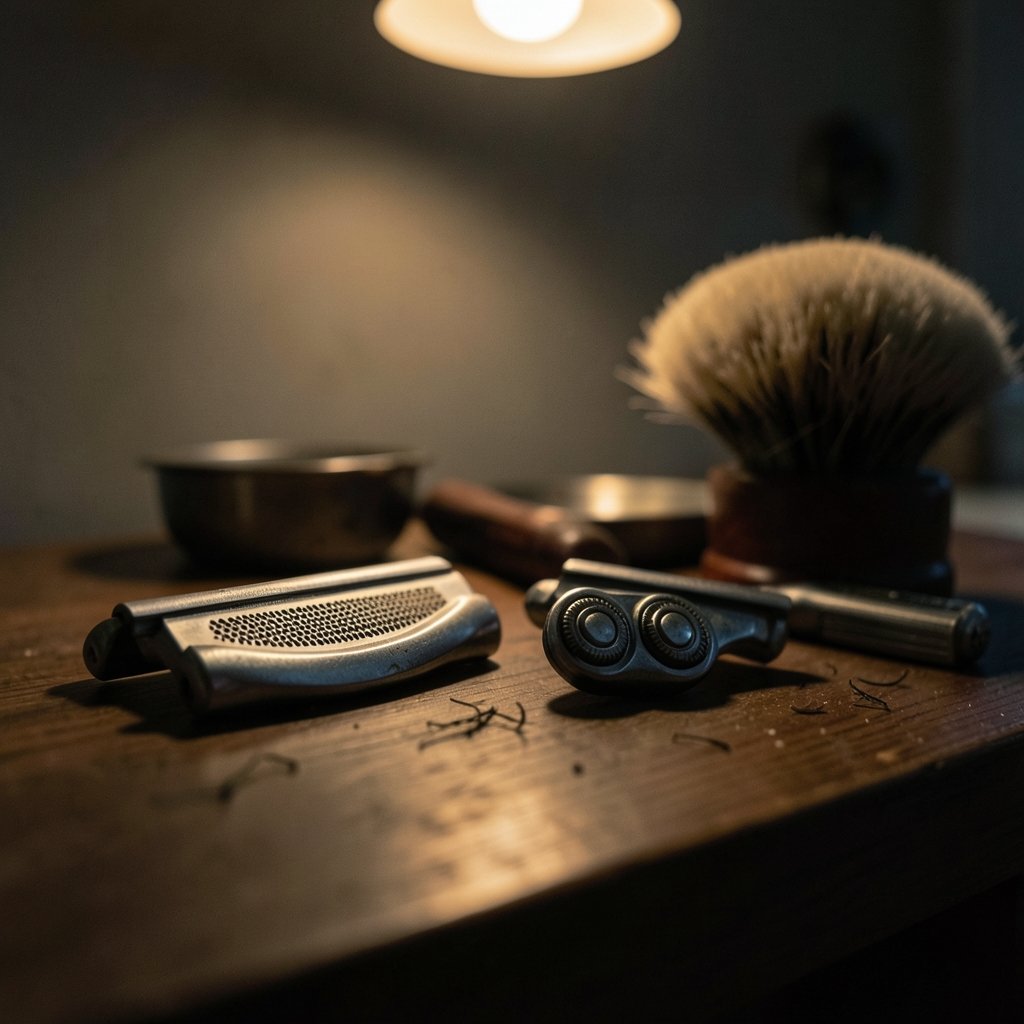
A foil shaver pulls a thin, perforated metal screen across the skin. Underneath, blades oscillate side to side at high speed, cutting hairs trapped in the screen’s slots. The flat cutting surface hugs the face closely, which makes foil razors excellent for straight hair and for men who want a very close, barber-style finish. The trade-off is that a flat screen struggles on sharp curves, so the jawline and neck require more passes.
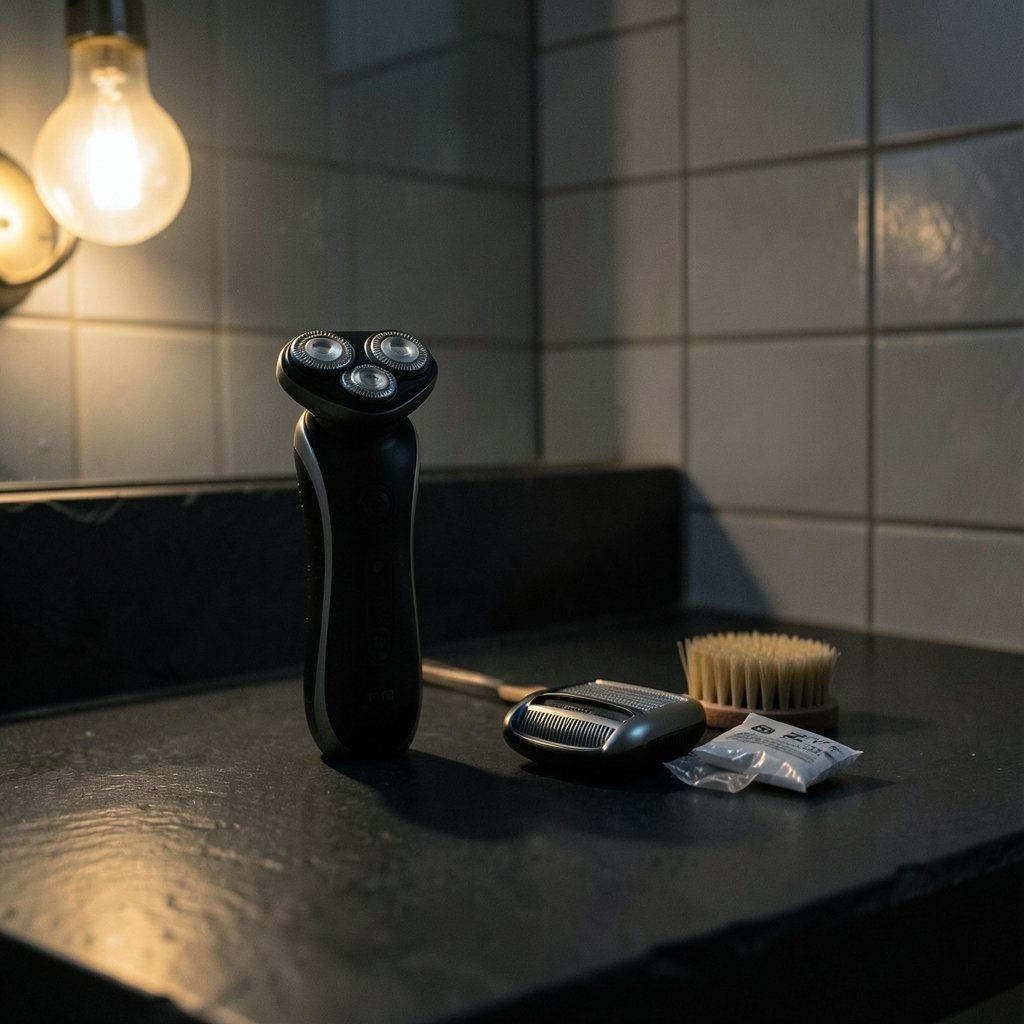
A rotary shaver uses two or three circular heads, each with rotating cutters behind a slotted guard. The heads pivot independently, following the contours of the chin, jaw, and neck. Rotary razors tend to handle longer or patchier growth and multi-day stubble better, which is why they are popular with men who shave every second or third day. The trade-off is that they can be less precise on the upper lip and can tug if the head is pressed too hard.
The history here is genuinely interesting. Remington introduced the first foil shaver for home use in 1937, and Braun launched a foil model with a vibrating cutter in 1950. Philips filed its first rotary shaver patent in 1939. Nearly nine decades later, the same two design philosophies still dominate the market. If a man already knows he loves the feel of one type, the rest of the decision gets much easier.
A Side-by-Side Comparison for Real-Life Shaving
| Factor | Foil shaver | Rotary shaver |
|---|---|---|
| Best for hair type | Straight, fine to medium | Curly, coarse, patchy |
| Best for shaving frequency | Daily | Every 2–3 days |
| Learning curve | Low | Low, but pressure matters |
| Contour handling | Moderate, needs passes | Strong, pivoting heads |
| Precision on upper lip | Strong | Moderate |
| Typical irritation risk | Lower on flat areas | Higher if pressed hard |
| Replacement head interval | Roughly 12–18 months | Roughly every 12 months |
Treat those intervals as a range, not gospel. Manufacturer manuals are the authority, and a daily shaver will wear heads out faster than a weekend shaver. The broader point is that neither design is universally better. A man with dense, curly growth who shaves twice a week will likely be happier with rotary. A man with fine hair who wants a polished daily finish will usually prefer foil.
The Specs Worth Comparing (and the Ones That Are Noise)
Battery runtime and charge time are the most comparable numbers across models. Most cordless shavers run roughly 40 to 60 minutes per charge, with 1 to 2 hour charge times and a 5-minute quick-charge function for emergencies. Those ranges shift every product cycle, so read the current spec sheet rather than trusting a review from two years ago.
Wet/dry use is a specification, not a universal feature. Many modern shavers are rated for use with foam or gel and for rinsing under a tap, but not all. Check the manufacturer’s cleaning instructions and any IP rating before dunking a razor in water. A model that is “washable” in the sense of rinsing the head is not necessarily one you can use in the shower.
Corded versus cordless matters more than people expect. In the US, corded electric shavers sold for bathroom use should carry a UL listing. In the EU, CE marking and the Low Voltage Directive apply to mains-powered appliances. If a man plans to shave at the sink with a cord, those marks are a basic safety check worth glancing at.
What is noise? Fancy app connectivity, mood lighting, and marketing names for blade coatings. What is signal? Head count and pivot range, runtime, charge time, replacement head price, and whether the trimmer is built in or a separate attachment.
Common Mistakes That Ruin an Otherwise Good Shave
The most expensive razor on the shelf will still disappoint if it is used badly. Here are the mistakes that show up again and again, and what actually works in practice.
- Pressing too hard. Electric razors cut by trapping hair against a screen or guard. Bearing down flattens the skin and pushes hairs away from the cutter. Light, circular motions work better than force, especially with rotary heads.
- Shaving dry skin with no prep. A quick wash with warm water softens growth. A pre-shave lotion or powder helps the head glide. Skipping this step is the number one cause of razor burn complaints.
- Shaving against the grain on the first pass. Start with the grain, then go across or against it only where needed. This is standard dermatology consumer advice for reducing irritation and ingrown hairs.
- Never cleaning the head. Hair and dead skin pack into the cutter block. Rinse after every use and brush weekly. A clogged head drags, tugs, and cuts poorly.
- Using a dull head for years. Replacement heads are a recurring cost that buyers forget. Budget for one new head a year or so, and the shave quality stays consistent.
- Ignoring skin sensitivity. Close shaving, including with electric razors, can irritate skin. A less-close setting, a pre-shave routine, or a foil model with a gentler screen can help. Men with sensitive skin should patch-test on the neck before committing.
There is a broader lesson in these mistakes: technique beats hardware. A mid-range razor used well outperforms a premium one used carelessly. That is worth remembering before spending extra on features.
Matching the Razor to the Man
A practical way to shop is to start with the face, not the price tag. Ask three questions. How often does he shave? What does his hair feel like? How sensitive is his skin?
A daily shaver with fine, straight hair and normal skin should look at foil models with a close-cutting screen and a built-in trimmer for sideburns. A man who shaves every few days with coarse or curly growth should look at rotary models with pivoting three-head designs. A man with sensitive skin should prioritize a gentler screen, a wet/dry rating so he can use gel, and a head that is easy to rinse.
Budget is the last filter, not the first. Entry-level razors cut fine for light use. Mid-range models add better batteries and more flexible heads. Premium models add build quality, faster charging, and cleaning stations. None of those upgrades fix a mismatch between head type and hair type. (Mercedes Electric Cars 2026: Models, Range & Features)
It also helps to look at how brands treat their full lineups. The same design language and engineering philosophy tends to carry across a range, so understanding one family of products makes the next purchase easier. A good example is how the Honda SUV lineup explained CR-V, HR-V, ZR-V, electric e-NY1 breaks down positioning across sizes, and the same logic applies to shavers: entry, mid, and premium tiers exist for a reason. Buyers who understand the tier structure stop overpaying for features they will never use.
Where Electric Razors Fit in a Grooming Routine
An electric razor is one tool in a routine, not the whole routine. A good sequence looks like this: wash the face with warm water, pat dry, apply a pre-shave product if the skin is sensitive, shave with light pressure, rinse with cool water, and finish with a moisturizer or aftershave balm. That five-minute ritual does more for comfort than any single upgrade.
Grooming habits also connect to how a man presents himself day to day. A clean shave or a well-edged beard signals attention to detail, the same way a considered wardrobe does. Anyone refining that side of his routine might enjoy the perspective in this guide to 1950s fashion trends for men, which shows how much of modern menswear still borrows from mid-century tailoring. The parallel is simple: small, consistent choices compound.
For men who like to give or receive grooming upgrades as gifts, the calculus changes. A razor is a personal item, so the safer luxury route is a grooming set, a quality dopp kit, or a fragrance. Browsing curated luxury gift ideas for men is a smarter starting point than guessing at blade preferences.
Maintenance and Long-Term Cost
The purchase price is only part of the story. Over three years, replacement heads often cost as much as the razor itself. Foil heads typically need replacing every 12 to 18 months, rotary heads roughly every 12 months, depending on use and hair density. A man who shaves daily should plan for the shorter end of those ranges.
Cleaning supplies matter too. Most shavers come with a small brush, and some premium models include a cleaning station that uses a cartridge of solution. Those cartridges are another recurring cost. A simple rinse-and-brush routine is free and works well for most people.
Battery health is the other long-term factor. Lithium-ion cells degrade over time, and a razor that once ran 60 minutes may drop to 30 after a few years of heavy use. Storing the razor charged but not plugged in constantly, and avoiding leaving it in a hot bathroom cabinet, helps extend cell life. None of this is glamorous, but it is the difference between a razor that lasts three years and one that lasts eight.
Conclusion
The best electric razor for men is not a single model on a shelf. It is the one that matches a man’s hair type, skin sensitivity, and shaving frequency, then gets used with good technique and basic maintenance. Foil shavers reward daily shavers with straight hair who want a close, precise finish. Rotary shavers reward men with coarser or patchier growth who shave every few days and want contour-following heads. Everything else, from app features to fancy packaging, is secondary.
Shop by criteria, not by hype. Compare runtime, charge time, head replacement cost, and wet/dry rating. Prep the skin, use light pressure, clean the head after every shave, and replace cutters on schedule. Do those things and even a mid-range razor will deliver years of comfortable shaves. Skip them and the most expensive razor in the store will still let a man down.
Frequently Asked Questions
Is a foil or rotary razor better for sensitive skin?
Foil razors are generally the gentler choice for sensitive skin because the flat screen creates less friction on curved areas and cuts slightly above the skin surface. That said, technique matters more than type. Light pressure, a pre-shave lotion, and a wet/dry model used with gel can make either design comfortable. Men with very reactive skin should patch-test on the neck first.
How often should electric razor heads be replaced?
Foil heads typically need replacing every 12 to 18 months, and rotary heads roughly every 12 months, depending on how often a man shaves and how dense his growth is. Daily shavers should lean toward the shorter end of those ranges. The manufacturer’s manual for a specific model is always the authority.
Can electric razors be used in the shower?
Only if the model carries a wet/dry rating and the manufacturer’s instructions permit it. Many modern shavers are rated for use with foam or gel and for rinsing under a tap, but “washable head” does not automatically mean shower-safe. Check the spec sheet and any IP rating before taking a razor into the shower.
Do electric razors give as close a shave as a manual razor?
Not quite. Manual blades cut at skin level, while electric razors cut at or slightly above it, which is why they tend to cause less irritation and fewer ingrown hairs. For most men the difference is a few hours of smoothness, not a visible one. Men who want a barber-close finish for a special occasion often keep a manual razor for that day.
How long does an electric razor battery last per charge?
Most cordless shavers run roughly 40 to 60 minutes per charge, with 1 to 2 hour charge times and a 5-minute quick-charge option for emergencies. Those figures vary by model and change with each product cycle. Battery capacity also declines over years of use, so a razor that once ran an hour may run noticeably less after several years.
Is it worth paying more for a premium electric razor?
Sometimes. Premium models add better build quality, faster charging, more flexible heads, and cleaning stations. Those upgrades improve convenience, not cut quality on a fundamental level. A mid-range razor matched to the right hair type and used with good technique will outperform a premium model that fights the user’s growth pattern. Spend more only when the upgrade solves a specific problem.














