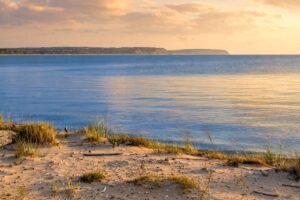
Kiawah Island sits just off the South Carolina coast, a long barrier island of wide beaches, tidal marshes and oak forest, a short drive south-west of Charleston. It is the kind of place where the day is measured in beach walks, bike rides under moss-draped oaks and the slow turning of the tide, rather than in queues and schedules. If you want a Lowcountry escape that feels calm, green and quietly luxurious, Kiawah Island is one of the best choices on the Atlantic coast.
So what makes Kiawah Island worth the trip? The island pairs ten miles of sandy beach with a remarkable natural landscape: maritime forest, salt marsh, tidal creeks and ponds that attract herons, egrets, dolphins and deer. Add championship golf, miles of flat cycle paths and a range of places to stay, and you have a destination that suits families, couples and golfers alike.
Key takeaways:
- Kiawah Island is a barrier island near Charleston, South Carolina, with ten miles of sandy Atlantic beach and a protected natural landscape.
- The island is known for its maritime forest, salt marsh and wildlife, including dolphins, herons, egrets, alligators and deer.
- Golf is a headline attraction, with several courses, while cycling, beach walks, kayaking and tennis fill the days in between.
- Most visitors stay in villas, townhouses or a resort hotel, and the island is best explored by bike or car.
- Spring and autumn bring the most comfortable weather, while summer is warm, humid and busy, and winter is quiet and mild.
Where is Kiawah Island?
Kiawah Island lies in the Atlantic Ocean off the coast of South Carolina, south-west of Charleston and close to the neighbouring island of Seabrook. It is a barrier island, which means it is a long, narrow strip of sand separated from the mainland by tidal marsh and creeks. The island is around ten miles long, with the ocean on its south-eastern side and the marshes of the Kiawah River on its north-western side.
Getting there is straightforward. Most visitors fly into Charleston and drive down, a journey that takes well under an hour in normal traffic. The island is reached by a single causeway, which gives it a pleasantly secluded feeling. The island is largely residential and resort-based, with shops and restaurants clustered in a few small areas.
The beaches
The beach is the heart of Kiawah, and it runs along the whole ocean side of the island. It is wide, flat and sandy, with firm sand at low tide that is ideal for walking, running and cycling. At high tide the beach narrows, but there is still plenty of room, and the water is generally gentle, with small waves rather than heavy surf.
Beachwalker Park, at the western end of the island, is the main public beach access point, with parking, facilities and a boardwalk over the dunes. Beach days here are unhurried: people swim, paddle, look for shells and watch dolphins feeding just beyond the breakers. Strand feeding, where dolphins work together to herd fish onto the banks, is one of the island’s signature sights. Early morning is the best time for a quiet walk.
Nature and wildlife

Kiawah’s landscape is as much the attraction as its beach. The island is covered in maritime forest, where ancient live oaks draped with Spanish moss shade the roads and paths, and palmettos, pines and magnolias fill the gaps. Behind the beach, dunes held together by sea oats give way to the forest, and on the far side of the island, salt marsh stretches towards the mainland in a maze of tidal creeks.
Wildlife is everywhere, and much of it is easy to see. White-tailed deer graze on lawns and forest edges, especially at dawn and dusk. Great blue herons, snowy egrets and white ibis feed in the ponds and marsh, while ospreys circle overhead and brown pelicans glide along the beach. Alligators live in the island’s ponds and lagoons, and they should always be given a wide berth and never approached or fed. Large areas are protected, and the nature centre runs guided walks, birding trips and family programmes.
Golf and outdoor activities
Golf is Kiawah’s headline activity, and the island is famous among golfers well beyond South Carolina. Its best-known course, the Ocean Course, sits on the eastern end of the island with views of the Atlantic from nearly every hole, and it has hosted major championships. The island has several other courses too, each with its own character, from links-style layouts open to the wind to tree-lined courses winding through the forest.
You do not need to be a golfer to fill your days. Cycling is the island’s second great pastime: there are around thirty miles of paved paths, flat and shaded, that connect the beach, the forest and the island’s shops and restaurants. Other activities include tennis, kayaking and paddleboarding on the tidal creeks, fishing, and boat trips to spot dolphins.
Where to stay
Most visitors stay in a villa, townhouse or private house, rented by the week or for a shorter break. These range from modest condos near the beach to large houses with private pools, and they suit families and groups who want space, a kitchen and a quiet base. Many are set among the trees, a short walk or cycle ride from the beach, and some sit directly on the dunes with ocean views.
The island’s resort hotel offers a different kind of stay, with rooms and suites, restaurants, a spa, pools and direct beach access. Wherever you stay, book early for the busiest months, especially spring and early summer. Staying on the island itself is worth it: the quiet mornings and the ease of cycling to the beach are a large part of what makes Kiawah feel special.
The best times to visit
Spring and autumn are the sweet spot for most visitors. From March to May, the weather is warm and pleasant, the trees are green, and the island is lively without being crowded. Autumn, from September to November, brings similar conditions, with warm seas left over from summer and fewer visitors after the school holidays end.
Summer is the busiest season. Days are hot and humid, afternoon thunderstorms are common, and the beach and paths are at their fullest. It is also the best time for swimming, with the warmest water. Winter is the quiet season, and it has its own charm: days are mild, often warm enough for a walk on the beach, and the island is at its most peaceful.
| Season | Weather | Crowds | Best for |
|---|---|---|---|
| Spring, March to May | Warm and pleasant | Moderate | Walking, cycling and golf |
| Summer, June to August | Hot and humid, afternoon storms | Busiest | Swimming and family holidays |
| Autumn, September to November | Warm days, warm seas | Quieter | Beach walks and golf |
| Winter, December to February | Mild and cool, often sunny | Quietest | Golf and walking |
Getting there and getting around
Most visitors reach Kiawah through Charleston. The city has an international airport with connections across the United States, and the drive to the island takes well under an hour in normal traffic. Hiring a car is the most flexible option, since it covers the journey from the airport.
Once on the island, a bike is the best way to get around. The paths are flat, shaded and well maintained, and they reach almost everywhere worth going. Many villas come with bikes, and hire shops can deliver them to your door. Cars are useful for arriving and for grocery trips, but they are not the main way to experience the island.
Practical planning tips
A little planning goes a long way on Kiawah, because the island is quiet and spread out. Stock up on groceries before you arrive or soon after, since the island’s shops are small and the nearest large supermarkets are back on the mainland.
Pack for the beach and the outdoors: sunscreen, insect repellent, a hat, comfortable shoes and a light layer for cool evenings. Mosquitoes can be a nuisance near the marsh, particularly at dawn and dusk. Respect the wildlife: keep your distance from alligators, do not feed any wild animals, and keep dogs on a lead where required. The beach is a nesting ground for loggerhead sea turtles in summer, so keep lights low at night near the dunes and fill in holes dug in the sand.
Your Kiawah Island checklist
- Book early: accommodation and golf times go first in spring and summer, so reserve well ahead.
- Sort transport: hire a car for the airport run, and arrange bikes for the island itself.
- Plan meals: stock up on groceries on arrival, and book restaurants ahead in busy months.
- Pack for outdoors: sunscreen, insect repellent, a hat, walking shoes and a light evening layer.
- Bring binoculars: the herons, egrets and ospreys are worth a closer look.
- Check the tides: low tide is the best time for long beach walks and shelling.
- Respect the wildlife: keep your distance from alligators, do not feed animals, and follow the turtle-nesting guidance in summer.
Frequently asked questions
How long should you spend on Kiawah Island?
Three to four days is enough to enjoy the beach, cycle the island and play a round of golf, while a full week lets you settle into the island’s pace and explore Charleston as well.
Is Kiawah Island good for families?
Yes. The beaches are wide and gentle, the cycle paths are flat and safe, and there are nature programmes, kayaking and children’s activities, particularly in summer. Villas with kitchens and space suit families well.
Can you visit Kiawah Island for the day?
You can, using the public beach access at Beachwalker Park, which has parking and facilities. A day trip works well from Charleston, but staying on the island is a different experience: the quiet mornings and the easy cycling are what make Kiawah special.
Do you need a car on Kiawah Island?
A car is useful for getting to the island and for grocery trips, but you do not need one every day. Bikes are the main way to get around, and many visitors barely use their car once they have arrived.
When is the best time to visit Kiawah Island?
Spring and autumn suit most visitors, with warm weather, fewer crowds and good conditions for walking, cycling and golf. Summer is best for swimming and family holidays, while winter is quiet, mild and excellent for golf.
What wildlife might you see on Kiawah Island?
Dolphins are the headline act, often seen feeding close to shore, along with herons, egrets, ibis, ospreys and pelicans. Deer graze on lawns and forest edges, alligators live in the ponds and lagoons, and loggerhead turtles nest on the beach in summer.
The bottom line
Kiawah Island is not a place that shouts. Its pleasures are quiet ones: a long beach at low tide, a cycle ride under moss-draped oaks, dolphins feeding in the surf, and evenings that arrive slowly over the marsh. It is a destination for travellers who want nature, space and calm, with golf and good food when they want them.
Your next step is simple. Pick your season, spring or autumn for the best all-round weather, book your stay on the island early, and arrange bikes for the days you are there. If you are weighing up other Atlantic escapes, our guide to Cocoa Beach covers a livelier Florida shore, our guide to Jekyll Island explores another quiet barrier island, and our guide to the best small camper vans is worth a look if you fancy a slower road trip down the coast.