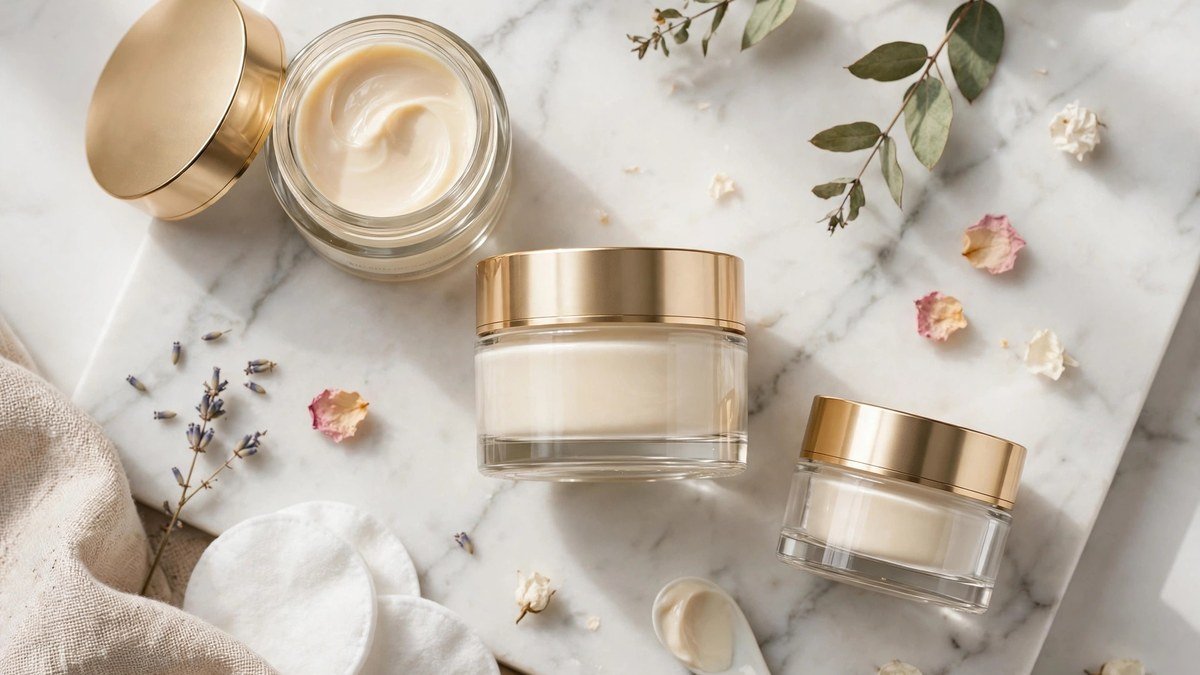

Night is when skin does its quiet repair work. While you sleep, the skin barrier rebuilds, moisture loss slows, and the ingredients you apply have hours of uninterrupted contact, without makeup, sun, or pollution getting in the way. A good night cream takes advantage of that window. It is usually richer than a day cream, it can carry stronger actives like retinol and peptides, and it seals in moisture while you sleep.
The problem is that night creams are easy to get wrong. A formula that is too rich can feel heavy, clog pores, or transfer onto the pillow, while one that is too light will not do enough for dry or mature skin. A cream that pairs retinol with fragrance, used on irritated skin, can leave you redder in the morning than the night before. The right choice depends on your skin type, your tolerance for actives, and how much richness your skin needs.
Below are nine night creams worth considering in 2027, from gentle, fragrance-free options for sensitive skin to richer creams for dry and mature skin, each described by what it is good at, what to watch for, and who it suits best.
Key takeaways
- A night cream works while you sleep, when the skin barrier rebuilds and active ingredients have hours of uninterrupted contact with the skin.
- Ceramides, peptides, hyaluronic acid and niacinamide are the most reliable night-cream ingredients, while retinol adds anti-ageing power but needs a slow start.
- Dry and mature skin usually need a richer cream, while oily and combination skin do better with a lighter gel-cream or retinol night moisturiser.
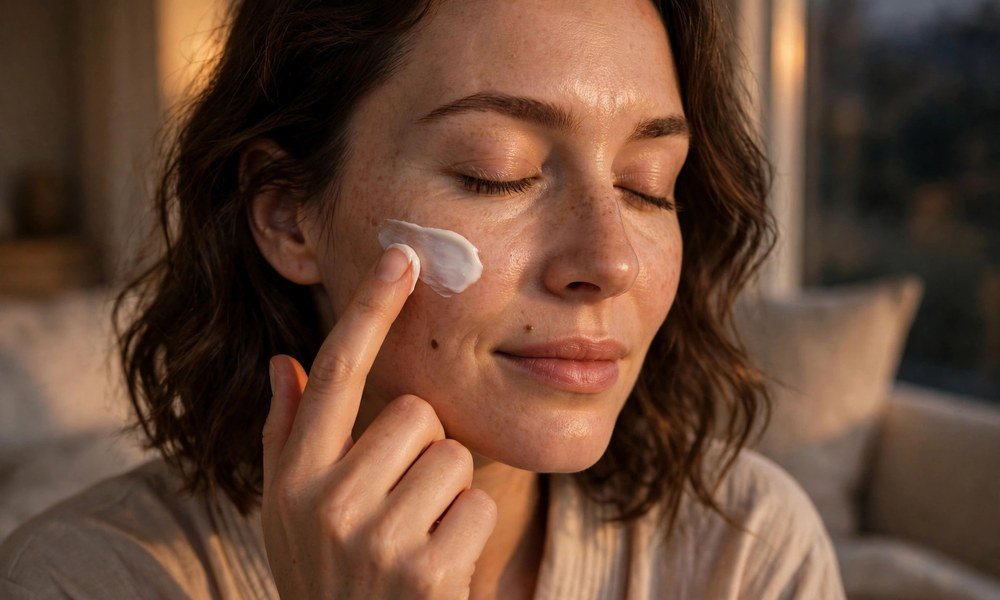
- Apply night cream as the last step of your evening routine, after serums, and give it a few minutes to absorb before your head touches the pillow.
- No night cream reverses ageing or repairs a damaged barrier overnight, and a cream that causes persistent redness, flaking or breakouts should be stopped, not pushed through.
What a night cream actually does for skin
A night cream is not simply a thicker day cream. During the day, skin defends itself against sun, pollution and makeup, and a day cream is built to protect, hydrate lightly, and sit well under sunscreen. At night, the job changes: the skin loses more water overnight than it does during the day, and the barrier works to repair itself. A night cream is designed for that repair window — richer in emollients that slow water loss, and often carrying ingredients impractical in daylight, such as retinol, which breaks down in sunlight.
That does not mean every night cream needs a strong active. For many people, the most valuable thing a night cream does is simple: it keeps skin hydrated through the night. Hyaluronic acid draws water into the skin, ceramides help rebuild the barrier, and a soft layer of shea butter or squalane locks that moisture in. Over weeks, well-hydrated skin looks plumper, dryness lines soften, and skin feels more comfortable in the morning — which is why a plain, well-formulated night cream often outperforms a dramatic one.
Stronger night creams add actives on top of that base. Retinol supports cell turnover and collagen, helping fine lines and uneven tone over months. Peptides support firmness, and niacinamide calms redness and supports the barrier. The catch is that stronger does not mean better for everyone: a retinol cream that suits resilient, oily skin can be far too much for sensitive skin, and a rich cream that comforts dry skin can overwhelm breakout-prone skin.
How we chose these night creams and what to look for
Look first at the texture and the richness. A gel-cream or light lotion suits oily and combination skin, and it is the safest starting point if you are prone to breakouts. A rich cream or balm suits dry and mature skin, especially in winter, when the skin barrier is under more strain. If a cream still feels greasy after ten minutes, it is probably too rich for you, whatever the label promises.
Look next at the active ingredients and their strength. A retinol night cream should say how much retinol it contains, or at least describe itself honestly as gentle or intensive. Peptides and niacinamide are gentler choices that suit most skin types, including sensitive skin. Fragrance is the ingredient to watch most carefully at night, because it sits on the skin for hours while you sleep. Our guide to the skin barrier explains why that comfort matters: a healthy barrier lets an active ingredient work without constant irritation.
Finally, look at the packaging. A jar is fine if you use clean hands and finish it within a few months, but a tube or pump keeps the formula fresher for longer. A night cream you enjoy using every evening is worth more than a stronger one you avoid because it feels sticky or smells too strong — comfort is what makes a routine last long enough to work.
The 9 best night creams of 2027
CeraVe Skin Renewing Night Cream
What we like: A fragrance-free, rich cream with ceramides, niacinamide, hyaluronic acid and a peptide complex, designed to restore the skin barrier overnight without irritation.
What to consider: It is a gentle, restorative cream rather than a strong anti-ageing treatment, so visible firming takes time. Key ingredients: Ceramides, niacinamide, hyaluronic acid, peptides. Skin type: Dry, normal, sensitive. Size: 48 g. Cruelty-free: No.
Reach for this when skin feels tight, reactive, or over-treated — calm, reliable, and easy to use every night.
Neutrogena Rapid Wrinkle Repair Retinol Pro+ Night Moisturizer
What we like: A retinol night cream with a gentle, time-released formula, plus hyaluronic acid and glucose complex to cushion the retinol, at a drugstore price.
What to consider: Retinol can still cause dryness or flaking in the first few weeks, so start two to three nights a week. Key ingredients: Retinol, hyaluronic acid, glucose complex. Skin type: Normal, combination, mature. Size: 48 g. Cruelty-free: No.
A sensible first retinol night cream — strong enough for visible results in two to three months, gentle enough to build up to nightly use.
Olay Regenerist Retinol 24 Night Moisturizer
What we like: A fragrance-free retinol night cream with niacinamide and peptides, designed for 24-hour hydration, with a smooth texture that absorbs well and layers easily.
What to consider: The retinol is gentle, so results are gradual, and very dry skin may want a richer cream on top in winter. Key ingredients: Retinol, niacinamide, peptides. Skin type: Normal, combination, mature. Size: 50 ml. Cruelty-free: No.
A good middle ground: a real retinol, buffered by niacinamide and peptides, and one of the easiest retinol night creams to live with.
La Roche-Posay Toleriane Dermallergo Night Cream
What we like: A fragrance-free, hypoallergenic night cream with niacinamide and neurosensine, made for very sensitive, reactive skin that flares easily at night.
What to consider: It is a calming, barrier-supporting cream, not an anti-ageing treatment, so it will not address fine lines on its own. Key ingredients: Niacinamide, neurosensine, shea butter. Skin type: Sensitive, very dry, reactive. Size: 40 ml. Cruelty-free: No.
If your skin stings or reacts to most creams, try this first — deliberately simple, it soothes and protects without asking sensitive skin to tolerate anything extra.
Kiehl’s Midnight Recovery Omega Rich Cloud Cream
What we like: A rich, whipped cloud cream with omega fatty acids, squalane and lavender oil, designed to leave skin soft, plump and rested by morning.
What to consider: It contains lavender oil, so very sensitive or fragrance-reactive skin should patch-test first, and it is rich enough to be too much for oily skin. Key ingredients: Omega fatty acids, squalane, lavender oil. Skin type: Dry, normal, mature. Size: 50 ml. Cruelty-free: No.
A comfort cream: light and whipped on application, rich and cushioning by morning, leaving skin noticeably softer and more rested.
Estée Lauder Revitalizing Supreme+ Night Intensive Restorative Crème
What we like: A luxurious, rich night cream with moringa extract, peptides and hyaluronic acid, designed to firm, smooth and deeply nourish mature skin overnight.
What to consider: Premium price, and a rich texture that suits dry and mature skin better than oily or breakout-prone skin. Key ingredients: Moringa extract, peptides, hyaluronic acid. Skin type: Dry, mature, normal. Size: 50 ml. Cruelty-free: No.
The most indulgent cream here, best for skin that feels thin, dry, or tired — richness and firming in one step for mature skin.
L’Oréal Paris Revitalift Triple Action Night Cream
What we like: An affordable night cream with pro-retinol, hyaluronic acid and vitamin C, aimed at firming, smoothing and brightening in one nightly step.
What to consider: The pro-retinol is gentler than pure retinol, so firming is gradual, and the fragrance may not suit very sensitive skin. Key ingredients: Pro-retinol, hyaluronic acid, vitamin C. Skin type: Normal, combination, mature. Size: 50 ml. Cruelty-free: No.
A practical, budget-friendly anti-ageing night cream that does a little of everything, gently enough for most skin to use every night.
Drunk Elephant Lala Retro Whipped Cream
What we like: A whipped, ceramide-rich cream with six African oils and plant-derived ceramides, fragrance-free, designed to rescue dry, stressed skin and reinforce the barrier.
What to consider: Very rich, so oily and combination skin may find it too heavy for nightly use, and it is premium-priced. Key ingredients: Ceramides, squalane, six African oils. Skin type: Dry, very dry, mature. Size: 50 ml. Cruelty-free: Yes.
When skin is dry, flaky, or recovering from too many actives, this brings it back — rich, but whipped, so a little goes a long way.
First Aid Beauty Ultra Repair Firming Collagen Cream
What we like: A fragrance-free, dermatologist-tested cream with collagen, peptides, niacinamide and colloidal oatmeal, designed to firm and hydrate while calming reactive skin.
What to consider: It is a firming moisturiser rather than a strong retinol treatment, so it will not deliver the same line-smoothing as a retinol cream. Key ingredients: Collagen, peptides, niacinamide, colloidal oatmeal. Skin type: Dry, sensitive, mature. Size: 50 ml. Cruelty-free: Yes.
A gentle firming cream that suits sensitive skin: oatmeal calms, peptides and collagen support firmness, and the fragrance-free formula can be used nightly.
Which night cream is right for your skin type
Dry skin usually needs the richest night cream you can tolerate. Look for ceramides, shea butter, squalane and hyaluronic acid, and do not be afraid of a cream that feels substantial. The goal is to wake up with skin that still feels moisturised, not tight by 3 a.m.
Oily and combination skin need the opposite approach. Choose a gel-cream or a light retinol night moisturiser, and avoid heavy oils and butters that can trap heat and congestion overnight. A retinol night cream is often the best choice here, because it addresses fine lines and uneven texture without adding richness. If your T-zone is oily but your cheeks are dry, apply the richer cream only where you need it. A dermatologist-approved routine by age is a useful frame here, because the right richness changes as skin changes.
Sensitive skin needs the simplest night cream on the list: fragrance-free, with ceramides and niacinamide, and no retinol until your barrier is calm. Introduce one active at a time, and give each new cream two weeks before judging it. Mature skin often benefits most from a night cream, because dryness, loss of firmness and dullness are exactly what a rich peptide or retinol cream helps with — but firming is slow, and no cream transforms skin overnight.
The caveats that matter
Night creams are well tolerated by most skin, but they are not risk-free. Retinol night creams can cause dryness, flaking and redness, especially in the first month, and they make skin more sensitive to sun the next day, which is why daily sunscreen is non-negotiable if you use one. Rich creams can trigger breakouts in oily or acne-prone skin, and fragranced creams can irritate sensitive skin over time. Start slowly, patch-test, and change one thing at a time.
| Detail | What is known |
|---|---|
| Best time to apply | Evening, as the last step of your routine, after serums |
| How long to see results | Hydration improves in days; firming and tone take 8 to 12 weeks |
| Who should start gently | Sensitive, reactive, or barrier-damaged skin; start every other night |
| What to avoid pairing at first | Retinol with a strong exfoliant on the same night |
| Storage | Cool place, lid closed, away from heat; use within 3 to 6 months of opening |
| When to stop using it | If redness, burning, or breakouts persist beyond two weeks |
| What it does not do | It does not reverse ageing, erase deep lines, or replace sunscreen |
| Retinol and sun | Retinol night creams make skin more sun-sensitive; use SPF every morning |
If you are pregnant, breastfeeding, or using prescription skincare, check with your clinician or dermatologist before adding a retinol night cream. Prescription treatments change what your skin can tolerate, and a simple check avoids weeks of irritation. The same applies with eczema, rosacea, or a skin condition that flares easily: a gentle, fragrance-free cream is the safer start.
Checklist: choosing a night cream honestly
Use these checks before you buy, and again after two weeks.
- Check the texture: a gel-cream for oily skin, a rich cream for dry or mature skin, and nothing greasy after ten minutes.
- Check the actives: retinol for firming, peptides and niacinamide for gentle support, ceramides for barrier repair.
- Check for fragrance: fragrance-free is safer, especially if your skin is sensitive or reactive.
- Patch-test first: apply to your jawline or inner arm for two to three days before full-face use.
- Start slowly with retinol: two to three nights a week for a month, then build up to nightly use.
- Protect the result: use sunscreen every morning, because sun undoes overnight repair faster than any cream can build it.
Frequently asked questions
Do I really need a separate night cream?
Not always. If your day cream is rich enough and your skin is comfortable overnight, you may not need one. A night cream earns its place when skin feels tight by morning, or when you want to use retinol.
Can I use a night cream during the day?
You can, but it is usually too rich under makeup and sunscreen, and a retinol night cream should never be used in daylight. Choose a lighter moisturiser and a separate retinol product at night instead.
Can I use a retinol night cream every night?
Most people need to build up to it. Start two to three nights a week for a month, then increase if your skin stays calm. If you get flaking or redness, drop back to fewer nights and add a gentle, fragrance-free moisturiser on the nights you skip.
Should I apply night cream to my neck too?
Yes. The neck shows dryness and ageing just as the face does. Smooth a small amount over the neck and jawline with upward strokes, and keep retinol away from the throat if it is sensitive.
Why is my skin breaking out after starting a night cream?
The cream is probably too rich, especially if it contains heavy oils or butters. Stop for a week, then switch to a lighter gel-cream. Our 2027 skincare routine by age can help you match richness to your skin.
How much night cream should I use?
A pea-sized amount for the face, and a little more for the neck. Using more does not make it work faster — it makes it more likely to feel heavy or irritate your skin.
The bottom line
The best night cream in 2027 is not the richest or the most expensive. It is the one that suits your skin type, that you will use every evening, and that leaves your skin comfortable by morning. For dry and mature skin, a rich ceramide or peptide cream is a strong choice. For oily skin, a light retinol night moisturiser is usually smarter. For sensitive skin, a fragrance-free, calming cream is the right start.
Choose one cream, use it consistently for eight to twelve weeks, protect it with sunscreen every morning, and judge it on how your skin looks and feels when you wake up. That is the honest way to get the benefit a night cream is known for, without the irritation that makes people give up on it.