
Deauville France Travel Guide 2027
Deauville is the French seaside town that never quite decided whether it wanted to be a resort, a film set or a racing town, and in the end it became all three. A little over two hours from Paris, on the Normandy coast, it has the wide sandy beach, the striped parasols and the grand hotels of a classic resort, plus a casino, a racecourse and a film festival that bring a very different kind of glamour to the same small town.
What makes Deauville worth a trip in 2027 is that it is compact, walkable and unhurried, while still feeling properly luxurious. You can spend a morning on the beach, an afternoon in the casino or the shops, and an evening in a seafood restaurant, all without ever getting in a car.
This guide covers the nine places and experiences that make Deauville what it is, from the famous boardwalk to the racecourse, the hotels and the dining, with what each one is best for, what to expect on price, and the one thing that makes it stand out.
Key takeaways
- Deauville is a compact, walkable resort town two hours from Paris, with a wide beach, a casino, a racecourse and grand hotels.
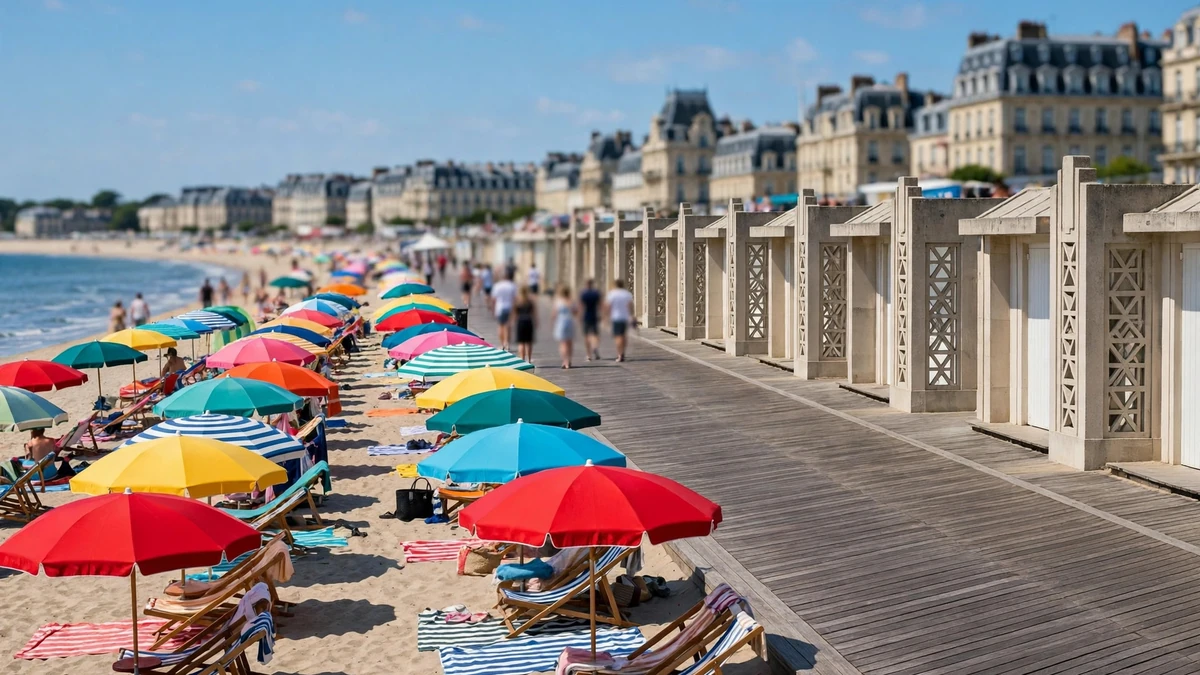
- Les Planches, the wooden boardwalk, is the heart of the town, and the beach cabins and striped parasols are its most famous sight.
- The best time to visit is late spring or early autumn, when the weather is kind and the town is busy without being crowded.
- Seafood is the food to eat here, and the restaurants around the port and the market are better value than the hotel dining rooms.
- Deauville is not cheap, and the grand hotels and the casino are full price, so budget for the experience rather than expecting bargains.
What Deauville actually is
Deauville was built as a resort in the nineteenth century, when the railway brought Parisians to the Normandy coast for the summer, and it has kept that role ever since. The town was laid out deliberately, with wide streets, grand hotels and a long beach, and much of that original plan is still visible today, from the half-timbered villas to the casino on the seafront.
The town has three overlapping identities. It is a beach resort, a racing town with two racecourses, and a film town, home to the Deauville American Film Festival, which brings stars and premieres to a town that is otherwise quiet and residential.
That combination gives Deauville a particular atmosphere. It is elegant without being stiff, and it is small enough that the glamour feels accessible rather than distant.
How we chose these stops and what to look for
We chose the places that define Deauville, the ones a first-time visitor should see, and the ones that reward a second visit, from the boardwalk and the beach to the racecourse, the hotels and the food. A good Deauville stop is one that shows you a different side of the town, and that you would remember after you leave.
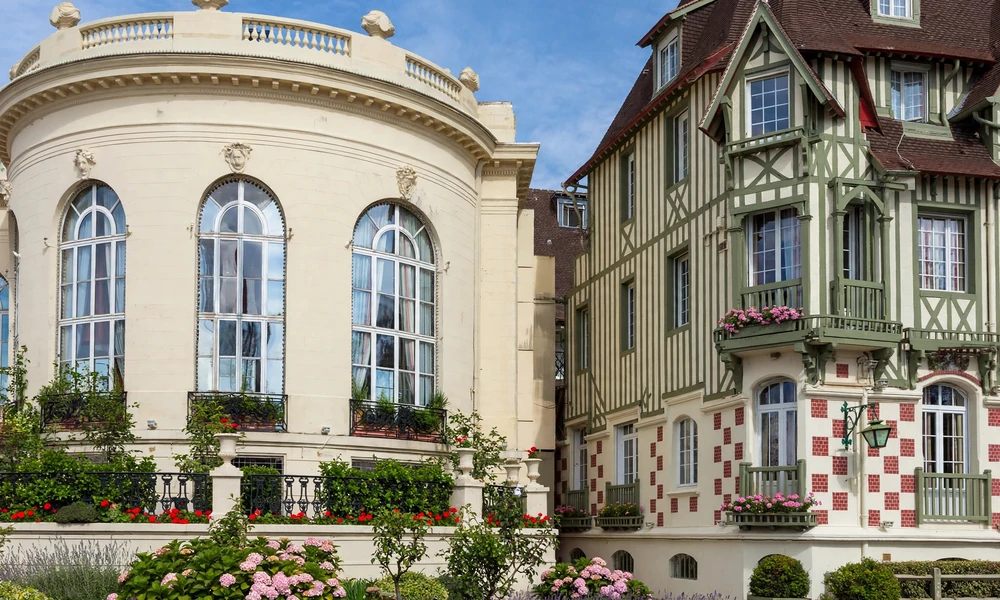
Look first at the setting. Deauville is at its best outdoors, on the boardwalk, on the beach, or on a terrace with a view of the sea, and the town rewards walking rather than driving. If you spend your whole visit indoors, you will miss what makes it special, so plan your days around the light and the weather, not around a schedule.
Look next at value. Deauville is not a cheap town, and the grand hotels and the casino are full price, but the market, the port restaurants and the beach itself are good value, and the best experiences in town are often the simplest ones. Our guide to the best luxury hotels in Paris makes a similar point about choosing one grand experience and balancing it with simpler ones, and that approach works well in Deauville too.
The 9 best Deauville experiences of 2027
Les Planches, the boardwalk
What we like: The wooden boardwalk that runs the length of the beach, lined with beach cabins named after film stars, and the single best walk in town at any time of day. What to consider: It can be windy, and the beach is tidal, so check the tide times before you plan a long walk. Location: The seafront, full length of the beach. Best for: Walking, people-watching and photographs. Price range: Free. Standout feature: The star-named beach cabins.
Les Planches is Deauville. Built in the 1920s, the boardwalk is lined with small wooden cabins, each named after an actor or director who has visited the film festival, and walking its length is the essential Deauville experience.
Deauville beach
What we like: A wide, sandy beach with striped parasols, a gentle slope into the sea, and plenty of space even in high summer. What to consider: The water is cold, even in August, and the tide goes out a long way, so the sea can feel very far away at low tide. Location: The seafront, below the boardwalk. Best for: Sunbathing, swimming and family days. Price range: Free, with parasols and cabins to hire. Standout feature: The striped parasols and the wide, flat sand.
The beach is the reason Deauville exists, and it does not disappoint. The sand is fine and pale, the beach is wide enough that it never feels crowded, and the striped parasols give it a colour and character that few other French beaches match.
Casino Barrière
What we like: A grand, belle époque casino on the seafront, with gaming rooms, a bar and a restaurant, and a history that goes back to the town’s founding. What to consider: You need ID to enter the gaming rooms, and the dress code is smart, so dress accordingly. Location: The seafront, next to the Hôtel Barrière Le Royal. Best for: An evening out and a taste of old Deauville. Price range: High. Standout feature: The belle époque gaming rooms.
The casino is the most glamorous building in Deauville, and it is worth visiting even if you do not gamble. The rooms are grand, the bar is a good place for a drink, and the whole building feels like a film set from a more elegant era.
Hôtel Barrière Le Normandy
What we like: The iconic half-timbered hotel at the heart of Deauville, with a grand lobby, a garden, a spa and a location a short walk from the beach. What to consider: It is expensive, and it books up early for the film festival and the summer racing season. Location: The town centre, a short walk from the beach. Best for: A grand stay and the classic Deauville experience. Price range: Very high. Standout feature: The half-timbered facade and the garden.
Le Normandy is the hotel that defines Deauville. Built in 1912, it is a grand, half-timbered building with a garden, a spa and a bar that has hosted film stars for decades.
The town centre and Rue Désiré le Hoc
What we like: The main shopping street, with boutiques, jewellers, galleries and cafés, and a lively, local feel that is easy to miss if you stay on the seafront. What to consider: The shops are mostly high-end, and the street is short, so allow an hour rather than a day. Location: The town centre, behind the seafront. Best for: Shopping, cafés and galleries. Price range: Mid to high. Standout feature: The best boutiques in town.
Rue Désiré le Hoc is where Deauville shops. The street holds the town’s best boutiques, from fashion and jewellery to homeware and art, and it is a pleasant, easy walk from the beach. Come here for a morning browse, then take a long lunch in one of the cafés, and you will have seen the town at its most local.
Deauville-La Touques racecourse
What we like: One of the finest racecourses in France, with a beautiful grandstand, a summer meeting that draws crowds, and a picnic atmosphere that is welcoming even if you know nothing about racing. What to consider: The main meeting is in August, so check the calendar before you go, and dress smartly. Location: Deauville-La Touques, on the edge of town. Best for: A summer afternoon and the racing atmosphere. Price range: Low to mid for entry. Standout feature: The grandstand and the summer meeting.
The racecourse is Deauville’s other great tradition, and a day at the races is one of the best ways to spend a summer afternoon in Normandy. The grandstand is beautiful, the atmosphere is relaxed, and you do not need to know anything about horses to enjoy it.
Dining, seafood and Norman cuisine
What we like: Oysters, mussels, sole and the great Norman classics, served in restaurants around the port and the market that are better value than the hotel dining rooms. What to consider: The best restaurants book up, especially at weekends, so reserve ahead. Location: Around the port and the market square. Best for: Seafood and a long dinner. Price range: Mid to high. Standout feature: Oysters and sole from the Normandy coast.
Deauville is a seafood town, and the food is one of the main reasons to visit. The restaurants around the port serve oysters, mussels and sole that were caught that morning, and the market square has some of the best-value dining in town.
Day trip to Honfleur
What we like: A fifteen-minute drive to one of the prettiest harbours in France, with galleries, cafés and a history that draws artists and painters. What to consider: Honfleur is popular, so go early in the morning or late in the afternoon to avoid the crowds. Location: Honfleur, 15 minutes east of Deauville. Best for: A half-day trip and the harbour. Price range: Low to mid. Standout feature: The old harbour and the galleries.
Honfleur is the easiest and best day trip from Deauville, and it is worth half a day. The old harbour is one of the most painted scenes in France, the galleries are excellent, and the town has a quieter, more artistic feel than Deauville.
When to go and what to pack
What we like: Late spring and early autumn, when the weather is kind, the town is busy without being crowded, and the light on the beach is at its best. What to consider: Normandy weather changes quickly, so pack layers and a waterproof jacket, whatever the forecast says. Location: Your suitcase. Best for: A long weekend from Paris. Price range: Mid. Standout feature: The light on the beach in late spring.
Pack a light jacket, a smart outfit for the casino or a good dinner, comfortable shoes for the boardwalk, and a waterproof layer, because the Normandy coast can turn quickly. The best time to visit is May, June or September, when the town is at its best, as our Bordighera travel guide also finds.
Which Deauville experience is right for you
If you want the classic resort, spend your days on the beach and the boardwalk, and your evenings in the casino and the seafood restaurants. If you want culture, time your visit for the film festival or a day at the races, and add a morning in Honfleur. If you want a quiet weekend, come in late spring or early autumn, stay in a smaller hotel, and let the town set the pace.
Budget matters here too. The grand hotels and the casino are full price, and they are worth it once, but the beach, the boardwalk and the market are free or cheap, and they are the experiences you will remember. A sensible plan is to choose one grand experience, a night at Le Normandy or an evening at the casino, and balance it with the simple pleasures that cost nothing.
Time of year matters as well. August is the busiest month, with the racing meeting and the film festival season approaching, while May, June and September are quieter and often sunnier. Timing turns a good trip into a great one, as our best honeymoon destinations guide also notes.
The caveats that matter
Deauville is a wonderful town, but it has a few practical traps. The first is price: the grand hotels, the casino and the seafront restaurants are expensive, and the town does not apologise for it. The second is the weather: Normandy can be grey and windy even in summer, so pack for change. The third is the calendar: the film festival and the racing meeting fill the hotels months ahead, so book early if your dates are fixed.
| Detail | What is known |
|---|---|
| Best for the beach | The wide sandy beach and Les Planches, free to walk and enjoy |
| Best for glamour | The Casino Barrière and Hôtel Barrière Le Normandy |
| Best for food | Seafood around the port and the market, better value than hotel dining |
| Best time to visit | Late spring or early autumn, kind weather and fewer crowds |
| Weather warning | Normandy weather changes quickly, so pack layers and a waterproof |
| Getting there | About two hours from Paris by train or car, and walkable on arrival |
| Booking warning | Hotels fill months ahead for the film festival and the August racing |
| What to skip | Overpriced seafront menus and the busiest August weekends |
The train from Paris takes about two hours, and the station is a short walk from the town centre, so you do not need a car.
Checklist: visiting Deauville well
Use these checks before you go, and again when you arrive.
- Book early. Hotels fill months ahead for the film festival and the August racing meeting.
- Pack layers and a waterproof jacket. Normandy weather changes quickly, even in summer.
- Reserve restaurants ahead, especially at weekends, when the best tables go first.
- Walk the boardwalk early. The light is best in the morning, and the beach is empty.
- Budget for one grand experience, and balance it with the free pleasures of the beach and the town.
- Check the tide times. The beach is tidal, and the sea can feel very far away at low tide.
Frequently asked questions
How do I get to Deauville from Paris?
By train in about two hours from Paris Saint-Lazare to Trouville-Deauville station, which is a short walk from the town centre, or by car in a similar time. You do not need a car once you arrive, because the town is small and walkable.
When is the best time to visit Deauville?
Late spring and early autumn, in May, June or September, when the weather is kind, the town is busy without being crowded, and the light on the beach is at its best. August is the busiest month, with the racing meeting and the approach of the film festival.
Is Deauville expensive?
It can be. The grand hotels, the casino and the seafront restaurants are full price, but the beach, the boardwalk, the market and the port restaurants are good value, and the best experiences in town are often the simplest ones.
What is Les Planches?
Les Planches is the wooden boardwalk that runs the length of Deauville beach, lined with small beach cabins named after film stars who have visited the Deauville American Film Festival. Walking it is the essential Deauville experience, best early in the morning or at sunset.
Can I swim at Deauville beach?
Yes, the beach is wide and sandy with a gentle slope, but the water is cold even in August, and the tide goes out a long way. Swim at high tide, and expect the water to be bracing rather than warm.
Is Deauville worth a day trip from Paris?
It is possible, but a long weekend is better. The train takes about two hours each way, and the town rewards a slow pace, an evening on the boardwalk and a long seafood dinner, which a single day does not allow.
The bottom line
Deauville is a small town that does a few things very well: a wide beach, a beautiful boardwalk, grand hotels, good seafood and a sense of old-fashioned elegance that has survived a century of change. It is not cheap, and it is not a place for rushing, but if you come with time, a light jacket and an appetite for oysters, it will reward you.
Book early, pack layers, walk the boardwalk in the morning, and save your grandest evening for the casino or a long dinner by the port. That is the honest way to see Deauville.