A weekend trip should feel light. You leave on a Friday evening or a Saturday morning, come home on a Sunday, and in between you want to enjoy where you are, not wrestle with a bag that is too big or too heavy. Many travellers pack a full-size suitcase for two nights, or squeeze everything into a day bag that will not close. The right weekend bag sits in the middle: it holds enough for two or three days, fits in a car boot or an overhead locker, and is easy to carry to the hotel room.
The best weekend bags are defined by size, shape, weight, and how easy they are to pack. A good bag opens wide, so you can see everything inside without digging. It has a pocket for the things you need quickly, such as a passport and a phone charger. It should suit how you travel: a duffel for a car trip, a wheeled cabin bag for a flight, and a backpack for walking between a station and a hotel.
This guide explains how to choose a weekend bag, what size you need, which materials last longest, and what to pack so two or three days fit in one bag. It covers the main types of bag, the cabin rules that matter when you fly, and the small mistakes that turn a short break into a packing struggle. Whether you are planning a city break, a countryside escape, or a beach weekend, the aim is the same: one bag, packed well and carried easily.
Key takeaways
- For most two to three-night trips, 30 to 40 litres is the sweet spot; 20 to 30 litres is enough for a light summer weekend.
- Packed dimensions matter more than the litre rating, because airlines measure the outside of the bag, including handles and wheels.
- A duffel suits car and train travel, a wheeled cabin bag suits flying, and a backpack suits trips with a lot of walking.
- Look for a wide opening, a pocket for valuables, strong zips, and a comfortable handle or shoulder strap.
- Pack two or three outfits, sleepwear, toiletries, and chargers, and wear the bulkiest shoes and jacket while travelling.
What size weekend bag do you actually need?
A weekend is two or three nights: two or three outfits, sleepwear, underwear, socks, a toiletry pouch, and a charger. That fits in 30 to 40 litres for most travellers. Light packers heading somewhere warm can manage in 20 to 30 litres, while cold weather or camera gear may need 40 to 50 litres, because bulky layers take up far more room than summer clothes.
Count nights rather than days. A Friday evening to Sunday afternoon trip is only two nights: two outfits, sleepwear, and a spare top. A three-night trip adds one more outfit. Litres alone do not tell the whole story, because two bags with the same capacity can have very different shapes. External dimensions are what airlines and car boots deal with. A commonly cited carry-on reference is around 22 by 14 by 9 inches, or 56 by 36 by 23 centimetres, but that is a starting point, not a rule. Check your airline’s baggage page before you travel, and remember that a soft duffel is usually lighter than a hard-shell case of the same size.
The main types of weekend bag
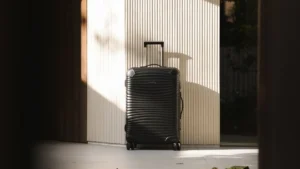
The classic weekend duffel is a soft, rectangular bag with a large main compartment and a shoulder strap. Its soft sides squeeze into a car boot or a train rack, and its wide opening makes packing simple. Look for a separate shoe pocket or a waterproof pouch, so shoes or damp swimwear do not touch your clothes. A wheeled cabin bag is best for flying: it rolls through the airport and keeps clothes flatter, though its shell, wheels, and handle add weight.
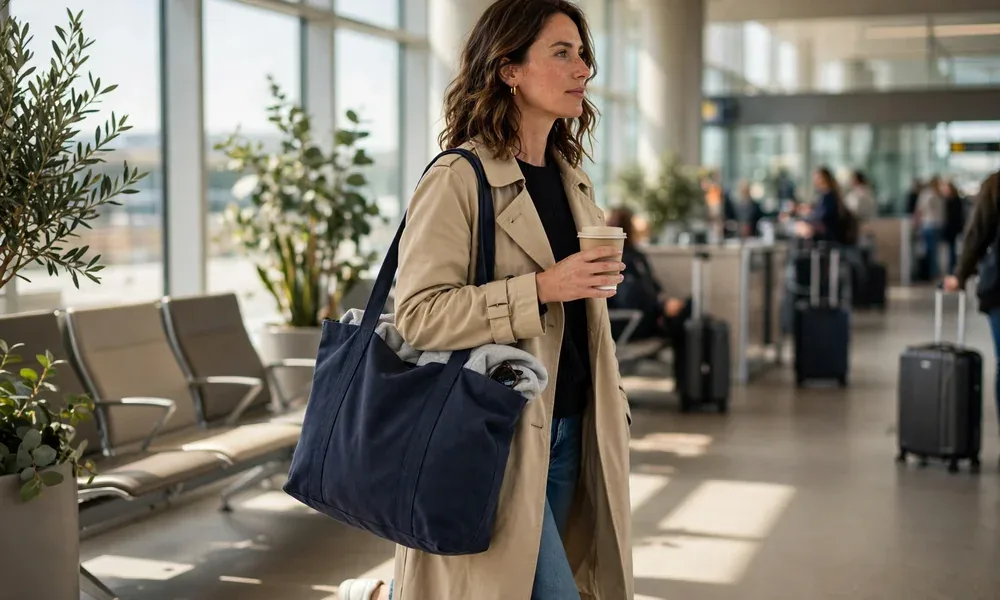
A travel backpack keeps both hands free and fits under a seat or in an overhead locker. A clamshell opening lets it lie flat like a suitcase, so you can pack without emptying it. The sweet spot is often 28 to 40 litres, covering three days of clothing, a toiletry kit, a laptop, and an extra pair of shoes. Look for padded straps, a chest strap, and a laptop sleeve. A large tote suits a short, stylish trip, though a heavy tote can ache, so choose one with a zip top and a long strap.
Materials that hold up on short trips
Material affects how long a bag lasts, how much it weighs, and how it handles rain and knocks. Full-grain leather looks better with age and suits a smart city break, but it is heavier than fabric and needs care. The best versatile bags for everyday and travel use show how a well-chosen leather style can work beyond the weekend too. Canvas is lighter and more casual, and waxed canvas resists light rain. Ballistic nylon is light, strong, and easy to wipe clean.
Check the details that fail first. Zips should run smoothly when the bag is full. Stitching should be tight at the handles and strap attachments. A shoulder strap should be wide enough not to dig in and adjustable enough to wear over a coat.
How to choose the right bag for your trip
Start with how you are travelling. If you are driving, a soft duffel is hard to beat, because it moulds to the boot. If you are flying, check the cabin rules first and choose a bag that fits them when packed, not just when empty. If you are taking a train, think about lifting the bag onto a rack, which favours a backpack or a light duffel. If you are walking a lot, a backpack or a comfortable shoulder strap will be far more pleasant than a bag carried in one hand.
Next, think about what you are doing when you arrive. A beach weekend needs room for swimwear and a waterproof pocket for damp clothes. A city break needs a secure pocket for a wallet and phone. A trip mixing work and leisure needs a padded laptop sleeve. For warm-weather escapes, the best summer designer bags offer ideas on light, elegant styles that still carry a weekend load. Try the bag first: pack it with real clothes and check that it feels balanced.
What to pack for two or three days
Use a simple formula: three tops, two bottoms, and one outer layer, plus three sets of underwear, three pairs of socks, sleepwear, and the toiletries and chargers you need. Wear the bulkiest shoes and the heaviest jacket while travelling, and pack one extra pair of shoes only if you genuinely need them. Roll soft clothes to save space and reduce creasing, and use small pouches to keep underwear, chargers, and toiletries separate.
Toiletries should be travel-sized when flying, in a clear, sealable pouch that is easy to reach at security. Keep medicines, a charger, and valuables in a pocket you can reach without opening the main compartment.
Cabin rules and travelling light by air
Airlines measure the packed bag, including wheels, handles, and outside pockets, and may ask you to place it in a sizing frame at the gate. A soft bag can sometimes be squeezed in, while a hard case either fits or it does not, so check the dimensions and pack the bag before you trust it. Expansion zips help on the return journey, but an expanded bag may no longer fit. Weight limits vary by airline, so weigh the packed bag at home. Keep liquids in containers of 100 millilitres or less in a single clear bag, near the top. A bag that fits the cabin means you can leave the airport as soon as you land, and the same planning helps with longer celebrations, such as the best honeymoon destinations.
| Bag type | Typical size | Best for | Main trade-off |
|---|---|---|---|
| Classic duffel | 30 to 45 litres | Car and train trips | Heavy on one shoulder |
| Wheeled cabin bag | 30 to 40 litres | Flying and airports | Shell and wheels add weight |
| Travel backpack | 28 to 40 litres | Walking and public transport | Less structure than a case |
| Weekender tote | 25 to 40 litres | Stylish short breaks | Open top can be less secure |
| Rolling case plus tote | 35 to 50 litres combined | Work and leisure trips | Two bags to manage |
| Underseat bag | 20 to 30 litres | Overnight trips | Limited room for shoes |
| Large duffel | 45 to 60 litres | Winter weekends | May exceed cabin limits |
| Garment-friendly weekender | 35 to 45 litres | Smart city breaks | Heavier and more structured |
Mistakes that make a weekend bag feel too small
The most common mistake is packing too many shoes. Shoes are bulky and heavy, so wear one pair and pack one extra pair at most, choosing shoes that work for more than one occasion. The second mistake is packing for the weather you fear: check the forecast and pack one layer for cooler evenings, not three coats. The third is filling every pocket just because the space is there, so leave a little space at the top and pack a folded tote for the journey home.
Your weekend bag checklist
- Check the bag fits your airline, train, or car, including wheels, handles, and pockets.
- Pack three tops, two bottoms, one outer layer, sleepwear, underwear, socks, and toiletries.
- Wear the bulkiest shoes and jacket, and pack at most one extra pair of shoes.
- Keep passport, phone, charger, medicines, and valuables in a pocket you can reach quickly.
- Use packing cubes or small pouches to keep clothes, chargers, and toiletries separate.
- Leave space at the top for souvenirs, and pack a folded spare tote for the journey home.
Frequently asked questions
What size bag do I need for a weekend trip?
For most two to three-night trips, 30 to 40 litres is enough for clothing, toiletries, chargers, and one extra pair of shoes. Light packers in warm weather can manage in 20 to 30 litres, while cold weather or extra gear may need 40 to 50 litres. Check external dimensions as well as litres, because airlines measure the packed bag.
Can a weekend bag be used as a carry-on?
Yes, if the packed bag fits the airline’s cabin limits for size and weight. A commonly cited reference is around 22 by 14 by 9 inches, but limits vary, so check the baggage page for your flight. Soft bags can sometimes be compressed into a sizing frame, while hard cases either fit or they do not.
Is a duffel or a wheeled bag better for a weekend?
A duffel is better for car and train trips, because it is light and flexible. A wheeled bag is better for flying, because it rolls through the airport. A backpack is better if you will be walking a lot.
How many outfits should I pack for two or three days?
Pack two or three daytime outfits, sleepwear, and enough underwear and socks for each day, plus one spare top. Wear the bulkiest outfit while travelling, and choose clothes that can be mixed and matched.
What material is best for a weekend bag?
Leather looks smart and ages well but is heavier and needs care. Canvas is light and casual. Ballistic nylon is light, strong, and easy to clean. Hard shells protect fragile items. Choose the material that fits how often you travel.
How do I keep a weekend bag organised?
Use packing cubes for clothes, toiletries, and chargers, and keep valuables in a pocket you can reach without opening the main compartment. Roll soft clothes and pack what you will need first near the top.
The bottom line
The best weekend bag is the one that fits your trip, your transport, and your packing style. A bag of 30 to 40 litres, with a wide opening, strong zips, and a comfortable handle or strap, will cover most two and three-night trips. Choose a duffel for the car, a wheeled cabin bag for a flight, or a backpack for a walking weekend, and check the size and weight limits before you travel.
Pack light, pack in layers, and leave a little room for the journey home. When the bag is the right size, the weekend feels easier from the moment you leave the house: you move faster, you worry less, and you have more time to enjoy the place you came to see.
Note: Cabin size and weight limits vary by airline, route, and ticket type, so always check the baggage rules for your specific flight before you travel.