There is a particular confidence in a woman who wears one thin gold chain and nothing else. No layered statement necklace, no stack of bangles, no earrings competing for attention. Just a fine chain, a small pendant, and the quiet suggestion that she did not need anything more. It is not an accident. It is a choice — one of the smartest in fashion.
Minimalist jewellery has been called a trend, a backlash, a phase and a classic. The truth is simpler: it works because it solves real problems. It goes with everything, it never dates the way a bold seasonal piece does, it is comfortable enough to forget, and it lets the wearer — not the jewellery — be what people notice. A loud piece announces itself. A minimal piece announces you.
This is an opinion piece, and it comes with an honest admission: we love a dramatic earring as much as anyone. But after years of watching jewellery trends arrive loudly and leave quietly, we believe minimalism is not the safe or boring option. It is the option that survives. Here is why less works, where it falls short, and how to wear it in 2027.
Key takeaways
- Minimalist jewellery works because it is versatile, comfortable and hard to date — one fine chain or pair of small hoops suits more outfits than any statement piece.
- Its strength is proportion: small pieces frame the face and the outfit instead of competing with them, so the wearer stays the focus.
- The 2027 version is quiet but not invisible — fine layered chains, small hoops, simple lab-grown diamonds and mixed metals, worn daily rather than saved for occasions.
- Quality matters more when there is less to hide behind: solid gold, secure clasps and good finishing decide whether a minimal piece lasts.
- Caveat: this is our editorial opinion, not a sales report — minimalism is a preference, not a rule, and bold jewellery has pleasures minimal pieces cannot replace.
What minimalist jewellery actually is
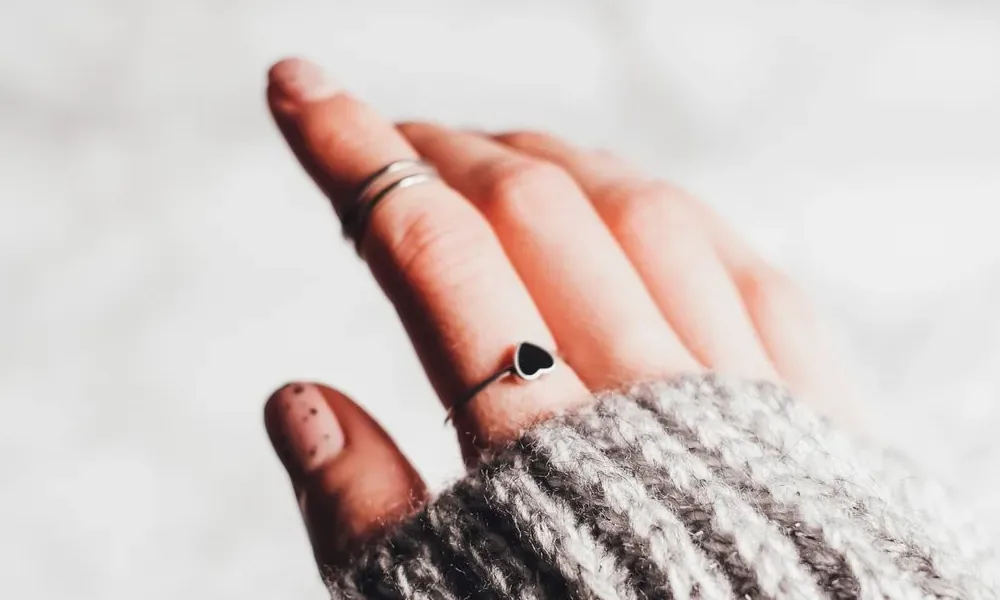
Minimalist jewellery is often described by what it is not: not big, not flashy, not covered in stones. That makes it sound like an absence. It is better understood as jewellery designed around restraint — clean lines, small scale, honest materials, one idea per piece. A thin chain with a single pendant. A pair of small gold hoops. A plain band, worn alone.
Two very different things share the name. There is the cheap version: thin, flimsy pieces in plated brass that tarnish in a month, sold as minimal because there was nothing much there to begin with. And there is the real version: carefully made pieces in solid gold, vermeil or sterling silver, where simplicity is the result of good design. Real minimal jewellery has weight, clean edges and a clasp that closes with a click. The cheap version feels like a placeholder.
Scale is the other defining feature. Minimal pieces sit close to the body — a 16-inch chain rather than a 24-inch one, a stud rather than a drop. That closeness is the whole point. Jewellery worn near the skin reads as part of the wearer, not decoration applied on top.
Why it works: the case for less
The first reason minimal jewellery works is the most practical: it goes with everything. A fine gold chain works with a white shirt, a black dress, a knit jumper and a swimsuit. It does not clash with a pattern, fight with a neckline, or demand the rest of the outfit step aside. The alternative — a box of pieces that only work with one outfit each — is expensive, and most of them spend their lives unworn.
The second reason is comfort. Heavy earrings pull at the earlobe. Chunky necklaces snag on scarves and seatbelts. Big rings catch on pockets. Minimal pieces, worn close and light, disappear on the body. You put them on in the morning and forget them until evening. The pieces people actually wear every day are almost always the smallest ones they own.
The third reason is longevity of the look. A bold piece dates quickly, because its appeal is tied to a moment. A small gold hoop looked right in 1995, in 2015, and it looks right now. That is why minimal jewellery is the easiest kind to justify spending more on: the cost per wear falls every year you keep wearing it.
There is also a quieter reason. A large necklace frames the necklace. A fine chain frames the face. When the jewellery steps back, people notice the person. Jewellery is an accessory, which literally means something that accompanies, not something that leads. Minimal pieces remember that — and they make getting dressed easier, because a small collection of pieces that all work together means you can dress in minutes and still look considered.
The 2027 version: quiet, but not invisible
Minimalism has one weakness: it can tip into invisibility, pieces so small and safe they add nothing. The 2027 version avoids that trap. The pieces are still small, but they have more personality: an unusual link, a tiny coloured stone, a pendant with meaning. The point is not to be noticed for the jewellery, but for the judgement behind it.
The clearest 2027 direction is layering at fine scale: two or three thin chains at 16, 18 and 20 inches, worn together as one arrangement. The lengths matter — chains too close together tangle, while staggered lengths make a clean cascade. A single tiny diamond bezel on the longest chain is often the only stone in the arrangement. If you are building a daily set, our guide to gold jewellery for everyday wear is a useful starting point for pieces that survive constant use.
Earrings have followed the same path. The small hoop and the huggie — a tiny hoop that hugs the lobe — are now worn in multiples: a stud, a huggie and a second small hoop spread across one ear, the so-called curated ear. It sounds fussy, but it reads as one small cluster of gold. Diamond studs have gone the same way: simple bezel or solitaire settings, often lab-grown, worn daily. Our roundup of the best diamond earrings covers the simple settings that suit everyday wear.
Yellow gold still leads for everyday fine jewellery, and its warmth suits most skin tones. But the rule against mixing metals is gone: a silver chain above a gold one is now normal, and the contrast often stops a minimal look feeling flat. Two newer ideas share the same instinct — permanent jewellery, a fine gold chain welded closed with no clasp, and modular jewellery, a plain chain with pendants you slide on and off. Both mean fewer pieces, worn harder, for the long term.
The caveats that matter
Minimalism is not a free pass. A thin chain in a poor alloy will snap at the clasp, and gold plating over brass wears through where the piece touches skin, usually within months of daily wear. Tiny stones set badly will fall out, and a minimal setting gives a loose stone nowhere to hide. You pay for the making, not for the size.
There are also occasions where minimal is the wrong tool. A black-tie evening or a wedding calls for drama, and a single fine chain can look underdressed. This is where the contrast helps: a statement necklace kept for those few occasions is the exception that makes the everyday rule work. The mistake is wearing the dramatic piece daily, not owning one.
| Detail | What is known |
|---|---|
| Best daily metal | 14k solid gold is the usual recommendation for daily wear: hard-wearing, slow to tarnish, and repairable by any jeweller. |
| Gold plating | Plated pieces cost far less but the finish wears through with daily use, usually first at clasps and touch points; vermeil (thick plating over silver) lasts longer. |
| Chain lengths for layering | 16, 18 and 20 inches is the standard stagger for fine chains; two inches of difference keeps them from tangling. |
| Earrings for everyday | Small hoops, huggies and bezel studs stay comfortable for long days; heavy drops pull the lobe and suit short occasions only. |
| Mixed metals | Gold and silver worn together is now standard; keep the finishes similar (both polished, for example) so the mix looks deliberate. |
| Lab-grown diamonds | Identical in hardness and sparkle to mined diamonds, usually set simply in bezels and solitaires for everyday minimal pieces. |
| Who should be cautious | Nickel-sensitive wearers should check alloys and clasps; very fine chains can snap if caught, so remove them for sport and heavy work. |
| Care basics | Store pieces separately so fine chains do not tangle, wipe after wear, and have clasps and settings checked once a year. |
Your minimalist checklist
- Start with three pieces only: one fine chain, one pair of small hoops or studs, and one plain ring — add more only when you know what is missing.
- Check the clasp before you buy: it should close firmly and feel solid, because the clasp is where cheap minimal pieces fail first.
- Buy 14k solid gold for anything you will wear daily; save plated pieces for occasional wear, and expect the finish to fade.
- Layer at staggered lengths — 16, 18 and 20 inches — and keep at most one pendant or stone in the whole arrangement.
- Try pieces on with your actual wardrobe: a chain that looks perfect alone can disappear under a crew neck or fight with a collar.
- Keep one bold piece for occasions, and let the minimal pieces do the everyday work — the contrast makes both look intentional.
Frequently asked questions
Is minimalist jewellery still in style in 2027?
Yes. The 2027 direction is small pieces worn daily — fine layered chains, small hoops, simple lab-grown diamonds and personal charms. Minimalism is no longer the only fashionable option, but it is the default for everyday dressing.
Does minimalist jewellery suit everyone?
Mostly, yes. The adjustment is in metal and scale: warm yellow gold flatters most skin tones, while very fine chains can look lost on a larger frame, where a slightly heavier link works better. The proportions are personal.
Is it worth spending more on a minimal piece?
Usually, yes. A minimal piece is worn more often than a bold one, so its cost per wear is lower. Solid 14k gold costs more up front than plated brass, but it does not need replacing and it keeps its finish. The false economy is the cheap chain that tarnishes in three months.
How do I stop fine chains from tangling?
Wear them at clearly different lengths — at least two inches apart — and store them separately. When layering, put the longest chain on first and the shortest last; a small pendant helps, because its weight keeps it hanging straight.
Can I mix gold and silver jewellery?
Yes, and it is now completely normal. Make it look deliberate: keep the finishes similar, repeat each metal at least once, and let one metal dominate. Two metals worn with confidence read as a choice; one stray piece reads as a mistake.
What is the one minimalist piece to buy first?
A fine chain in 14k gold, around 18 inches, with either no pendant or one very small one. It works with almost every neckline and layers with anything you add later. If you already own that, buy a pair of small gold hoops next.
The bottom line
Minimalist jewellery works for the same reason any good design works: it removes everything not needed, and what is left is better for it. It is versatile enough to wear daily, comfortable enough to forget, durable enough in style to outlast the trend cycle, and honest enough that its quality is visible. It does not shout, and that is its advantage — in a world full of noise, the quiet choice is the one people remember.
None of that means giving up bold jewellery. It means the foundation of a jewellery box should be small, well-made and worn often, with dramatic pieces kept for the moments that deserve them. Build the quiet base first; everything else is more enjoyable on top of something that already works.
Note: This article is an editorial opinion piece. It reflects our view on minimalist jewellery and current styling trends, not sales data or investment advice. Jewellery choices are personal, and metal allergies, skin sensitivities and budgets vary — check the materials and care instructions for any piece before buying.
Meet Our Experts
Our fashion and lifestyle editors cover style, luxury and wardrobe building for BrassSmile, drawing on brand collections, runway coverage and reader feedback.
Why Trust BrassSmile
We write about fashion we have looked at closely — fabrics, fit, construction and how pieces work in a real wardrobe — and we say plainly when a piece is opinion rather than tested fact.
Sources
Brand collections and runway coverage; jewellery trend forecasts for 2027; BrassSmile fashion and jewellery guides.