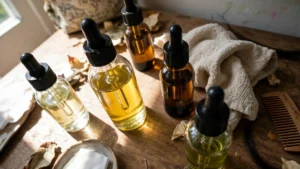
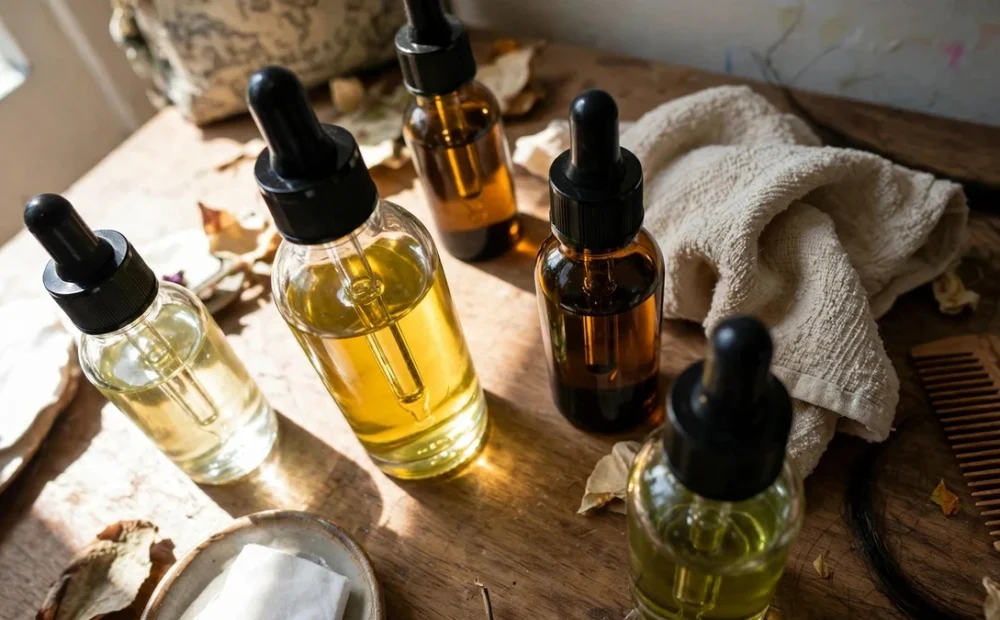
A French twist is a small test of balance. Hair oil is the quiet helper in that balance. Used well, it tames flyaways, adds shine to the outer roll, and keeps the ends from poking out of the tuck. Used badly, it turns the whole style into a slide, and the twist loosens before you have left the house.
The difference is not the oil itself so much as how much you use, where you put it, and how heavy the formula is. A light, fast-absorbing oil gives you control without weight. A rich, slow-absorbing oil can make fine hair collapse and make thick hair look greasy at the roots. The best oil for a French twist is one that disappears into the hair, leaves the surface smooth, and still lets the pins do their job.
Below are nine hair oils worth considering in 2027, chosen for how they behave in a rolled updo rather than how they smell in the bottle.
Key takeaways
- A French twist needs grip as well as shine, so a light, fast-absorbing oil beats a heavy one for most hair.
- Oil the lengths and ends first, and keep oil away from the roots if your twist tends to slide.
- Fine hair needs one drop or less, while thick or coarse hair can take two to three drops spread through the lengths.
- A dry oil or a shine spray oil suits a French twist better than a thick treatment oil that sits on the surface.
- No oil will hold a twist on its own, and an oil that makes hair slippery, limp, or greasy within an hour is the wrong one for this style.
What a French twist needs from a hair oil
A French twist is built from a single roll. The hair is gathered low, folded upward against the back of the head, and pinned so the roll sits vertically, with the ends tucked inside. Everything about the style depends on the hair behaving in one direction. Oil helps when it smooths the cuticle and lets the hair fold cleanly. It hurts when it makes the strands so slick that the roll cannot grip itself.
That is why weight matters more than brand. A light oil coats the hair thinly and absorbs within minutes, so the surface feels smooth but not wet. A heavy oil stays on the surface, adds shine at first, and then slowly works its way down the roll, loosening the tuck as the day goes on. If you have ever watched a twist sink by lunchtime, too much oil, or too heavy an oil, is often the reason.
Texture matters too. A dry oil, usually a fine mist or a thin serum-like liquid, is easy to spread evenly and hard to overdo. A thick, syrupy oil is easy to overdo in one spot, especially at the crown, where it shows first. For a French twist, spreadability is a real feature, not a marketing word. One drop that spreads through the whole length is more useful than three drops that sit in one place.
How we chose these oils and what to look for
Look first at the weight and the finish. A good French-twist oil should feel light between your palms, spread in a thin film, and leave the hair looking polished rather than wet. Hold your hands up to the light after rubbing the oil in. If your palms look glossy and wet, the oil is heavy. If they look only slightly sheened, it is about right for a rolled updo.

Look next at the ingredients list, and keep it simple. Oils built around argan, camellia, jojoba, squalane, or a light silicone blend tend to absorb well and leave a clean shine. Oils built around castor, coconut, or shea tend to be heavier and better suited to an overnight treatment than to a daytime updo. That does not make them bad oils. It makes them the wrong tool for this particular job, and our guide to hair oils for twists shows the same split, because twists and French twists both need hold as well as shine.
Finally, look at the applicator. A pump or a dropper gives you control, and control is everything when one extra drop can change the style. A wide-necked bottle you pour from makes it easy to use too much. A spray gives the most even coverage of all, which is why several of the oils below come as mists. If your oil has no applicator you trust, pour a single drop into your palm first, and add a second only if the hair still feels dry.
The 9 best hair oils for French twists of 2027
K18 Molecular Repair Hair Oil
What we like: A very light oil that absorbs quickly, smooths the outer roll without weight, and leaves a clean shine that does not turn greasy by the afternoon.
What to consider: Premium price, and the light texture means thick hair may need two drops rather than one. Best for: Fine to medium hair, and twists that have to last all evening. Material: Lightweight oil with squalane. Price range: Around $55 to $70. Standout feature: The lightest feel of any oil in this guide.
Shu Uemura Essence Absolue Nourishing Protective Oil
What we like: A camellia-oil formula that spreads easily, adds a soft, even shine, and leaves the hair feeling flexible rather than coated.
What to consider: The shine is subtle rather than high-gloss, and it is best applied to damp or lightly misted hair. Best for: Medium to thick hair that needs smoothing before rolling. Material: Camellia oil blend. Price range: Around $60 to $75. Standout feature: A flexible, touchable finish that keeps the roll looking like hair.
L’Oréal Paris Elvive Extraordinary Oil
What we like: An affordable, widely available oil that smooths frizz, adds shine, and spreads thinly enough for a rolled updo.
What to consider: Use one drop at a time, because two drops can be too much for fine hair. Best for: Everyday twists on a budget, and beginners learning the style. Material: Light oil blend with camellia and argan. Price range: Around $8 to $12. Standout feature: The best value in this guide, with a genuinely light feel.
OGX Renewing Argan Oil of Morocco Penetrating Oil
What we like: A light argan oil that tames frizz, adds warmth to the shine, and is easy to find in most drugstores.
What to consider: The scent is noticeable, and coarse hair may need a second drop on the ends. Best for: Dry or frizzy hair that needs smoothing before the roll. Material: Argan oil blend. Price range: Around $8 to $12. Standout feature: Reliable frizz control for a smooth outer roll.
SheaMoisture 100% Virgin Coconut Oil Daily Hydration Finishing Oil Serum
What we like: A coconut-oil serum that adds a soft shine, smells gentle, and works well on the ends tucked inside the roll.
What to consider: Heavier than the other oils here, so keep it to the ends and use half a drop on fine hair. Best for: Thick, coarse, or very dry hair, and twists worn in dry weather. Material: Virgin coconut oil serum. Price range: Around $10 to $14. Standout feature: The best end-smoothing oil in this guide for dry hair.
Mielle Organics Rosemary Mint Scalp and Hair Strengthening Oil
What we like: A rosemary and mint oil that feels light on the lengths, adds a fresh scent, and is popular for scalp care as well as styling.
What to consider: The mint tingle is noticeable, and it is best kept off the face and away from the hairline. Best for: Thick or textured hair, and anyone who oils the scalp as well as the lengths. Material: Rosemary and mint oil blend. Price range: Around $10 to $13. Standout feature: A scalp-friendly oil that still behaves in an updo.
Pattern Jojoba Oil Blend
What we like: A jojoba-based oil that mimics the hair’s own oils, absorbs cleanly, and leaves the roll looking smooth without a wet finish.
What to consider: The shine is soft rather than glossy, and very fine hair may need only half a drop. Best for: Curly and coily hair, and twists that need moisture without weight. Material: Jojoba oil blend. Price range: Around $20 to $25. Standout feature: The cleanest absorption of any oil in this guide.
Bumble and bumble Hairdresser’s Invisible Oil
What we like: A feather-light oil that smooths, softens, and adds shine while feeling almost weightless, with heat protection built in.
What to consider: The bottle is small for the price, and the light feel means very dry hair may need a second application on the ends. Best for: Fine hair, and twists styled after heat tools. Material: Lightweight oil blend with six oils. Price range: Around $40 to $48. Standout feature: The most invisible finish in this guide, ideal for fine hair.
Crown Affair The Hair Oil
What we like: A clean, lightweight oil with a soft shine, a gentle scent, and a dropper that makes it easy to measure a single drop.
What to consider: Premium price, and the subtle scent fades quickly, which some people will miss. Best for: Special-occasion twists, and hair that needs a polished finish. Material: Lightweight oil blend with tsubaki seed oil. Price range: Around $60 to $72. Standout feature: The most precise dropper in this guide, so you never overdo it.
Which oil suits your hair type
Fine hair needs the lightest oil you can find, used in the smallest amount. One drop of a dry oil, warmed between the palms and smoothed through the lengths, is usually enough. Anything more flattens the roll, and the twist loses the soft volume that makes it look deliberate.
Medium hair has the most choice. It can take one to two drops of a mid-weight oil, and it holds a twist well because the hair has enough body to grip itself. A camellia or argan oil is a good middle ground, giving shine and smoothness without making the roll slide. Our guide to hair oils for top knots makes the same point, because a top knot and a French twist both depend on the hair holding its own shape.
Thick, coarse, or curly hair can take a heavier oil, and often needs it. Two to three drops spread through the lengths will smooth the surface and keep the ends from springing out of the tuck. The risk is different here: too little oil leaves the roll looking rough, while too much leaves it looking greasy at the crown. Work the oil through the lengths first, check the roll in the mirror, and add a half drop only where the hair still looks dry.
The caveats that matter
Oil and grip are opposites, and a French twist needs both. Too much oil and the roll slides. Too little and the hair frizzes and the pins slip. A twist that loosens within an hour is almost always an oil problem, not a pin problem.
| Detail | What is known |
|---|---|
| Best oil weight | Light and fast-absorbing, such as a dry oil, camellia, jojoba, or squalane blend |
| How much to use | One drop for fine hair, one to two for medium hair, two to three for thick or coarse hair |
| Where to apply it | Through the lengths and ends first, keeping oil away from the roots and the crown |
| What to avoid | Heavy treatment oils, castor and shea blends, and pouring oil straight onto the hair |
| When to apply it | On damp or lightly misted hair before rolling, with a half drop to finish if needed |
| Who should start gently | Fine hair, oily scalps, and anyone whose twist has slipped before |
| What it does not do | It does not hold the twist on its own; pins and the roll shape do the holding |
| When to wash it out | At the end of the day, or sooner if the hair looks greasy at the crown |
If your scalp is oily, or you have a skin condition on the scalp, keep oil away from the scalp entirely and use it only on the lengths. If a new oil causes itching, redness, or breakouts along the hairline, stop using it and wash the hair. A patch test behind the ear, left for a day, is a sensible step before using any new oil near the face.
Checklist: choosing a hair oil for a French twist
Use these checks before you buy, and again before you roll the twist.
- Check the weight: it should feel light between your palms and leave only a slight sheen, not a wet gloss.
- Check the applicator: a pump, dropper, or spray gives you control, and control is what stops you overdoing it.
- Check the amount: start with one drop, spread it through the lengths, and add a second only if the hair still looks dry.
- Check the roots: keep oil off the crown and the roots, where it shows first and loosens the roll fastest.
- Check the ends: smooth a half drop through the last few inches before tucking them inside the roll.
- Check the mirror after an hour: if the twist has slipped or the crown looks greasy, use less oil next time, or a lighter one.
Frequently asked questions
Can I use hair oil on a French twist every day?
Yes, if you use a light oil and a small amount. One drop through the lengths will not build up quickly, but a heavy oil used daily will, and the twist will start to slide sooner. Wash the hair when it starts to feel coated, and use a lighter hand on days when the hair is already oily.
Should I oil my hair before or after making a French twist?
Before, and through the lengths only. Oil applied before rolling smooths the hair so it folds cleanly. Oil applied after the twist is made sits on the surface, can loosen the pins, and makes the roll look wet rather than polished. A half drop smoothed over the outer roll at the end is the only exception.
What is the best hair oil for a French twist on fine hair?
A dry oil or a feather-light oil, such as the K18 oil or the Bumble and bumble Invisible Oil above, used at half a drop to one drop. Fine hair shows oil quickly, so the lightest formula and the smallest amount give you shine without flattening the roll. A guide to hair oils for slicked-back hair makes the same case, because fine hair and a smooth style need the lightest touch.
Will hair oil make my French twist look greasy?
It will if you use too much, use a heavy oil, or put it on the roots. One drop through the lengths should look like shine, not grease.
Can I use hair oil on a French twist with extensions or a hairpiece?
Yes, but use even less, and keep the oil off the bonds or clips. Extensions are often smoother than natural hair already, so they need less oil, and oil near the attachment points can loosen them. Smooth a half drop through the natural hair only, and leave the extensions alone.
Which oil works best for a French twist that has to last all evening?
A light, fast-absorbing oil that disappears into the hair, such as the K18 oil or the Pattern jojoba blend above. Heavy oils migrate down the roll over hours and loosen the tuck. A light oil stays where you put it, and the twist keeps its shape until you take it down.
The bottom line
The best hair oil for a French twist in 2027 is not the richest or the most expensive. It is the lightest one that smooths your hair, used in the smallest amount that does the job. For fine hair, that means a dry oil at half a drop. For thick or coarse hair, it means one to three drops of a mid-weight oil through the lengths, with the ends getting the most attention.
Choose one oil from this guide, start with a single drop, and judge it on how the twist looks after an hour, not how it looks the moment you finish rolling. A twist that is still neat, smooth, and sitting high at the end of the evening is the sign you found the right oil and the right amount.