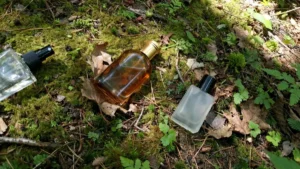
Moss is the quietest note in perfumery, and the one that makes everything around it last longer. It does not shout like citrus or bloom like jasmine. It smells of damp earth after rain, of shaded stone, of a forest floor in late autumn, and it sits at the base of a perfume holding the brighter notes together.
The trouble is that moss is rarely the headline. A bottle may be sold as a floral or a chypre, and the moss is doing its work in the background, unlisted and uncelebrated. Shoppers looking for that green, earthy depth have to know where to look, and they have to know which bottles are genuinely moss-led and which ones only borrow a little greenness in the opening before turning sweet or powdery.
Below are nine perfumes worth considering in 2027, from the classic oakmoss chypres that defined the family to modern green scents that carry moss in a lighter, easier way. Each one is described by what it does well, what to watch for, and who it suits best, so you can find the moss that fits your taste, not just the most famous name on the shelf.
Key takeaways
- Moss in perfumery is usually oakmoss or tree moss, both lichens, and it gives a scent its damp, green, forest-floor depth and its staying power.
- True moss perfumes are mostly chypres, where moss anchors citrus and florals in the base, and they tend to smell drier and more grown-up than fruity or gourmand scents.
- Oakmoss is restricted in modern perfumery because of two allergens, atranol and chloroatranol, so many classics have been reformulated with lighter moss materials.
- Moss suits cooler weather, evening wear, and anyone who wants a scent that smells like the outdoors rather than like a dessert.
- No moss perfume smells exactly like a walk in the woods, and a moss scent that feels too sharp or musty on paper may soften beautifully on skin, so test before you buy a full bottle.
What moss actually smells like in a perfume
Moss smells green, but not in the way a cut leaf smells green. It is a darker, damper green, the smell of soil under a tree, of stone that has been in shade all day, of leaves that have been rained on and left to soften. In a perfume it reads as earthy and slightly bitter, with a mineral edge, and it has a softness underneath that keeps it from smelling harsh. It gives a perfume weight and a sense of place without adding sweetness.
There are two mosses that matter in perfumery, and they are not the same. Oakmoss, from the lichen Evernia prunastri, is the classic one: deep, dark, slightly leathery, and the backbone of the chypre family since 1917. Tree moss, from Pseudevernia furfuracea, is lighter and greener, more like crushed leaves than damp earth, and it is often used where a perfumer wants a mossy feel without the heaviness of oakmoss. Most modern moss perfumes use a blend of the two, or a lab-made moss accord, because pure oakmoss is now restricted.
That restriction is worth understanding before you shop. Oakmoss contains atranol and chloroatranol, two compounds that can cause skin allergy, and the International Fragrance Association limits how much can be used. The result is that many famous moss perfumes smell lighter and greener today than they did decades ago. Some wearers prefer the modern versions. Others miss the old depth. Neither side is wrong, but it helps to know that a bottle of Mitsouko bought in 2027 is not the same juice as a bottle from 1975, even if the name and the box look the same.
How we chose these perfumes and what to look for
Look first at whether the moss is really there or only suggested. A true moss perfume keeps its green, earthy character from the opening through to the drydown, hours later. A perfume that opens green and turns sweet or powdery within an hour is using moss as a garnish, not as a structure. The nine picks below were chosen because the moss stays present, even if it is quieter than the florals or the citrus sitting on top of it.
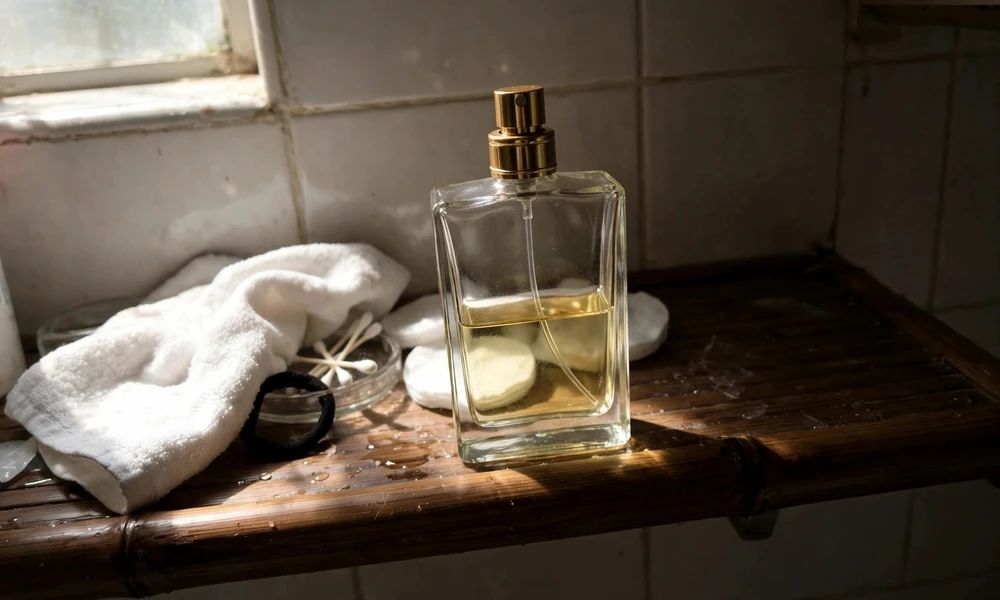
Look next at the balance. Moss on its own can smell musty or medicinal, so a good moss perfume pairs it with something that lifts it: citrus in the opening, a soft floral heart, or a warm wood in the base. The classic chypre structure does exactly this, with bergamot on top, rose or jasmine in the middle, and moss and patchouli underneath. If you are new to moss, a chypre is the easiest way in, because the structure is forgiving and the moss never has to carry the whole scent alone.
Finally, look at the concentration and the price. Moss perfumes are often eau de parfum, because the base notes need time and strength to develop, and a little goes a long way. Two sprays are usually enough, and three can be too many in a warm room. Prices here are approximate and given as a guide, because retailers vary, but none of these bottles needs to be the most expensive thing on your shelf to be worth owning. Our guide to petrichor perfumes covers a related earthy family, and if you like the smell of rain on dry ground, you will likely enjoy moss too, though moss is greener and less mineral than petrichor.
The 9 best moss perfumes of 2027
Guerlain Mitsouko
What we like: The original oakmoss chypre, still the reference point for the whole family, with peach, rose and spice floating over a deep mossy base. What to consider: The modern version is lighter than the vintage, and it needs an hour on skin to show its best side. Best for: Anyone who wants the classic moss perfume. Material: Oakmoss accord, peach, rose, spice. Price range: Around $120 to $160 for 75 ml. Standout feature: The chypre structure itself, unchanged in shape for more than a century.
Chanel No. 19
What we like: A green, mossy floral that feels crisp rather than heavy, with galbanum and iris giving it a cool, leafy edge. What to consider: It can smell sharp in the first minutes, and it suits cooler days better than hot ones. Best for: Lovers of green florals who want moss without darkness. Material: Galbanum, iris, oakmoss accord. Price range: Around $130 to $170 for 100 ml. Standout feature: The green opening, one of the freshest in perfumery.
Estée Lauder Knowing
What we like: A rich, confident chypre with rose, patchouli and oakmoss, warm and a little powdery, with real presence. What to consider: It is a strong perfume, so one or two sprays are enough, and it can feel formal. Best for: Evening wear and anyone who likes a perfume with weight. Material: Rose, patchouli, oakmoss accord. Price range: Around $90 to $120 for 75 ml. Standout feature: Its warmth, which keeps the moss from ever smelling cold.
Clinique Aromatics Elixir
What we like: A bold herbal chypre with chamomile, sage and oakmoss, distinctive and unmistakable, with excellent staying power. What to consider: It is an acquired taste, and the opening is strong enough to surprise people who expect something gentle. Best for: Anyone who wants a moss perfume that stands apart from the crowd. Material: Chamomile, sage, oakmoss, patchouli. Price range: Around $60 to $90 for 100 ml. Standout feature: The herbal opening, which no other perfume on this list has.
Dior Diorella
What we like: A bright green chypre with lemon, basil and melon over a mossy base, sunny on top and earthy underneath. What to consider: It is harder to find than the others here, and the modern version is softer than the original. Best for: Warm days when you still want a green, grounded scent. Material: Lemon, basil, melon, oakmoss accord. Price range: Around $100 to $140 for 100 ml. Standout feature: The contrast between the sunny top and the mossy base.
Hermès Calèche
What we like: A soft floral chypre with aldehydes, rose and oakmoss, gentle and polished, with a quiet mossy drydown. What to consider: It is subtle, so it suits close wear rather than making a statement. Best for: Office wear and anyone who prefers a soft moss. Material: Aldehydes, rose, oakmoss accord. Price range: Around $110 to $150 for 100 ml. Standout feature: Its polish, the most refined moss drydown on this list.
Amouage Jubilation 25 Woman
What we like: A luxurious oriental chypre with frankincense, ylang-ylang and a deep mossy base, rich and long-lasting. What to consider: It is the most expensive pick here, and it is a big, formal perfume. Best for: Special occasions and lovers of rich, resinous scents. Material: Frankincense, ylang-ylang, oakmoss, amber. Price range: Around $300 to $350 for 100 ml. Standout feature: The frankincense and moss pairing, warm and almost smoky.
Ormonde Jayne Ormonde Woman
What we like: A green, woody scent built around hemlock, with a mossy, forest-like depth that feels modern rather than vintage. What to consider: It is unusual, and the hemlock note can smell sharp on first spray. Best for: Anyone who wants a contemporary take on moss. Material: Hemlock, blackberry, vetiver, moss accord. Price range: Around $200 to $240 for 120 ml. Standout feature: The hemlock, a green note no other perfume on this list uses.
Diptyque Eau de Lierre
What we like: A fresh ivy-green scent with a soft mossy undertone, light and easy to wear, and the closest match on this list for a purely green moss feel. What to consider: It is a lighter, greener scent rather than a deep oakmoss chypre, so it fades sooner than the others. Best for: Everyday wear and warm weather. Material: Ivy, green leaves, moss accord. Price range: Around $140 to $180 for 100 ml. Standout feature: The ivy note, which smells like crushed green leaves.
Which moss perfume is right for you
Start with how much moss you actually want. If you want the full experience, go straight to a classic chypre like Mitsouko or Knowing, where the moss is the structure and everything else hangs off it. If you want moss as a background note, choose a green floral like No. 19 or a soft chypre like Calèche, where the moss is present but never loud. There is no wrong entry point, but starting too heavy can put people off a note they would have loved in a lighter form.
Think about the season, too. Moss perfumes shine in autumn and winter, when cool air lets their earthy depth come forward, and in spring, when the green notes match the world outside. In high summer, a heavy oakmoss chypre can feel too dense, and that is when a lighter pick like Diorella or Eau de Lierre earns its place. A small collection of two moss perfumes, one dark and one light, covers the whole year better than one bottle trying to do everything.
Finally, test on skin, not on paper. Moss is a base note, and base notes need warmth and time to develop. A strip will show you the opening, which is mostly citrus and florals, and tell you almost nothing about the moss underneath. Spray once on your wrist, wait an hour, and then decide. The moss you smell at hour three is the perfume you will actually be wearing, and it is worth the wait to meet it properly. A driftwood perfume makes a useful comparison, because driftwood is dry and woody where moss is damp and green, and trying the two side by side, with a rain perfume for comparison, teaches your nose the difference in an afternoon.
The caveats that matter
Moss perfumes are beautiful, but they are not for everyone, and they are not for every day. The earthy depth that makes them special can read as musty or old-fashioned to someone who prefers clean, sweet, or fruity scents. That is a matter of taste, not quality, and it is better to discover it with a sample than with a full bottle. Buy a small decant first, wear it for a full day, and see how you feel about it in the evening, when the moss is at its strongest.
| Detail | What is known |
|---|---|
| What moss is | Usually oakmoss or tree moss, both lichens, used as a base note for depth and staying power |
| The classic structure | The chypre: citrus on top, florals in the middle, moss and patchouli underneath |
| Why modern versions smell lighter | Oakmoss is restricted because of the allergens atranol and chloroatranol |
| Best season | Autumn, winter and spring; lighter moss scents also suit summer |
| How much to spray | One or two sprays, because moss perfumes are often strong and long-lasting |
| Who should sample first | Anyone who prefers sweet, fruity or clean scents, and anyone with sensitive skin |
| How long it lasts | Often eight hours or more on skin, and longer on clothes |
| What it does not do | It does not smell like fresh-cut grass, and it does not suit every occasion |
If you have sensitive skin or a known fragrance allergy, patch-test a moss perfume on your inner arm before wearing it on your neck or wrists, and stop using it if redness or itching appears. The allergens in oakmoss are well documented, and modern formulas are made to stay within safe limits, but a patch test costs nothing and can save a week of irritation.
Checklist: choosing a moss perfume honestly
Use these checks before you buy, and again after a full day of wear.
- Check the structure: a true moss perfume keeps its green, earthy character into the drydown, not just the opening.
- Check the season: choose a dark chypre for autumn and winter, and a lighter green moss for spring and summer.
- Check the strength: one or two sprays is usually enough, and more can turn a beautiful moss into a musty cloud.
- Test on skin: spray once on your wrist and wait an hour, because the moss only shows itself in the drydown.
- Sample first: buy a small decant before a full bottle, especially for the stronger chypres.
- Patch-test: apply to your inner arm first if you have sensitive skin or a fragrance allergy.
Frequently asked questions
What does a moss perfume actually smell like?
It smells green, damp and earthy, like a forest floor after rain or shaded stone. The green is darker than cut grass, and there is a soft, slightly bitter depth underneath that keeps the scent grounded and long-lasting.
Is moss the same as vetiver?
No, though they are often paired. Vetiver is a grass root that smells dry, smoky and woody, while moss is a lichen that smells damp, green and earthy. Vetiver is the dry side of green, and moss is the wet side.
Why do old moss perfumes smell stronger than new ones?
Oakmoss is now restricted because of two allergens, atranol and chloroatranol, so modern formulas use less of it or use lighter moss materials instead. Vintage bottles often contain more oakmoss, which is why they smell deeper and last longer.
Do moss perfumes last a long time?
Yes, usually eight hours or more on skin, and longer on clothes. Moss is a base note and a fixative, which means it holds the other notes in place and slows down how fast the perfume fades.
What season is best for a moss perfume?
Autumn and winter suit dark moss chypres best, because cool air lets the earthy depth come forward. Spring suits green moss florals, and summer suits only the lightest moss scents, like a green ivy perfume.
Can I layer a moss perfume with another scent?
Yes, and it layers well, because moss is a base note that supports other scents. Try it under a citrus or a soft floral, which will sit on top of the moss and gain depth without being overwhelmed by it.
The bottom line
The best moss perfume in 2027 is the one that matches how much earthiness you actually want. For the full classic experience, Mitsouko or Knowing will show you what moss has been doing in perfumery for a century. For a lighter, greener introduction, No. 19 or Eau de Lierre will let you enjoy the note without committing to a heavy chypre.
Whichever you choose, give it time on your skin and a fair test in the right season. Moss is a slow note, and it rewards patience with a depth and a staying power that few other perfume families can match.