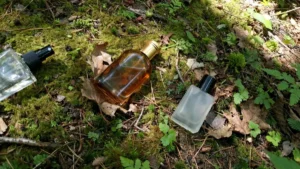
There is a smell that arrives before the rain does, and it has nothing to do with water. It is the smell of dry earth waking up, of dust settling and stone cooling, of a garden path after weeks without a drop. It has a name, and it is one of the most evocative words in fragrance: petrichor. It is the scent of the first rain on dry ground, and perfumers have spent years trying to put it in a bottle.
Petrichor perfumes are not rain perfumes, and that distinction is the whole point. A rain perfume smells of water falling, of ozone and wet leaves and clean air. A petrichor perfume smells of what the rain falls on.
Below are nine perfumes worth considering in 2027, from the one bottle actually named for the smell to earthy, mineral scents that come close enough to earn their place honestly. Each one is described by what it does well, what to watch for, and who it suits best, so you can find the version of dry earth that smells right on you.
Key takeaways
- Petrichor is the smell of rain on dry earth, not the smell of rain itself, and the best petrichor perfumes lead with soil, stone, and mineral notes.
- Geosmin is the molecule behind the earthy character, but a good petrichor accord also needs vetiver, moss, clay, and a dry woody base.
- True petrichor perfumes are rare, so several of the best options are honestly labelled closest matches that capture the same dry-earth feeling.
- Petrichor scents are usually unisex, and they behave differently on skin than in the air, turning warmer and woodier as they dry down.
- No perfume contains real rainwater or real soil, and a petrichor scent that smells muddy or sour on you is a sign to try a lighter, greener version.
What petrichor actually smells of
Petrichor was named in 1964 by two Australian scientists, Isabel Joy Bear and Richard Thomas, who were studying the smell that rises from dry soil when the first rain arrives. The smell itself comes from a mix of plant oils that have gathered in soil and rock during dry weather, and a compound called geosmin, which is made by soil bacteria called actinobacteria. When rain hits dry ground, tiny air bubbles trapped in the soil burst and carry those molecules into the air.
That science explains why petrichor is so hard to bottle. The smell is not one note but a sequence. First comes the mineral lift, a cool, almost metallic freshness that reads as wet stone. Then comes the earthy heart, the geosmin, which smells of turned soil, beetroot, and damp clay. Then comes the drydown, which is warm and woody, because the soil itself is warm from the sun and the plant oils in it are resinous and dry. The good ones hold all three in balance.
It also explains why petrichor smells so personal. Human noses are unusually sensitive to geosmin, far more sensitive than to most scent molecules, and the sensitivity varies from person to person. Some people find a petrichor perfume earthy and grounding. Others find the same bottle muddy or even sour.
How we chose these perfumes and what to look for
Look first at the notes list, and read it the way a perfumer would. A petrichor perfume should list something earthy and something mineral. Vetiver, patchouli, moss, and cedarwood are the usual earthy anchors. Flint, clay, mineral, and stone accords give the cool, stony lift.

Look next at the drydown, because that is where a petrichor perfume proves itself. The opening is often bright and mineral, and it can be misleading. Wait twenty minutes. If the scent turns warm, woody, and quietly dusty, the base is doing its job. If it turns sweet, powdery, or soapy, the earthy character was only ever a top note, and the perfume will not smell of petrichor for long. A thunderstorm perfume makes a useful comparison here, because it is built the other way round: ozone and electricity first, earth second. Petrichor puts the earth first.
Finally, look at the concentration and the season. Petrichor perfumes are often eau de parfum or stronger, because geosmin and vetiver need weight to last, and the lighter versions can disappear within an hour. Spring and autumn are the natural seasons for them, which is also when the real smell is most often in the air.
The 9 best petrichor perfumes of 2027
Demeter Petrichor
What we like: The only widely available perfume actually named for the smell, and it takes the subject seriously. It opens with a cool, stony mineral note, then moves into damp earth and a faint green sweetness, like a garden path just after the first drops of rain.
What to consider: It is a single-note concept fragrance, so it is lighter and simpler than a full composition, and it fades faster than the heavier bottles on this list. Best For: Anyone who wants the literal smell, and anyone new to earthy scents. Material: Fragrance oil with geosmin-inspired accord. Price Range: Approximately $30 to $40 for 30 ml. Standout Feature: The only perfume on this list that is actually called Petrichor.
Hermès Terre d’Hermès
What we like: A mineral, flinty earthiness built around grapefruit, cedarwood, and a dry, stony base. It smells of warm earth and cut stone rather than wet soil, which makes it the most wearable petrichor-adjacent scent for everyday use.
What to consider: The opening is bright and citrusy, so the petrichor character only shows itself after half an hour, and the flint note can read as sharp on some skin. Best For: Office wear and anyone who wants earthiness without heaviness. Material: Glass bottle, cedarwood and mineral accord. Price Range: Approximately $110 to $150 for 50 ml. Standout Feature: The flint accord that smells of warm stone in the sun.
Tauer L’Air du Désert Marocain
What we like: A dry, dusty, sun-baked earthiness with amber, cedarwood, and a resinous warmth that smells of desert stone and old clay. It is the closest thing on this list to the smell of a dry field waiting for rain.
What to consider: It is rich and resinous, so it can feel heavy in warm weather, and the drydown is long, which is a strength only if you like amber. Best For: Cool evenings and anyone who loves dry, dusty scents. Material: Amber, cedarwood, and resin accord. Price Range: Approximately $140 to $180 for 50 ml. Standout Feature: The dusty, sun-warmed earth at its heart.
Chanel Sycomore
What we like: A vetiver-led scent with dry grass, cedarwood, and a smoky, earthy depth that smells of a field after a storm has passed. It is elegant, restrained, and one of the finest vetiver perfumes ever made.
What to consider: It is a Les Exclusifs de Chanel bottle, so it is premium-priced, and the vetiver can read as smoky rather than earthy on some skin. Best For: Anyone who wants a refined, grown-up earthy scent. Material: Vetiver, cedarwood, and smoky woods. Price Range: Approximately $220 to $260 for 75 ml. Standout Feature: The vetiver, which smells of grass roots and dry soil.
L’Artisan Parfumeur Timbuktu
What we like: A vetiver and earthy-woods composition with mango, pink pepper, and a dry, resinous base that smells of red earth and warm wood. It is warm, unusual, and unmistakably grounded in soil.
What to consider: The mango note is unexpected, and it can make the opening feel fruity before the earthiness settles in. Best For: Anyone who wants earthiness with warmth and a little sweetness. Material: Vetiver, woods, and resin accord. Price Range: Approximately $150 to $190 for 100 ml. Standout Feature: The red-earth warmth in the drydown.
Aesop Hwyl
What we like: A mossy, green, earthy scent with cypress, vetiver, and frankincense that smells of a forest floor after rain, damp moss underfoot and cool green air above it.
What to consider: It is more forest than field, so the mineral, stony side of petrichor is quieter here, and it leans woody rather than earthy on some skin. Best For: Lovers of green, mossy, forest scents. Material: Cypress, vetiver, moss, and frankincense. Price Range: Approximately $130 to $160 for 50 ml. Standout Feature: The damp moss note, which smells of a woodland path.
Ormonde Jayne Ormonde Man
What we like: A dark, earthy woods scent with hemlock, cedarwood, and vetiver, built around a deep, resinous core that smells of turned earth and old wood. It is rich, serious, and long-lasting.
What to consider: It is one of the darkest scents on this list, so it can feel heavy in daylight, and the hemlock note is unusual enough to divide opinion. Best For: Evening wear and anyone who likes dark, woody scents. Material: Hemlock, cedarwood, and vetiver. Price Range: Approximately $170 to $210 for 50 ml. Standout Feature: The dark, resinous earth at its core.
Frederic Malle Vetiver Extraordinaire
What we like: A bright, clean vetiver with cedarwood, sandalwood, and a dry, earthy root character that smells of freshly turned soil and green grass. It is the most transparent vetiver on this list, and the easiest to wear.
What to consider: It is lighter than the other vetiver options here, so the petrichor character is more grassy than mineral, and it suits daytime better than evening. Best For: Daytime wear and vetiver beginners. Material: Vetiver, cedarwood, and sandalwood. Price Range: Approximately $200 to $240 for 50 ml. Standout Feature: The clean, grassy vetiver that smells of green earth.
Miller Harris Terre de Bois
What we like: A cedarwood and earthy-woods scent with a dry, dusty character and a soft, leathery warmth underneath. It smells of a woodpile and a dry garden, quiet and understated, and it lasts well for its weight.
What to consider: It is subtle, so it sits close to the skin, and the cedarwood can read as dry rather than earthy if you are expecting a stronger soil note. Best For: Anyone who wants a quiet, close-wearing earthy scent. Material: Cedarwood, earthy woods, and leather accord. Price Range: Approximately $130 to $170 for 100 ml. Standout Feature: The dry cedarwood that smells of a garden shed in autumn.
Which petrichor perfume is right for you
Start with the character you want, not the bottle. If you want the literal smell, Demeter Petrichor is the only honest choice, and it is cheap enough to try without regret. If you want earthiness you can wear to work, Terre d’Hermès and Vetiver Extraordinaire are the two most polished options, one mineral and one green.
Skin matters more with this family than with most. Geosmin and vetiver are both notes that change noticeably from person to person, and a perfume that smells of cool stone on one wrist can smell of damp clay on another. Spray once on your wrist, wait twenty minutes, and then decide. The opening is not the perfume. The drydown is.
Season matters too. Petrichor perfumes are at their best in spring and autumn, when the air is cool and the ground is sometimes dry and sometimes wet, which is exactly when the real smell is in the air. A rain perfume is often the better summer choice, because it is lighter and fresher, while petrichor waits for the cooler months to do its best work.
The caveats that matter
Petrichor is a small, young family, and honesty matters more here than in almost any other fragrance category. Very few perfumes are genuinely built around the smell of rain on dry earth, and several bottles marketed as earthy are really just woody or musky. The nine above are the strongest options we found, and the ones that are closest matches rather than literal petrichor scents are labelled as such in their entries. Do not pay a premium for a bottle that only smells of earth in its marketing copy.
| Detail | What is known |
|---|---|
| What petrichor is | The smell of rain on dry earth, from plant oils and geosmin released from soil |
| Key molecule | Geosmin, made by soil bacteria called actinobacteria during dry weather |
| Best notes to look for | Vetiver, moss, cedarwood, flint, clay, and mineral accords |
| Best seasons | Spring and autumn, when the air is cool and the ground is often dry |
| How long they last | Four to eight hours for most eau de parfum versions; lighter ones fade faster |
| Who should try carefully | Anyone sensitive to earthy or musky scents; geosmin reads differently on different skin |
| What to avoid | Bottles marketed as earthy that list only citrus, florals, and musk |
| What they do not do | They do not contain real rainwater or soil, and they do not smell of a storm |
One more caution is worth stating plainly. Some people are extremely sensitive to geosmin, and for them even a well-made petrichor perfume can smell muddy, sour, or like a damp cellar. That is not a fault in the perfume. It is a difference in noses. If a petrichor perfume smells wrong on you, try a greener version, such as Vetiver Extraordinaire, or a mineral one, such as Terre d’Hermès, before giving up on the family entirely. A sea salt perfume is a good alternative if earthiness is not for you, because it gives the same mineral freshness without the soil.
Checklist: choosing a petrichor perfume honestly
Use these checks before you buy, and again after twenty minutes on skin.
- Check the notes: look for vetiver, moss, cedarwood, flint, or clay, not just citrus and florals.
- Check the drydown: wait twenty minutes, and judge the warm, woody base, not the bright opening.
- Check the season: try it in spring or autumn first, when petrichor scents show their best.
- Try before you buy: spray once on your wrist, because geosmin reads differently on different skin.
- Check the honesty: a closest match is fine, but it should be labelled as one, not sold as the real thing.
- Start light: one spray is enough for most petrichor perfumes, because the earthy notes are strong.
Frequently asked questions
Is a petrichor perfume the same as a rain perfume?
No. A rain perfume smells of water falling, ozone, and wet leaves. A petrichor perfume smells of what the rain falls on: dry earth, stone, and clay. They are related, and they layer well together, but they are different accords built from different notes.
Which petrichor perfume should I try first?
Start with Demeter Petrichor if you want the literal smell for very little money, or with Terre d’Hermès if you want an earthy scent you can wear anywhere. Both are honest introductions, and either one will tell you quickly whether this family suits you.
Why does a petrichor perfume smell stronger on some people?
Sensitivity to geosmin varies widely from person to person, and skin chemistry changes how vetiver and moss develop. The same bottle can smell earthy and grounding on one person and muddy on another, which is why testing on your own skin matters so much here.
Can I wear a petrichor perfume in summer?
You can, but choose carefully. Lighter, greener options such as Vetiver Extraordinaire work well in warm weather. Heavier, resinous ones such as L’Air du Désert Marocain can feel too rich in heat, and are better saved for cooler evenings.
What notes pair best with petrichor?
Vetiver, cedarwood, moss, and flint are the natural partners, because they are all earthy or mineral. A little citrus at the top can lift the opening, and a dry amber or sandalwood base helps the scent last. Sweet notes and heavy florals usually fight the earthiness rather than helping it.
Is petrichor a unisex scent?
Almost always yes. Earthy, mineral, and woody notes do not lean strongly masculine or feminine, and most petrichor perfumes are marketed as unisex. The few exceptions are the ones with a heavy floral or sweet heart, which are rare in this family.
The bottom line
The best petrichor perfume in 2027 is the one that smells of dry earth to you, not the one with the cleverest name. Demeter Petrichor is the literal choice, Terre d’Hermès is the most polished, Sycomore is the most refined, and L’Air du Désert Marocain is the most dramatic. Each one captures a different part of the same smell, and the right one depends on whether you want stone, grass, dust, or moss.
Try before you buy, wait for the drydown, and wear it in spring or autumn first. Petrichor is a small, strange, wonderful family, and the bottle that smells of rain on dry earth to you is the one worth keeping.