A hemp farm escape is not a holiday you plan the way you plan a city break. There is no list of sights to tick off, no restaurant to book weeks ahead, and no spa to schedule around. There is a crop, a season, a farm family, and a set of days shaped by the work in the fields. If you plan it well, it is one of the most restful trips you can take. If you plan it badly, you arrive after the harvest, sleep an hour from the farm, and spend the trip driving.
The good news is that planning a hemp farm escape is mostly a matter of getting three things right: the season, the farm, and the journey. Hemp grows fast and is harvested in a short window, so the dates matter more than they do for most farm holidays. The farm matters too, because some holdings welcome guests into the work and others only offer a room near a field. And the journey matters, because most hemp farms are rural, and a long drive at the end of a travel day can undo the calm you came for.
This guide walks through the nine steps that make a hemp farm escape work, from learning what fibre hemp actually is to buying cloth and seed oil on your final morning. Follow them in order, and you will arrive at the right farm, in the right season, with the right bag, ready for the fields.
Key takeaways
- A hemp farm escape is shaped by the crop’s season, so choose your dates around the harvest, not around your usual holiday calendar.
- Pick a farm that grows hemp as a real crop and welcomes guests into the work, with a retting tour and a hands-on workshop.
- Sleep on the farm or within walking distance, so the fields, not the road, set the pace of your days.
- Book the farm activities first, then the room, and sort the last leg of the journey before you pay a deposit.
- A hemp farm stay is a quiet rural holiday built on a licensed fibre crop, not a resort, and not a cannabis experience.
What a hemp farm escape actually involves
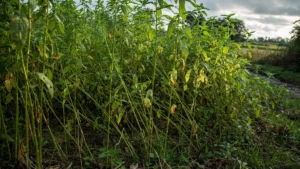
A hemp farm escape is a stay on or beside a working farm that grows industrial hemp for fibre and seed. Your days are shaped by the farm: a walk through the tall stalks in the morning, a tour of the processing shed, a rope-making or weaving session, and meals at a farm table. The work is real, the pace is slow, and the evenings are quiet, with little to do but watch the light change over the fields.
The crop itself is what makes the trip different from other farm holidays. Hemp grows fast, stands taller than a person by late summer, and is harvested in a short window. That short window is the heart of the escape: arrive during it and the farm is alive with cutting, bundling and processing. Arrive a month late and the fields are stubble, the workshop is quiet, and the trip is just a stay in the countryside, which is pleasant but not what you came for.
It is also a trip that suits a particular kind of traveller. If you like early mornings, practical work, and days without a schedule, you will enjoy it. Knowing which traveller you are is the first honest step in planning the trip.
How to plan a hemp farm escape: the approach
Plan the trip in the order the farm works, not the order a booking site suggests. Start with the season, because the harvest window sets everything else. Then choose the farm, because the right holding makes the trip and the wrong one only provides a bed. Then sort the journey, because a rural farm with no transfer can strand you. Only then should you think about what to pack, and even then the list is short: sturdy shoes, layers, and clothes you can wash.

Give yourself three or four nights. One night is too short to settle into farm time, and a week can feel long if the harvest finishes early. Three or four nights gives you a full harvest day, a workshop afternoon, and a slow morning to walk the fields without an agenda. It also leaves room for a rainy day, which is worth having, because farm work does not stop for weather and neither should your plans. The same slow approach works for other farm holidays too, and our guide to planning a cotton farm escape follows the same logic of season first, farm second, journey third.
Finally, talk to the farm before you book. A short message asking about the harvest dates, the activities, and the transfer will tell you more than any listing. Farms that answer clearly, with dates and prices in writing, are usually farms that look after their guests. Farms that answer vaguely, or not at all, are telling you something too, and it is worth listening.
The 9 steps that make the trip work
Start by learning what fibre hemp actually is
What to do: Learn the basics before you go: hemp is a tall annual plant grown for stalk fibre and seed, used for rope, canvas, cloth and oil. What to avoid: Do not assume it is the drug plant, and do not ask the hosts about it as if it were. Best For: Every guest, before the first message to the farm. Time Needed: Half an hour of reading. Standout Tip: Learn the word retting, the soaking process that separates fibre from stalk, because it comes up on every farm tour.
Visit when the stalks stand tallest
What to do: Aim for late summer, when the plants stand taller than a person and harvest work is under way. What to avoid: Do not book spring and expect a harvest, or autumn and expect tall green fields. Best For: Travellers who want to see the crop at its best. Time Needed: A week of watching the farm’s harvest dates before you book. Standout Tip: Ask the farm for its expected harvest week, not just its open season, because the two are rarely the same.
Pick a fibre farm, a seed farm, or one that does both
What to do: Decide what interests you: fibre farms show rope and weaving, seed farms show pressing and oil, and mixed holdings show both. What to avoid: Do not book a seed farm and expect a weaving workshop, or a fibre farm and expect an oil tasting. Best For: Travellers with a clear interest in craft or food. Time Needed: An hour comparing farms and their activities. Standout Tip: Mixed holdings are the best first choice, because you see the whole crop in one stay.
Put the retting tour at the top of your plan
What to do: Make the retting and processing tour the first thing you arrange, because it explains everything else you will see. What to avoid: Do not leave it to chance, because processing runs on the farm’s schedule, not on yours. Best For: Anyone who wants to understand the crop, not just look at it. Time Needed: Half a day, usually a morning. Standout Tip: Go early in your stay, so the rest of the trip makes sense in context.
Choose a stay you can walk from, not drive to
What to do: Book a room on the farm, or a cottage within walking distance of the fields. What to avoid: Do not stay in the nearest town and drive in each day, because the trip becomes a commute. Best For: Travellers who want farm time, not road time. Time Needed: A day comparing stays and their distance from the fields. Standout Tip: Ask the farm how long the walk to the fields takes, and trust the answer.
Ask what harvest work guests can join
What to do: Ask the farm directly what guests do during harvest: cutting, bundling, stacking, or simply watching and learning. What to avoid: Do not assume you can operate machinery, and do not join work you have not been shown how to do. Best For: Hands-on travellers and families with older children. Time Needed: One message to the farm, and an hour on the day. Standout Tip: Bring work gloves, because harvest work is dusty and the stalks are rough on bare hands.
Pack for dust, tall plants, and long field walks
What to do: Pack sturdy shoes, long trousers, layers, sun protection, and clothes you can wash in a basin. What to avoid: Do not pack white clothes, open sandals, or anything you would mind getting dusty. Best For: Every guest, whatever the season. Time Needed: An evening of packing. Standout Tip: Pack a light waterproof layer, because field rain arrives fast and passes fast.
Leave an afternoon free for the rope and weaving workshop
What to do: Keep one afternoon unscheduled for the rope-making or weaving workshop, and treat it as the centrepiece of the trip. What to avoid: Do not fill every hour with plans, because the workshop runs at the farm’s pace. Best For: Craft lovers and anyone who likes making something with their hands. Time Needed: A full afternoon. Standout Tip: Make something small to take home, because a length of rope you made yourself is a better souvenir than anything in a shop.
The workshop is where the trip becomes tangible. You arrive with a field of tall plants and leave with a piece of rope or cloth made from the same harvest, and that is a rare thing. Like the best moments on a wisteria escape, it is the slow, unhurried afternoon that stays with you, not the busy morning.
Save your shopping for hemp cloth and seed oil until the final morning
What to do: Wait until the last morning to buy hemp cloth, rope, seed oil and soap, when you know what you are looking at. What to avoid: Do not buy on the first day, before you have seen the crop or the workshop. Best For: Travellers who want to bring the farm home. Time Needed: An hour on the final morning. Standout Tip: Ask the hosts what keeps best in a suitcase, because seed oil travels better than fresh cloth.
Choosing the right farm and season
Start with the season, because it decides everything else. Late summer is the best time for most hemp farms, when the stalks are tall and the harvest is under way. Spring is good for seeing the young crop and for quieter stays, and early autumn is good for processing tours and workshops. Winter is the wrong time for a hemp farm escape, because the fields are empty and the work is done, and a winter stay is really just a stay in the countryside.
Then choose the farm by what it does, not by how it photographs. A farm with a retting tour, a workshop and a farm table will give you a better trip than a prettier farm with none of those things. Read the farm’s own words about its activities, and be wary of listings that talk about the view but say nothing about the crop. The view is free everywhere; the work is what you are paying for.
Finally, match the farm to your group. Families with young children need a farm with gentle days and a cottage stay, while hands-on travellers need a farm with harvest work and a workshop. Solo travellers often do best on small farms where the hosts eat with guests, because the company is part of the trip. There is no single best farm, only the farm that fits your group, your season and your interest.
The caveats that matter
A hemp farm escape is a working farm holiday, and it comes with working farm realities. The fields are dusty, the days start early, the weather changes fast, and the nearest shop can be a long drive away. None of that is a problem if you expect it, but it is worth going in with open eyes, and with a bag packed for a farm rather than a resort.
| Detail | What is known |
|---|---|
| Best season | Late summer, when the stalks stand tallest and harvest is under way |
| How long to stay | Three or four nights, enough for a harvest day and a workshop afternoon |
| Book first | The retting and processing tour, then the room, then the journey |
| Getting there | Most farms are rural; a car or an arranged transfer is usually needed |
| What to pack | Sturdy shoes, long trousers, layers, sun protection, work gloves |
| Children | Welcome on many farms; check age limits for harvest work first |
| What it costs | Around $150 to $380 a night, breakfast usually included, transfers often extra |
| What it is not | Not a spa resort, and not a cannabis experience; expect quiet days |
If you take prescription medication, have allergies to pollen or dust, or are travelling with small children, check with the farm before you book. Harvest dust is real, and a quick message to the hosts will tell you whether the stay suits your group.
Checklist: before you book
Use these checks before you pay a deposit, and again a week before you travel.
- Check the season: late summer, with the farm’s expected harvest week confirmed in writing.
- Check the farm: a working holding that grows fibre or seed hemp, with a retting tour and a workshop.
- Check the stay: a room on the farm or within walking distance, breakfast included, host present.
- Check the journey: a car or an arranged transfer, and an arrival in daylight.
- Check the activities: harvest work guests can join, and an afternoon kept free for the workshop.
- Check the bag: sturdy shoes, long trousers, layers, sun protection, work gloves, and a waterproof layer.
Frequently asked questions
How far ahead should I book a hemp farm escape?
Book two to three months ahead for late summer, because the harvest window is short and the best farms fill fast. Spring stays can often be booked a month ahead, but harvest-week dates go first, so ask for the harvest week before you choose your dates.
Do I need a car to visit a hemp farm?
Usually yes, or an arranged transfer from the farm. Most hemp farms are rural, and public transport rarely reaches the gate. Ask the farm about transfers before you book, and arrive in daylight, because farm tracks are hard to find after dark.
Can I visit a hemp farm outside the harvest season?
Yes, but the trip is different. Spring is good for the young crop and quiet stays, and early autumn is good for processing tours. Winter is the quietest season, and the fields are empty, so a winter visit is really a countryside stay rather than a hemp farm escape.
Is a hemp farm escape suitable for children?
Often yes. Children usually enjoy the fields, the animals and the workshops, and many farms welcome families. Check age limits for harvest work first, and ask what younger guests can and cannot do, because working farms have real machinery and real dust.
What does a hemp farm escape usually cost?
Most stays run from around $150 to $380 a night, with breakfast included. Farm tours and workshops are often included, but transfers from the nearest town are usually extra, so ask for the full price in writing before you pay a deposit. Flower farm stays follow a similar pattern, and our guide to sunflower farm retreats gives a useful comparison on pricing and what is usually included.
Can I buy hemp cloth and seed oil directly from the farm?
Usually yes. Farms often sell cloth, rope, seed oil and soap made from their own crop, and buying on the final morning means you know what you are looking at. Ask the hosts what travels best in a suitcase, and keep receipts if you are flying home, because customs rules vary by country.
The bottom line
The best hemp farm escape in 2027 is not the most remote or the most expensive. It is the one where the season is right, the farm grows a real crop, and the stay is within walking distance of the fields. Choose your dates around the harvest, put the retting tour first, and go ready for early mornings and dusty shoes.
Book three or four nights, talk to the farm, and let the fields set the pace. That is the honest way to plan a hemp farm escape, and the reason guests come back to the same farm year after year.