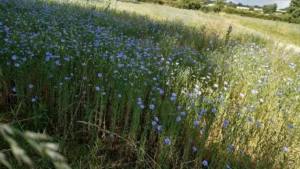
A cotton farm escape is a trip that sounds simple until you try to plan it. The farms are remote, the harvest window is short, the rooms are few, and the best weeks of the year go to people who booked months ahead. Get the planning right, though, and the reward is one of the quietest, most beautiful trips in travel: white fields under a wide sky, slow mornings, farm food, and days shaped by a crop rather than by a schedule.
The mistake most people make is treating a cotton farm like a country hotel. They pick a convenient date, book a room, and arrive to find green fields, bare rows, or a harvest already finished. A cotton farm is not a hotel. It is a working place with a season, and the season decides everything. Plan around the bolls, and the trip works.
Below are nine steps for planning a cotton farm escape in 2027, from timing your visit to the bolls to locking in the last leg of the journey from town. Each step is practical, cotton-specific, and drawn from how these farms actually work, so you can book with confidence and arrive when the fields are at their best.
Key takeaways
- Plan around the boll season, not your calendar — late summer into autumn in most regions, and the best window is only a few weeks long.
- Confirm the farm grows cotton itself, welcomes guests into the fields, and is clear about what the price includes before you pay anything.
- Book the gin mill visit and the harvest days first, then the room, because the farm’s programme fills faster than its bedrooms.
- Arrange the journey from the nearest town before you travel, because most cotton farms are remote and taxis are scarce.
- No cotton farm stay is a polished resort, and a farm that promises resort comforts is probably not a working farm.
What planning a cotton farm escape really involves
Planning a cotton farm escape means planning around a crop. Cotton is planted in spring, grows through summer, and opens its bolls in late summer and autumn. The harvest follows quickly. That gives you a window of a few weeks in which the fields are white, the harvest is happening, and the farm is at its best. Outside that window, the farm is still a pleasant place, but it is not a cotton farm escape. It is a rural stay with a field outside.
That seasonality shapes every decision. The dates come first, because the bolls decide them. The farm comes second, because not every farm welcomes guests, and the ones that do have few rooms. The journey comes third, because cotton farms sit in farming country, not near airports.
The good news is that cotton farms are used to planners. The best ones will tell you honestly which week to come, what the harvest will involve, and what is included in the price. A farm that answers those questions clearly is a farm that is well run.
How to choose a farm and what to look for
Look first at whether the farm grows cotton itself. Ask how many acres it plants, which varieties it grows, and when its harvest falls. A real cotton farm will answer in a sentence. A farm that hesitates, or talks about cotton in general rather than its own fields, is probably a rural hotel with a field nearby. The distinction matters, because only a working farm can give you the harvest, the gin, and the fields themselves.
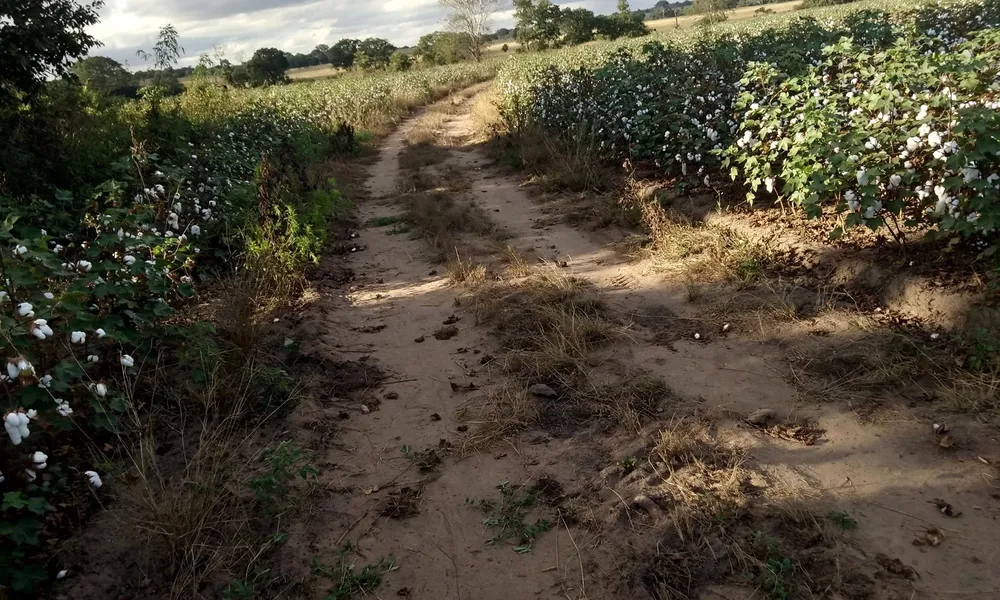
Look next at what guests are allowed to do. The best farms welcome guests into the fields, onto the harvest, and into the gin. Some run picking mornings, ginning demonstrations, or weaving visits with local makers. Ask what is on offer in the week you plan to visit, and whether it costs extra. A farm that keeps guests behind a fence is selling a view, not a stay. Our guide to planning a sunflower farm escape makes the same point about bloom windows and guest access,
Finally, look at the practical details before you fall in love with the photographs. How far is the farm from the nearest town? How do you get there? What does the price include — meals, field walks, gin visits, or only the room? A farm stay that is clear about these things is usually well run. A farm stay that is vague about them usually is not.
The 9 steps to planning a cotton farm escape
Time your visit to the bolls, not to the brochure
What to do: Ask the farm for its harvest dates, and plan your trip inside them. In most regions, the bolls open from late August through October, but the exact weeks vary by climate and variety. What to avoid: Booking a convenient date first and hoping the fields cooperate. They will not. Best for: Every cotton farm traveller, without exception. Time needed: One email to the farm before you book anything else. Standout tip: Ask which week the bolls are at their whitest, not just when the harvest starts.
Check the farm grows cotton before you check the thread count
What to do: Confirm the farm plants cotton itself, how many acres it grows, and whether guests can walk the rows. A working farm will tell you proudly. What to avoid: Judging a farm by its bedrooms. A beautiful room on a farm that buys its cotton in is a country hotel, not a cotton stay. Best for: Travellers who want the real crop, not a backdrop. Time needed: Ten minutes of reading the farm’s own description, plus one question by email. Standout tip: If the farm cannot name its cotton variety, look elsewhere.
Sleep in the white fields, not next to them
What to do: Choose a stay whose rooms sit among or beside the rows, so the field is your morning view and your evening walk. Farmhouses, cottages, and lodges at the field’s edge are ideal. What to avoid: A stay in the nearest town with a day trip to the farm. You lose the early light, the quiet, and the farm’s rhythm. Best for: Travellers who want the full farm feeling. Time needed: One look at the farm’s map or photographs before booking. Standout tip: A veranda facing the rows is worth more than a larger room facing a road.
Ask what harvest week asks of guests
What to do: Find out what guests actually do during harvest. Some farms invite guests to pick bolls by hand, ride along, or watch the ginning. Others keep guests at a distance. Ask, and choose the level of involvement you want. What to avoid: Assuming you will be in the thick of the harvest. Some farms are hands-off, and that is fine if you know in advance. Best for: Travellers who want to take part, not just watch. Time needed: One email, answered before you pay. Standout tip: Ask what time the harvest starts, because it is often before sunrise.
Book the gin mill visit first, the room second
What to do: Reserve the gin mill visit, the picking morning, or the weaving trip before you confirm the room, because the farm’s programme has fewer places than its bedrooms. What to avoid: Booking a room and discovering the gin visit is full, or only runs on days you are not there. Best for: Travellers who care about the journey from plant to thread. Time needed: One booking email, sent the same day as your enquiry. Standout tip: The gin is loud, dusty, and fascinating, and it is the part of the trip most guests remember best.
Plan around dust, heat, and long evenings
What to do: Build your days around the early morning and the late afternoon, when the light is beautiful and the heat is bearable. Rest in the middle of the day, as the farm team does. What to avoid: Planning a full day of walking in the midday sun. Cotton grows in hot places, and the harvest happens in hot weather. Best for: Every traveller, especially in Texas, the Punjab, and Egypt. Time needed: An hour with the farm’s suggested daily rhythm before you travel. Standout tip: The hour after sunrise is the best hour in a cotton field, for light, temperature, and quiet.
Pack clothes you can wash in a basin
What to do: Pack light, washable clothes in colours that hide dust, closed shoes, a hat, sunscreen, and insect repellent. Two or three changes are enough for a short stay. What to avoid: White clothes, delicate fabrics, and anything you would worry about. Farm dust gets into everything, and that is part of the trip. Best for: Every cotton farm traveller. Time needed: One evening of packing, with a laundry bag for the journey home. Standout tip: A light scarf protects your hair and neck in the fields and doubles as a shawl in the evening.
Keep one day free for the village market
What to do: Leave one day in your plan for the nearest village or market town, where you can buy local cloth, taste the food, and see the region beyond the farm gate. What to avoid: Filling every day with farm activities. The village is where the cotton story continues, in the weaving, the shops, and the people. Best for: Travellers who like craft, food, and slow wandering. Time needed: Half a day, usually best on market day, which the farm can tell you. Standout tip: Ask the farm team which stall sells the local handwoven cloth, and leave room in your bag for it.
Lock in the last leg from town before you pay the deposit
What to do: Confirm exactly how you get from the nearest town to the farm, and who drives. Ask the farm about a transfer, a local driver, or a hire car, and book it before you pay the deposit. What to avoid: Arriving in a small town with no taxi, no bus, and a farm an hour away down a dirt road. It happens more often than you would think. Best for: Every traveller, especially in remote regions. Time needed: One email and one booking, done before the deposit. Standout tip: A farm-arranged driver knows the roads, the gates, and the farm team, and is worth every penny.
Which cotton farm escape is right for you
If this is your first farm stay, keep it simple. Choose a farm in California or Georgia, book three or four nights in the boll season, and let the farm team set the pace. Both regions are welcoming, well organised, and used to guests who are learning. You will come away understanding cotton properly, without having to work hard for it.
If you want the harvest at its most dramatic, aim for Texas or the Punjab, and plan for heat, dust, and early starts. Both offer scale and real harvest work, and both reward travellers who are happy to be out in the fields. If you want the farm as part of a wider trip, choose Turkey for the coast or Egypt for the full journey from plant to cloth. A tulip farm escape follows a similar rhythm of bloom windows and rural stays, if you prefer spring flowers to autumn bolls.
Whatever you choose, keep the trip short and focused. Three or four nights is ideal. One night is too short to settle into farm time, and a week is a long time in dust and heat.
The caveats that matter
Cotton farm escapes are real farm trips, and real farms have dust, insects, early mornings, and weather that does not ask your opinion. The best trips come from travellers who expect that and pack for it. Listen to the farm team, stay clear of machinery, and do not wander into fields alone. If you have a dust or pollen allergy, talk to the farm before you book and bring your medication.
| Detail | What is known |
|---|---|
| Best season | Late summer into autumn, when the bolls are open; exact weeks vary by region |
| How long to stay | Three to four nights is ideal; one night is too short, a week is long in dust and heat |
| Book first | The harvest dates, then the gin visit, then the room, then the transfer from town |
| What to pack | Light, washable clothes, closed shoes, a hat, sunscreen, and insect repellent |
| Getting there | Most farms are remote; arrange a car, a driver, or a farm transfer before you travel |
| What to ask | Whether the farm grows cotton itself, what harvest week involves, and what is included |
| What it is not | Not a resort, not a spa, and not a polished hotel with a field outside |
| Who should think twice | Travellers with severe dust or pollen allergies, or anyone who dislikes early starts |
Money matters, too. Farm stays are usually priced per night with meals included, but the extras — gin visits, weaving trips, transfers — may cost more, so ask for the full price before you pay.
Checklist: planning a cotton farm escape honestly
Use these checks before you book, and again before you travel.
- Check the season: ask the farm for its harvest dates, and plan your trip inside them.
- Check the farm grows cotton itself: ask how many acres it plants and which variety it grows.
- Check what is included: meals, field walks, gin visits, and transfers should be clear before you pay.
- Check the journey: confirm how you get from the nearest town to the farm, and who drives.
- Pack for the farm: light, washable clothes, closed shoes, a hat, sunscreen, and insect repellent.
- Book early for harvest weeks: rooms are few, the window is short, and the best dates go first.
Frequently asked questions
How far ahead should I book a cotton farm escape?
Three to six months ahead for harvest weeks, which is when rooms are fewest and demand is highest. Outside the harvest window, a month is usually enough. If the farm you want is already full, ask to be put on a waiting list, because harvest dates sometimes shift with the weather.
Do I need a car to visit a cotton farm?
Usually yes, or a farm-arranged transfer. Most cotton farms are remote, and public transport rarely reaches them. Ask the farm about a transfer or a local driver before you travel, and book it before you pay the deposit.
Can I visit a cotton farm outside the harvest season?
Yes, and it can still be a lovely stay, but it will not be a cotton harvest trip. Outside the boll season, the fields are green or bare, and the work is planting, irrigation, or soil care. Come for the quiet and the farm, not for the white fields. Our guide to planning a cherry blossom escape follows the same rule about visiting in season, because farm and flower trips both depend on timing.
Is a cotton farm escape suitable for children?
Often yes, especially the larger family farms, which are used to children. The harvest is dusty and the machines are large, so children need to stay with an adult in the fields, and the farm will set clear boundaries. Bring clothes they can get dirty, and they will have a wonderful time.
What does a cotton farm escape usually cost?
Most stays in this guide run from about $120 to $600 a night, with meals often included. Transfers, gin visits, and weaving trips may cost extra. Ask for the full price, including extras, before you pay, so there are no surprises.
Can I buy cotton cloth directly from the farm?
Often yes. Many farms sell raw cotton, yarn, or cloth made locally, and some have small shops or weaving visits. Ask the farm before you travel, and leave room in your bag, because handwoven cloth is heavier than it looks.
The bottom line
Planning a cotton farm escape comes down to three things: the season, the farm, and the journey. Get the boll season right, choose a farm that grows cotton itself and welcomes you into the work, and arrange the last leg from town before you pay anything. Do those three things, and the rest of the trip takes care of itself.
Book three or four nights, pack for dust and heat, and leave one day free for the village market. Arrive when the bolls are open, and you will see a white field under a wide sky, learn how a plant becomes thread, and come home with a trip that no resort could give you.