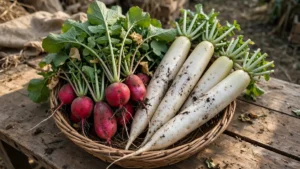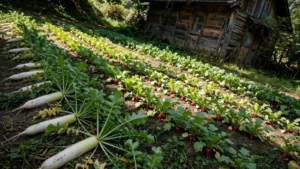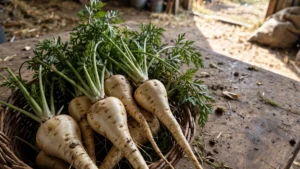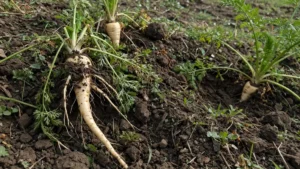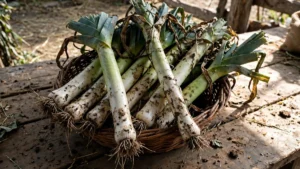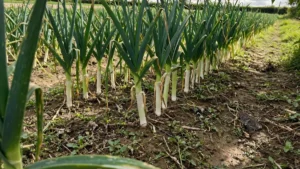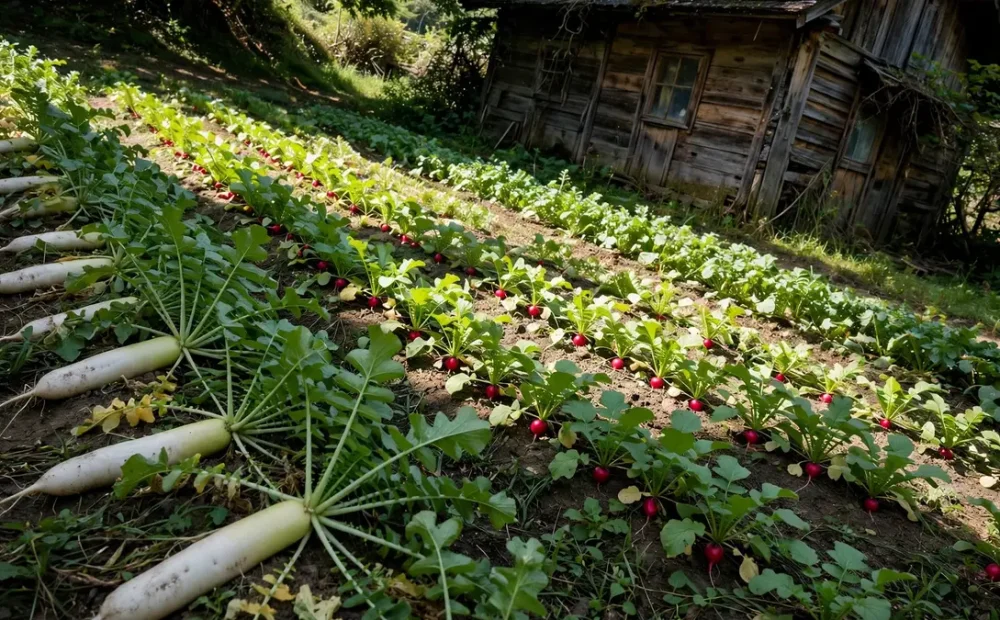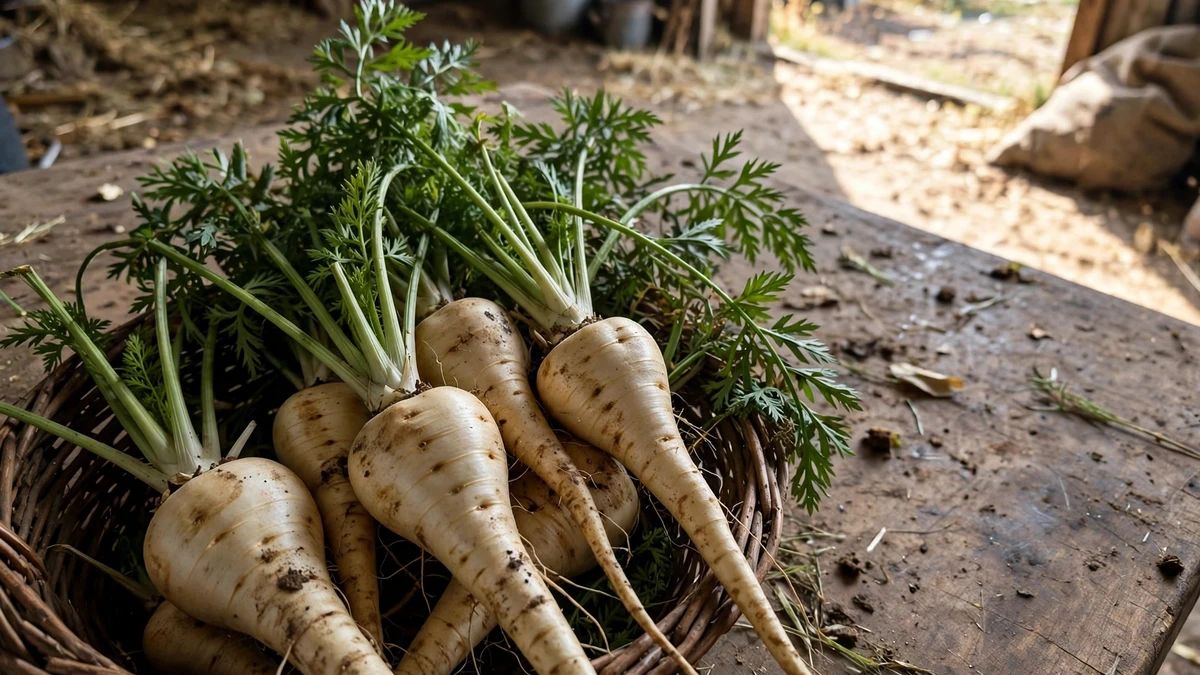
A parsnip farm escape is a slow few days on a working farm in late autumn, built around the moment the long pale roots leave the ground. You sleep in a farmhouse room, walk the rows in the morning frost, and eat the roots roasted that evening — honeyed at the edges, soft inside, straight from soil you stood in hours earlier.
Planning one takes patience. The farms are small, with two or three guest rooms, and the harvest moves with the weather: a cold snap sweetens the roots, a wet week delays the digging, and a farm will only name its week once the roots have lengthened. Book the flights last, the farm first, and leave a spare day at the end.
The nine steps that follow take you from picking a region to bringing a sack of roots home. Each one says what to do, what to skip, who it suits, how long it takes, and the one tip that matters most.
Key takeaways
- Ask when the roots lengthen before you ask the price — a parsnip is dug in late autumn and stored in a clamp through winter.
- Take the frost week over the festival week, since the fair often falls a month after the roots are out of the ground.
- Small farms hold few guests, so the best digging weeks go months ahead.
- Expect plain bedrooms and shared suppers, with muddy boots and roots at every meal.
- A digging date is a forecast, not a promise, and the bread beside the plate is almost always wheat.
What a parsnip farm escape involves
You arrive in late autumn, when the feathery tops are dying back and the pale shoulders of the roots show above the soil. Mornings belong to the fields: the farmer walks the rows with a fork, loosens the deep soil, and pulls the roots out long and straight. Afternoons are slower — sorting in the yard, stacking the clamp, and tasting what the kitchen made from yesterday’s digging.
Evenings are spent at the farm table. The cook roasts the roots with honey or mashes them with butter, and the meal runs to whatever else the farm grew: pork from the next field, apples from the orchard, bread from the village oven. Talk turns to the weather, because the weather decides everything on a root farm.
Three to five nights is the usual length. Shorter and you miss the rhythm of the place; longer and the mud, the early starts and the plain rooms start to wear. The farms that suit guests best are the ones that let you dig a root yourself on the first day rather than watch from the fence.
How to plan it, and what to ask first
Begin with the growing, not the booking. A genuine parsnip farm works deep loose soil, grows the crop across whole fields, and cooks it in its own kitchen. If the farm’s website talks about the view more than the roots, keep looking — the view is free, and the roots are the point.

Write to the farm with three questions: which week will the roots come up, what does the nightly rate cover, and can the kitchen feed a guest who eats no wheat. A farm that answers all three in its first reply is a farm that knows its guests as well as its crop. Vague answers on the rate usually mean extras at checkout; vague answers on the kitchen usually mean trouble at the table.
Judge ripeness by the root, not the calendar. A ready parsnip shows a pale shoulder above the soil, feels firm and heavy in the hand, and smells faintly sweet when the top is cut. Ask the farmer how they tell — a good one will talk about shoulders and frost, not dates.
The 9 steps to plan a parsnip farm escape
Pick the plate before the place
What to do: Pick the plate first — honeyed roast roots, a smooth parsnip soup, or roots simmered in a pot — and let the dish choose the county. Norfolk roasts, the Fens simmer, Brittany stews. What to avoid: Booking the cheapest room and eating roots the farm bought from a wholesaler. Best for: Guests who pick a farm by its cooking rather than its postcode. Time needed: One evening reading the farm’s menus. Standout tip: A farm that roasts its own crop in its own oven understands what it grows.
Wait for the frost to name the week
What to do: Ask for the digging week and hold the flights until the farm names it, because sowing can sit months before the roots are ready. What to avoid: Arriving in the sowing weeks, when the tops are green and the roots are far from ready. Best for: Guests who want the harvest itself, not the planting. Time needed: One email, then a wait while the farm watches the frost. Standout tip: A pale shoulder above the soil means a root worth digging, and the farm knows the week it shows.
Pull a parsnip before you pay in full
What to do: Take a root in your hands in the first hour, so you feel the cream flesh and the weight of it yourself. What to avoid: Settling the whole bill before you have seen a single root out of the ground. Best for: Guests who want proof of the harvest before the money moves. Time needed: Ten minutes in the field when you arrive. Standout tip: A single root held in your hand tells you more than the farm’s whole website.
Eat parsnips at the first supper
What to do: Eat the farm’s roast parsnips at the first supper, before a single field walk, and let the flavour set the tone. What to avoid: Saving the tasting for the last evening, when the roots are cold and the trip is nearly over. Best for: Guests who let flavour lead the journey. Time needed: One meal at the farm table on your first night. Standout tip: Roots eaten after a morning in the fields taste different from roots eaten straight off the road — the farm will tell you so.
Stand by the oven while the roots roast
What to do: Ask whether the parsnips go in with honey, butter or oil, and whether you can watch the roasting. What to avoid: A kitchen that heats tins and calls the result cooking. Best for: Guests who want the digging and the cooking in one trip. Time needed: One message, answered within a day as a rule. Standout tip: A kitchen that roasts its own roots with care is one you can trust with the rest of the stay.
First light, muddy boots, open rows
What to do: Be out among the rows at first light, while the leaves are wet and the ground is cool, and ask which rows come up first. What to avoid: Sleeping late and seeing the fields only under midday rain. Best for: Guests who want the fields at their freshest. Time needed: An hour before breakfast. Standout tip: A firm root is a ripe root, and dawn is the hour to judge it.
Boots for the yard, layers for the stove
What to do: Pack closed boots, a waterproof coat and clothes you can wash by hand — the yard is muddy, the tops are low and the kitchen runs hot. What to avoid: Thin clothes that come back caked in mud by midday. Best for: Guests who want the yard as it is, mud and all. Time needed: A single evening with the suitcase open. Standout tip: Mud works its way into every seam, and a farm that warns you about it is hiding nothing.
The morning the sacks get weighed
What to do: Go with the farmer to the nearest root market on market morning, and watch the sacks weighed, haggled over and loaded. What to avoid: Treating the market as a photo stop and missing the trade itself. Best for: Guests who want to see the root’s life beyond its field. Time needed: Half a morning out with the farmer. Standout tip: The market shows what the region grows and what it merely sells — the farmer will point out which is which.
The farm shop before you leave
What to do: Buy a sack of freshly dug parsnips from the farm shop on the last morning, kept cool, and let the trip travel home with you. What to avoid: Loose roots rolling around the suitcase and bruising everything else. Best for: Guests who want the harvest on their own table. Time needed: An hour in the farm shop. Standout tip: A sack of the farm’s roots brings a small piece of the trip into your own kitchen.
Picking the right season and region
The richest root story sits in Norfolk and Cambridgeshire, where roast parsnips have been served longest and the kitchens run to honeyed roots and smooth soups. Both ease a first-timer in, with short walks and long table meals, and Norfolk adds the widest Broads fields. The farms there have welcomed guests the longest, and both lie near towns with markets of their own, so a rest day still tastes of parsnips.
For scenery with the roots, Brittany sets the fields on a rugged north coast, Wexford on a mild Irish shore, Halland on a wooded Swedish coast and Hawke’s Bay across a warm New Zealand bay. Each one shows the root in a different landscape, so picking between them is as much about the view as the cooking. The southern harvest runs ahead of the northern one, so a trip that pairs two regions should put Hawke’s Bay first and the north last.
For a different crop altogether, the guide to planning a soybean farm escape runs to wide plains and bean pots, a world away from parsnip fields and lifting yards, and the guide to planning a lima bean farm escape offers warm valleys and butter beans in place of pale roots and roast parsnips.
The caveats that matter
The harvest answers to the weather, and a farm will offer a likely week rather than a fixed day. A trip pinned to one digging date is a bet on the frost, and the food is the other thing to weigh — easy to forget when the stay is sold as quiet countryside.
| Detail | What is known |
|---|---|
| Best time to visit | October and November in the northern autumn, April and May in the south, once the roots have lengthened and begun to push out of the soil; the exact week moves with the rain |
| What the work involves | Walking the rows, watching the roots pulled and trimmed, and seeing the parsnips roasted, mashed and cooked in the farm kitchen |
| How long a stay runs | Three to five nights, set around the autumn lifting weeks |
| Who should take care | Guests with a carrot-family allergy, and anyone unused to cold rain, muddy fields or thin mountain air |
| What the kitchen serves | Roast parsnips, parsnip soup, mashed roots and pot-au-feu, with bread and farm tea poured beside the plate |
| Gluten note | Parsnips are naturally free of gluten, but the bread and pastry served beside them are usually wheat, so ask the kitchen what it can safely serve |
| What to pack | Sturdy closed boots, a waterproof coat, a warm layer for cold evenings, and clothes you can wash by hand |
| What it does not do | No promised lifting day, no set menu, and no hotel-style service on a working farm |
A carrot-family allergy or a strict gluten-free diet is worth raising before you book. One plain question about the kitchen and the roots can spare you a difficult stay, and a farm that answers plainly is usually the right one. The guide to planning a navy bean farm escape carries the same warning, because the bread on those tables is baked from grain as well.
Checklist: before you book a parsnip farm escape
Run through this list before you pay, and once more in the week before you leave.
- Get the digging week in writing, and ask what the farm does if the roots are still small when you arrive.
- Check that supper, the lift from the nearest town and the field walks are all inside the nightly rate before you pay.
- Confirm the digging and the cooking both happen on the farm, and that the kitchen can serve a meal with no parsnips in it.
- Ask to see the bedroom before you commit, and check the bed, the hot water and the heating — farm rooms are plain, and you should know it before you pay.
- Bring closed boots, a waterproof coat and a warm layer, plus clothes you can wash by hand — the fields are muddy and the rain is cold.
- Keep one day open for the nearest town, so a harvest that slips still leaves a good trip.
Frequently asked questions
Is a parsnip farm a good trip for a gluten-free traveller?
Partly. The roots carry no gluten and the digging and the fields are worth the journey on their own, but the bread and pastry on the table are usually wheat. Ask the farm what it can serve a gluten-free guest, and pick the digging week over the week the ovens run.
When should I book a parsnip farm stay?
Three months at least, and a year for the New Zealand farms, because the farms hold few guests and the digging week is short. The best farms fill their digging weeks first, so a late booking often lands the week after the roots are out. A farm that fills early says so in its first message, and slow replies usually mean room is left.
What goes in the bag for parsnip country?
Boots that close, a waterproof coat, a warm layer for the evenings and clothes you can wash by hand. The ground is muddy, the tops are low and the kitchen is hot, so dress for wet fields rather than a hotel dining room. Spare socks in the car matter more than a second coat, because wet feet end a field walk sooner than cold air does.
Do parsnip farms welcome children?
Most do, provided the children can walk the fields and keep away from the clamp and the machines. The digging is gentle to watch, the fields are open and children usually love the roots and the animals, but the yard is muddy and the machines are heavy, so keep them close.
What is worth bringing home from a parsnip farm?
A sack of roots from the farm shop, and a packet of seed from the farm’s own fields if it sells any. Some farms sell jars of pickled roots too. Choose roots over tops, since the tops wilt within a day, and keep the seed in a sealed jar. Dried parsnip seed keeps for years in a cool cupboard, and a packet of it is the lightest souvenir a farm can sell.
How much does a week on a parsnip farm run to?
About $450 at the low end and $2,600 at the high end for a week for two, with the region and the room deciding the rest. Norfolk is the cheapest stay here and Hawke’s Bay the dearest, and the flights usually cost the most, so settle the digging week before you book the travel.
The bottom line
A parsnip farm escape fits travellers who would rather pull roots from deep loose soil and eat them roasted the farm’s own way than sit in a hotel dining room. The finest stays feed you from ground they worked themselves, and the roots arrive warm from the kitchen.
Settle the digging week before the travel dates, and keep a day spare at the end. If the roots come up on time you will eat parsnips pulled that week, and if they do not, the broads, the fens and the old towns will carry the trip.