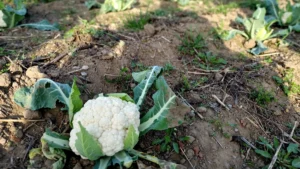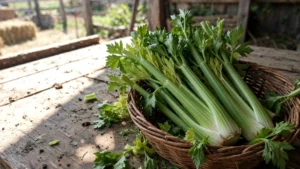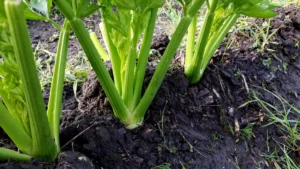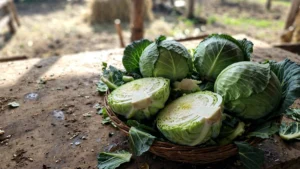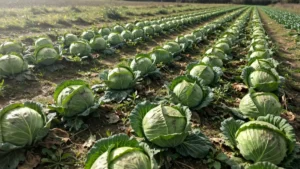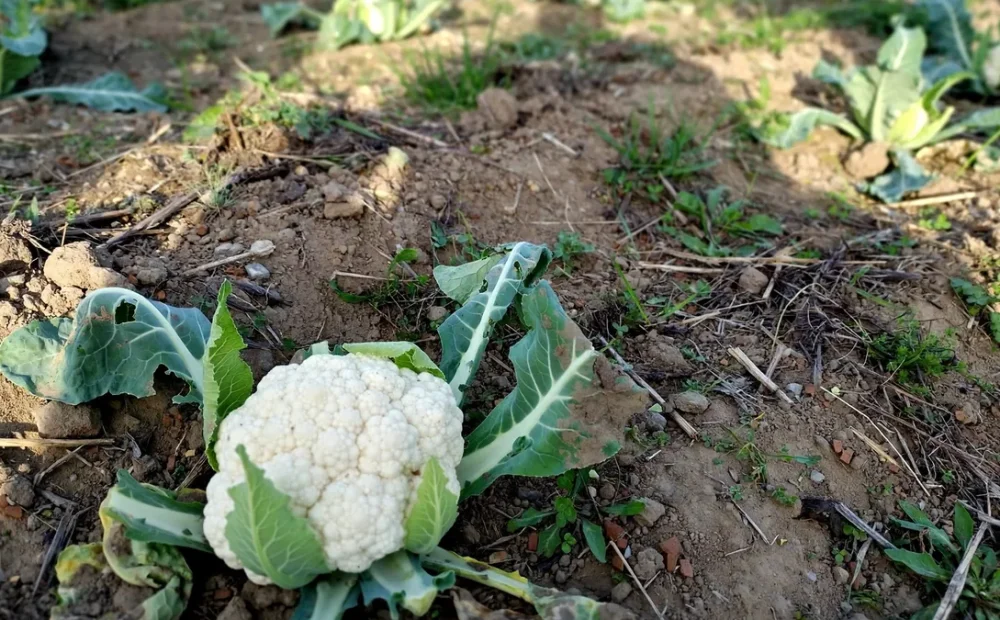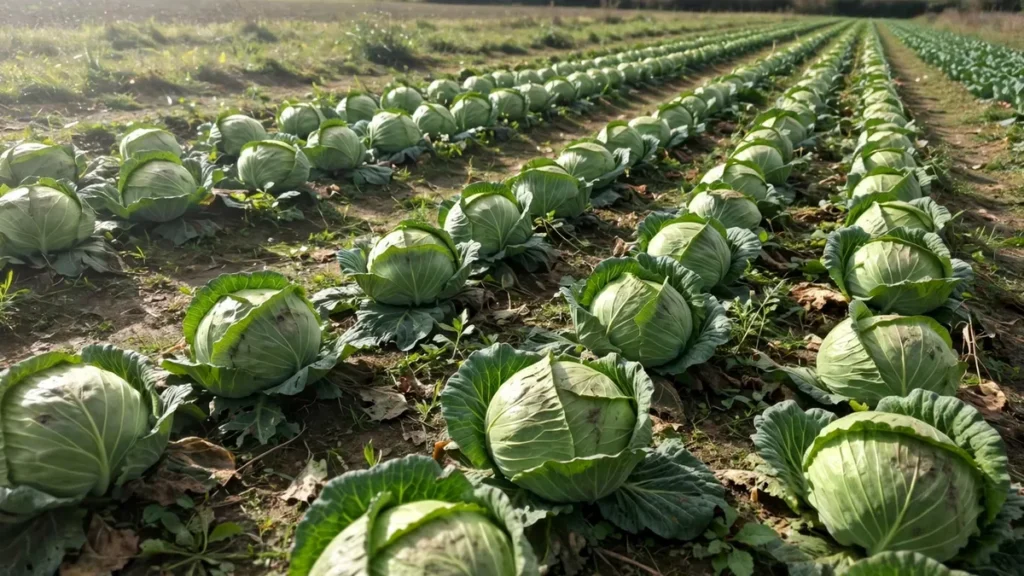
Cabbage is the patient vegetable of the farm, and the most forgiving. A seed sown in cool soil grows slowly into a dense head that keeps for months in a cellar, which is why farms plant it in wide beds through summer and cut it in autumn, and why a head left in the ground after heavy rain splits open and spoils. The cabbage family is wider than the plain green head most people know: the crinkled savoy with its soft leaves, the deep red cabbage that dyes the pot purple, and the tight white cabbage that ferments into sauerkraut.
A cabbage farm retreat is a few nights on a working farm in the cutting weeks, when the heads are heavy and the kitchen is shredding what the fields grew. You sleep in a farmhouse room, eat cabbage from the farm’s own beds, walk the rows while the morning is still cool, and watch heads cut from their stalks and carried to the kitchen for soup, slaw and the fermenting crock. The farms stretch from the Japanese highlands to the Chilean south, and the cool-season head ties them together.
Here are nine cabbage farm retreats to weigh for 2027, from the cheapest Nagano stay to the dearest Biobío farm, covering savoy, red and white cabbage, so the decision turns on the way you travel rather than the place on the map.
Key takeaways
- Cabbage is a cool-season crop: heads form slowly through summer and are cut in autumn, so the cutting window is short and the farm names its week, not a month.
- Green cabbage suits slaw and soup, savoy suits gentle braising, red cabbage suits pickling, and white cabbage suits the fermenting crock, so the dish follows the variety.
- A cabbage head should be cut firm and heavy, while the leaves are still tight, because one left in the ground after heavy rain splits and rots.
- Cabbage farms run small, with a handful of rooms and meals shared at one table, so expect plain comfort and soil on your boots.
- Cabbage carries no gluten, but the bread and pastry served beside it are usually wheat, so settle the kitchen and the calendar before you pay.
What a cabbage farm retreat actually is
A cabbage farm retreat means three to five nights on a working farm that grows cabbage, with the cutting weeks as the reason for the trip. Guests sleep in a farmhouse room or a converted barn, eat what the farm kitchen cooks, and join the harvest, walking the rows to see the heads cut, the savoy lifted, and the red cabbage carried in for pickling.
Cabbage has been grown in Europe for thousands of years, and the great cabbage regions took shape around the dishes they served. Germany turned white cabbage into sauerkraut, Korea salted its cabbage into kimchi, Poland cooked it into bigos, and Ireland mashed it with potatoes for colcannon.
Days on these farms follow the head’s timetable rather than a hotel’s, with supper served at one shared table and genuine work offered to guests who ask for it. The cutting itself is unhurried work, a knife through the stalk and the head lifted into a basket, and guests who join in learn quickly how heavy a good head feels in the hand. A head that feels light for its size has usually been left too long.
How we picked these stays, and what to ask first
We began with where cabbage truly grows, not where it sells best. A genuine cabbage farm offers beds to walk through, heads to stand among at cutting time, and a kitchen working with its own cabbage. A farm that buys its cabbage in is not a cabbage farm, whatever the website says.

The best farms keep their guest lists short, so the cutting stays honest work rather than a performance for visitors. They also spell out plainly what the nightly rate covers, with supper, the ride in from the nearest town and walks among the beds folded into the price instead of added on arrival. Plain talk about sowing, cutting and fermenting is usually a sign the farm looks after its guests well too.
The 9 best luxury cabbage farm retreats of 2027
Nagano, Japan — Cabbage Fields Below the Northern Alps
What we like: Cabbage in Nagano grows on the cool highland plain below the Northern Alps, and the farm pickles it lightly with salt for supper. The air is thin and clean, the fields run wide, and the kitchen serves pickled cabbage, cabbage soup and warm rice.
What to consider: The highland season is short, and the cutting week fills early, so the farm books its rooms a year ahead.
Style: Japanese highland farm stay. Best for: Travellers who want cabbage where Japan grows it cold. Price range: $65–$95 per night. Standout feature: Lightly pickled cabbage from heads cut that morning.
Gangwon, South Korea — Kimchi Cabbage in the Mountain Valleys
What we like: Cabbage in Gangwon grows in the mountain valleys of the province, and the farm salts it into kimchi with chilli and garlic. The valleys are cool, the pine woods run above the fields, and the kitchen serves kimchi, cabbage soup and warm rice.
What to consider: The valley roads are steep at cutting time, and the farm sits far from the railway.
Style: Korean mountain farm stay. Best for: Travellers who want kimchi cabbage from the mountains. Price range: $100–$130 per night. Standout feature: Kimchi made from cabbage grown in the valleys.
County Cork, Ireland — Cabbage by the Atlantic Shore
What we like: Cabbage in County Cork grows on the green fields above the Atlantic shore, and the farm mashes it with potatoes for colcannon. The shore is wild, the stone walls run through the fields, and the kitchen serves colcannon, cabbage soup and warm soda bread.
What to consider: The Atlantic wind is strong at cutting time, and the farm sits far from the airport road.
Style: Irish coastal farm stay. Best for: Travellers who want cabbage mashed the Irish way. Price range: $135–$165 per night. Standout feature: Colcannon made from cabbage cut that morning.
Normandy, France — Cabbage and Cider in the Orchard Country
What we like: Cabbage in Normandy grows among the orchards of the cider country, and the farm braises it with apples and pork. The light is soft, the markets fill with heads, and the kitchen serves braised cabbage, cabbage soup and warm bread.
What to consider: The autumn rain is steady at cutting time, and the heads need cutting every morning, so the days start early.
Style: Norman orchard farm stay. Best for: Travellers who want cabbage braised with apples the French way. Price range: $170–$200 per night. Standout feature: Braised cabbage with apples from the orchard fields.
Saxony, Germany — Sauerkraut Cabbage on the Elbe Plain
What we like: Cabbage in Saxony grows on the wide plain beside the Elbe, and the farm shreds it for sauerkraut in tall crocks. The plain is flat, the villages keep their timber houses, and the kitchen serves sauerkraut, cabbage soup and warm bread.
What to consider: The plain is a long drive from the cities, and the autumn mist hangs over the fields at harvest time.
Style: German plain farm stay. Best for: Travellers who want sauerkraut from the Elbe plain. Price range: $205–$235 per night. Standout feature: Sauerkraut from cabbage grown beside the river.
Silesia, Poland — Cabbage for the Bigos Pot
What we like: Cabbage in Silesia grows on the lowland fields of the south, and the farm cooks it into bigos with sausage and mushrooms. The fields are wide, the farmhouse keeps its brick walls, and the kitchen serves bigos, cabbage soup and warm rye bread.
What to consider: The lowland fog is thick at cutting time, and the farm sits far from the railway.
Style: Polish lowland farm stay. Best for: Travellers who want cabbage cooked into bigos. Price range: $240–$270 per night. Standout feature: Bigos from cabbage grown on the lowland fields.
Nitra, Slovakia — Cabbage from the Danube Lowlands
What we like: Cabbage in Nitra grows on the warm lowlands below the hills, and the farm ferments it in wooden barrels for the winter. The lowlands are flat, the farm stands are generous, and the kitchen serves fermented cabbage, cabbage soup and warm bread.
What to consider: The farm is a long drive from Bratislava, and the harvest falls in the opposite season to the northern farms, so plan a year ahead.
Style: Slovak lowland farm stay. Best for: Travellers who want fermented cabbage from the Danube lowlands. Price range: $275–$305 per night. Standout feature: Fermented cabbage from heads grown in the lowlands.
New Hampshire, United States — Cabbage in the Autumn Hills
What we like: Cabbage in New Hampshire grows in the autumn hills of New England, and the farm shreds it for slaw with apples and cider vinegar. The hills are bright with autumn colour, the barns stand red against the trees, and the kitchen serves cabbage slaw, cabbage soup and warm cornbread.
What to consider: The farm is the second dearest stay here, and the hill rain arrives without warning, so pack for wet mornings.
Style: New England hill farm stay. Best for: Travellers who want cabbage slaw the New England way. Price range: $310–$340 per night. Standout feature: Cabbage slaw with apples from the autumn hills.
Biobío, Chile — Cabbage at the End of the Southern Season
What we like: Cabbage in Biobío grows on the river plain below the coastal hills, and the farm serves it pickled with onions and chilli. The plain is wide, the farmhouse keeps its timber roof, and the kitchen serves pickled cabbage, cabbage soup and warm bread.
What to consider: The farm is the dearest stay here, and the plain wind is cold at cutting time, so bring a warm layer.
Style: Chilean river plain farm stay. Best for: Travellers who want cabbage pickled the Chilean way. Price range: $345–$380 per night. Standout feature: Pickled cabbage with chilli from the river plain.
Which cabbage region fits your trip
If you want cabbage where the head is treated as a dish, start with Nagano or Saxony, where the cabbage is pickled, fermented and served the same day it was cut. Both suit a first-timer, with gentle walks and unhurried meals at the farm’s own table.
If you want scenery with your cabbage, the Biobío and New Hampshire put the beds in wide hills, Gangwon in mountain valleys, and Normandy among the orchards.
If you want the root that goes with the cabbage, our guide to the turnip farm retreats covers a different crop altogether, with Scottish neeps and Japanese kabu instead of cabbage beds and fermenting crocks, and the beetroot farm retreats offer another red vegetable, with borscht and roasted beets instead of kimchi and sauerkraut.
The caveats that matter
Cabbage farming answers to the weather: farms give a best guess, never a promise, and a trip pinned to one cutting day gambles on rain. The real warning is the cabbage itself, easy to miss when the stay is sold as gentle country.
| Detail | What is known |
|---|---|
| Best time to visit | Autumn in the north for the cutting weeks, with the southern season running the other way round |
| What the work involves | Walking the rows, watching the heads cut and the savoy lifted, and seeing the cabbage shredded in the farm kitchen |
| How long a stay runs | Three to five nights, set around the cutting weeks |
| Who should take care | Guests with a cabbage or mustard-family allergy, and anyone unused to fierce sun, loose soil or thin mountain air |
| What the kitchen serves | Kimchi, sauerkraut, bigos, colcannon and braised cabbage, with fresh bread and farm butter beside the plate |
| Gluten note | Cabbage carries no gluten, but the bread and pastry served beside it are usually wheat, so ask the kitchen what it can safely serve |
| What to pack | Closed walking shoes, a broad sun hat, a warm layer for chilly nights, and clothes that wash easily by hand |
| What it does not do | No promised cutting day, no fixed menu, and no hotel-style service on a working farm |
Anyone with a mustard-family allergy or a strict gluten-free diet should ring the farm before booking. A single question about the kitchen and the cabbage can save you a difficult stay, and a farm that answers honestly is usually worth the visit. The same warning holds in our carrot farm retreats, where the loaves on those tables are wheat as well.
Checklist: booking a cabbage farm stay honestly
Work through this list before you pay, and go over it again in the week before you travel.
- Put the cutting window in writing, and ask what happens if the heads are still small when you arrive.
- Check that the nightly rate covers supper, the ride in from the nearest town and the walks among the beds.
- Ask whether the cutting and fermenting happen on the farm, and whether the kitchen can serve a meal without cabbage.
- Before you pay, walk into the bedroom and work the bed, the taps and the heater, because the rooms are plain.
- Pack for sun and soft ground: sturdy shoes, a hat, a warm layer for cold evenings, and clothes you can wash by hand.
- Leave one day free for the nearest town, so a cutting week that shifts still leaves a good trip.
Frequently asked questions
How is savoy cabbage different from green cabbage?
Savoy cabbage has soft, crinkled leaves and a mild, sweet flavour, and it braises gently without turning tough, while green cabbage has smooth, tight leaves and a firmer bite, and it suits slaw and soup. Savoy cooks quickly, green cabbage holds its crunch, and both come from the same plant family.
When does cabbage ripen in the northern hemisphere?
Cabbage heads ripen from late summer into autumn in the north, with the southern crop running the other way round. Rain and frost shift the week, so ask for the farm’s cutting window rather than a single date, and book no flights until that window is set.
How can you tell a cabbage is ready to cut?
A ripe cabbage shows a firm, heavy head above the soil, tight leaves, and a head that feels solid when you squeeze it gently. Cut one and the leaves should be crisp, bright and fresh, and the bed should smell of damp earth and green leaves.
May I help with the cutting and the fermenting?
Most farms let guests walk the rows, join the cutting and sit at the shredding table, and some invite you into the kitchen to pack the crock. The cutting itself is easy work, so ask the farm what guests may do before you book, and expect soil on your hands in any case.
Which region suits a first cabbage farm trip?
Normandy is the easiest first trip: the cabbage beds are widest there, the farms are used to guests, and the braised cabbage with apples best shows what the head can do. If you want the story as well as the bowl, Gangwon is the mountain province where the cabbage has been salted into kimchi for generations.
Can a gluten-free traveller eat well on a cabbage farm?
Mostly. The fields, the cutting and the harvest are worth the trip alone, and cabbage carries no gluten, but the bread and pastry served beside the cabbage are usually wheat. Find out from the farm what a gluten-free guest can eat, and pick a cutting week that comes before the bread-baking week.
The bottom line
A cabbage farm retreat suits travellers who prefer slow heads, fermenting crocks and cabbage cooked the farm’s own way to a hotel. The savoy braises gently, the kimchi ferments in the jar, and the finest stays feed you from ground they worked themselves.
Set the cutting week before you book the travel dates, and leave a spare day at the end. When the cabbage ripens on time you will eat cabbage cut that morning, and when it does not, the hills, the valleys and the old towns will still carry the trip.