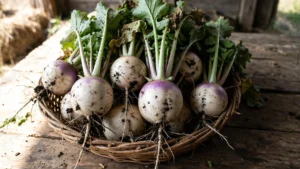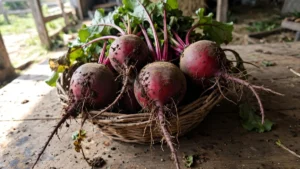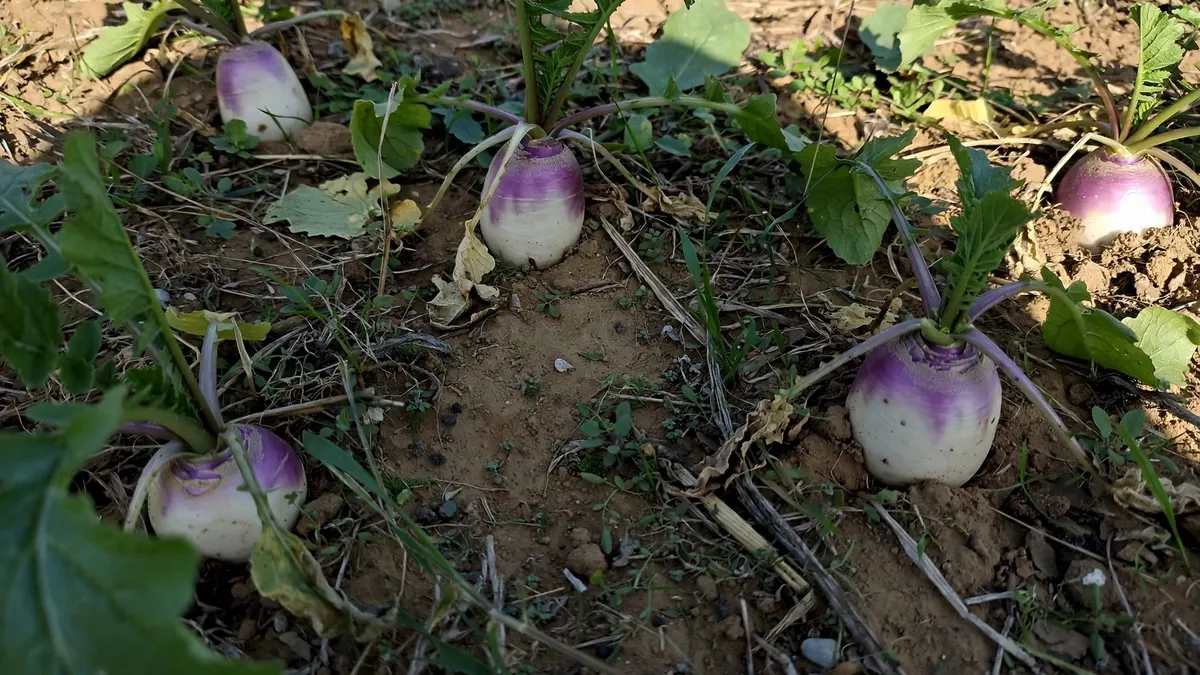
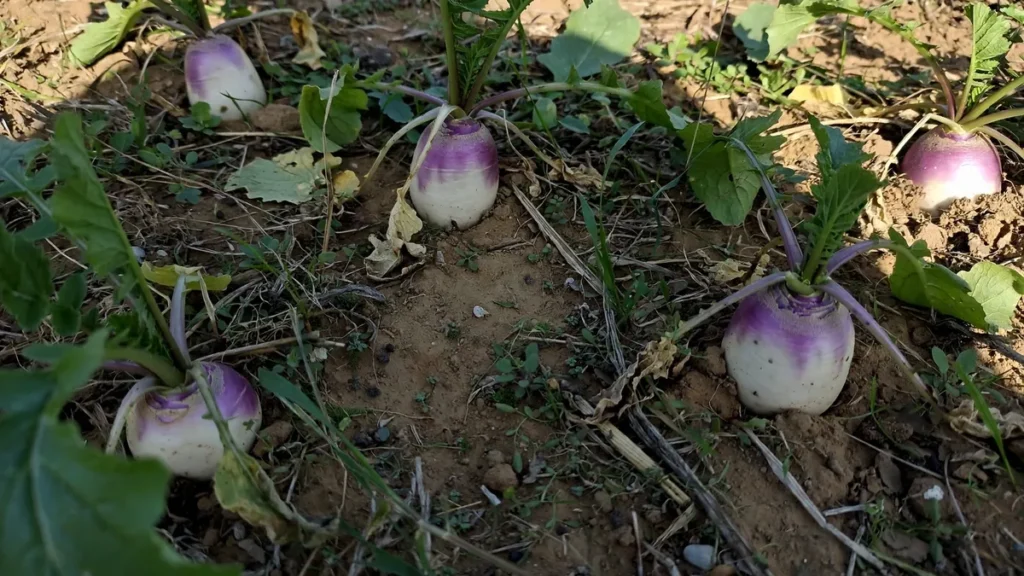
Turnips are the plainest root in the kitchen garden, white below and purple at the crown, mild and faintly peppery once cooked. Botanists place the plant in Brassica rapa, the same family as cabbage and mustard, and farmers have grown it for centuries because it asks for little and stores through the cold months. In Scotland the root is a neep, mashed beside haggis on Burns Night, and in Japan the small white kabu is eaten pickled, simmered and raw.
A turnip farm retreat means a few nights on a working farm at lifting time, when roots come out of loose soil, lose their tops and ride to the barn in baskets. The room is a farmhouse bedroom, the evening meal is turnips mashed that day, the rows are walked while the leaves stay green, and the roots go into a straw clamp for the winter store. The farms stretch from the Scottish glens to a peninsula in Japan, and the white root with its purple crown ties them together.
Nine turnip farm retreats follow, running from the cheapest Perthshire stay to the dearest Maine farm. Each is weighed on what it does well, what it holds back and the traveller it fits, so the choice follows how you travel rather than where the farm sits.
Key takeaways
- Turnips are lifted in autumn once the roots swell, and a light frost sweetens them, so ask the farm for its lifting week before anything else.
- The neep of Scotland and the kabu of Japan are the same root under different cooking, and a farm that knows both kitchens feeds you twice as well.
- Northern roots come up in September and October, southern ones in March and April, and rain can shift either by a week.
- These farms hold a handful of guests at most, so the rooms stay plain, supper comes family-style and your boots will carry mud.
- Turnips carry no gluten, but the bread and oatcakes on the table are usually wheat, and no farm will promise a lifting date.
What a turnip farm retreat actually is
A turnip farm retreat is three to five nights on a working farm at lifting time, when the roots come out of the ground and go into the clamp. Guests sleep in a farmhouse room or a converted barn, eat from the farm kitchen, and join the harvest, walking the rows to watch the roots pulled, trimmed and stored for winter.
Cold countries have lived on turnips for centuries, and the great turnip regions grew up around the dishes they cook. The Scottish glens run to neeps and tatties at Burns Night, the Somerset fields to roast dinners and stews, and the Japanese fields to pickled kabu and clear soup, where the root is prized small and sweet.
The day follows the field, not the clock: supper comes family-style, and anyone who wants a hand in the lifting gets one. The tops go to the animals or the compost heap, the roots are graded in the yard, and the best of the crop goes into the clamp while the rest goes straight to the kitchen.
How we picked these stays, and what to ask first
We started with where turnips genuinely grow, not where they are sold. A real turnip farm has fields you can walk, roots you can stand among at lifting time and a kitchen cooking its own crop. One that buys its roots in is no turnip farm, whatever its website says.
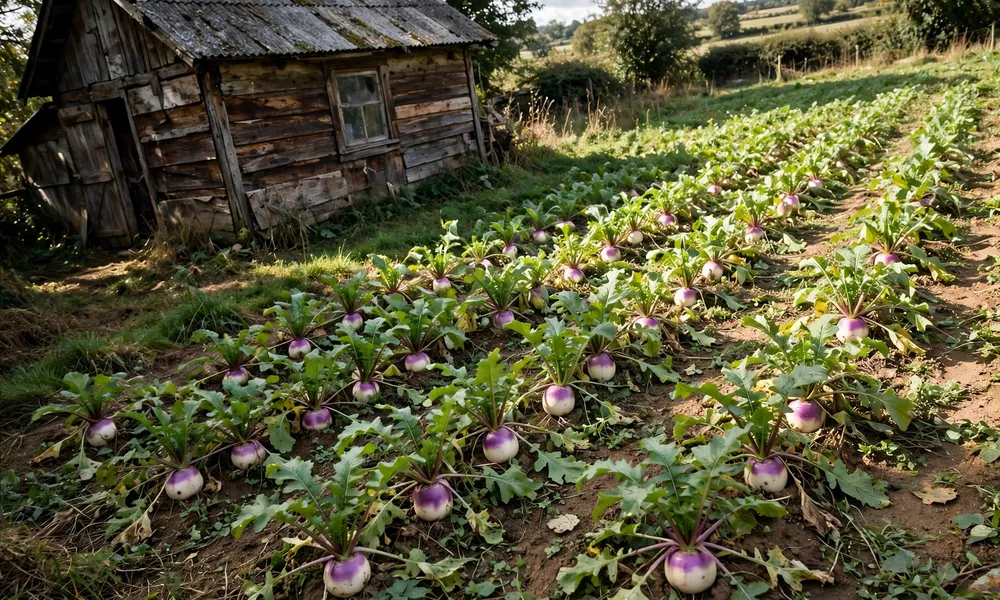
Small farms are the point: with only a few rooms, the lifting is real work and not a show put on for visitors. Ask what the nightly rate takes in before you pay — supper, the lift from the nearest town and the walks through the fields should be part of it, not extras on arrival. Straight answers about the lifting, the trimming and the mash usually mean straight dealing everywhere else.
The 9 best luxury turnip farm retreats of 2027
Perthshire, Scotland, United Kingdom — Neeps on the Tay Valley
What we like: Perthshire grows neeps in the rich soil of the Tay valley, and the farm lifts them in October, mashing the roots with butter for the Burns suppers it serves through the winter. The farmhouse is a stone house with a peat fire, and the kitchen serves neeps, tatties and haggis on cold evenings.
What to consider: The valley is damp and the autumn days are short, so the lifting starts early.
Style: Perthshire farmhouse stay. Best for: Travellers who want neeps where Scotland grows them best. Price range: $65–$95 per night. Standout feature: Neeps mashed with butter from the farm’s own dairy.
Angus, Scotland, United Kingdom — Neeps Below the Angus Glens
What we like: Angus grows turnips on the red soil below the glens, and the farm roasts them with carrots and parsnips for the Sunday table. The glens are steep and green, and the kitchen serves roast roots, barley broth and warm oatcakes.
What to consider: The glen roads are narrow and the farm sits far from the towns, so the evenings are quiet.
Style: Angus glen farm stay. Best for: Travellers who want turnips below the Scottish hills. Price range: $100–$130 per night. Standout feature: Roast roots from the farm’s own fields, served with barley broth.
County Galway, Ireland — Turnips on the Galway Plain
What we like: Galway grows turnips in the limestone soil of the western plain, and the farm simmers them in stews with lamb and barley for the evening meal. The plain is wide and stony, and the kitchen serves turnip stew, soda bread and farm tea.
What to consider: The Atlantic wind is strong and the farm is a long drive from the airport, so the journey takes a day.
Style: Galway farm stay. Best for: Travellers who want turnips from Ireland’s west. Price range: $135–$165 per night. Standout feature: Turnip and lamb stew cooked in the farm’s own kitchen.
Shropshire, England — Turnips in the Welsh Marches
What we like: Shropshire grows turnips in the red soil of the border hills, and the farm mashes them with potatoes for the farmhouse table. The marches are rolling and quiet, and the kitchen serves mashed roots, roast pork and warm bread.
What to consider: The border lanes are narrow, so the farm is best reached by car.
Style: Shropshire border farm stay. Best for: Travellers who want turnips from the English border country. Price range: $170–$200 per night. Standout feature: Mashed turnips and potatoes from the farm’s own fields.
Somerset, England — Turnips on the Somerset Levels
What we like: Somerset grows turnips in the rich soil of the Levels, and the farm roasts them with honey and thyme for the autumn table. The Levels are flat and green, and the kitchen serves roast turnips, farm cider and warm bread.
What to consider: The Levels flood after heavy rain, so the lifting week can move.
Style: Somerset farm stay. Best for: Travellers who want turnips from England’s south-west. Price range: $205–$235 per night. Standout feature: Roast turnips with honey from the farm’s own hives.
Friesland, Netherlands — Turnips on the Frisian Clay
What we like: Friesland grows turnips in the heavy clay of the northern lowlands, and the farm mashes them with potatoes and kale for stamppot, the Dutch winter dish. The land is flat and open, and the kitchen serves stamppot, sausage and warm rye bread.
What to consider: The lowland wind is cold and the farm sits far from the cities, so the days are short and quiet.
Style: Frisian farm stay. Best for: Travellers who want turnips from the Dutch lowlands. Price range: $240–$270 per night. Standout feature: Stamppot mashed from the farm’s own roots and kale.
Brandenburg, Germany — Turnips on the Märkische Sands
What we like: Brandenburg grows turnips in the sandy soil of the Märkische fields, and the farm simmers them in stews with pork and juniper for the winter table. The pine woods are wide and quiet, and the kitchen serves turnip stew, dark bread and farm beer.
What to consider: The sandy soil dries fast in a dry autumn, so the roots can run small.
Style: Brandenburg farm stay. Best for: Travellers who want turnips from the German sands. Price range: $275–$305 per night. Standout feature: Turnip stew with juniper from the farm’s own woods.
Chiba, Japan — Turnips on the Boso Peninsula
What we like: Chiba grows small white kabu turnips in the sandy soil of the Boso Peninsula, and the farm pickles them lightly and simmers them in clear soup. The peninsula is mild and green, and the kitchen serves pickled kabu, miso soup and warm rice.
What to consider: The kabu are small and sweet, so the lifting is gentle work and the roots are eaten within days.
Style: Japanese peninsula farm stay. Best for: Travellers who want kabu turnips where Japan grows them best. Price range: $310–$340 per night. Standout feature: Small white kabu pickled the morning they are pulled.
Maine, United States — Turnips on the Down East Coast
What we like: Maine grows turnips in the rocky soil of the Down East coast, and the farm mashes them with butter for the autumn table, serving them beside roast chicken and root vegetables. The coast is cold and clear, and the kitchen serves mashed turnips, roast chicken and warm biscuits.
What to consider: The farm is the dearest stay here, and the autumn weather turns fast on the coast.
Style: Maine coastal farm stay. Best for: Travellers who want turnips at the far end of the map. Price range: $345–$380 per night. Standout feature: Mashed turnips with butter from the farm’s own dairy.
Which turnip region fits your trip
For the deepest root story, head for Perthshire or Angus, where neeps have been mashed longest and the kitchens run to haggis suppers and roast roots. Either suits a first visit, with short walks and slow meals together.
Scenery comes with the roots in Chiba, on a mild peninsula, in Galway, on a wide western plain, in Friesland, on flat northern clay, and in Somerset, across the flat green Levels. The view matters as much as the cooking, since each region shows the root in a different landscape.
For a different crop altogether, the chickpea farm retreats run to Mediterranean heartlands and hummus tables, a world away from turnip fields and lifting yards, and the lentil farm retreats offer high plateaus and soup pots in place of white roots and mashed neeps.
The caveats that matter
A turnip trip hangs on the weather more than the brochure admits. Farms offer a likely week, never a fixed day, and a booking tied to a single lifting date is a bet on the rain holding off. The other thing to weigh is the food itself, which is easy to forget when the stay is sold as quiet countryside.
| Detail | What is known |
|---|---|
| Best time to visit | September and October in the northern autumn, March and April in the south, once the roots swell and the tops stand tall; the precise week shifts with the rain |
| What the work involves | Walking the rows, watching the roots pulled, trimmed and clamped, and seeing the turnips mashed, roasted and cooked in the farm kitchen |
| How long a stay runs | Three to five nights, set around the autumn lifting weeks |
| Who should take care | Guests with a brassica allergy, and anyone unused to cold rain, muddy fields or thin mountain air |
| What the kitchen serves | Mashed neeps, roast roots, turnip stews and stamppot, with bread and farm tea poured beside the plate |
| Gluten note | Turnips carry no gluten, but the bread and oatcakes served beside them are usually wheat, so ask the kitchen what it can safely serve |
| What to pack | Sturdy closed boots, a waterproof coat, a warm layer for cold evenings, and clothes you can wash by hand |
| What it does not do | No promised lifting day, no fixed menu, and no hotel-style service on a working farm |
A brassica allergy or a strict gluten-free diet is worth raising before you pay. One direct question about the kitchen and the roots can save a difficult stay, and a farm that answers it without fuss is usually the right one. The adzuki bean farm retreats carry the same warning, because the bread on those tables is baked from grain as well.
Checklist: booking a turnip farm stay honestly
Work through this list before you pay, then again in the week before you leave.
- Ask for the lifting week in writing, and what the farm does if the roots have not swollen by then.
- Find out what the nightly rate takes in — supper, the lift from the nearest town and the field walks should be part of it.
- Make sure the lifting and the cooking both happen on the farm, and that the kitchen can feed you a meal with no turnips in it.
- See the bedroom before you commit, and test the bed, the water and the heating, because farm rooms stay plain.
- Pack for cold rain and mud: closed boots, a waterproof coat, a warm layer for cold evenings, and clothes you can wash by hand.
- Leave a day free for the nearest town, so a lifting that slips still leaves a good trip.
Frequently asked questions
What is a turnip, and how is it different from a swede?
A turnip is Brassica rapa, a round white root with a purple crown, mild and faintly peppery once cooked. A swede, also called a rutabaga, is Brassica napus, larger, yellow-fleshed and sweeter, and the two are often confused in the shops. Turnips cook faster, mash softer and suit a lighter hand with seasoning, while swedes need a longer boil and hold their shape in a stew.
When do turnips ripen?
The northern crop is lifted in September and October, the southern harvest lands in March and April, and the roots are clamped once the tops die back. The lifting runs a week or two, and rain can push it either way, so get the farm’s window in writing and hold off on flights until it is fixed.
Are turnips safe to eat raw?
Young turnips can be eaten raw — the small white kabu is often sliced into salads — but full-grown roots are best cooked, since the peppery bite is strong and the flesh is hard. Peel them, cut them small and roast or mash them, and save the raw eating for the young ones the farm pulls early.
How can you tell a turnip field is ready to lift?
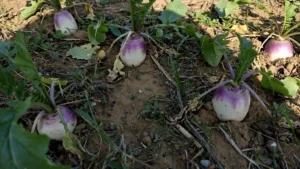
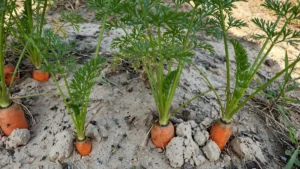
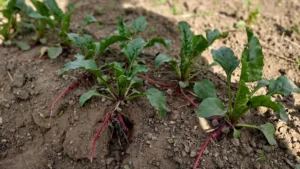
A ripe turnip field shows broad green tops with roots pushing up out of the soil, their purple crowns showing at the surface. Pull one and the root should feel firm and heavy, white below and purple at the top, and the field should smell of damp earth and green leaves.
Which region suits a first turnip trip?
Start in Perthshire: the farms there know guests well, the fields run wide along the Tay, and the neeps are mashed the way they have been for generations. For the story behind the root, Angus adds the glens and the long history of the neep at the Scottish table.
Can a gluten-free traveller eat well on a turnip farm?
Yes, with a word to the kitchen first. The roots themselves carry no gluten, and the lifting and the fields are worth the journey on their own, but the bread and oatcakes on the table are usually wheat. Talk to the farm about what a gluten-free guest can eat, and time your visit for the lifting week instead of the baking week.
The bottom line
A turnip farm stay fits travellers who would rather pull roots from loose soil and eat them mashed the farm’s own way than sit in a hotel dining room. The best of them feed you from ground they worked themselves, and the roots arrive warm from the kitchen.
Settle the lifting week before you book the travel, and hold a day in reserve at the end. If the roots come up on time you will eat turnips pulled that week, and if they do not, the hills, the valleys and the old towns will carry the trip anyway.