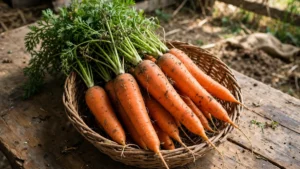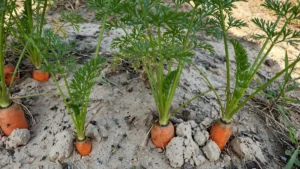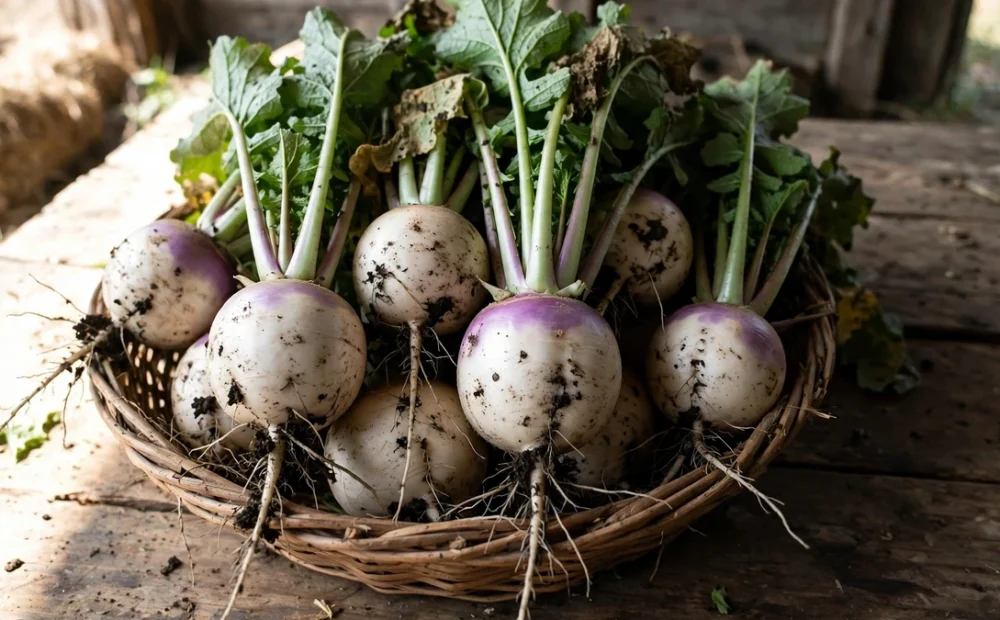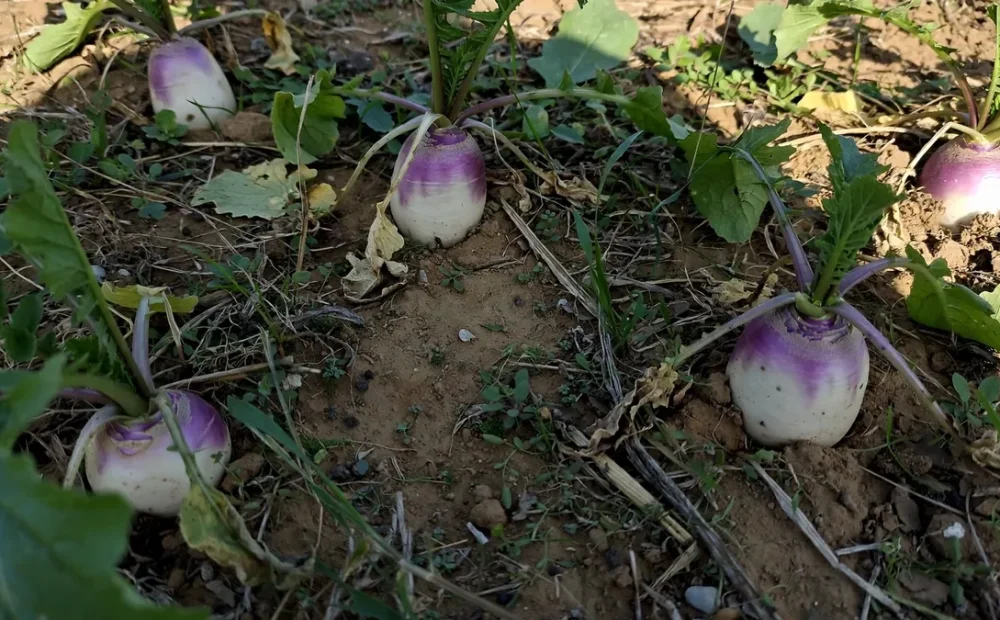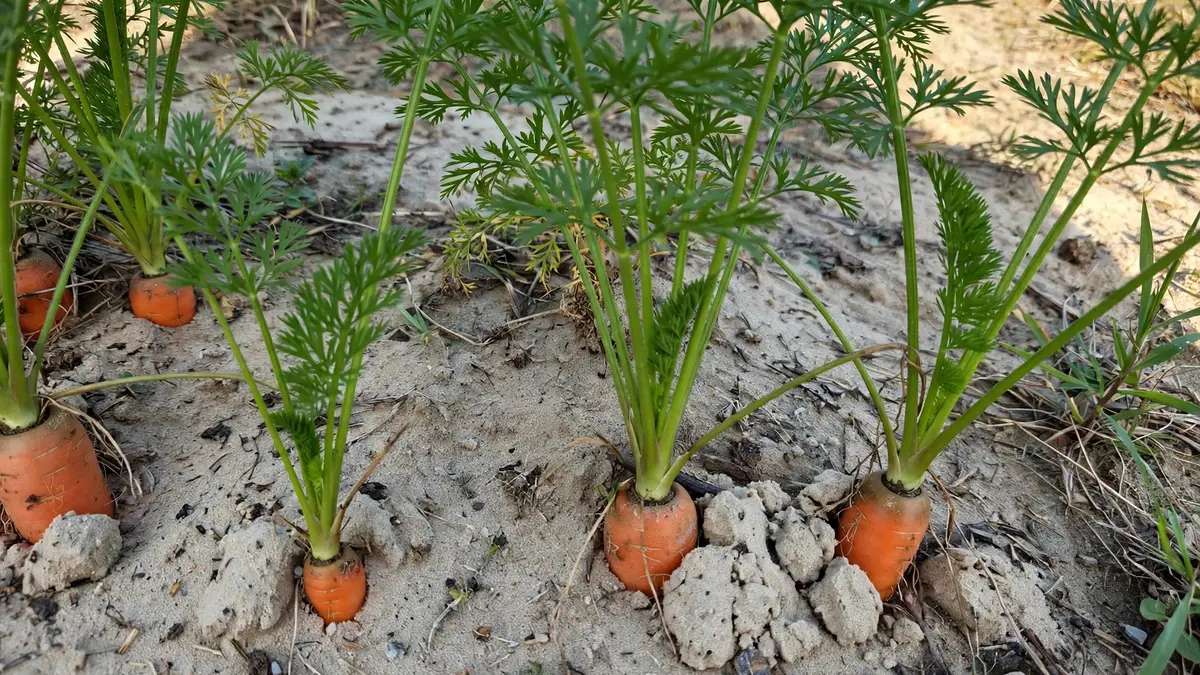

Carrots are the quiet workhorse of the vegetable world, and a carrot farm is one of the least showy places a traveller can spend a week. There is no blossom to chase and no vineyard glamour. What there is, in the right places, is honest ground: deep sandy beds, long straight rows, a harvest that happens by hand before the first hard frost, and kitchens that cook the morning’s pulling by supper.
A luxury carrot farm retreat is a stay built around that rhythm rather than around a spa menu. You sleep in a farmhouse room or a converted barn, you walk the beds with the grower, you learn why loose soil matters more than fertiliser, and you eat what the field produced that day. The luxury is in the quiet, the space and the cooking, not in marble bathrooms. The nine stays below were chosen because the carrot growing is real, the regions genuinely matter for the crop, and the hosts treat visitors as guests of the farm, not as an audience.
Below are nine carrot farm retreats worth considering in 2027, from a working farm in California’s San Joaquin Valley to a small stay at the foot of a volcano in New Zealand. Each one is described by what it does well, what to watch for, and who it suits best, so you can choose with the field in mind, not just a photograph.
Key takeaways
- A carrot farm retreat is a working-farm stay built around the harvest, not a spa with a vegetable patch attached.
- Carrots need deep, loose, sandy soil, and the best regions are the ones with exactly that ground.
- Harvest happens before the first hard frost, so the season is short and the dates matter more than the price.
- Orange, purple, yellow and white carrots all grow the same way, and a good farm will show you more than one colour.
- Carrots themselves are naturally gluten-free, but farm kitchens bake wheat bread daily, so coeliacs should confirm the kitchen arrangements before booking.
What a carrot farm retreat actually is
A carrot farm retreat is a small stay on a working carrot farm where guests take part in the harvest and eat from the field. The day usually starts early, because pulling starts before the heat. You walk the rows with the grower, learn to read the shoulders of the roots at the soil line, and pull by hand, trimming the green tops at the field edge. The rest of the day is slower: a walk through the beds, a look at the seed drills and the wash station, and a long lunch built around what came out of the ground that morning.
It is not a cooking school and it is not a farm tour with a gift shop at the end. The stays that work best keep the group small, often fewer than a dozen guests, and keep the farm work real. You will get your hands dirty. You will also eat better than you expect, because a carrot pulled an hour ago and roasted in its own sugars tastes nothing like a bagged one from a supermarket shelf. Our guide to the best luxury pumpkin farm retreats follows the same idea for a different root-and-field crop, and the rhythm of the days is much the same.
How we picked these stays, and what to ask first
We picked regions where carrots are a serious crop, not a token planting. California grows the great majority of America’s carrots, Ontario’s Holland Marsh is famous for its black muck soil, and Ohakune in New Zealand is a town built on the crop. Each stay below sits in a place where the soil, the climate and the farming history all point the same way, and where the host farm grows carrots as a main crop rather than a sideline.
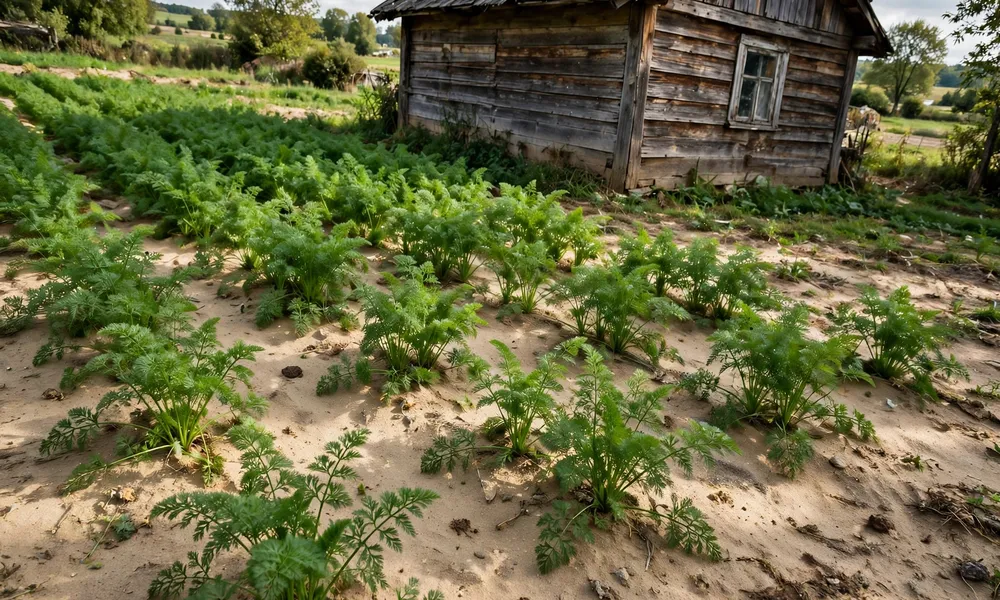
Before you book, ask three questions. First, what are the harvest dates, and is the stay inside them? A carrot farm outside its pulling window is a pleasant farmhouse with nothing to do. Second, how many guests are on the farm at once? A stay with more than a dozen guests is a tour, not a retreat. Third, what does the kitchen do about wheat? Carrots are naturally gluten-free, but farm kitchens bake bread every day, so anyone who needs a gluten-free table should confirm it in advance, in writing. Our roundup of the best luxury corn farm retreats uses the same three questions, because they separate a real working stay from a pretty one. A pea farm retreat in the same price range makes a useful comparison too, because the same questions about season, group size and kitchen apply there.
The 9 best luxury carrot farm retreats of 2027
Kern County, California, United States — Carrots on the San Joaquin Floor
What we like: The heart of American carrot country, with deep sandy loam, long straight rows, and a harvest that runs for months. The farm here grows orange, purple and yellow carrots side by side, so you can pull all three colours in one morning and taste the difference at lunch.
What to consider: Summer heat is serious, and the work starts at dawn for a reason. Best For: First-time farm guests who want the biggest carrot country there is. Style: Working farmhouse stay. Price Range: $65–$95. Standout Feature: A three-colour pulling bed you can walk in a single morning.
Holtville, California — Carrots in the Desert Winter
What we like: A desert valley that grows carrots through the winter, when most of the country is frozen. The irrigation canals, the flat light and the long rows make for a calm, unhurried week, and the farm’s winter harvest is the main event.
What to consider: The valley is remote, and the nearest town is a drive away. Best For: Winter travellers escaping cold weather. Style: Desert farm lodge. Price Range: $100–$130. Standout Feature: Winter pulling while the rest of the country is under frost.
Holland Marsh, Ontario, Canada — Carrots on the Black Muck
What we like: Canada’s most famous carrot ground, a drained marsh with black organic soil so rich it stains your hands. The growers here are second- and third-generation, and the pulling technique is a craft passed down, not a demonstration.
What to consider: The muck sticks to everything, so bring boots you do not mind ruining. Best For: Travellers who want to learn real technique. Style: Family farm stay. Price Range: $135–$165. Standout Feature: Black muck soil that grows carrots straight as pencils.
Oceana County, Michigan, United States — Carrots by Lake Michigan
What we like: A lakeside carrot county where the sandy soil was made for roots. The farm is small, the group is smaller, and the evenings are spent on a porch looking over the lake with a bowl of roast carrots and a glass of something local.
What to consider: The season is short, and the best weeks book out early. Best For: Couples who want a quiet lakeside week. Style: Lakeside farmhouse. Price Range: $170–$200. Standout Feature: Sandy lake soil and a porch supper at sunset.
Landes, France — Carrots on the Pine Sands
What we like: A pine-forest region in south-west France where carrots grow in pale, sandy soil under tall trees. The farm pairs the harvest with long French lunches, and the local markets sell carrots in colours most visitors have never seen.
What to consider: French is the working language on the farm, and English is limited. Best For: Food lovers who want a French farm table. Style: Forest farmhouse with a long table. Price Range: $205–$235. Standout Feature: Carrots grown in pine-forest sand, served at a long communal lunch.
Segovia, Spain — Carrots on the High Meseta
What we like: A high, dry plateau north of Madrid where carrots grow slowly and sweetly in the cool nights. The farm is old, the stone house is older, and the harvest is followed by roast suckling pig country cooking that has nothing to do with carrots and everything to do with place.
What to consider: The plateau is dry and the sun is strong, even in autumn. Best For: Travellers pairing a farm stay with old Spain. Style: Stone farmhouse on the plateau. Price Range: $240–$270. Standout Feature: Slow-grown sweet carrots from high, dry ground.
Beypazarı, Turkey — Carrots Below the Anatolian Hills
What we like: A small Anatolian town famous across Turkey for its carrots, with a harvest festival, a market full of carrot dishes, and growers who have worked the same fields for generations. The farm stay puts you in the middle of all of it.
What to consider: The town is small and the stay is simple, with no hotel-style extras. Best For: Travellers who want a harvest festival, not a resort. Style: Town-edge farm stay. Price Range: $275–$305. Standout Feature: A town that celebrates its carrots with a festival.
Chiba, Japan — Volcanic Soil Carrots East of Tokyo
What we like: A peninsula east of Tokyo where carrots grow in rich volcanic soil, and the farm pairs the harvest with precise, careful Japanese cooking. The pulling is unhurried, the washing is meticulous, and the carrots arrive at the table sliced thin and served raw as often as cooked.
What to consider: The stay is quiet and structured, with little free time built in. Best For: Travellers who value precision and calm. Style: Small Japanese farm inn. Price Range: $310–$340. Standout Feature: Volcanic soil carrots served raw, sliced thin, at the table.
Ohakune, New Zealand — Carrots at the Foot of Ruapehu
What we like: New Zealand’s carrot capital, a small town at the foot of a volcano with a giant carrot statue on the main street and fields that run to the mountain. The farm stay is the most scenic on this list, and the harvest is followed by walks in the national park next door.
What to consider: The weather at the foot of a volcano changes fast, and rain is common. Best For: Travellers who want mountains with their harvest. Style: Mountain farm lodge. Price Range: $345–$380. Standout Feature: A volcano on the horizon and a town built on carrots.
Which carrot region fits your trip
If this is your first farm retreat, start with Kern County or Holland Marsh. Both are serious carrot country with experienced hosts, straightforward logistics, and a harvest you can join from the first morning. The work is real, the groups are small, and the food is excellent. Neither stay asks anything unusual of you beyond sturdy boots and an early alarm.
If you want a season rather than a place, Holtville in winter and Ohakune in the southern summer are the two to weigh. A winter carrot from warm desert soil and a summer carrot from volcanic ground are different experiences, and the choice is really about when you can travel. If you want food first and farming second, Landes and Chiba are the stays where the kitchen leads the week. For a festival atmosphere, Beypazarı stands alone, and for quiet and scenery, Oceana County and Segovia are the pair to compare: a lakeside porch in Michigan against a stone house on a high Spanish plateau.
The caveats that matter
Carrot farm retreats are simple stays, and the caveats are practical rather than dramatic. The season is short, the work is physical, and the weather decides more than the host does. A rainy week means muddy beds and slower pulling, and a hot week means dawn starts. None of this is a reason not to go, but it is a reason to pack properly, to book inside the harvest window, and to ask the host what a bad-weather day looks like before you pay.
| Detail | What is known |
|---|---|
| Best season | Late summer to autumn in the north; winter in desert valleys; summer in the southern hemisphere |
| Soil that matters | Deep, loose, sandy soil; heavy clay makes carrots fork and split |
| Harvest window | Pull before the first hard frost; tops are trimmed at the field edge |
| Group size | Best under a dozen guests; larger groups turn a retreat into a tour |
| Gluten-free eating | Carrots are naturally gluten-free, but farm kitchens bake wheat bread daily, so confirm in advance |
| What to pack | Sturdy boots, gloves, a hat, and clothes you do not mind getting muddy |
| Colours to expect | Orange, purple, yellow and white, all grown the same way |
| What it does not offer | No spa menu, no nightlife, and no sightseeing programme beyond the farm and the village |
If you have a bad back or bad knees, say so when you book. Pulling is bent-over work, and a good host will find you a role at the wash station or in the kitchen rather than in the rows. If you are travelling with children, ask about the age limit: some farms welcome them, others do not, and the answer varies by insurance as much as by inclination.
Checklist: booking a carrot farm stay honestly
Use these checks before you book, and again before you pack.
- Check the harvest dates: confirm your stay falls inside the pulling window, not beside it.
- Check the group size: ask how many guests are on the farm at once, and prefer under a dozen.
- Check the kitchen: confirm gluten-free arrangements in writing if you need them.
- Check the boots: bring sturdy, mud-proof footwear, and gloves you can grip wet roots with.
- Check the weather plan: ask what a rainy day looks like, and what the host does instead.
- Check the price: confirm what is included, from meals and beds to transfers from the nearest town.
Frequently asked questions
When do carrots ripen for a farm retreat?
Most northern farms pull from late summer into autumn, before the first hard frost. Desert valleys pull through the winter, and southern hemisphere farms pull in their summer. The exact weeks vary by region, so ask the host for the pulling dates, not just the season.
How do you know when a carrot is ready to come out of the ground?
Look at the shoulders of the root where it meets the soil. A mature carrot shows a broad, rounded shoulder at the surface, and the top leaves are full and green. The grower will show you on the first morning, and after a dozen pulls you will read the beds yourself.
Are purple and yellow carrots different to grow?
No, they grow the same way as orange carrots, in the same soil and the same rows. The colour comes from different pigments in the root. A good farm grows more than one colour, and a tasting at lunch will show you the flavour differences are small but real.
Do I need experience to join the harvest?
No. Pulling carrots is simple work, and the grower teaches it in minutes. The skill is in reading the bed and pulling straight, not in strength. If bending is hard for you, the wash station and the kitchen are honest alternatives.
Where should a first-timer go for a carrot farm stay?
Kern County or Holland Marsh. Both are serious carrot country with experienced hosts, simple logistics, and a harvest you can join from day one. They are the most forgiving places to learn the rhythm of a working farm.
Eating gluten-free at a carrot farm: does it work?
Yes, if the kitchen is warned in advance. Carrots are naturally gluten-free, and most farm cooking is vegetable-led, but the bread is baked with wheat every day. Confirm the arrangements in writing before you book, and remind the host on arrival.
The bottom line
The best carrot farm retreat in 2027 is not the most expensive or the most scenic. It is the one where the harvest is real, the group is small, the dates line up with the pulling, and the kitchen cooks what the field produced that morning. Kern County and Holland Marsh are the safest first choices. Ohakune is the most memorable. Beypazarı is the most festive. Any of them will change the way you think about a vegetable you thought you knew.
Pick one region, book inside its harvest window, pack boots you do not mind ruining, and go ready to work a little. The carrots will do the rest.