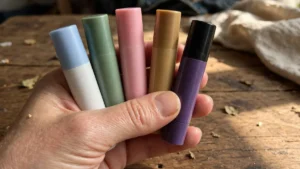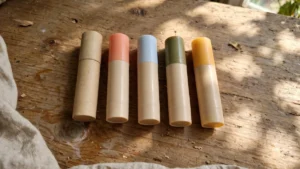

Choosing a lip balm sounds simple until you stand in front of a wall of them. There are sticks, pots, tubes, and domes, balms with SPF, retinol, or vitamin C, balms that promise plumping, and balms that are really just flavoured wax. Most of them will moisturise your lips for an hour. Very few are the right one for your lips, your habits, and your day.
The mistake most people make is choosing by flavour or by brand loyalty, then wondering why their lips are still dry. A balm is not a sweet. It is a small piece of skincare, and it works when its base suits your lips, its SPF suits your day, and its texture is one you will actually reapply. Get those three right and almost any honest balm will do.
This guide walks through the choice in nine steps, from looking at your own lips first to knowing when to throw a balm away. No step needs a purchase, and most need only a minute of attention. The result is a balm you reach for without thinking, which is the only kind that ever works.
Key takeaways
- Start with your lips, not the shelf: dry, sensitive, and sun-exposed lips need different balms.
- Match the SPF to the day: SPF 15 for a grey morning, SPF 30 for a normal day, SPF 50+ for strong sun.
- Read the base before the flavour: shea, cocoa butter, and beeswax tell you more than the scent does.
- Patch-test on your wrist first, and give a new balm a week before you judge it.
- No balm fixes lips that are cracked, bleeding, or sore for weeks, and a balm that smells off or has gone grainy should be thrown away.
What choosing a lip balm actually involves
A lip balm has three jobs. The first is to protect: a layer that slows water loss from lips that have no oil glands of their own. The second is to repair: ingredients that soften flakes and calm the raw feeling after sun, wind, or cold. The third is to guard against the sun, which only an SPF balm can do. A balm that does the first job well and the others badly is still decent, but it is not the right balm for a sunny holiday.
Lips are not like the rest of your skin. The skin is thinner, it has almost no melanin, and it reacts faster to fragrance, flavour, and strong actives. That is why a product that is fine on your cheek can sting on your lips, and why the balm that suits your friend may not suit you. Your lips are the test, not the review.
Choosing well also means knowing what you will not use. A balm that is too greasy, too scented, or too fiddly to open with cold hands will not get used, however good its ingredients. The best balm is the one in your pocket, not the one with the best label.
How to judge a lip balm and what to look for
Judge a balm by its base first. Shea butter, cocoa butter, beeswax, jojoba oil, and lanolin keep lips comfortable for hours, and a balm that lists one of them near the top is usually a good sign. Petrolatum is also effective, especially for very dry lips, because it seals moisture in. A balm that is mostly flavour and colour will feel nice for ten minutes and then leave your lips drier than before.
Judge the SPF next, if you need it. A broad spectrum SPF 30 is the practical daily choice, and SPF 50+ is worth it for strong sun. Mineral filters, zinc oxide and titanium dioxide, suit reactive lips. Chemical filters usually feel lighter and leave less white cast. If you spend most of your time indoors, an unprotected balm is fine, and our explainer on what a lip balm is covers the basics before you add sun protection to the question.
Finally, judge the tube. A stick should twist up cleanly and retract without jamming. A pot should close tightly so it does not dry out in your bag. A dome should be soft enough to apply without pressing hard on sore lips. These sound like small things, but they decide whether you reach for the balm three times a day or leave it at home.
How to choose a lip balm in 9 steps
Ask the mirror, then read the label
What to do: Stand in front of a mirror in daylight and look at your lips properly. Are they dry and flaking, smooth but tight, sore at the corners, or sunburned? Flaking lips need a rich, buttery base. Sore corners need a plain, fragrance-free balm. Sunburned lips need SPF and nothing else for a few days.
What to avoid: Do not buy the balm your friend loves, or the one with the prettiest packaging, before you know what your own lips need. A plumping balm on cracked lips will sting.
Best For: Anyone buying a first balm or switching after a bad experience. Time Needed: A couple of minutes at the mirror. Standout Tip: Describe your lips in three words before you shop, and buy the balm that matches those words.
Let the forecast pick the number
What to do: Think about where you will actually be. A grey morning and an office day need SPF 15 at most. A normal day outside needs SPF 30. A beach, a ski slope, or a long walk at altitude needs SPF 50+, because the sun is stronger and the ground reflects it back.
What to avoid: Do not buy SPF 50+ for a day you will spend indoors, and do not rely on SPF 15 for a day in strong sun. The second mistake leaves your lips unprotected when they need it most.
Best For: Anyone who spends time outdoors. Time Needed: One minute of planning before you leave. Standout Tip: Keep an SPF 30 tube by the door, so the decision is already made when you go out.
Irritated lips want a mineral filter
What to do: If your lips sting, peel, or break out after scented products, choose a mineral balm. Zinc oxide and titanium dioxide sit on the surface and are far less likely to irritate, and a fragrance-free mineral balm is the safest starting point.
What to avoid: Do not keep using a chemical-filter balm that stings, hoping your lips will get used to it. They usually do not, and the irritation makes the lips drier, which makes you apply more balm.
Best For: Reactive, sensitive, and easily irritated lips. Time Needed: Five minutes scanning labels on the shelf. Standout Tip: If the ingredient list is long and full of fragrance, put it back and choose the shortest list on the shelf.
Judge it by the base alone
What to do: Turn the tube over and read the first five ingredients. Shea butter, cocoa butter, beeswax, jojoba oil, lanolin, and petrolatum are the bases that protect and soften lips.
What to avoid: Do not choose by flavour alone. Mint, citrus, and cinnamon flavours can irritate lips, and a balm that is mostly fragrance will feel good for a few minutes and then leave your lips drier.
Best For: Anyone who has bought balms that stopped working after an hour. Time Needed: Two minutes reading a label. Standout Tip: If you cannot pronounce the first ingredient and it is not a butter or a wax, the balm is probably built on scent.
A wrist test beats a hopeful guess
What to do: Before you commit to a new balm, apply a little to the inside of your wrist and wait a day. The skin there is thin and reactive, like lips, and it will tell you quickly whether the balm stings or itches.
What to avoid: Do not apply a new balm straight to cracked or bleeding lips. Broken skin absorbs everything faster, and a bad reaction on cracked lips hurts far more than the same reaction on a wrist.
Best For: Sensitive lips and anyone trying a new brand. Time Needed: One minute to apply, a day to wait. Standout Tip: Keep the receipt until the wrist test is done, so a balm that fails the test can go back.
Give it a minute before lipstick
What to do: Apply the balm first, wait a full minute, blot the excess gently, and then apply lipstick. The minute lets the balm sink in, and the blotting stops the colour from sliding.
What to avoid: Do not apply lipstick straight over a thick, greasy layer of balm. The colour will slip, feather at the edges, and fade within the hour.
Best For: Anyone who wears lipstick daily. Time Needed: One minute of waiting. Standout Tip: Use a lighter balm under lipstick and save the richest one for the evening.
A spare tube beats a dear one
What to do: Keep one tube where you get ready in the morning and a second one in the bag, coat, or car you actually use. Lips lose balm through eating, drinking, and talking, so a tube within reach is what makes you reapply.
What to avoid: Do not rely on a single tube that lives at home. A balm on your dressing table protects nothing at three in the afternoon, and buying a second tube is cheaper than buying a better one you never carry.
Best For: Commuters, parents, and anyone out all day. Time Needed: None, once the second tube is in place. Standout Tip: Put the spare tube in the pocket you reach for most, not the bag you leave behind.
A cool drawer beats a hot car
What to do: Store your balm somewhere cool and out of direct sun: a drawer, a bag pocket, a bathroom cabinet away from the window. Heat melts the waxes, separates the oils, and weakens the SPF.
What to avoid: Do not leave a balm on a car dashboard, a sunny windowsill, or a beach towel in direct sun. A balm that has melted and reset will feel grainy, smell off, and protect less.
Best For: Anyone in a hot climate or a sunny car. Time Needed: None, once you choose the right spot. Standout Tip: If a balm feels gritty after a hot day, it has already been damaged, and it is time to replace it.
Retire a balm the moment it turns
What to do: Throw a balm away when it smells rancid, tastes strange, has gone grainy, or has changed colour. These are signs the oils have oxidised and the filters have weakened.
What to avoid: Do not keep using a balm because it was expensive, or because there is still half a tube left. A balm that has turned is a risk.
Best For: Anyone with a drawer full of old balms. Time Needed: Ten seconds to check and throw away. Standout Tip: Write the month you opened it on the base with a pen, and replace it after a year at the latest.
Which lip balm is right for you
Dry lips need a rich base and nothing fancy. Look for shea butter, cocoa butter, or lanolin, and skip plumping and strongly flavoured balms until your lips are calm again. Apply before bed as well as in the morning, because the hours you sleep are the longest stretch your lips go without protection.
Sensitive lips need the shortest ingredient list you can find, fragrance-free, with a mineral filter if you want SPF. Introduce one new product at a time, and give it a full week before you judge it, because a balm that stings on day one may be reacting to lips that are already damaged. If your lips are still sore after a fortnight on a plain balm, see a clinician rather than trying another product. A weekly lip mask can help while you wait.
Sun-exposed lips need SPF above all else, and a tube you will carry. Choose SPF 30 for a normal day and SPF 50+ for strong sun, reapply every two hours, and do not rely on a lipstick with SPF in it, because nobody applies lipstick thickly enough for the rating to be real.
The caveats that matter
Choosing a lip balm is mostly common sense, but there are traps that catch even careful buyers. The first is believing a balm is working because it feels good for ten minutes, when the real test is how your lips feel after a week.
| Detail | What is known |
|---|---|
| Best base for dry lips | Shea butter, cocoa butter, beeswax, lanolin, or petrolatum |
| SPF for a normal day | SPF 30 broad spectrum, worn under lipstick and topped up after lunch |
| Best choice for reactive lips | Fragrance-free mineral balm with a short ingredient list |
| When to patch-test | On the inside of the wrist, a day before first use on the lips |
| How long to judge a new balm | A full week of regular use, not a single application |
| What to avoid at first | Strong flavours, plumping balms, and retinol lip products on sore lips |
| Storage | A drawer or bag pocket, away from sun; heat turns balms grainy and weakens the filter |
| When to replace it | When the smell, taste, or texture changes, or after a year on the shelf |
If you are pregnant, breastfeeding, or using prescription lip treatment, check with your clinician before switching to a chemical-filter SPF balm. Prescription care changes how much your lips can handle, so a quick check now saves weeks of soreness. A lip oil for dry lips can add shine on top of a plain balm, but it is not a substitute for the balm underneath.
Checklist: choosing a lip balm honestly
Use these checks before you buy, and again after a week of use.
- Start with your lips: dry, sensitive, or sun-exposed, and buy for that, not the flavour.
- Read the first five ingredients: look for shea, cocoa butter, beeswax, or lanolin.
- Match the SPF to the sun: 30 for a normal day, 50+ for strong sun, and reapply often.
- Patch-test first: a dab on the wrist, a day of waiting, then lips.
- Carry it with you: a balm at home does nothing at three in the afternoon.
- Bin it when it turns: rancid smell, odd taste, or grainy texture means it is done.
Frequently asked questions
How do I know if a lip balm is working?
Judge it after a week, not after an hour. A good balm leaves your lips softer in the morning, with fewer flakes and less tightness. If your lips feel the same after a week of regular use, the balm is not right for you.
Can I use the same lip balm all year?
Yes, if it suits your lips, but you may want two. A rich, plain balm works well in winter, and an SPF balm is better for summer. Keep both, and switch with the season.
Is a lip balm with SPF enough sun protection for my lips?
Yes, if you reapply it. SPF 30 reapplied every two hours outdoors protects lips well. The protection fails when the balm wears off and is not replaced.
Why does my lip balm make my lips drier?
It may be the flavour, the fragrance, or a base that does not suit you. Mint, citrus, and cinnamon can irritate lips, and a balm that is mostly scent will feel good briefly and then leave lips drier.
Can I use lip balm under lipstick?
Yes. Apply the balm first, wait a minute, blot the excess, and then apply lipstick. A light balm works best under colour, because a very greasy base will make the lipstick slide.
How long does a lip balm last once opened?
About a year, if it is kept cool and out of direct sun. Throw it away sooner if it smells rancid, tastes strange, or has gone grainy.
The bottom line
Choosing a lip balm is a small decision, but it is one you make every day, and the right choice is the one that fits your lips, your day, and your habits. Start with what your lips actually need, match the SPF to the sun you will face, read the base before the flavour, and give a new balm a week before you judge it.
Keep two tubes, one at home and one in your pocket, store them out of the heat, and throw away any balm that has turned. That is the honest way to keep your lips comfortable all year, without a drawer full of tubes that never worked.