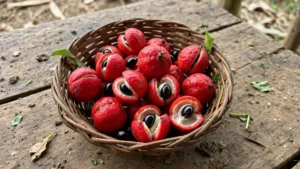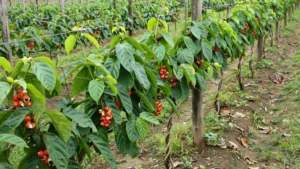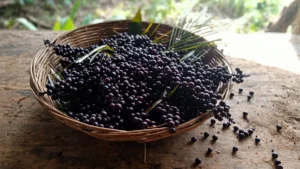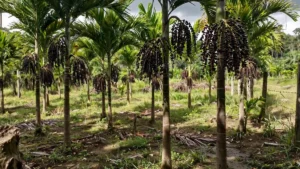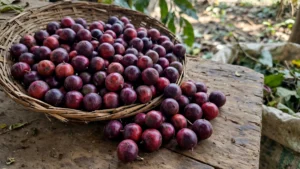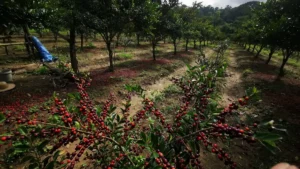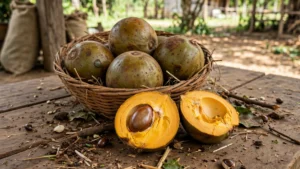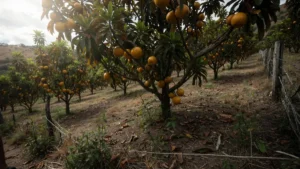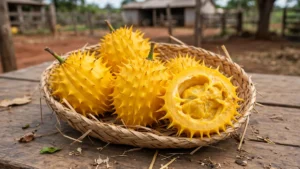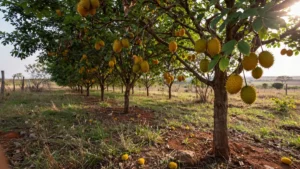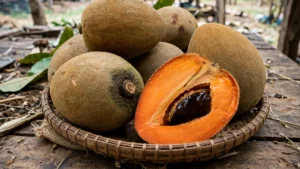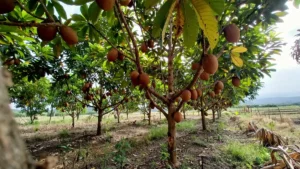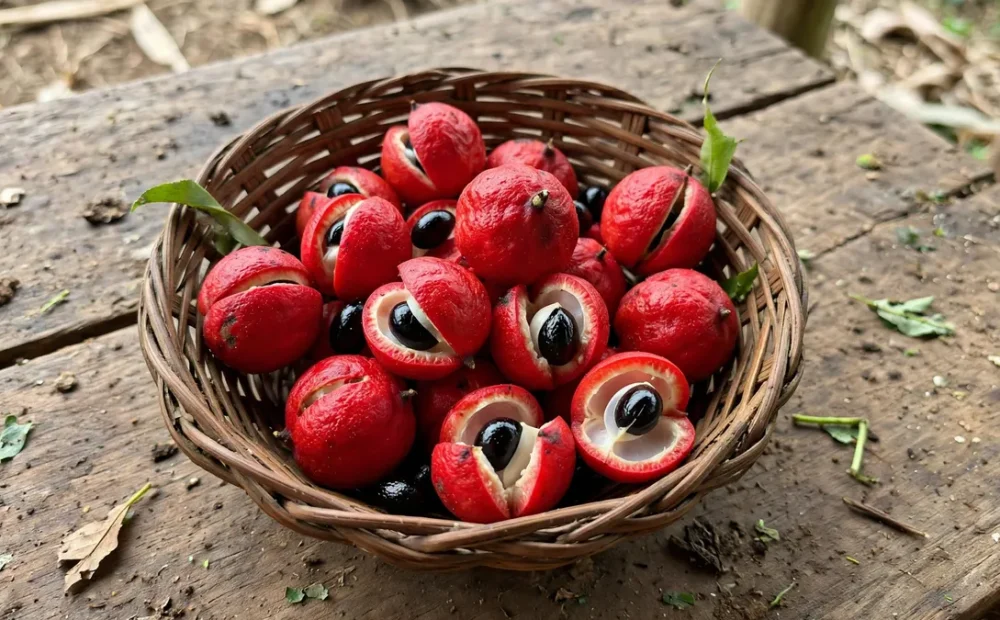
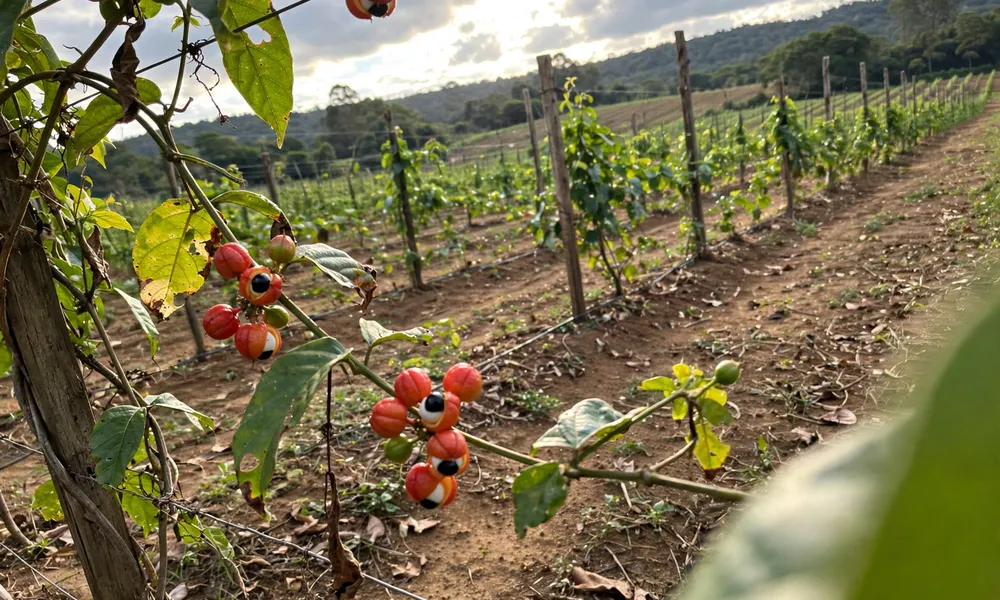
There is a fruit in the Amazon that looks like an eye. When guarana ripens, its red shell splits to reveal a black seed set in white flesh, and the Sateré-Mawé people of the Maués river have grown the vine for centuries. The seed carries a strong natural lift, which is why the fruit travelled from a riverside crop to the soft drinks sold in every corner of Brazil.
Staying on a guarana farm means sleeping a few steps from those vines. The harvest arrives with the rains, the seeds are dried in the sun and grated by hand, and the kitchen pours the result into cold drinks and sweets. Rooms are plain, the river decides the rhythm of the day, and the farm’s work happens close enough to watch from the veranda.
Nine stays made the list below, from the old growing town of Maués to the green hills of Bahia. Each one is judged on what it does well, where it falls short, and who will enjoy it most.
Key takeaways
- Guarana climbs on vines in the Amazon, and the stays worth the money are the farms that dry and grate their own seed and serve it every day of the harvest.
- The harvest follows the rains, roughly December through March, and the state you choose fixes your calendar.
- A ripe guarana fruit is bright red and split open, with the dark seed showing; a green, closed fruit is not ready.
- The nightly rate usually includes the room, the walk and the tasting, while meals, lifts and classes are usually charged separately.
- Guarana itself contains no gluten, but the farm kitchen bakes bread and cakes each morning, so ask how flour is kept away from your plate.
What a guarana farm retreat actually is
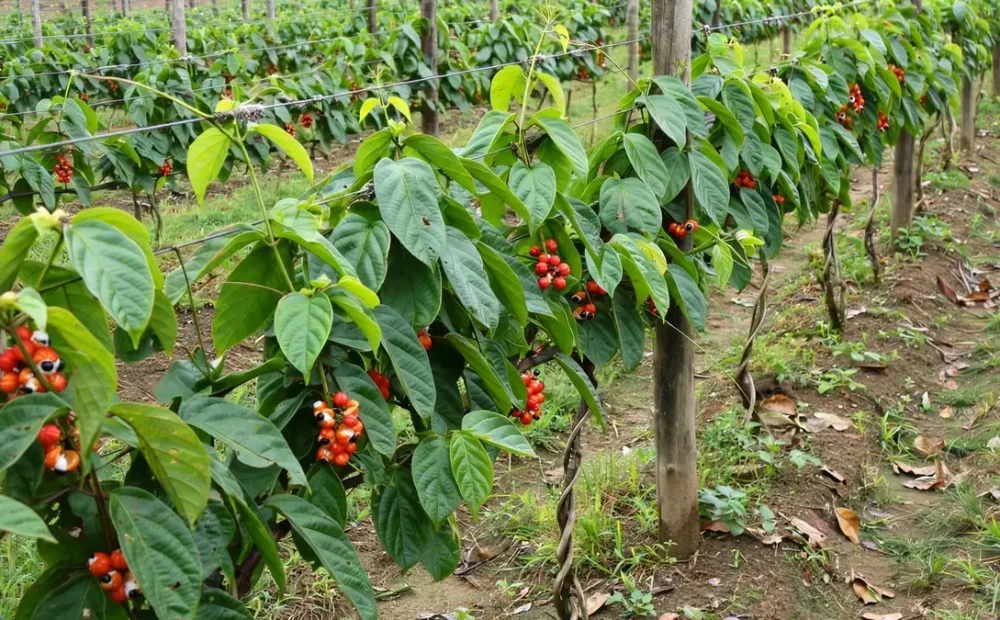
It is a night or two on a working Amazon farm, or next to one, where guarana vines climb poles and shade trees behind the house. The fruit ripens through the rainy months, the picking is done by hand a few clusters at a time, because the vines fruit unevenly and the paths soften after rain.
One crop sits at the centre of the whole stay, and that is what gives the trip its shape. Guarana shapes the day, from a grated-seed drink at breakfast to sweets in the afternoon and a slow evening on the river. Bedrooms are simple, the host spends the day among the vines, and the clock matters less than the weather.
Before you book, find out what the nightly price actually includes. Some stays put the farm first, with spare rooms and a host who is out among the vines at first light. Others are comfortable guesthouses set inside a farm, where the work stays mostly out of sight. Both can make a fine holiday, yet the two stays are not the same. Our piece on jackfruit farm retreats worth the journey makes the same point from a different angle: read the inclusions before the photographs decide for you.
How we picked these stays, and what to ask first
We chose places where the guarana vines are the reason to stay. A strong retreat grows its own fruit, builds a walk or a tasting into the visit, and says plainly which months the vines stand bare.
Season comes before everything else. In Amazonas the fruit arrives with the rains, and the peak moves from one river town to the next. Bahia gathers while the southern farms are still green, and Pará when the storms settle over the lower river.
Then comes price. At some stays the walk, the tasting and the class are charged one by one, so ask before you book, and ask about breakfast, the shared garden, and which languages the host speaks. A farm that sets out every charge in the open is usually a farm run with care. If cempedak appeals more, the cempedak farm retreats we covered earlier follow the same small-stay pattern.
The 9 best luxury guarana farm retreats of 2027
Maués, Amazonas — Guarana Where the Forest First Grew It
What we like: Maués is the old home of guarana, a river town where the Sateré-Mawé have grown the vine for generations, and the farms around it dry the seed in the sun and grate it by hand. Each morning the host walks guests out to the vines with a basket, and the drink poured at breakfast comes from that morning’s own harvest.
What to consider: Rain can turn the river tracks to mud, and the town is a boat ride from Manaus. The farm sits a long way from the nearest city, so sort out a lift ahead of time. Best for: Travellers who want guarana where the tradition runs deepest. Style: A wooden house on stilts at the edge of the vines. Price range: $70–$100 nightly, breakfast included in the stay. Standout feature: Picking walks at first light beside the host.
Parintins, Amazonas — Guarana on the River Island
What we like: A farm on the river island, guarana vines climbing poles behind a low house, the fruit gathered at first light and grated into drinks by midday. Guests sleep in a timber house with a wide veranda, and the host dries the seed in a small shed behind the kitchen.
What to consider: The island is far from any city and the nights turn damp, so pack a layer. After heavy rain the paths go soft, so wear boots that can handle it. Best for: Travellers who want river air and a long season. Style: A timber house with a veranda above the river. Price range: $100–$130 nightly, farm breakfast included. Standout feature: Seed drying in the shed behind the kitchen.
Manaus, Amazonas — Guarana Close to the City
What we like: A farm on the edge of the city, guarana vines in a fenced grove behind the house, the fruit on the table at every meal while it lasts. The rooms look onto the vines, the host runs a small kitchen, and the grated-seed drink is poured at breakfast every day.
What to consider: The city is nearby, so rooms go quickly once the fruit starts coming in. Evenings stay warm enough to want a fan. Best for: Travellers who like Amazon food without a long boat ride. Style: A low house at the city edge with a grove behind it. Price range: $130–$165 nightly, breakfast and dinner both included. Standout feature: Grated guarana drinks at every breakfast.
Belém, Pará — Guarana in the Mango Tree City
What we like: A farm near the river mouth, guarana beside açaí palms, the kitchen grating the seed into drinks and sweets each day. The house is old and low, the January air is soft, and the host can name every vine on the land.
What to consider: The road out is long and rooms are few, so book early. Early in the season the fruit is still firm, and afternoon storms arrive fast. Best for: Travellers after a calm green corner of Pará. Style: A weathered house along the flat road. Price range: $165–$200 nightly, dinner included in the rate. Standout feature: Guarana sweets from the farm kitchen.
Santarém, Pará — Guarana Where the Rivers Meet
What we like: A farm where the dark Tapajós meets the Amazon, guarana ripening early in open country, the gate stall selling the dried seed by the bag. The house stands among the vines, and the kitchen turns the grated seed into drinks and into cakes.
What to consider: Heat arrives early and the nearest city is an hour off by road. After a hot day the ground bakes hard, so wear sturdy shoes. Best for: Travellers who want river days in strong sun. Style: A farmhouse tucked back among the vines. Price range: $200–$235 nightly, every meal included in the price. Standout feature: Dried seed sold by the bag at the gate.
Porto Velho, Rondônia — Guarana on the Madeira River
What we like: A farm near the Madeira river where guarana grows beside the forest edge, fruiting while the southern farms rest. Guests sleep in a timber house, and at lunch the host serves the grated seed in cool drinks with fish and rice, spoons set beside each plate.
What to consider: The picking window is short, so the dates matter more than the rate. Best for: Travellers who want guarana with a wide river view. Style: A timber house on the river edge. Price range: $235–$270 nightly, breakfast and dinner included. Standout feature: Cool guarana drinks with river fish at lunch.
Rio Branco, Acre — Guarana at the Forest’s Edge
What we like: Guarana does well in the red soil here, sold by the bag at the gate stall. The host family has raised it for two generations, the fruiting season runs long, and the kitchen folds the grated seed into cakes that guests can carry home in boxes.
What to consider: The road climbs a long way and rooms go fast through the picking months. Storms pass through often, so pick at first light and shelter when the sun comes back. Best for: Travellers who want a long season and red earth. Style: A hillside house by the farm gate. Price range: $270–$305 nightly, covering the walk, the class, the lifts and every meal. Standout feature: Guarana cakes baked on the farm.
Cuiabá, Mato Grosso — Guarana beside the Wetlands
What we like: A small farm on the road to the Pantanal, guarana in neat rows behind an old barn, the stay a polished cottage above the river. The fruit is rich, and the farm runs a tasting every week, and the kitchen blends the grated seed into drinks each morning.
What to consider: This is the priciest stay on the list so far, and the farm is a drive from the city. The picking window is tight, so lock in your dates before you book. Best for: Travellers who want guarana within reach of the wetlands. Style: A cottage above the river on the slope. Price range: $305–$340 nightly, all meals included. Standout feature: A tasting each week on the terrace above the river.
Camamu, Bahia — Guarana in the Southern Hills
What we like: A farm in the green hills of southern Bahia, guarana beside cacao trees, the fruit served in drinks at every meal. Guests sleep in a low stone house with a shaded garden, and the host grates the seed into powder on Sundays.
What to consider: The farm is a long drive from the city, and rain in summer can soften the fruit by midday. Insects come out on still evenings, so pack repellent. Best for: Travellers after forest days in a noted walking region. Style: A stone house beneath the shade trees. Price range: $340–$375 nightly, meals, tastings and the picking walk included in the rate. Standout feature: Fresh guarana powder grated at Sunday lunch.
Which guarana region fits your trip
For the most traditional fruit, Maués or Belém is the pick: working farms, and the seed on the table at every meal. For the wildest setting, Rio Branco, where the farm stands in the western forest. For the strongest flavours, Santarém, where the sun is fierce and the harvest is heavy.
For a first trip, Manaus is the easiest pick: the farm is used to visitors, the season runs long, and the kitchen grates the seed every day. Our guide to the marang farm retreats we covered earlier makes the same point: choose the farm that cooks with its crop daily.
The caveats that matter
Guarana retreats are lovely, but they fit some travellers better than others. The harvest sets the season, the farms sit far from town, and the honest ones are plain about what is ripening and what is not.
| Detail | What is known |
|---|---|
| Best time to visit | The rainy season, roughly December to March, while the vines are fruiting; the exact weeks move from one river to the next |
| The two main kinds | Guarana is the small red Amazon fruit with a black seed and a natural lift; coffee is a different plant with a different bean |
| How ripe fruit looks | Bright red all over, split open to show the dark seed, no green patches |
| What is usually included | Room and breakfast with a walk or a tasting; cooking classes and lifts are usually extra |
| Who should go | Slow travellers, food lovers and families with grown children |
| Who should think twice | Anyone after nightlife, quick service or a busy daily schedule |
| Transfers | Usually an hour or more from the nearest airport; fix the lift before you travel |
| What is not guaranteed | Fruit on your dates; the harvest rests on weather and the vine’s own pace |
Guarana itself contains no gluten, but the farm kitchen bakes bread and cakes every morning, so ask how flour is kept away from your plate. The seed is rich in caffeine, so take the morning drink in small cups and skip a second helping late in the day. The seed is dried and grated before it is used, so do not eat the raw fruit straight from the vine. If you live with a health condition, are pregnant, or are bringing small children, check where the nearest clinic is, when the farm last sprayed, and how steep the paths are before you book.
Checklist: booking a guarana farm stay honestly
Run through these checks before you pay, and again in the week before you travel.
- Fruiting: ask whether the vines will be bearing on your dates, not only whether the farm is open.
- Costs: ask what the walk, the tasting, the meals and the lifts each cost, and what is charged separately.
- Distance: how long the airport drive lasts, and whether the farm sends a pickup.
- Room: whether the window looks onto the vines or the garden, and whether there is shade, a fan, or cooling.
- Growing: how many vines the farm keeps, whether it is organic, and the last spray date.
- Reviews: read what guests who visited in your season said about the stay.
Frequently asked questions
When is guarana season?
It moves with the state. Amazonas and Pará bear through the rains, with the peak in January and February. Rondônia gathers while the wet season builds, and Bahia when the storms settle over the southern hills.
What does guarana taste like?
Bitter and earthy on its own, the grated seed sharp like strong cocoa with a dry, woody edge. In a drink it is usually sweetened, and the lift comes on gently and lasts longer than a cup of coffee. Try the best ones as the farm serves them, in a cold drink on the day they were picked.
Can visitors pick guarana themselves?
At most farms, yes, provided you walk the land with a guide and ask first. Some farms hand guests a basket for a few clusters, while others leave the picking to the crew, because the vines climb high and the ground is soft after rain. Mention it when you book, and wear gloves, since the vines can scratch.
Is guarana safe to eat?
Yes, if you eat it the right way. The dried seed is safe once it is grated and mixed into food or drink, but the raw fruit is not eaten straight from the vine. The seed is rich in caffeine, so keep portions small, and anyone sensitive to caffeine should warn the farm before booking.
Which guarana farm is best for a first visit?
Manaus, for the easiest journey and the longest season. The farm welcomes visitors often, the fruit runs through much of the rainy season, and the kitchen serves it at every meal.
How do I keep wheat out of my meals on a guarana farm?
Raise it when you book. Guarana itself contains no gluten, and the rice dishes are safe as a rule. The risk is the morning bake: bread and cakes come out of the oven daily, so ask how the farm keeps flour away from your plate.
The bottom line
A guarana farm retreat suits travellers who like their food to come from the vine next to them, and who are happy to let the harvest run the day. The fruit is bold, the season is short, and the best stays gather it, grate it into drinks, and press the rest into powder without any fuss.
Choose by what you want most: the old river town of Maués, the wide river at Santarém, or the green hills of Camamu — and carry the powder home sealed, not the fruit itself. A sealed bag keeps for months after the season ends.