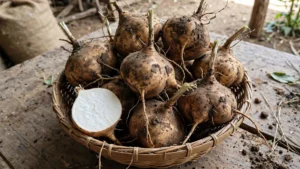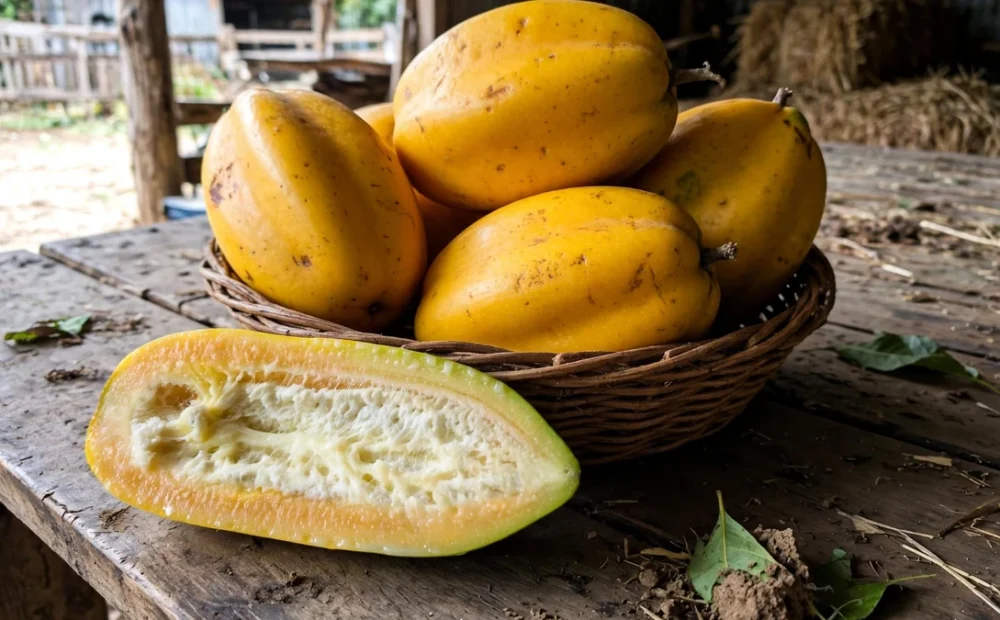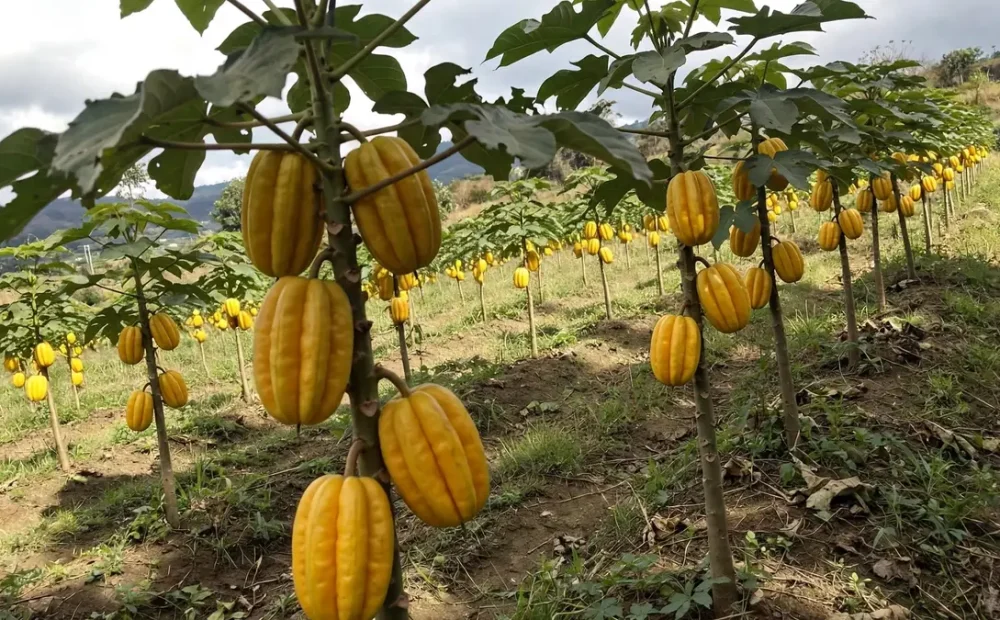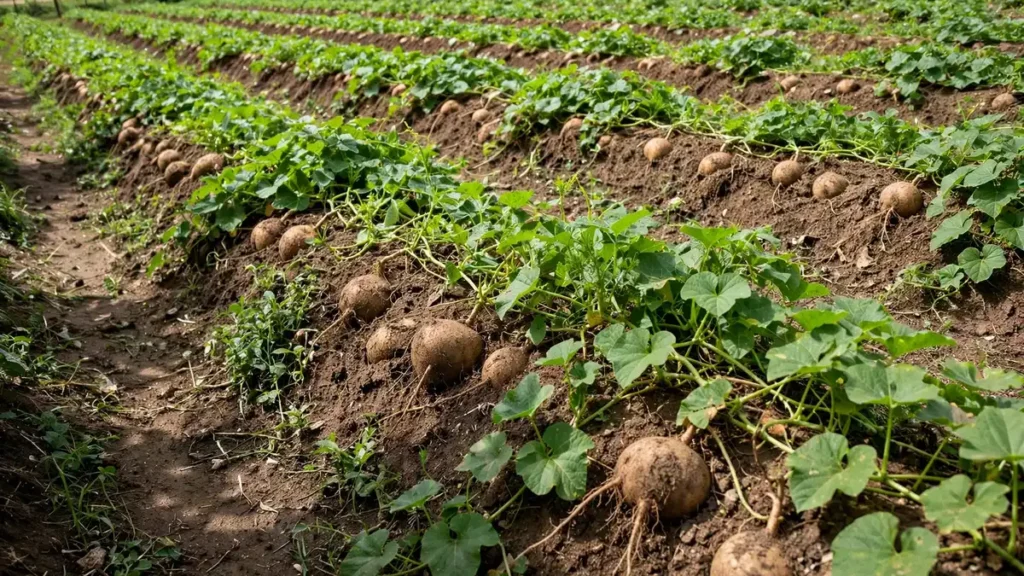
Jicama is the Mexican root that crunches like an apple and tastes of almost nothing, and that cool, watery blankness is exactly the point. The plant is Pachyrhizus erosus, a climbing vine from the bean family, and the part worth eating is the swollen root underground: rough brown skin outside, white and juicy inside, sold in markets by the kilo and eaten raw with lime, salt and chilli. Peel it and slice it, and the flesh stays crisp for hours, faintly sweet, closer to a water chestnut than to any potato.
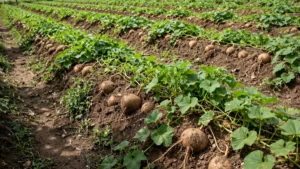
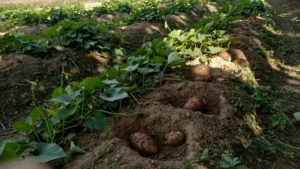
A jicama farm stay is a working farm where the vines climb poles in long rows and the harvest is a morning of digging. The farms in this guide stretch from the Mexican highlands to the markets of Southeast Asia, where the same root answers to different names: singkamas in the Philippines, bengkuang in Indonesia, man kaeo in Thailand. Some stays are plain family rooms above a shaded courtyard; others are full lodges with cooks, guides and a pool. What they share is jicama in the ground and a kitchen that serves the root as a snack, not a side dish.
Below are nine jicama farm retreats worth booking in 2027, from Mexico City to Ho Chi Minh City. Each stay is judged on what it offers, what to be careful about, and who will enjoy it most.
Key takeaways
- Jicama, from the plant Pachyrhizus erosus, is a Mexican vine root with crisp white flesh, eaten raw with lime and chilli or sliced into salads.
- The root is best dug before the vine flowers, because flowering turns the flesh woody, so the best visits line up with the digging weeks.
- The flavour is mild and watery, closer to a water chestnut than a potato, and it stays crisp for hours after slicing.
- Stays range from simple family rooms above the fields to full lodges with guides and cooks, and the price should state what meals, walks and tastings it covers.
- Farm kitchens cook with wheat flour daily, so guests who cannot eat gluten should settle their meals before booking.
What a jicama farm retreat actually is
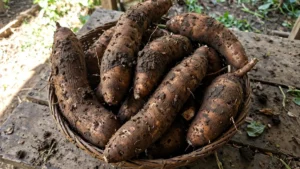
A jicama farm is a field of climbing vines on poles, built around a root the rest of the world treats as a salad ingredient. Pachyrhizus erosus is a legume, a cousin of beans, and it spends the season sending vines up whatever it can climb while the root swells quietly underground. Dig it up at the right moment and the root is heavy, brown and rough-skinned; slice it open and the inside is white, wet and cool. Vendors sell it peeled and cut, with salt, lime and chilli powder, and it eats like a cold apple that never pretends to be sweet.
The plant carries a warning the farms repeat to every guest. The seeds and pods hold rotenone and are poisonous, so only the root is ever eaten, and the vines are cut back so children and visitors never chew a pod. A stay on one of these farms is a walk through that working knowledge, with the rows doing the teaching.
The retreat part is comfort and access. The farms below offer rooms, meals, digging mornings, market walks and tastings, and the better ones employ a guide who can tell a jicama from a yacon at a glance. Pack sturdy shoes, a hat for the midday sun, and an appetite for cold crisp roots, and let the harvest set the schedule.
How we chose these stays, and what to ask first
We only kept farms where jicama is grown on the property, never brought in for the weekend. A stay makes this list when a guest can step from the bedroom to the rows, see a root pulled from the soil, and eat it within the hour. Rooms, food, guides and straight pricing all counted in the choice.
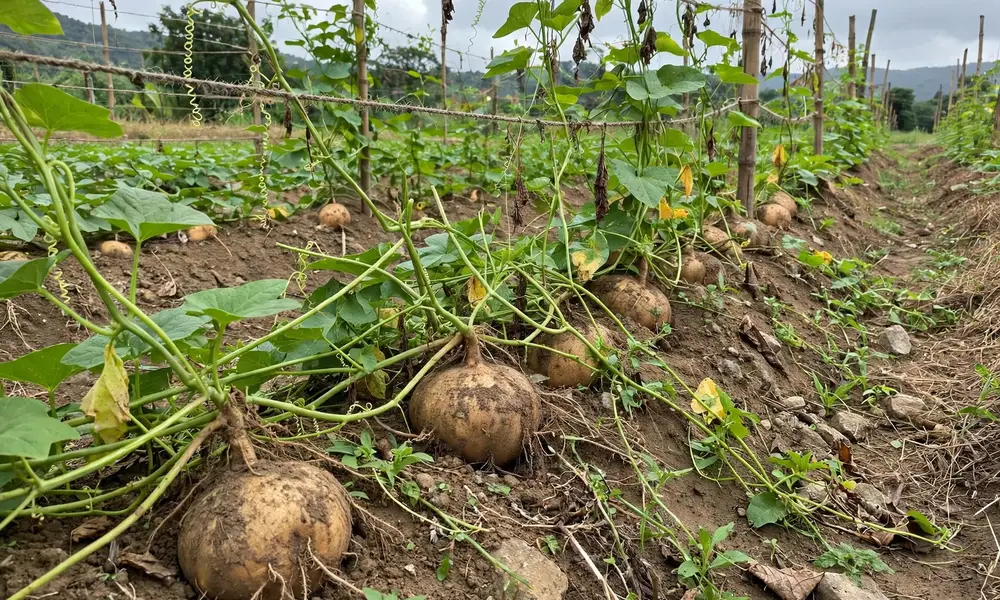
Three questions decide the booking before any money changes hands. First, the digging weeks, since a stay booked outside them is a farm holiday without the root at its centre. Second, whether guests may join the digging in person. Third, what the price covers: the room, the meals, the walks, the market trips, and whether tastings are charged separately. A farm worth booking answers all three in one reply.
If you have eaten at an acai farm before, the shape of the trip will feel familiar, and our guide to the best luxury acai farm retreats shows how a sister crop is handled on the river. Jicama is a different plant from a different climate, but the questions to ask before booking are much the same.
The 9 best luxury jicama farm retreats of 2027
Mexico City, Mexico — Jicama beneath the capital’s volcanoes
What we like: The shortest journey of any stay on this list, with jicama rows an hour from the city, mountain views from the rooms, and breakfast built around sliced root with lime and chilli. What to consider: The altitude is serious at over 2,000 metres, and the city edge means traffic at the start of the trip. Best For: First-time visitors who want jicama without a long journey. Style: Terrace lodge with stone walls and broad views. Price Range: $95–$150 per night. Standout Feature: Dawn digging walks that finish at the farm table.
Guadalajara, Mexico — Jicama in the agave country
What we like: Dry sunny air, a proper lodge with guides on staff, and vine rows that pair jicama digging with views over the agave fields. What to consider: The sun is fierce at midday, and the journey takes a full day from the coast. Best For: Travellers who want the countryside itself, not just the root. Style: Ranch farmhouse with shaded courtyards. Price Range: $140–$215 per night. Standout Feature: Guided dawn walks through old jicama rows.
Oaxaca, Mexico — Jicama in the valley of markets
What we like: A rare setting in the Oaxaca valley, with jicama rows on the slopes and a famous market a short walk away. What to consider: The town is busy on market days, and the best rooms go early. Best For: Couples who want roots, markets and hills in a single trip. Style: Valley farmhouse with broad verandas. Price Range: $110–$175 per night. Standout Feature: Jicama with lime and chilli served at the market stall.
Oaxaca gives you two trips for the price of one, and the market is where the root makes sense.
Mérida, Mexico — Jicama on the hot Yucatán plain
What we like: A small, quiet farm near the old colonial city, with generous rows, patient hosts, and some of the crispest jicama on this list. What to consider: The heat is heavy by noon, so the digging starts at dawn. Best For: Slow travellers who want the farm almost to themselves. Style: Family-run farm with simple, comfortable rooms. Price Range: $70–$120 per night. Standout Feature: Cold jicama and lime after a morning in the rows.
Mérida is the slow choice, and the root repays the early start. The rows sit on flat land near the city, and the hosts have time to talk.
Manila, Philippines — Jicama where singkamas rules the market
What we like: Open tropical light, a working farm with animals and rows side by side, and jicama that ripens in the warm air. What to consider: The heat is steady all day, and the wet season brings mud and heavy rain. Best For: Travellers who enjoy warm country and busy markets. Style: Tropical farm with cool shaded courtyards. Price Range: $125–$190 per night. Standout Feature: Singkamas tasting under the open tropical sky.
Manila feels different from the Mexican farms, because the land is flat and the market does the talking. The jicama grows alongside bananas, and the harvest comes in a steady stream.
Cebu, Philippines — Jicama on the island’s green hills
What we like: A large farm near the coast, with sea access, strong guides, and jicama rows that stretch a long way back from the shore. What to consider: The roads are slow in the hills, so the approach is practical rather than pretty. Best For: Groups and families who want space and sea trips. Style: Coastal farm with boat trips and a big shared table. Price Range: $88–$138 per night. Standout Feature: Boat journeys to rows you cannot reach by road.
Cebu suits travellers who like their roots with a sea journey attached, and the farm table is generous.
Jakarta, Indonesia — Jicama where bengkuang fills the stalls
What we like: A frontier farm with deep valleys behind it, Javanese farming history in the family, and jicama rows that feel genuinely old. What to consider: The journey is long, the roads are rough, and the farm sits far away. Best For: Adventurous travellers who want the far edge of the island. Style: Highland lodge with valley walks. Price Range: $105–$165 per night. Standout Feature: Valley trails where jicama grows among rice fields.
Jakarta is the wild card. The farm sits where the hills break into valleys, the hosts are the children of Javanese farmers, and the jicama grows half-wild among older crops.
Bangkok, Thailand — Jicama in the land of man kaeo
What we like: A young city with clean roads and easy flights, a farm in the hills behind it, and jicama rows with views over the valley. What to consider: The rows are younger than the Mexican farms, so the roots are lighter in some years. Best For: Short stays and travellers who want an easy journey. Style: Hillside farm with modern rooms. Price Range: $160–$245 per night. Standout Feature: Breakfast on the hilltop above the valley mist.
Bangkok is the practical choice. The farm is close to the city, the rooms are comfortable, and the rows are easy to walk.
Ho Chi Minh City, Vietnam — Jicama on the delta’s edge
What we like: A big working farm where orchards, rows and river canals meet, with generous hosts and jicama that ripens in the open sun. What to consider: The farm is a working place first, so the animals and the seasons set the pace. Best For: Travellers who want a real working farm, not a showpiece. Style: Working farm with long verandas and home-cooked food. Price Range: $75–$125 per night. Standout Feature: Home-cooked meals with jicama in the salad.
Ho Chi Minh City closes the list with honesty. This is a farm that happens to have jicama, not a jicama attraction with a farm attached.
Which jicama region fits your trip
The Mexican farms suit first visits. Mexico City and Oaxaca give you jicama within easy reach of an airport, a market and a proper bed, and the digging is reliable in season. If you only have a long weekend, start there.
The tropical islands suit a longer stay. Cebu and Jakarta ask for a week and repay it with old rows, river journeys and guides who know the plants by name. Mérida sits between the two, quiet and generous, and Manila suits groups, because the farm is big and the boats are ready.
The warmer mainland suits a different kind of trip. Bangkok and Ho Chi Minh City sit where the hills open into gentler country, and the jicama there ripens in a different light. These are the stays for travellers who have already seen the Mexican farms. If the Amazon berries are your reference point, our guide to the best luxury guarana farm retreats is a useful companion, because guarana grows at the other end of the climate scale.
The caveats that matter
Jicama is a gentle root, but a farm trip still needs honest expectations. The roots are ready when they are ready, and no farm can guarantee a heavy harvest on a chosen date. The heat is real at every stop on this list, and the tropical roads can be slow, so allow a full day for travel and a morning to settle in before any hard walking.
| Detail | What is known |
|---|---|
| Botanical name | Pachyrhizus erosus, a climbing vine of the bean family from Mexico |
| The root | Crisp, mild and juicy, with white flesh that eats like a water chestnut |
| How it is eaten | Raw with lime, salt and chilli, or sliced into salads and slaws |
| Harvest pattern | Roots are dug before the vine flowers, because flowering turns the flesh woody |
| What to never eat | The seeds and pods hold rotenone and are poisonous, so only the root is eaten |
| Who should ask first | Anyone with a bean allergy should check with their clinician before eating a lot of it |
| Getting there | Tropical roads and long drives serve most farms, so allow a full day for travel |
| What it does not do | It does not keep for long once cut, so eat it fresh on the farm |
The other caveat is the one every farm guest forgets until dinner. Kitchens on these farms use wheat flour every day, in bread, in soups and in the sauces that thicken a meal, so a gluten-free guest who stays quiet will be served wheat at the table. Say so plainly in your first message, and ask what the kitchen can manage. The best luxury macaúba farm retreats guide covers the same question for a sister crop: tell the farm early, and the farm will look after you.
Checklist: booking a jicama farm stay honestly
Use these checks before you book, and again the week before you travel.
- Ask the farm for its digging weeks, and put your dates inside them.
- Ask whether guests may join the digging, or whether only staff handle the harvest.
- Ask for the price in writing, with room, meals, walks, market trips and tastings spelled out.
- Ask about the road to the farm, and allow a full day for travel.
- If wheat is a problem for you, mention it in your very first message to the farm.
- Pack sturdy shoes, a sun hat, a water bottle and a bag for pickled jicama to take home.
Frequently asked questions
When is jicama dug up?
The roots are dug before the vine flowers, and the exact weeks move with the region and the farm. Ask the farm which weeks the digging falls in before you book, because a stay outside that window is pleasant but not a jicama trip.
What does a jicama root taste like?
Crisp, mild and juicy, with white flesh that eats like a water chestnut. It is neither starchy nor floury, which surprises people expecting another heavy root. With lime, salt and chilli it is cool and refreshing, and in a salad it stays crisp for hours.
Can visitors dig jicama on the farm?
On most farms, yes, during the morning digging. Some farms leave the digging to their own workers, and a few keep guests to the marked paths. The rule changes from farm to farm, so ask before you set off.
Is jicama safe for people watching their blood sugar?
Jicama is low in calories and high in water and fibre, which makes it a gentle choice, but it is still food and portions matter. Anyone managing blood sugar should speak to their clinician before eating much of it, and let the farm know too.
Which jicama farm suits a first visit?
Mexico City or Oaxaca, because both are easy to reach, the rows are close to the stay, and the digging is reliable in season. Save Jakarta or Cebu for a second trip, when you have a week for the tropics.
What should guests who avoid gluten ask the farm before booking?
Write to the farm before booking and ask whether the kitchen can keep wheat out of your meals, and what those meals will be. Farm kitchens cook with wheat flour daily, so only an early, clear conversation gives you certainty.
The bottom line
The best jicama farm retreat in 2027 is the one that puts you on a real row at the right week, with a host who knows the root and a kitchen that knows your needs. Mexico City and Oaxaca are the easy first visits, Cebu and Jakarta are the tropical rewards, and the mainland farms show the root in a different light. Pick the region that fits your time and let the digging set the pace.
Go for the digging, not the photograph. A jicama morning starts with what comes out of the ground, tastes best within the hour, and ends with lime and chilli at lunch and a story at dinner. That covers the trip, and it is enough.