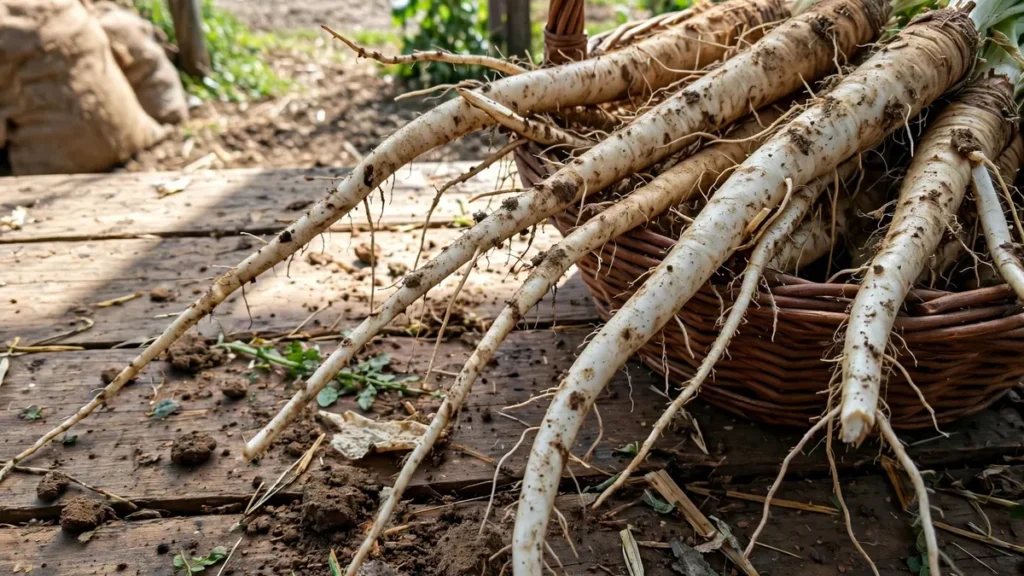
Planning a salsify farm escape is mostly a matter of timing. The root is only at its best in the cold months, the farms are small, and the good weekends in November and December go early.
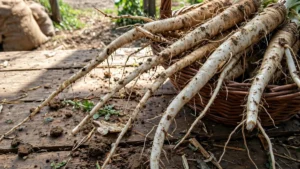
The work itself is simple, and that is part of the appeal. You loosen the soil with a fork, ease a long white root out of the ground, peel it under running water, and cook it the same day.
This guide walks through the nine decisions that matter, in the order you should make them, from choosing the month to packing the roots for the trip home.
Key takeaways
- Book for late October to February, with late November and December the sweet spot for sweet, tender roots.
- Choose the farm by its beds and its kitchen, not by its photographs, and ask how it handles the peeling lesson.
- Arrive before the first digging session, because the morning work sets the pace for the whole stay.
- Pack boots, gloves, and a warm waterproof jacket, and leave room in your bag for roots to take home.
- Salsify is naturally gluten-free, but farm sauces, bread, and shared fryers can still carry gluten, so raise it in your first message.
What a salsify farm escape actually involves
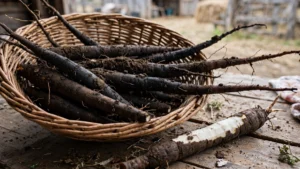
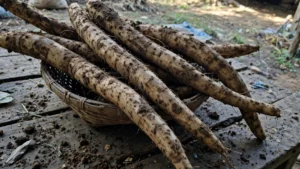
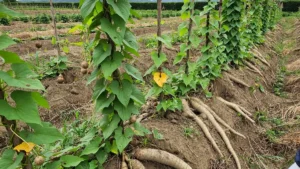
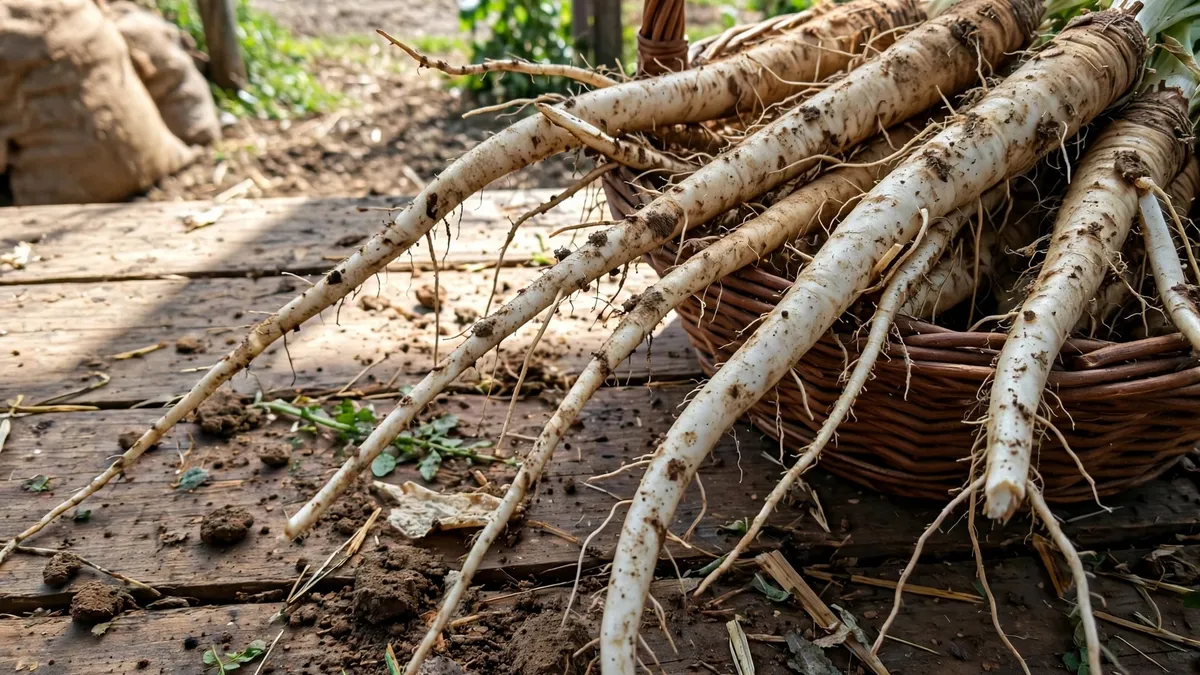
A salsify farm escape is a short working stay on a farm that grows salsify, Tragopogon porrifolius, the long white root sometimes called the oyster plant. Guests join the digging in the morning, learn to peel and cook the roots in the afternoon, and eat what the day produced in the evening. The stays are usually two or three nights, and the groups are small, often eight to ten people at most.
The day has a fixed shape on most farms. Breakfast is early and plain. Digging runs from mid-morning to midday, when the light is best and the soil is workable. The afternoon belongs to the kitchen: scrubbing, peeling under running water, dropping the roots into lemon water so they do not darken, then simmering, roasting, or folding them into a gratin.
The escape suits travellers who like their holidays active and their food honest. What you get in return is a skill you can use at home, a meal you helped make, and a root vegetable you will never look at the same way again.
How to plan a salsify farm escape, step by step
Start with the calendar, then the farm, then the travel. That order matters, because the season is short and the farms are small. A farm that is free in January may have nothing left to dig by February, and a farm that looks perfect in photographs may be fully booked for the only weekend you can travel. Month first, farm second, trains and flights third.
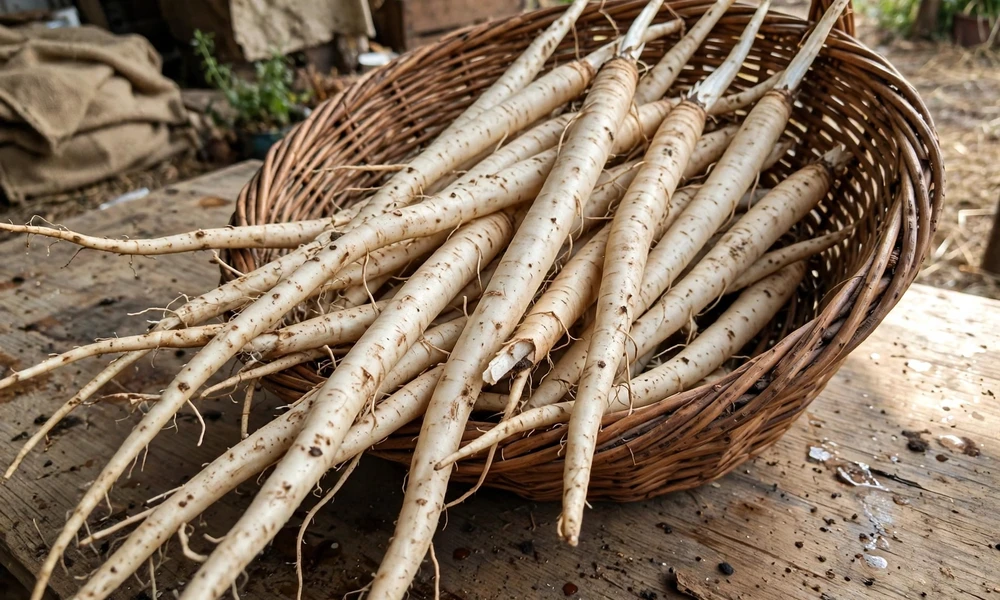
Give yourself time for the planning itself. The farms on this list answer messages slowly, because they are working farms, and a reply can take two or three days. Start six to eight weeks before you want to travel, and do not panic if the first reply is short.
The nine steps below are the decisions that matter, and they work best in this order. Skip ahead and you will find yourself booking travel to a farm that has no roots left, or arriving after the digging has finished for the day. Our guide to planning a lotus root farm escape follows the same order for a pond crop, and the logic holds here too.
The 9 steps to a good salsify farm escape
Settle the month before you settle on a farm
What to do: Choose late November or December, when the cold has sweetened the roots and the ground is still workable. What to avoid: Booking for high summer, when there is nothing to dig, or for late February, when roots left in the ground can turn woody. Best for: Travellers who can be flexible about dates. Time needed: An evening of reading farm pages and checking the calendar. Standout tip: Ask the farm which week it expects to lift its best beds, not just when the season opens.
The month decides everything else. Roots dug in December taste sweeter than roots dug in October, because the cold concentrates their sugars, and the ground is usually kinder to work before the hard frosts.
Match the farm to how much digging you want to do
What to do: Read the farm’s description of a typical day and choose one where guests dig, peel, and cook, rather than one where guests watch. What to avoid: Picking a farm for its rooms alone, or for photographs that show a dining room and no field. Best for: Guests who would rather dig than watch. Time needed: One afternoon comparing farm pages and guest notes. Standout tip: Look for a group cap of ten or fewer, which usually means everyone gets a fork.
Ask about the beds and the soil, not just the rooms
What to do: Ask how deep the beds are, whether the soil is stone-free, and how the farm keeps its roots straight. What to avoid: Judging a farm by its bedrooms, which are simple on every working farm. Best for: Growers and gardeners who want to learn the crop. Time needed: One message to each farm on your shortlist. Standout tip: A farm that talks happily about its soil is a farm that takes the crop seriously.
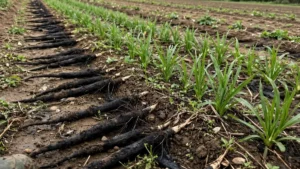
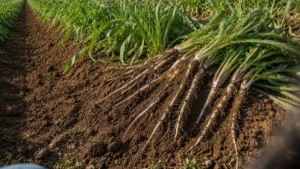
Straight roots come from deep, stone-free beds, and a farm that has prepared its beds properly will tell you so without being asked. A farm that changes the subject to its rooms is telling you something too. The soil question is the fastest way to separate a real salsify farm from a farm that grows a little salsify on the side.
Sort the travel so you arrive before the first dig
What to do: Plan to arrive the afternoon before your first digging morning, so you are rested and on site when the work starts. What to avoid: Arriving on the morning of the dig, tired from an early train, and missing the first hour in the field. Best for: Anyone travelling by train or bus to a rural farm. Time needed: An evening of checking timetables and booking tickets. Standout tip: Check the last bus or train from the nearest town, because rural services stop early.
Send the farm your food limits with the first message
What to do: Mention gluten, allergies, and anything else the kitchen needs to know in your very first message, before you pay. What to avoid: Waiting until you sit down to dinner, when the kitchen has already cooked the meal. Best for: Anyone with coeliac disease, an allergy, or a strict diet. Time needed: Five minutes to write one clear message. Standout tip: Ask specifically about sauces, bread, and shared fryers, because the root itself is gluten-free but the kitchen may not be.
Farm kitchens are small and the menus are set by the harvest, so a late warning is hard to fix. A clear note in the first message lets the farm plan around you, and a good farm will reply with exactly what it can and cannot do. If the reply is vague, or if the farm seems unsure, that is useful information too, and it is better to know before you pay than over dinner.
Pack layers for mud outside and heat in the kitchen
What to do: Pack boots, gloves, a warm waterproof jacket, and a layer you can shed in the kitchen. What to avoid: Packing light shoes, pale clothes, or anything you mind getting stained by salsify sap. Best for: First-time farm guests who have never dug in winter. Time needed: An evening of packing and checking the forecast. Standout tip: Bring your own gloves if your skin is sensitive, because the milky sap stains and can irritate.
Learn the peeling routine on your first afternoon
What to do: Watch the host peel one root from start to finish, then peel your own slowly, under running water, dropping each piece into lemon water. What to avoid: Peeling quickly and leaving cut roots exposed to the air, where they darken within minutes. Best for: Anyone who has never handled salsify before. Time needed: One afternoon of practice, and the lesson will last the whole stay. Standout tip: Peel under running water and keep a bowl of lemon water beside you at all times.
Peeling is where most first-timers lose time and roots. The skin is thin, the flesh darkens fast, and the sap stains everything it touches. The host’s method is simple: running water, a sharp peeler, lemon water for the cut pieces, and no rushing. Learn it properly on the first afternoon, and the rest of the stay is easier. Rush it, and you will spend the stay re-peeling roots that have gone brown.
Plan the meals around the harvest, not the other way round
What to do: Let the day’s digging decide dinner, and be ready for salsify in several forms at once. What to avoid: Arriving with a fixed idea of what dinner should be, or asking the farm to cook something else. Best for: Food lovers who enjoy eating what the land gives. Time needed: No extra time, just a flexible attitude at the table. Standout tip: Try the soup first, because it shows the root’s flavour most clearly.
Leave time for the market and the trip home
What to do: Keep your last morning free for the nearest market, and pack any roots you buy in a bag that keeps them cool and dry. What to avoid: Booking an early departure that forces you to skip the market and the farewell breakfast. Best for: Travellers who want to bring the trip home with them. Time needed: A morning at the market and an unhurried pack. Standout tip: Buy roots from the farm itself if it sells them, because they will be the freshest you find.
The last morning is the easiest part of the trip to ruin by rushing. A slow breakfast, a walk around the nearest market, and a bag of roots for home are the right ending. Roots travel well if they are kept cool and dry, and they will keep for a week in a cold cupboard. Cook them within a few days of getting home, while the trip is still fresh in your mind.
When to go, and how long to stay
Late November and December are the best months, with the cold sweetening the roots and the ground still workable. October is possible but early, and the flavour is thinner. January is good if the ground has not frozen hard, and February is a gamble, because roots left in the ground too long go woody and will not soften in the pan. Ask the farm when it plans to dig, and trust a specific answer over a vague one.
Two or three nights is the right length. One night gives you a meal and a single morning in the field, which is enough to taste the root but not to learn it. Two nights let you dig, peel, and cook across two days, and improve on the second. Three nights add a market morning and a slower pace, which suits travellers who want the stay to feel like a holiday rather than a lesson. Our guide to planning a Jerusalem artichoke farm escape makes the same point for a knobbly tuber, and the reasoning holds here too. For a warm-climate contrast, our guide to planning a taro farm escape plans around rain and heat rather than frost and mud.
Midweek stays are quieter than weekends on most farms, and the host has more time to teach. If your dates are flexible, a Tuesday to Thursday stay is often the best value and the calmest experience.
The caveats that matter
Salsify is a forgiving crop, but the trip has a few honest limits. The season is short, the weather is cold and wet, the work is muddy, and the rooms are simple.
| Detail | What is known |
|---|---|
| Best months | Late November and December, after the first cold and before hard frosts |
| Ideal length | Two or three nights, with a market morning on the last day |
| When to book | Six to eight weeks ahead, because farms are small and reply slowly |
| Arrival | Arrive the afternoon before your first digging morning |
| What to pack | Boots, gloves, a warm waterproof jacket, and layers for the kitchen |
| Peeling | Peel under running water and keep cut roots in lemon water |
| Food limits | Raise gluten and allergies in the first message, before you pay |
| What to avoid | Summer trips with nothing to dig, and roots left in the ground too long |
One more caveat worth stating plainly: a salsify escape is not a good first farm stay for someone who dislikes cold weather or muddy work. The digging happens outdoors in winter, and there is no warm version of it. If that sounds like a problem, choose a spring or summer farm crop instead, and come back to salsify when the idea of a cold morning in the field sounds appealing rather than punishing.
Checklist: planning a salsify farm escape honestly
Use these checks before you book, and again before you travel.
- Check the month: late November or December, with the farm’s own digging week confirmed in writing.
- Check the farm: small groups, guests who dig and cook, and a kitchen built around the day’s harvest.
- Check the travel: arrive the afternoon before the first dig, and know the last bus or train from the nearest town.
- Check the food limits: gluten and allergies raised in the first message, with sauces, bread, and fryers asked about directly.
- Check the packing: boots, gloves, a warm waterproof jacket, and a bag for roots to take home.
- Check the weather plan: ask what the farm does on a wet or frozen day, and what happens when digging is impossible.
Frequently asked questions
How far ahead should I book a salsify farm escape?
Six to eight weeks is a good lead time. The farms are small, the season is short, and the good weekends in November and December go early. Farms reply slowly because they are working farms, so start early and do not worry if the first reply takes a few days.
What if it rains or freezes during my stay?
Rain rarely stops the digging, because the work is outdoors and the farms expect it. A hard freeze can make the ground unworkable, in which case most farms move the day into the kitchen, with peeling, cooking, and a longer lunch.
Can I take salsify roots home with me?
Yes, on most farms. Roots travel well if kept cool and dry, and they will keep for about a week in a cold cupboard.
Is salsify safe for someone with coeliac disease?
The root itself is naturally gluten-free, but farm kitchens are small and shared, so sauces, bread, and fryers can carry gluten. Raise it in your first message, ask about the kitchen directly, and judge the farm by how clearly it answers. A vague reply is a reason to look elsewhere.
Do I need digging experience for a salsify stay?
No experience is needed. The host will show you how to loosen the soil, ease the root out, and peel it properly, and the work is gentle enough for anyone who can handle a fork and a peeler. The mornings are cold and the beds are muddy, but the work itself is simple.
How long should I stay at a salsify farm?
Two nights is a good minimum, with a third night adding a market morning and a slower pace. A single night only covers one morning in the field, which is enough to taste the root but not to learn the peeling and cooking properly, so give yourself the extra day if you can.
The bottom line
A salsify farm escape is a small, quiet holiday that rewards planning. Pick the month first, choose a farm that lets you dig and cook, arrive before the first morning’s work, and tell the kitchen about gluten in your first message. The rest is boots, gloves, and patience with the peeler.
Book for late November or December, pack for mud and cold, and go ready to work. The root is modest, the meal is honest, and the skill you take home will outlast the trip.