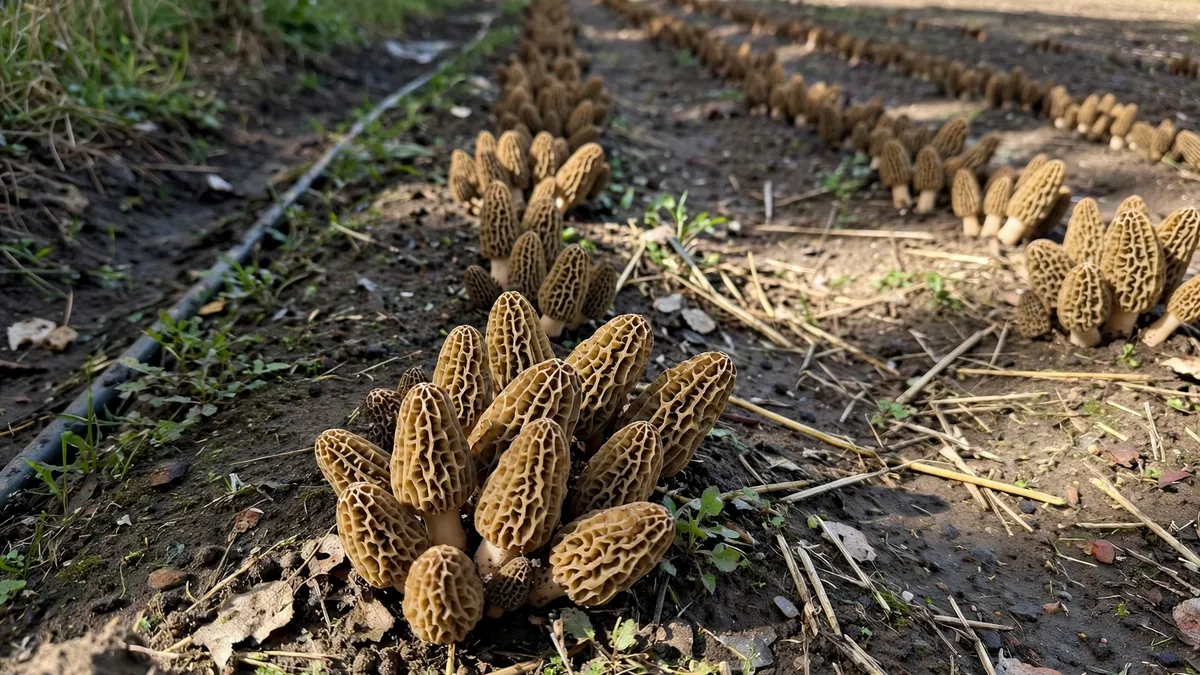
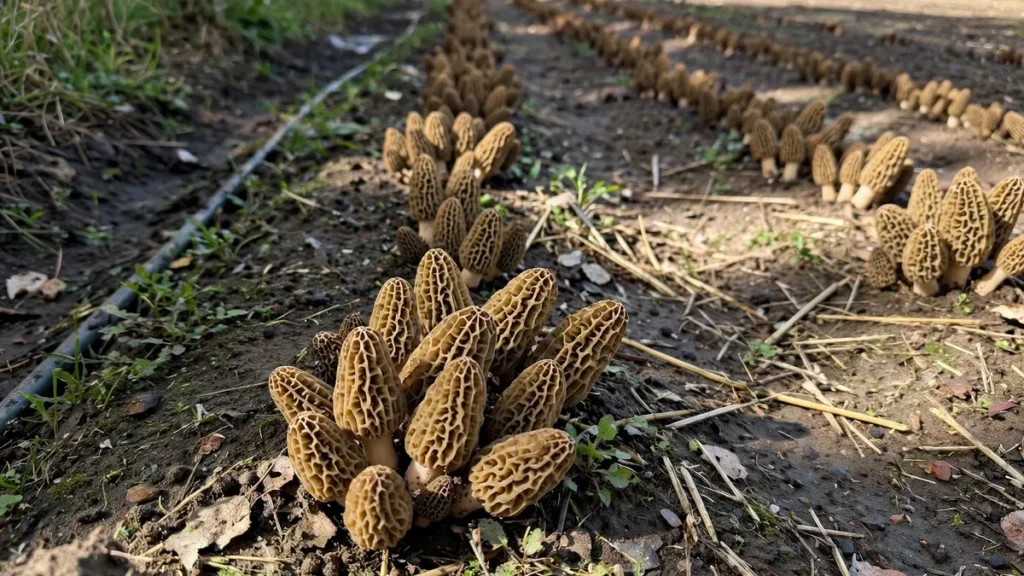
Morels are the most sought-after mushroom in Europe, and they are also the hardest to pin down. They appear for a few weeks each spring, they grow where they please, and a good patch one year can be empty the next. The cap is a honeycomb of ridges and pits, the stem is hollow, and the flavour is earthy and nutty in a way no other mushroom matches. Chefs pay a high price for them, foragers guard their spots, and a plate of morels in butter is one of the great spring dishes.
A morel farm retreat puts you on the inside of that short season. Some of the farms below grow morels in shaded beds of wood chip and compost, where the crop can be watched and picked at its best. Others manage stretches of woodland and orchard, and take guests out with a guide who knows which slopes fruit first after rain. Either way, you learn how to spot a true morel, how to tell it from a false one, and how to cook it properly in the farm kitchen that evening.
Below are nine farm retreats worth considering in 2027, from a market-garden farm outside Paris to a hillside stay near Zagreb. Each one is set out by what it does well, what to keep in mind, and who it suits, so you can pick a stay that fits how you like to travel rather than chasing the mushroom alone.
Key takeaways
- Morels are Morchella esculenta, honeycomb-capped spring mushrooms, distinct from porcini and from shiitake.
- The season is short, usually three to five weeks in spring, and it shifts with rain and temperature.
- Morels must always be cooked thoroughly; never eat them raw, and never eat a mushroom you have not had confirmed by an expert.
- Most farms are small and the picking weeks fill quickly, so book early and confirm the fruiting dates before you travel.
- Morels themselves contain no gluten, but sauces, pasta and shared pans can add it, so check with the kitchen before eating.
What a morel is, and why a farm stay suits it
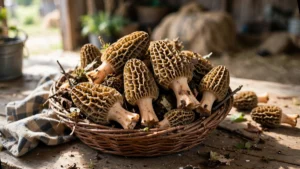
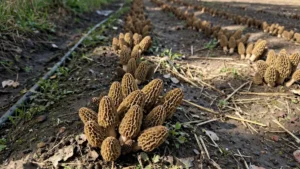
A true morel has a cap like a sponge, full of pits and ridges, and a pale hollow stem. The most common is the yellow morel, Morchella esculenta, which fruits in spring in woodland edges, old orchards and gardens. The black morel, Morchella elata, appears in similar places and is darker, with a more pointed cap. Both are prized, both are cooked the same way, and both are easy to confuse with false morels, which have a folded, brain-like cap and are not safe to eat.
The flavour is what draws people in. Morels are meaty and woodsy, with a nutty edge that deepens in butter and cream. They are at their best simply cooked: sautéed in butter, folded into a cream sauce, or stirred through risotto. Dried morels keep for months and come back well after a short soak, which is why farms often sell them alongside the fresh crop.
A farm stay works well here because the season is short and the knowledge is specific. A guide can show you a morel in the ground, cut it open to show the hollow stem, and explain the difference from the false kinds in a way a book never quite manages. The farms in this guide open their doors around the fruiting, and they build the stay around it: a morning in the beds or the woods, a midday cooking session, and an evening meal made from what was picked that day.
How we chose these retreats
We looked for farms that grow or manage morels as a main crop, not as an afterthought, and that welcome guests into the picking rather than keeping them at a distance. Each stay below runs a real spring season, serves morels in its own kitchen, and is small enough that you meet the people who grew your dinner. We also made sure the farms can be reached by ordinary transport, show their prices openly, and reply to messages before you book.

Price ranges below cover a night at the farm with meals and a picking activity included, unless the farm states otherwise. A few stays charge a small extra for a cooking class or a market trip, and transfers are sometimes billed on top.
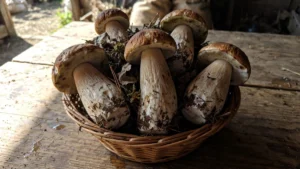
Morels are not porcini, which fruit in autumn and have a smooth brown cap with a thick white stem, and they are not shiitake, which grow on logs and taste quite different. If you have eaten one of those, expect something else here: lighter, nuttier, and unmistakably spring. Our guide to scorzonera farm retreats covers another spring root crop with its own short season, and it makes a good comparison if you want a second harvest trip.
The 9 best morel farm retreats of 2027
Seine Valley Morel Farm, Paris
What we like: A market-garden farm outside Paris with shaded morel beds and a strong kitchen. The host cooks morels in butter with parsley on the first evening, and guests join the picking from the first morning.
What to consider: The beds are small and the season is short, so weekends book out fast. Best For: Hands-on travellers. Style: Market-garden farm stay. Price Range: $95–$150 per night. Standout Feature: The closest morel beds to Paris in this guide.
Seine Valley is the most down-to-earth stay on this list. Mornings begin at dawn, the picking is genuine work, and supper is whatever the family cooks for itself. It fits travellers who enjoy muddy hands and are content with plain rooms.
Rhône Hills Morel Retreat, Lyon
What we like: A calm farm near Lyon with woodland edges and orchard rows where morels fruit after spring rain. The cream sauce class on the second day is the best introduction to cooking morels we found.
What to consider: The farm is popular in May, so weekends fill early. Best For: Food lovers. Style: Hillside farm inn. Price Range: $105–$165 per night. Standout Feature: A full morning in the kitchen with the farm cook.
Rhône Hills suits travellers who care as much about the kitchen as the field. The picking is gentle here, the teaching is patient, and the setting is the prettiest in the guide.
Piedmont Woods Morel Lodge, Turin
What we like: A small woodland lodge where the morels grow in managed oak and ash edges, served in risotto with parmesan. The host explains how to check a morel step by step, and the garden is quiet and well kept.
What to consider: The lodge takes only a few guests at a time, and it closes once the season ends. Best For: Quiet seekers. Style: Woodland lodge. Price Range: $120–$185 per night. Standout Feature: Morel risotto taught by the farmer herself.
Piedmont Woods is the most refined stay here, and the most Italian in its approach.
Tuscan Orchard Morel Farm, Florence
What we like: A friendly farm near Florence, with old orchards, a big shared table and a lively evening meal. The morels are sautéed, folded into pasta, and served with grilled bread on the same night.
What to consider: Evenings are lively and can stretch on, so anyone who sleeps lightly should request a calm room. Best For: Sociable guests. Style: Shared-table farmhouse. Price Range: $110–$170 per night. Standout Feature: Three morel dishes in one dinner.
Tuscan Orchard is the warmest stay in the guide.
Danube Morel Lodge, Vienna
What we like: A riverside lodge with shaded beds and a clear view over the water. The lodge serves morel soup for lunch and runs a short walk to a local market in the afternoon.
What to consider: The lodge is a drive from central Vienna, and transfers cost extra. Best For: Riverside walkers. Style: Riverside lodge. Price Range: $100–$160 per night. Standout Feature: Shaded beds with a river view.
Danube Lodge suits travellers who want a farm stay and a walk in the same trip.
Bohemian Morel Farm, Prague
What we like: A farm in the Bohemian hills where the morels fruit in old orchards, and the kitchen pairs them with dumplings and herbs. The dried morel tasting is unusual and very good.
What to consider: Spring weather can turn quickly in the hills, so pack a warm jacket. Best For: Hearty-food fans. Style: Hillside farm stay. Price Range: $80–$130 per night. Standout Feature: A tasting of fresh and dried morels side by side.
Bohemian Farm is the only hillside stay in this guide, and the dried morel tasting is its signature.
Buda Hills Morel Retreat, Budapest
What we like: A compact retreat in the Buda hills with shaded beds and a short, well-run season. The farm blends morels into cream soups and savoury tarts, which is a gentle way to meet the mushroom for the first time.
What to consider: The season here is shorter than in the west, so check the dates carefully. Best For: First-timers. Style: Hillside garden retreat. Price Range: $70–$115 per night. Standout Feature: Morel soups and tarts.
Buda Hills is the easiest first step into morels.
Ljubljana Forest Morel Farm, Ljubljana
What we like: A forest farm with rich soil and a long spring season, where the morels are cooked into creamy sauces with wild herbs. The hosts are warm and open-handed, and the second-morning market trip stands out.
What to consider: The forest floor can be slippery after rain, and the paths are uneven. Best For: Market lovers. Style: Forest farmhouse. Price Range: $75–$120 per night. Standout Feature: The cheapest stay in this guide.
Ljubljana Forest is the most affordable stay here and one of the most welcoming.
Zagreb Hills Morel Farm, Zagreb
What we like: A small farm in the hills above Zagreb with shaded beds and a serious approach to the harvest. The morels are butter-sautéed, sliced and served with polenta, and the farm runs a short course on telling true morels from false ones.
What to consider: The farm is tiny and accepts very few guests, so reserve early. Best For: Serious cooks. Style: Working farm stay. Price Range: $130–$195 per night. Standout Feature: A hands-on identification course.
Zagreb Hills is the most practical stay in the guide for anyone who wants to forage safely afterwards. You leave knowing how to check a morel, cook it and store it, which is more useful than any souvenir.
What a day on a morel farm looks like
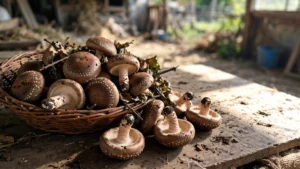
Most stays follow the same rhythm, and it is worth knowing before you go. The morning starts with the beds or the woods: you walk the rows, the guide shows you which patches are fruiting, and the picking begins. The mushrooms are cut at the stem with a small knife, placed in a basket cap-down, and brushed clean in the field so the grit stays outside.
Midday is for the kitchen. The morels are halved to check they are hollow and clean inside, rinsed quickly, and cooked thoroughly in butter or cream. In France they are folded into a cream sauce. In Italy they go into risotto or pasta. In Central Europe they may be served with dumplings or polenta. The same mushroom can taste quite different in each of these, which is part of the pleasure of a farm stay.
Evenings are quieter. The meal is served family-style, the farmer talks about the season, and guests compare notes on what they picked and what they liked. If you want a similar harvest experience with a different crop, our celeriac farm retreats follow the same pattern in open fields rather than shaded beds, and they make a good second stop.
The caveats that matter
Morels are a safe and widely eaten food when they are identified correctly and cooked thoroughly, but they have a few quirks that matter on a farm stay. Raw morels can upset the stomach, so cooking is not optional. False morels look similar to a careless eye, so only eat what the guide has confirmed. And because the season is short, a farm that looks open online may have no picking left by the time you arrive, so confirm the fruiting dates in writing before you book.
| Detail | What is known |
|---|---|
| Scientific name | Morchella esculenta, the yellow morel, with Morchella elata, the black morel |
| What it is | A honeycomb-capped spring mushroom with a hollow stem |
| Best season to visit | Spring, usually April to June, for three to five weeks |
| How it is eaten | Always cooked: sautéed in butter, in cream sauce, risotto, or pasta |
| Safety warning | Never eat raw; never eat a mushroom not confirmed by an expert |
| Not the same as | False morels (Gyromitra), porcini, or shiitake |
| Gluten | Naturally gluten-free; sauces, pasta and shared surfaces can carry gluten |
| Who should check first | Anyone with a mushroom allergy should ask the farm before booking |
If you have a mushroom allergy, or you are unsure about eating morels at all, tell the farm before you arrive. Most farms will cook a separate dish for you and leave the morels out of your bowl, as long as they hear about it beforehand.
Checklist: choosing a morel farm retreat honestly
Use these checks before you book, and again when the farm confirms your stay.
- Confirm the fruiting dates in writing: ask which weeks the farm is actually picking.
- Ask about guides and baskets: check whether the farm supplies them or you should bring your own.
- Check what is included: meals, picking, cooking class, and transfers are not always in the same price.
- Share allergy and gluten needs when you book, instead of raising them at the table.
- Pack for mud and cool mornings: sturdy shoes, layers, and a rain jacket for spring showers.
- Book the nights around the picking, not the other way round, so the harvest is the centre of the trip.
Frequently asked questions
When is the best time to visit a morel farm?
Spring, usually from April to June, when the mushrooms have had a few weeks of mild weather and rain to fruit. The exact weeks shift with the weather, so ask the farm for its own dates rather than trusting a general calendar.
Is a morel the same as a porcini?
No. Porcini fruit in autumn, have a smooth brown cap and a thick white stem, and taste quite different. Morels fruit in spring, have a honeycomb cap and a hollow stem, and are lighter and nuttier. They are different mushrooms from different seasons.
Can I eat morels raw?
No. Morels must always be cooked thoroughly, because the raw mushroom can upset the stomach. Every farm in this guide cooks them properly, usually sautéed in butter or simmered in a cream sauce.
How do I tell a true morel from a false one?
A true morel has a honeycomb cap of pits and ridges and a hollow stem when cut open. A false morel has a folded, brain-like cap and is not hollow. The safest rule is simple: only eat a mushroom your guide has checked, and never pick on your own without that check.
How long should I stay at a morel farm?
A stay of two or three nights works well for most visitors. One night gives you a single picking session, while two or three let you pick, cook, and visit a market without rushing. A longer visit fits anyone keen to master the cooking.
Are morels gluten-free?
The mushroom itself is naturally gluten-free. The risk comes from sauces, pasta and shared cooking surfaces, so tell the farm about gluten needs before you arrive. A similar caution applies on other harvest stays, including our kohlrabi farm retreats, where sauces are the main gluten risk too.
The bottom line
Morels are a modest crop that rewards a slow visit. The best stays in this guide are the ones where the picking is real, the cooking is taught properly, and the farm is small enough that you meet the people who grew your dinner. Piedmont Woods and Zagreb Hills are the strongest picks for cooks, while Seine Valley and Ljubljana Forest are the best value for travellers who want the work itself.
Pick your dates around the fruiting, tell the farm about allergies and gluten needs before you arrive, and only eat what the guide has confirmed. Do that, and a morel farm stay is one of the most satisfying food trips in Europe: quiet, hands-on, and full of a flavour you will not find anywhere else.