

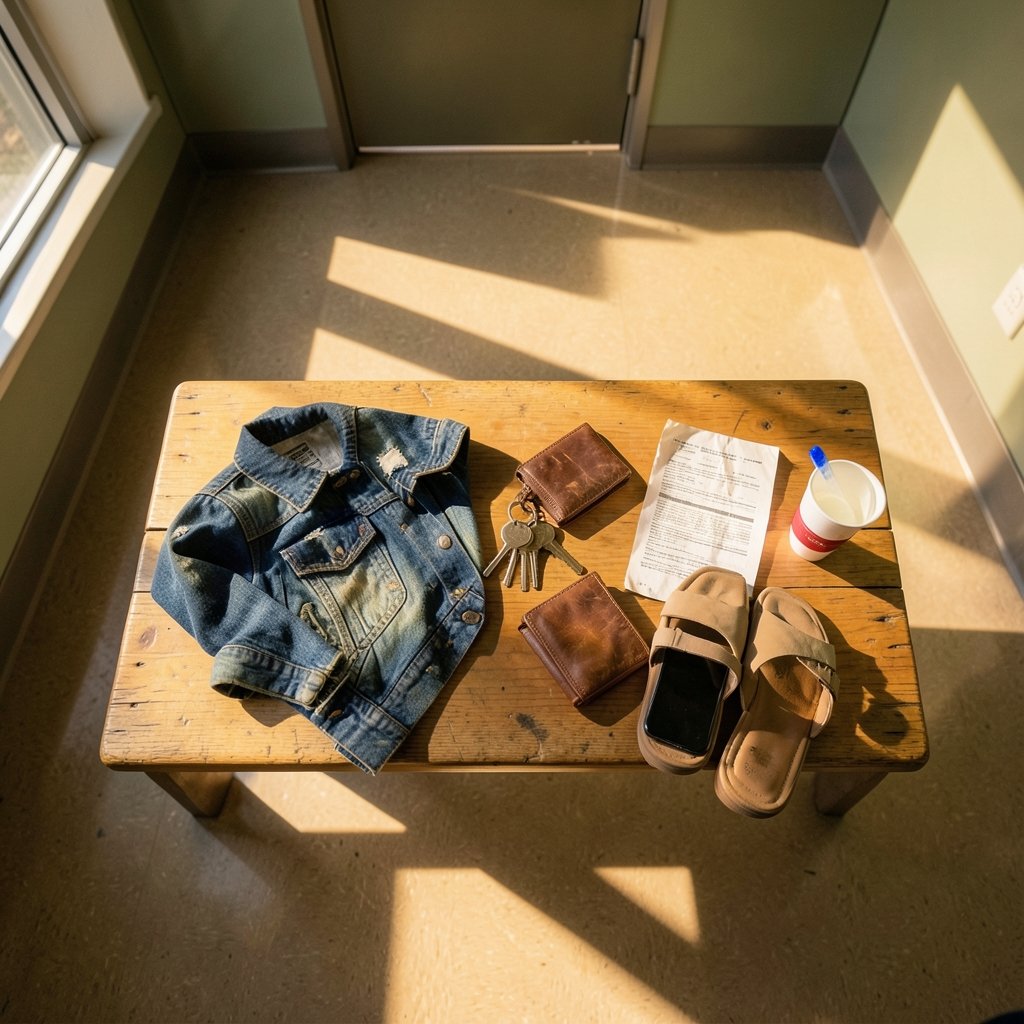
What happens when someone in Florida is in a mental health crisis and refuses help? The Baker Act addresses that question, and for more than fifty years it has shaped how the state responds to psychiatric emergencies. Some families say it saved a loved one’s life. Others describe it as a frightening, confusing experience that made things worse. Both accounts can be true at once, and understanding how the law works is the first step toward knowing what to expect.
What Is the Baker Act?
The Baker Act is the common name for the Florida Mental Health Act, found in Chapter 394, Part I of the Florida Statutes. It allows a person to be taken into custody and brought for a psychiatric examination without their consent, but only when specific legal criteria are met.
The law was enacted in 1971 and named after Maxine Baker, a state representative from Miami who sponsored it. Before the Act, Florida’s approach to mental illness leaned heavily toward long-term institutionalization. The Baker Act shifted the focus toward short-term evaluation and treatment in the least restrictive setting possible.
That distinction matters. The Baker Act is not a criminal law. Being “Baker Acted” does not mean someone has been arrested or charged with anything. It is a civil process designed to answer one question: does this person need emergency psychiatric care they are not currently able to accept voluntarily?
Who Can Initiate an Involuntary Examination
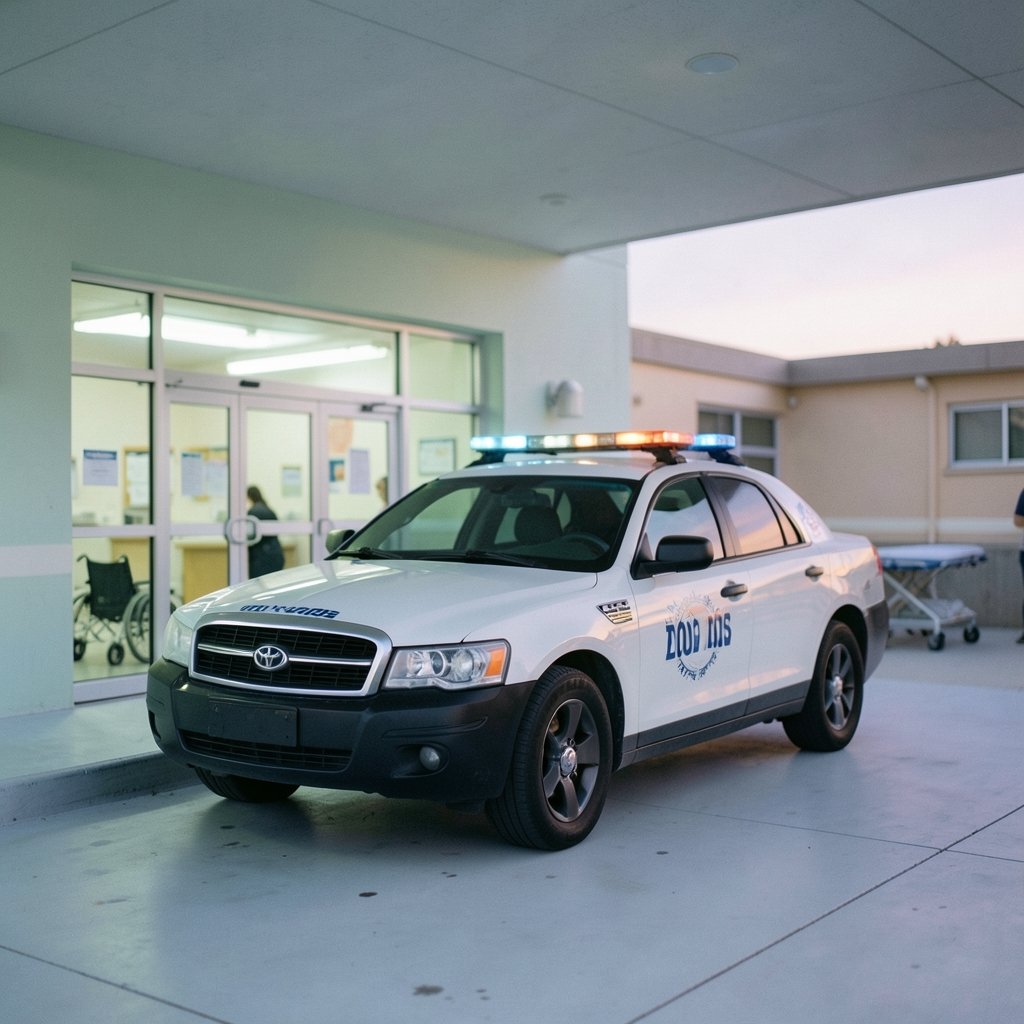
Florida law limits who can have a person taken for evaluation and who may initiate the process. A law enforcement officer, a physician, a mental health professional, or a court can start an involuntary examination. A judge may also order one based on a sworn petition filed by an ex parte applicant, which is typically a family member, caregiver, or concerned friend.
In everyday practice, law enforcement officers are the most common entry point. A family calls 911 during a crisis, officers respond, and if the situation fits the legal criteria, they transport the person to a facility that accepts involuntary examinations. That handoff often happens at a hospital emergency room or a designated receiving facility.
Here is a practical point families frequently miss: you cannot simply drive a reluctant adult to a facility and demand they be admitted. The person must meet the criteria, and the decision has to come from someone with legal authority to initiate. What you can do is call the right number, describe specific behaviors you have observed, and ask whether an involuntary examination is appropriate. Specifics carry far more weight than general statements. “He threatened to hurt himself with a knife last night” moves a process forward. “He’s been really off lately” usually does not.
The Criteria: What Has to Be True
The legal bar for an involuntary examination is narrow, and that is by design. The person must appear to have a mental illness and, because of that illness, meet at least one of the following conditions:
| Condition | What It Looks Like in Practice |
|---|---|
| Risk of serious bodily harm to self | Threats or attempts of suicide, serious self-injury |
| Risk of serious bodily harm to others | Threats or violent behavior toward other people |
| Inability to care for self | Refusing food, water, shelter, or medical care needed to survive |
| Likely neglect or harm without care | Deterioration that will predictably lead to harm |
Two things are worth stressing. First, having a mental illness alone is not enough. The illness has to be connected to the risk. Second, the standard is about imminent danger or serious deterioration, not general concern. A person who is eccentric, difficult, or simply making choices you disagree with does not meet the bar.
This is where frustration often builds. Families sometimes feel that a loved one is clearly deteriorating but not yet in immediate danger, which leaves them without a clear path. In those situations, voluntary options, outpatient providers, and crisis lines are usually the better route. Involuntary examination is a blunt instrument, and it works best when used for what it was designed to address.
What Happens After Someone Is Taken Into Custody
Once a person is taken for an involuntary examination, the clock starts. Florida law generally requires that the examination be completed within 72 hours, excluding weekends and legal holidays. During that window, a facility must examine the person and decide what comes next.
The outcomes fall into a few broad categories. The person may be released, may agree to voluntary treatment, or may become the subject of a petition for involuntary placement if they still meet criteria for continued care. That last step is a separate legal proceeding, not an automatic extension of the original hold.
People are often surprised to learn the 72-hour figure is not a guarantee of release at the 72nd hour. It is a deadline for completing the examination, and the exclusion of weekends and holidays can stretch the real-world timeline. Plan for the process to take longer than the number suggests, and keep asking the facility for status updates.
Rights During the Process
The Baker Act includes a set of patient rights. A person taken for examination must be informed of the purpose of the examination and of their right to counsel. The law also addresses dignity, communication, and treatment considerations during the stay.
In practice, exercising those rights can be harder than reading them. A person in crisis may not be in a position to advocate for themselves. This is one of the clearest places where a family member or friend can help: write down the name of the facility, the time of intake, and the name of the person handling the case. Ask directly what the next step is and when it will happen. Keep a simple log. It sounds mundane, but it makes a real difference when you need to follow up days later and cannot remember who told you what.
Scale and Controversy
Florida records well over 100,000 involuntary examinations in a typical year, a figure that has drawn sustained attention from researchers, journalists, and advocates. The state requires facilities and law enforcement to report initiations, and annual statistics are published at the state level.
Critics, including disability-rights and civil-liberties advocates, argue the law is overused. Their concern is that “Baker Acting” someone can become a shortcut for situations that would be better handled by housing, outpatient care, or crisis services. Supporters counter that the law provides a necessary tool when someone is genuinely at risk and no less restrictive option will work in the moment.
Both positions have real force. A law that can override a person’s liberty has to earn its place, and the strongest argument for it is that it is used carefully and sparingly. The strongest argument against overuse is not that the tool should disappear, but that the alternatives around it should be strong enough that it is rarely needed.
Practical Guidance for Families
If you are trying to help someone through a psychiatric crisis in Florida, a few habits tend to help more than panic does.
- Document specifics. Dates, times, exact statements, and behaviors. Vague descriptions get vague responses.
- Call the right resource first. For an active emergency, call 911. For guidance before things reach that point, a local crisis line or mobile response team is often the better first call.
- Ask what the legal standard is. When you speak with an officer or clinician, ask directly whether the situation meets the criteria for an involuntary examination. It is a fair question and it clarifies the path.
- Know the difference between voluntary and involuntary. Many people accept voluntary treatment when it is offered clearly and without pressure. That route usually produces a better experience than a forced hold.
- Prepare for the waiting. Bring identification, medication lists, and contact information. Expect delays around weekends and holidays.
- Take care of yourself afterward. A crisis involving someone you love is draining. Support for family members is not a luxury.
One common mistake deserves its own mention: using the threat of the Baker Act as leverage in an argument. It damages trust and can make a person less willing to seek help voluntarily in the future. The law is a safety tool, not a bargaining chip.
How the Baker Act Fits Into a Larger System
The Baker Act does not exist in a vacuum. It sits inside a broader mental health system that includes crisis lines, mobile response teams, outpatient therapy, medication management, supportive housing, and peer support. When those pieces are well funded and easy to reach, involuntary examinations tend to be reserved for genuine emergencies. When they are thin, the law absorbs pressure it was never meant to carry.
For readers who want to understand related topics in depth, resources on specific hair types and texture care, such as guides to 4c hair and 2b hair, show how specialized content helps people find practical answers to very specific questions. The same principle applies here: the more precise the information, the more useful it is when someone is actually in the middle of a difficult situation. Coverage of everyday topics, from the row to mental health law, works best when it gives readers something they can act on.
Conclusion
The Baker Act is one of the most consequential mental health laws in the country, and one of the most misunderstood. It is a civil process, not a criminal one. It has a narrow legal standard, a 72-hour examination window, and a set of patient rights built into the statute. It is also a law that generates real controversy, because it involves taking away a person’s liberty at a moment when they are least able to participate in the decision.
What actually works, in practice, is preparation. Families who document specifics, ask direct questions about the legal standard, and know the difference between voluntary and involuntary care tend to navigate the process with less confusion and more control. The law is a tool. Like any powerful tool, it works best in careful hands and in a system that offers real alternatives.
Frequently Asked Questions
What is the Baker Act in simple terms?
It is a Florida law that allows a person to be taken for a psychiatric examination without their consent when they appear to have a mental illness and, because of it, pose a risk of serious harm to themselves or others, cannot care for themselves, or are likely to be harmed without care. It is a civil process, not a criminal one.
How long can someone be held under the Baker Act?
The examination must generally be completed within 72 hours, excluding weekends and legal holidays. That is a deadline for finishing the evaluation, not a guaranteed release time, and continued care requires a separate legal step.
Who can Baker Act someone in Florida?
A law enforcement officer, a physician, a mental health professional, or a court can initiate an involuntary examination. A judge may also order one based on a sworn petition from a family member or other applicant.
Can a family member have someone Baker Acted?
A family member cannot initiate the process directly, but they can file a sworn petition with the court or call law enforcement during an active crisis. Describing specific behaviors and statements is far more useful than general concerns.
Does a Baker Act go on someone’s record?
It is a civil mental health process rather than a criminal charge, so it does not create a criminal record. Confidentiality rules still apply, and questions about how a specific record is handled are best directed to the facility involved.
What are the alternatives to the Baker Act?
Voluntary treatment, crisis lines, mobile response teams, outpatient therapy, and supportive housing are all less restrictive options. They are usually the better first step when a person is struggling but does not meet the legal standard for an involuntary examination.














