


Key Takeaways
- Balayage is a freehand coloring technique that creates soft, blended highlights.
- It often grows out more softly than traditional root highlights.
- The cost depends on hair length, thickness, starting color, stylist, and salon location.
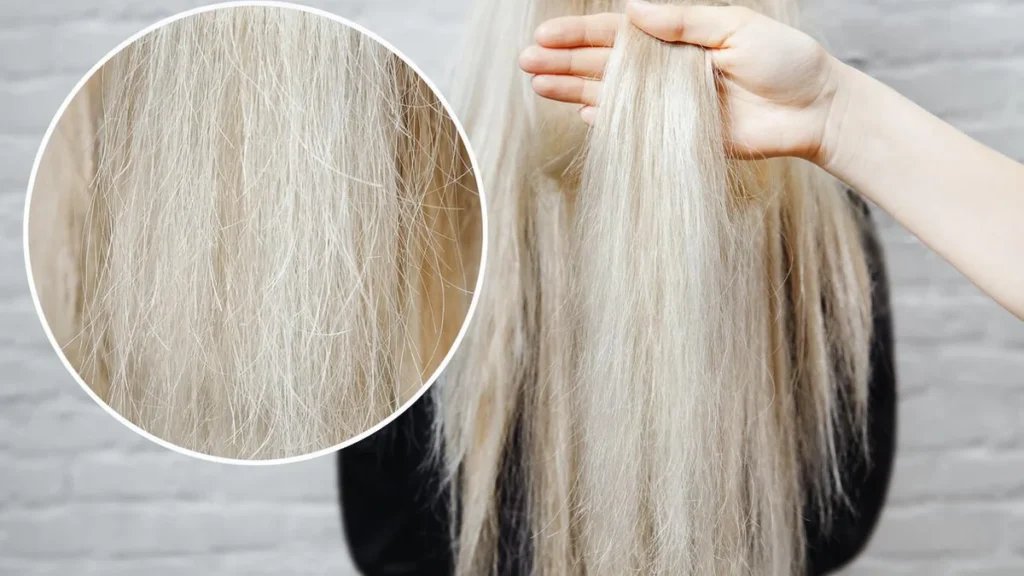
- Lightener can damage hair, even when only selected sections are treated.
- Dark hair may need more than one session to reach a lighter shade.
- Purple and blue shampoos help with different unwanted tones, but they are not needed by everyone.
- Glosses, conditioning, and heat protection can help maintain the color between appointments.
Balayage hair is a hair coloring technique that creates soft, natural-looking highlights. Instead of placing color in regular sections from the roots, a colorist paints lightener or color onto selected parts of the hair. This creates a blended look that can resemble the lighter pieces you get from spending time in the sun.
You can get balayage on brown, blonde, or red hair. The final look can be subtle or bright, depending on your starting color and how much lightening is needed.
One reason people choose balayage is its softer root regrowth. However, it does not mean you never need salon visits. The lightened sections can become dry, and their tone may change as the color fades.
This guide explains how balayage works, how it compares with traditional highlights, what affects the price, and how to care for it. It also covers a few things to consider before booking an appointment.
What Is Balayage Hair and How Does It Work?
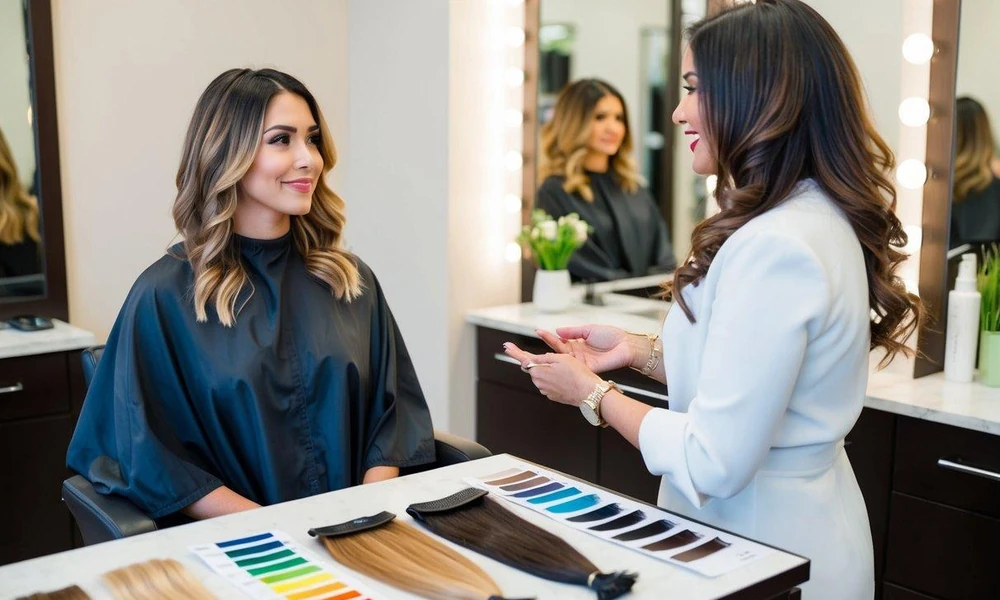
Balayage is a French word that means “to sweep.” It describes the way a colorist sweeps lightener or color onto selected sections of hair using a brush.
Unlike traditional foil highlights, balayage often uses a freehand painting method. The colorist chooses where to place lighter sections based on your haircut, natural color, and the result you want.
A typical balayage appointment includes four steps:
- Consultation: The colorist checks your natural hair color, previous treatments, hair condition, and desired result.
- Color placement: They decide which sections need brightness and where the lighter pieces should begin.
- Lightening: The colorist applies lightener to selected sections. Foils or other methods may also be used when more lift is needed.
- Toning and finishing: A toner or gloss may be applied to adjust the final shade and blend the lighter sections with your base color.
The exact process depends on your hair and the look you want. A subtle brown balayage may need less lightening than a dramatic change from dark brown to blonde.
Balayage vs. Highlights vs. Ombre
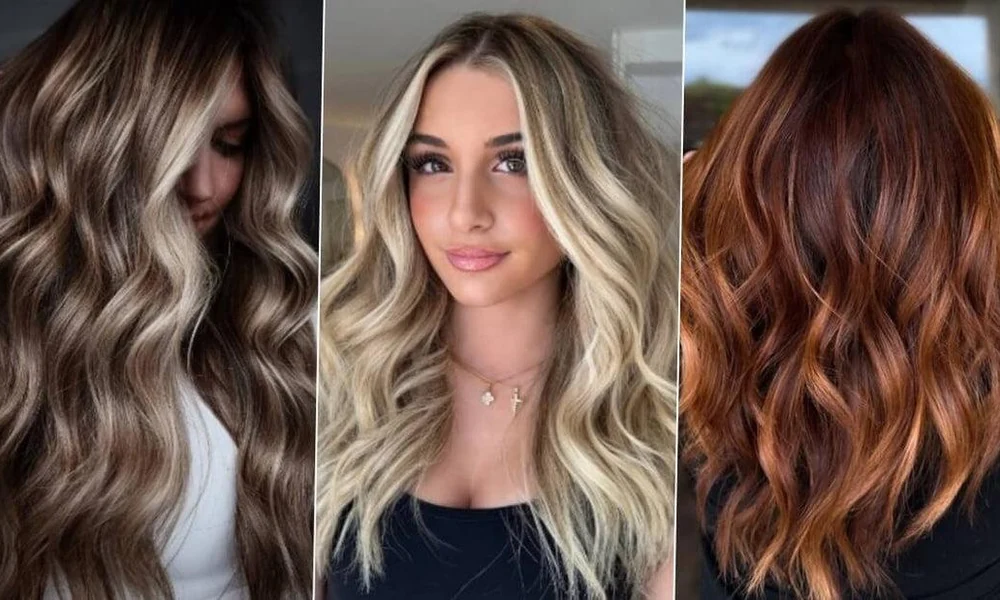
These techniques can all create lighter sections, but they produce different results.
| Technique | How it works | General appearance |
| Balayage | Color is painted onto selected sections, often by hand | Soft, blended brightness |
| Traditional highlights | Sections are separated and often placed in foils | More defined and even highlights |
| Babylights | Very fine sections are highlighted | Subtle, delicate brightness |
| Ombre | Color gradually changes from darker roots to lighter ends | Noticeable dark-to-light transition |
| All-over color | One main shade is applied throughout | More uniform color |
Balayage is a good option if you prefer blended highlights rather than a strong line of regrowth. Traditional highlights may suit you better if you want brighter color throughout the hair, including closer to the roots.
Neither technique is automatically better for your hair. Both balayage and highlights can involve bleach or other lightening products. The amount of damage depends on the formula, application, processing, and your hair’s condition.
How Much Does Balayage Cost?
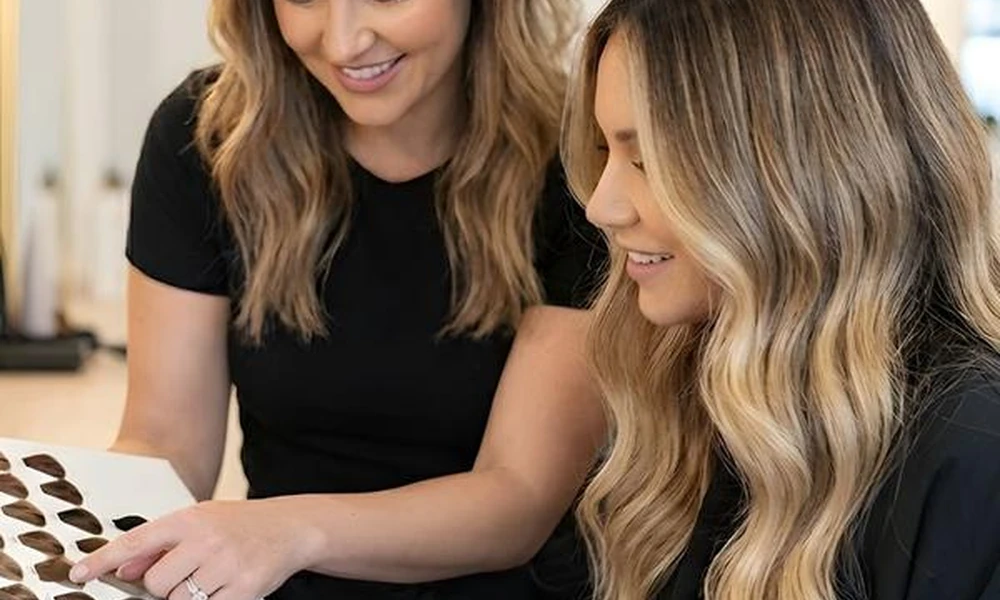
Balayage usually costs more than a basic all-over color service because it can take longer and requires careful placement. However, there is no single price that applies to every salon.
The final cost depends on several factors:
- Hair length: Long hair usually needs more product and application time.
- Hair thickness: Thick or dense hair may take longer to section and color.
- Starting color: Dark hair may need more lightening to reach a bright result.
- Previous color treatments: Old dye or bleach can make the process more difficult.
- Stylist experience: Prices often differ based on the colorist’s training and experience.
- Salon location: Prices can vary between cities, neighborhoods, and salons.
The first appointment is not always the full cost. You may also need a toner, gloss, or future color refresh.
Before booking, ask for an estimate that includes the main service and any extra steps. Also ask how much a future refresh may cost. This gives you a better idea of the total expense rather than focusing only on the first appointment.
Does Balayage Damage Your Hair?
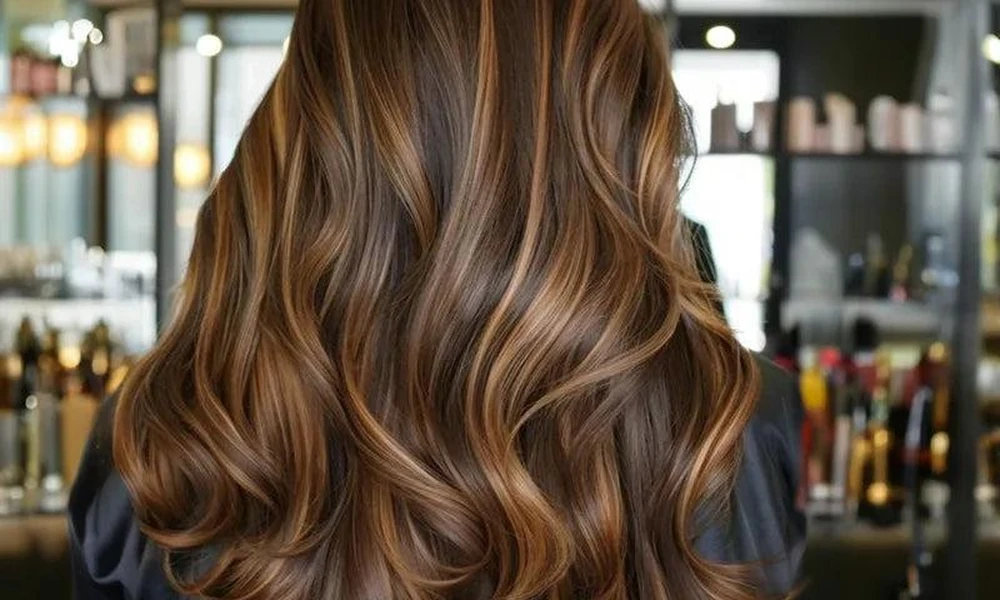
Balayage can damage hair because the lightening process changes the hair’s natural pigment. If bleach is used, the treated sections may become dry, rough, weak, or more likely to break.
Some people assume balayage is always less damaging than traditional highlights because it does not always cover the whole head. But that is not a guarantee. A heavily lightened balayage can cause more damage than a gentle highlight service.
Your starting hair condition matters. Hair that has already been bleached, dyed, straightened, or chemically treated may need extra care.
Before the appointment, tell your colorist about previous treatments. Ask whether your hair can safely reach your target shade in one session. If it needs several sessions, a slower process may help avoid unnecessary damage.
A bond-building treatment may be offered during some coloring services. It can help support hair during chemical processing, but it cannot remove all the risks of lightening.
How Long Does Balayage Last?
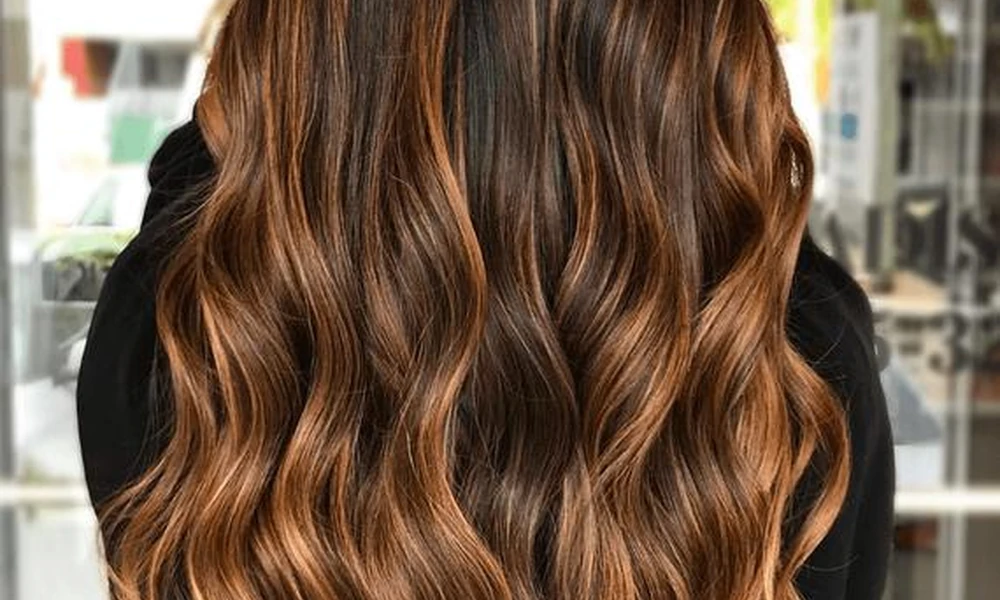
One of the main differences between balayage and traditional root highlights is how the color grows out.
Because balayage often leaves some natural color near the roots, the regrowth line can look softer. Many people can go several months before needing another full balayage appointment.
However, the lighter sections do not stay the same forever. Toner can fade, and the hair may become warmer or duller over time.
It helps to separate two things:
- Balayage placement: The lighter sections can grow out for several months without needing immediate root touch-ups.
- Color tone: The shade may need refreshing sooner if it becomes too warm, yellow, or dull.
Your maintenance schedule depends on how light your balayage is, how quickly your hair grows, and how closely you want to maintain the original look.
How to Maintain Balayage Hair
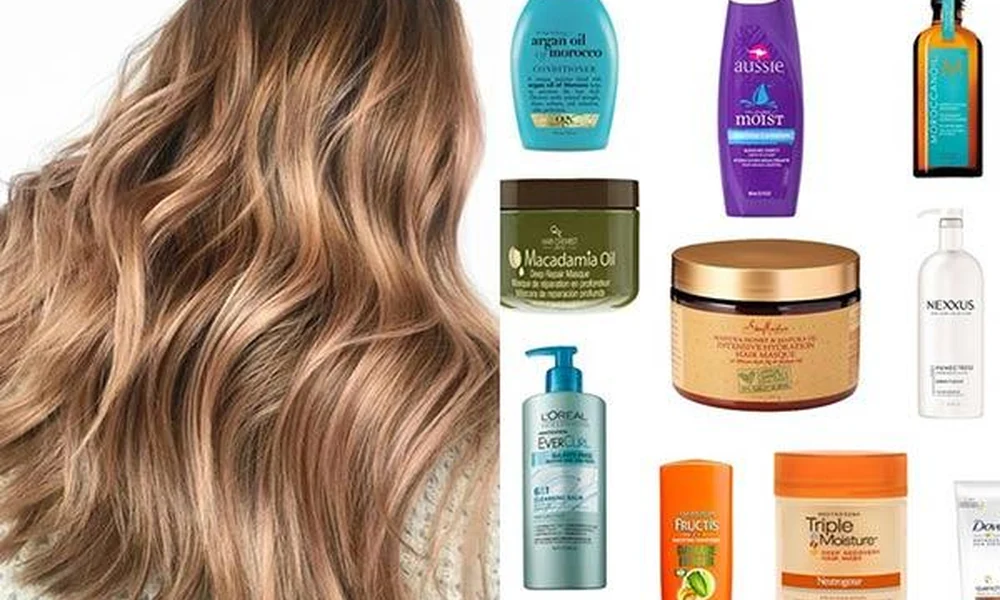
You do not need a complicated routine to care for balayage. The main goal is to protect the lightened sections from dryness, breakage, and unwanted color changes.
1. Use a Suitable Shampoo and Conditioner
Choose products that work well with colored or lightened hair. A gentle shampoo and regular conditioner can help keep the hair manageable.
You do not have to follow a strict washing schedule. Wash as often as your scalp needs.
2. Use Purple or Blue Shampoo Only When Needed
Lightened hair can develop unwanted yellow or orange tones.
- Purple shampoo helps reduce yellow tones.
- Blue shampoo helps reduce orange tones.
Choose the product based on the color change you want to correct. You do not need to use either product at every wash. Follow the instructions because frequent use may leave some hair looking dull or overly toned.
3. Condition the Lightened Sections
Bleached hair often needs more moisture and conditioning than untreated hair. Use conditioner after washing and consider a hair mask when your lengths feel dry. Focus on the mid-lengths and ends, where dryness and tangles are often more noticeable.
4. Protect Hair From Heat
Use a heat protectant before blow-drying, curling, or straightening. Keep the temperature at a suitable level and avoid repeatedly using hot tools on the same section. If your hair already feels dry or breaks easily, reduce heat styling where possible.
5. Protect Your Hair From Sun and Chlorine
Long periods in the sun and swimming in chlorinated water can affect colored hair. Wear a hat when spending extended time outdoors. Before swimming, wet your hair with clean water and follow your stylist’s advice. Rinse it after swimming and condition it as needed.
6. Refresh the Tone When Necessary
A gloss or toner may help restore the shade when the lighter sections look too warm or dull. You do not need to book one on a fixed schedule. Consider it when the tone no longer looks the way you want.
Balayage on Different Hair Colors and Lengths
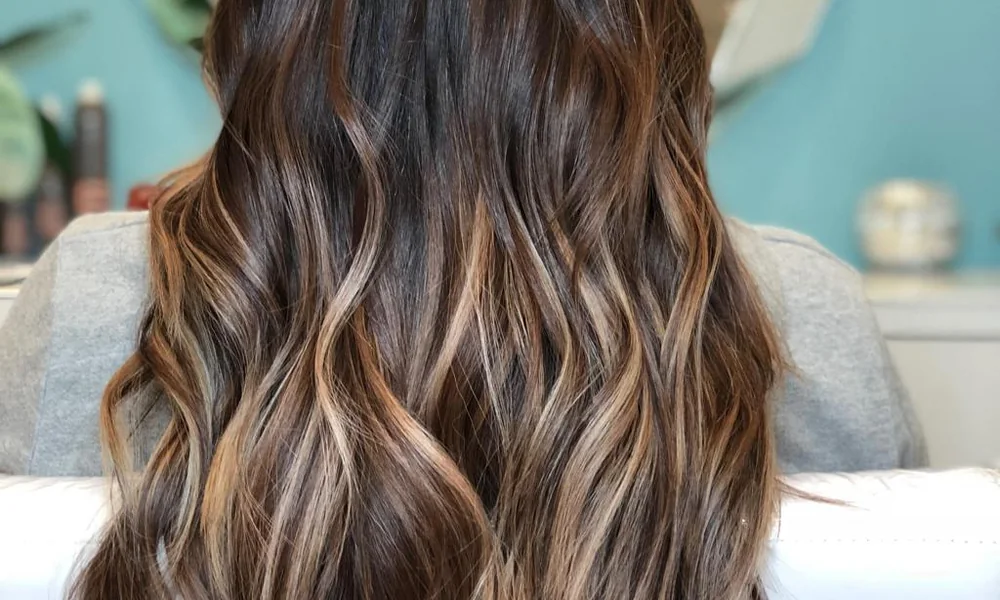
Balayage can work on different starting colors, but the final result depends on how much lightening is possible without putting too much stress on the hair.
Balayage on Brown Hair
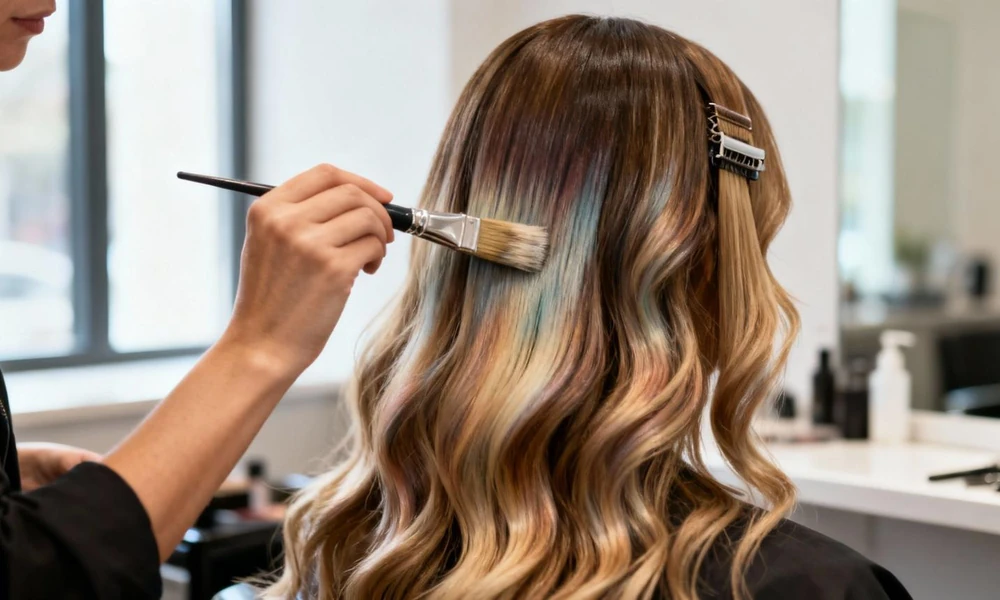
Brown hair is a popular base for balayage. Caramel, honey, and lighter brown sections can add warmth and brightness without changing the entire base color.
If you want to compare brunette shades, see our guide to brown hair shades.
Balayage on Blonde Hair

On blonde hair, balayage can add lighter pieces, create contrast, or blend different blonde shades. Some people also use darker sections to add depth. The result depends on the starting blonde shade and whether the goal is brighter or more dimensional color.
Balayage on Dark Hair
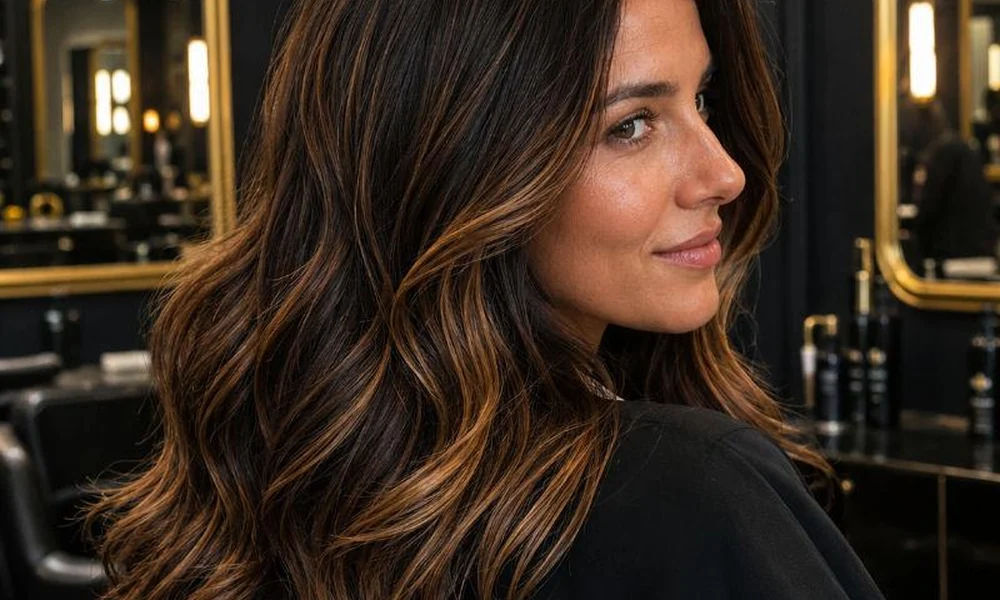
Balayage can be done on dark brown or black hair, but getting a very light result may require more than one appointment. Caramel and warm brown tones may be easier to achieve than very light blonde. Your colorist should explain what is realistic for your hair before starting.
Balayage on Red Hair
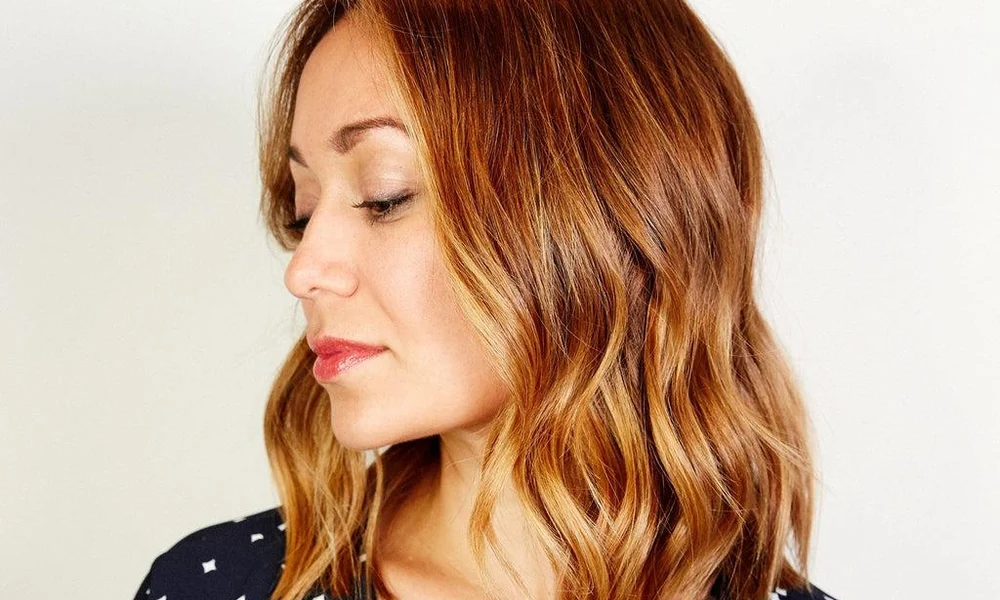
Balayage can add copper, golden, or lighter red sections to a red base. The right choice depends on whether you want to keep the warmth or create more contrast.
Balayage on Short and Long Hair
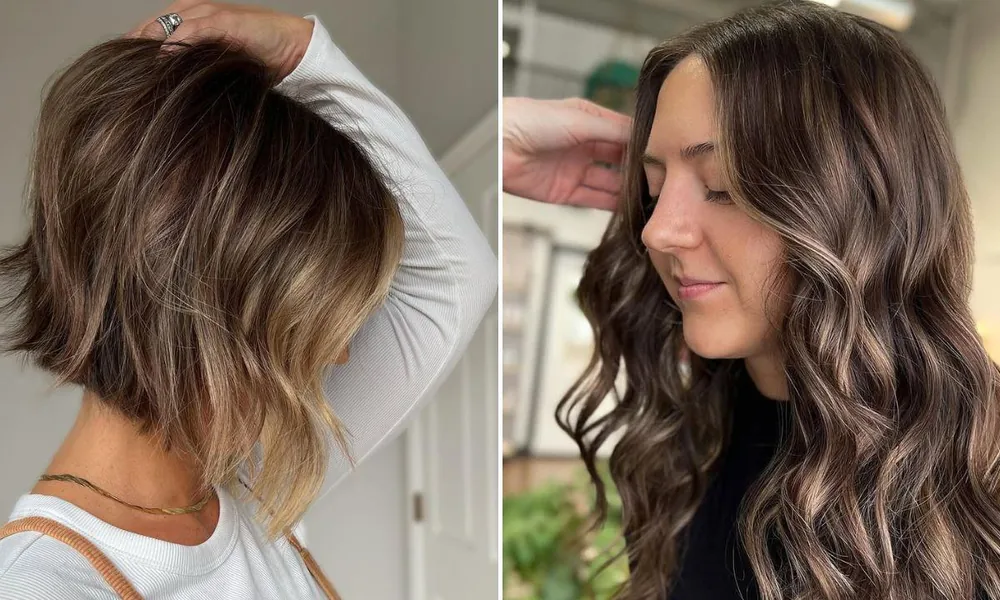
Long hair gives the colorist more room to create a gradual transition from dark to light. Short hair can also have balayage, but the placement needs to suit the haircut. For short layers or textured cuts, the colorist should consider how the hair moves and falls naturally. This helps the lighter sections look balanced rather than uneven.
Expert Tips Before Booking Balayage
Before choosing a salon or colorist, think about the result you want and how much maintenance you can manage.
- Bring reference photos: Show pictures of the color you like, preferably taken in natural daylight.
- Be honest about your hair history: Mention old dye, bleach, henna, straightening, and other chemical treatments.
- Ask about the number of sessions: A big change may need more than one appointment.
- Discuss the total cost: Ask about toning, glossing, and future maintenance.
- Check the condition of your hair: If your hair is already breaking, ask whether lightening should be delayed.
- Choose a realistic shade: A result that needs less lightening may be easier to maintain.
- Ask about aftercare: Find out which products and habits are suitable for your new color.
Frequently Asked Questions
What is balayage hair?
Balayage is a highlighting technique where color or lightener is painted onto selected sections of hair to create a soft, blended look.
Is balayage better than highlights?
Neither is always better. Balayage often gives softer grow-out, while traditional highlights can create brighter and more even sections.
How long does balayage last?
The placement can grow out for several months. However, the tone may need refreshing sooner.
Does balayage damage hair?
It can, especially when bleach is used. The risk depends on your hair condition, the amount of lightening, and the process.
Can you get balayage on dark hair?
Yes. Dark hair can have balayage, but reaching very light shades may require more than one session.
How often should balayage be refreshed?
It depends on your desired look. Some people wait several months for a full refresh, while others refresh the tone sooner.
Final Thoughts
Balayage can give hair a soft, natural-looking mix of lighter and darker shades. It works on many starting colors and can be adjusted to suit different hair lengths and personal styles.
But the final result is not only about the technique. Your starting hair color, previous treatments, hair condition, and the amount of lightening all matter.
Before booking, discuss the result you want, the number of sessions, and the full cost. If you are considering coloring your hair at home, read this hair dye guide to understand the process and make an informed decision. After coloring, focus on gentle washing, conditioning, and heat protection. You do not need a large collection of products. You need a routine that suits your hair and helps it stay in good condition.
Disclaimer: This article provides general hair-care information, not a personal color or treatment recommendation. Ask a qualified colorist to assess your hair before a major lightening service.









