

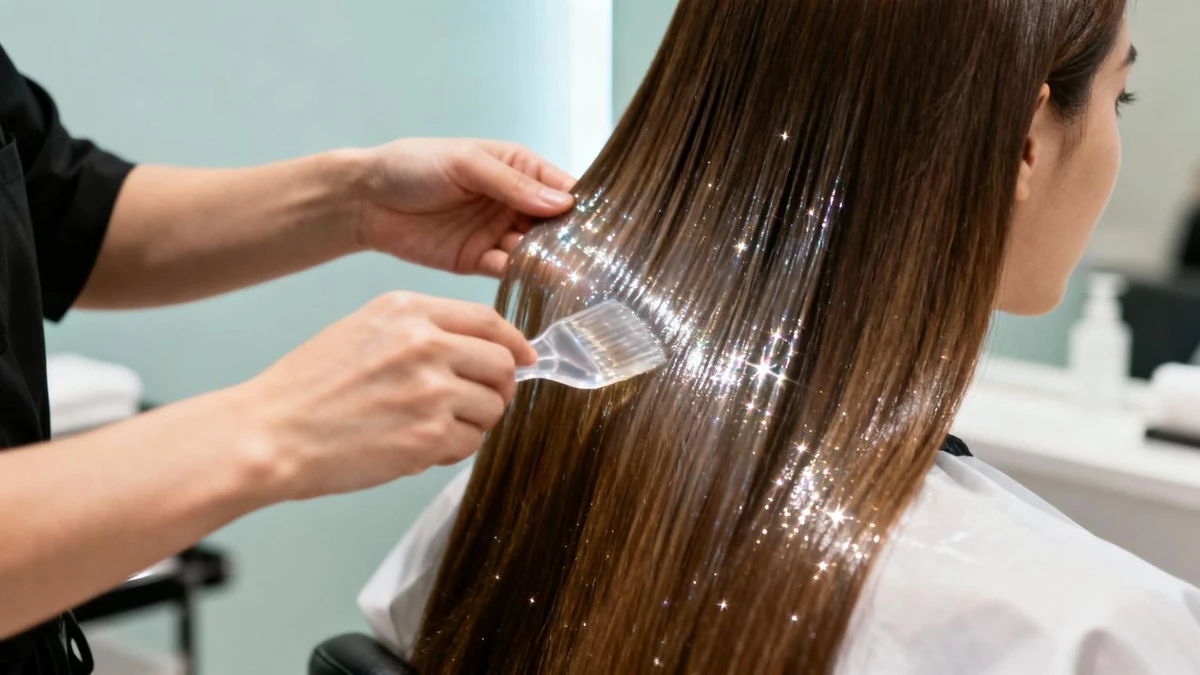
Key Takeaways
- Permanent dye can lighten natural pigment and deposit new color.
- Demi-permanent and semi-permanent dyes mainly add color without significant lightening.
- Temporary dye offers a short-term color change.
- Always follow the product’s allergy alert test instructions.
- A strand test helps preview the result but does not replace an allergy test.
- Box dye may suit small changes, while major lightening and color correction are better assessed by a professional.
- Gentle washing, conditioning, and lower heat can help maintain colored hair.
Choosing a hair dye is not just about finding a color you like. The formula also matters because different types of dye last for different lengths of time, cover gray hair differently, and affect your natural hair in different ways.
Permanent dye can change your natural color and cover gray hair. Demi-permanent and semi-permanent formulas mainly add color without the same level of lift. Temporary dye gives you a short-term change that washes out quickly.
This guide explains the main types of hair dye, how to color your hair safely, and what to know before choosing box dye or visiting a salon. You’ll also learn how to care for colored hair and reduce avoidable damage.
Types of Hair Dye and How Long They Last

Hair dye works in different ways. Some formulas change the natural pigment inside the hair, while others add color to the outside or upper layers of the strand.
The main types are permanent, demi-permanent, semi-permanent, temporary, and plant-based color.
| Type | How it works | Best for |
| Permanent | Changes natural pigment and adds new color | Gray coverage, darker shades, and longer-lasting color |
| Demi-permanent | Adds color with a low-volume developer, usually without noticeable lightening | Refreshing color and blending some gray |
| Semi-permanent | Adds color without a developer | Trying new shades and refreshing faded color |
| Temporary | Coats the hair and usually washes out quickly | Events and short-term color changes |
| Plant-based dyes | Use plant ingredients such as henna to add color | People who prefer certain plant-based coloring options |
Permanent Hair Dye
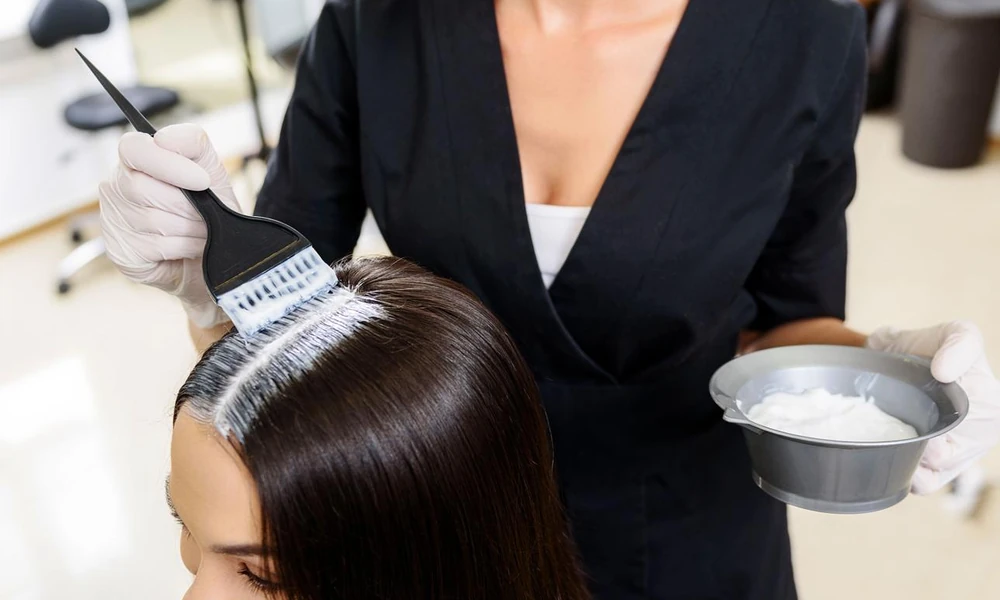
Permanent hair dye uses an alkaline agent and developer to help color enter the hair shaft. Depending on the formula, it can lighten natural pigment and deposit a new shade.
It is commonly used for gray coverage, changing natural hair color, and regular root touch-ups. However, permanent dye can still fade over time, especially with frequent washing, sun exposure, and heat styling. New growth also creates visible roots.
Demi-Permanent Hair Dye
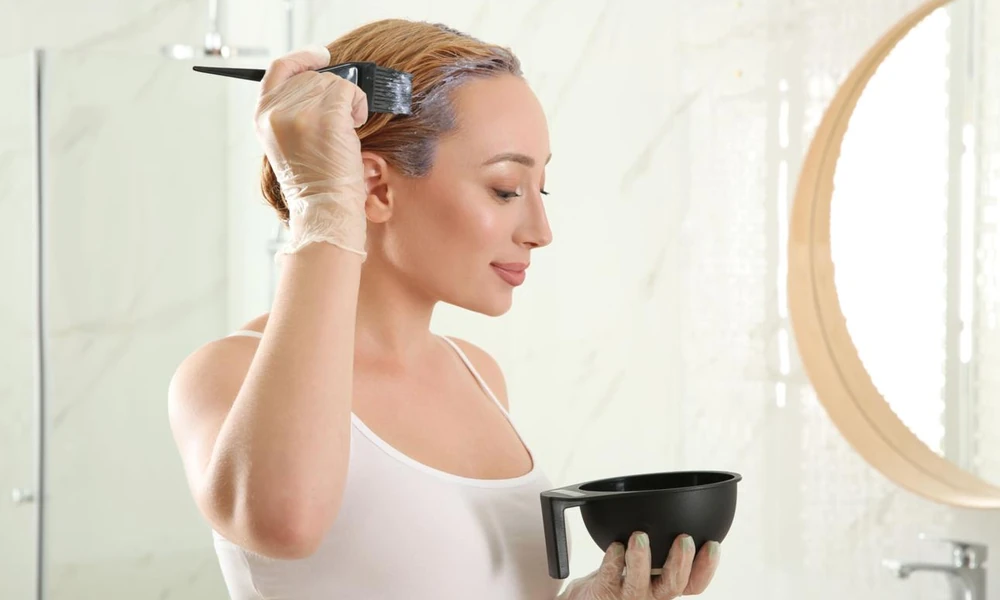
Demi-permanent dye uses a developer but is generally designed to deposit color rather than significantly lighten natural hair.
It can refresh faded color, add shine, deepen a shade, or blend some gray hair. It gradually fades, so the difference between colored hair and new growth may look softer than with permanent color.
Semi-Permanent Hair Dye
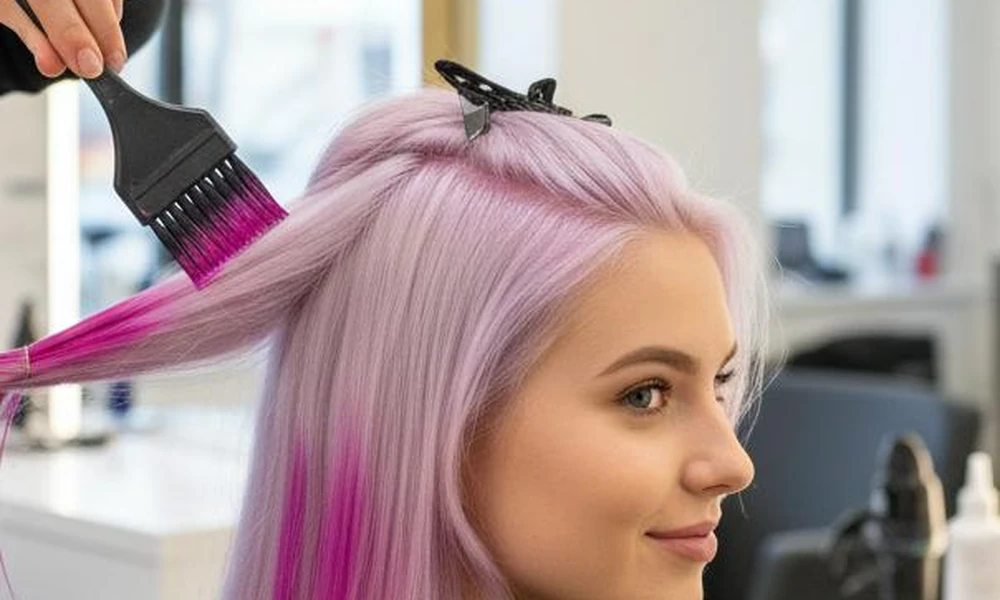
Semi-permanent dye adds color without the developer used in permanent and demi-permanent formulas. It is often available in bright shades as well as natural-looking colors.
It can be useful when you want to experiment with a new shade without making a long-term commitment. It cannot reliably lighten your natural hair color, and the final result depends on your starting shade and hair condition.
Temporary Hair Dye
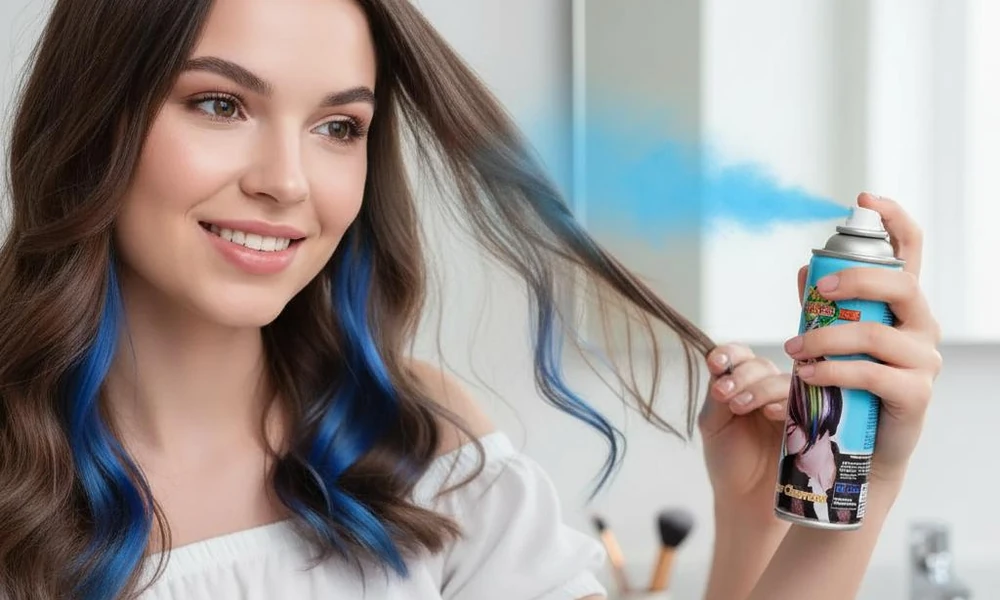
Temporary color usually sits on the surface of the hair. It may come as a spray, powder, wax, rinse, or color-depositing product.
Most temporary formulas wash out after one or a few shampoos, although some products may last longer. They are useful for short-term changes, special events, or testing a color.
Plant-Based Hair Dye

Henna and other plant-based color products are different from conventional oxidative dyes. Pure henna usually creates red, orange, or reddish-brown tones, while other plant ingredients may be combined to create darker shades.
Check the full ingredient list before using a plant-based product. Some products marketed as henna may contain additional coloring chemicals. Also, plant-based color can be difficult to remove or lighten later.
How to Dye Your Hair Safely at Home
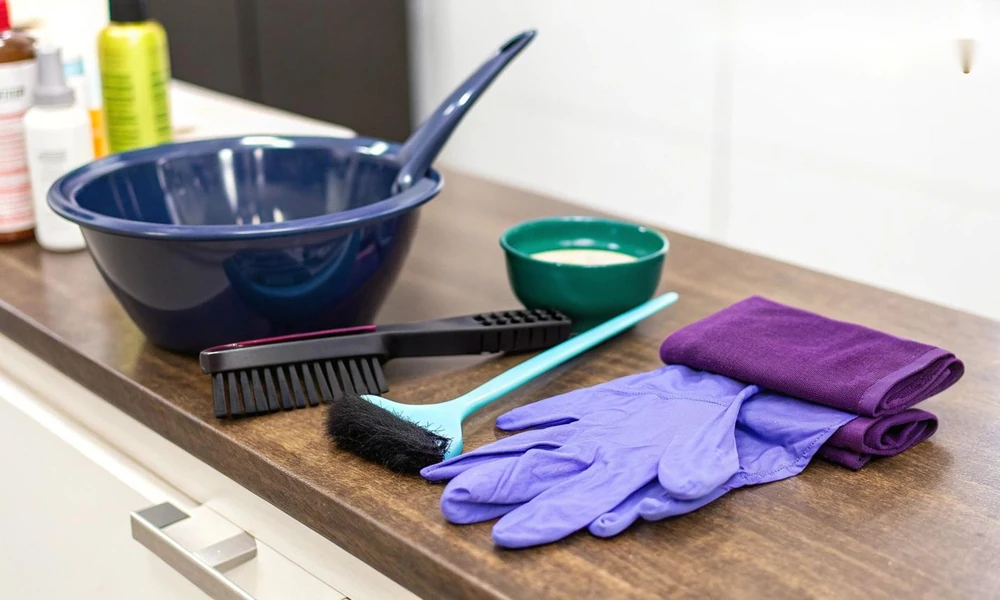
Home coloring can work well when you choose a suitable product and follow its instructions. The steps below explain what to check before and during the process.
1. Read the Instructions
Start by reading the complete instructions on the product. Check the suitable hair types, mixing directions, processing time, and safety warnings. Do not assume every hair dye works in the same way. Mixing ratios and application methods can differ between products.
2. Do the Allergy Alert Test
Hair dye can cause an allergic reaction, even if you have used hair color before. Follow the product’s allergy alert test instructions and timing before every application.
Do not use the product if the test causes redness, itching, swelling, or another reaction. A patch test cannot guarantee that an allergic reaction will not happen during coloring, but it can help identify a possible problem before full application.
If you have had a serious reaction to hair dye before, seek medical advice before trying another product.
3. Do a Strand Test
A strand test helps you see how the color may look on your hair. Apply the product to a small, hidden section according to the instructions. This is especially useful if your hair has been colored before, is damaged, or has several different shades. It can also help you check how long the product needs to process.
4. Protect Your Skin and Clothing
Wear the gloves supplied with the product and use old clothing or a towel to protect your shoulders. Apply a small amount of suitable barrier cream around the hairline if the product instructions allow it. Avoid getting dye in your eyes, and never use hair dye on your eyebrows or eyelashes unless a product is specifically approved for that purpose.
5. Apply the Color as Directed
Divide your hair into sections if the instructions recommend it. Apply the product evenly and use the recommended amount. Follow the stated processing time. Leaving dye on longer does not guarantee a better result and may increase irritation or hair damage.
6. Rinse and Condition
Rinse your hair as directed by the manufacturer. Use the supplied conditioner if included and follow any additional aftercare instructions. If you experience burning, strong itching, or unusual discomfort during coloring, rinse the product off immediately. Seek medical help if symptoms are severe or continue.
Box Dye or Salon Color: Which Should You Choose?
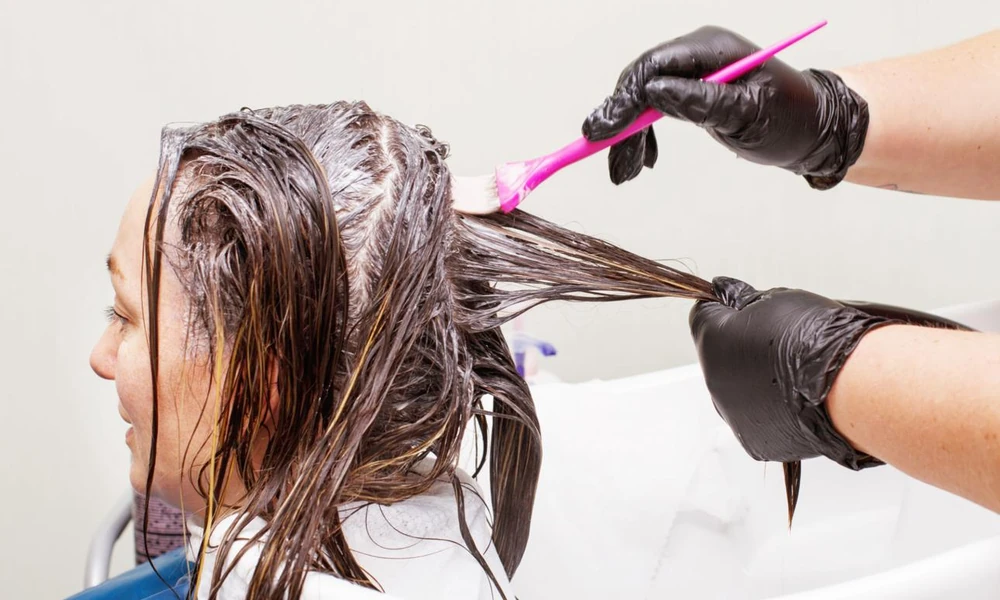
Box dye and salon color can both produce good results, but they are not suitable for every coloring job.
When Box Dye May Work
At-home dye may be a reasonable choice when you want to:
- Refresh a shade close to your current color.
- Make your hair darker.
- Cover roots using a product you have used successfully before.
- Make a small color change that does not require major lightening.
The result still depends on your starting color, previous treatments, hair condition, and the formula you choose. Box dye is not guaranteed to produce the shade shown on the package.
When a Salon Is a Better Choice
A professional colorist may be a better option when you want to:
- Change dark brown hair to blonde.
- Lighten your hair by several levels.
- Correct uneven or unwanted color.
- Add highlights or balayage.
- Work with hair that has been previously colored or chemically treated.
Lightening previously colored hair can be difficult because artificial pigment does not always lift evenly. A professional can assess your hair and explain what result is realistic without causing unnecessary damage.
If you are choosing a darker or lighter brunette shade, explore our guide to brown hair color before deciding on your target shade.
How to Care for Hair After Coloring
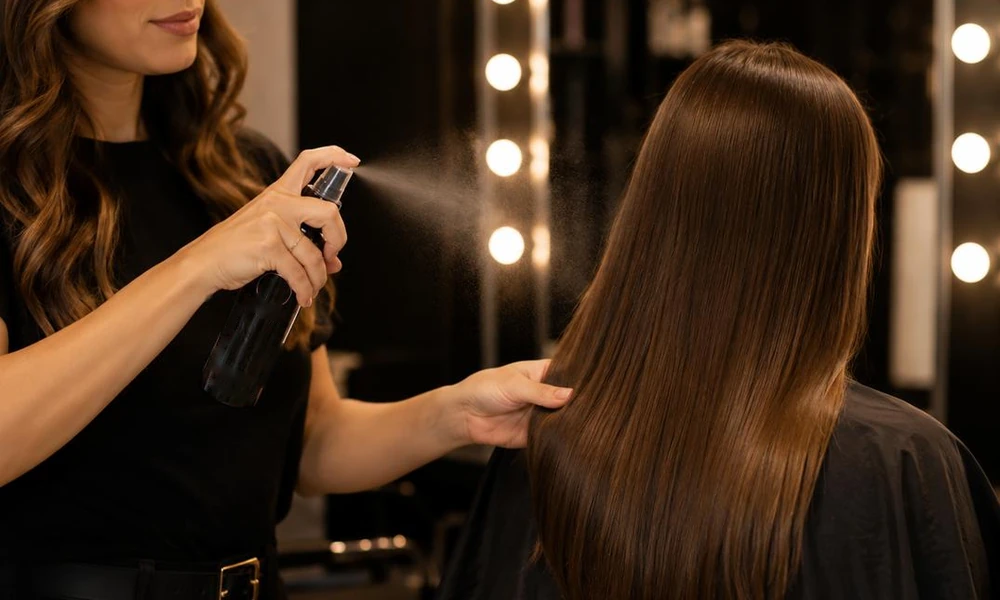
Colored hair needs gentle care because washing, heat, sunlight, and chemical treatments can affect both the color and the condition of the hair.
Use Shampoo Made for Colored Hair
Choose a gentle shampoo that is suitable for color-treated hair. You do not need to wash your hair every day unless your scalp or hair requires it.
How often you wash depends on your scalp, activity, and hair type. Less frequent washing may help reduce color fading for some people.
Use Lukewarm Water
Very hot water can make hair feel dry and may contribute to faster color fading. Lukewarm water is a practical choice for regular washing.
Condition Regularly
Use conditioner after shampooing and consider a hair mask when your hair feels dry. Focus on the mid-lengths and ends, where dryness and breakage are often more noticeable.
Limit Excessive Heat
Frequent use of straighteners, curling irons, and high-heat dryers can make colored hair feel drier and may affect color. Use a heat protectant and choose a lower temperature when possible.
Protect Hair From Sun Exposure
Long periods in strong sunlight can affect some hair colors. A hat or hair product designed for UV protection may help when you spend extended time outdoors.
How Often Should You Dye Your Hair?
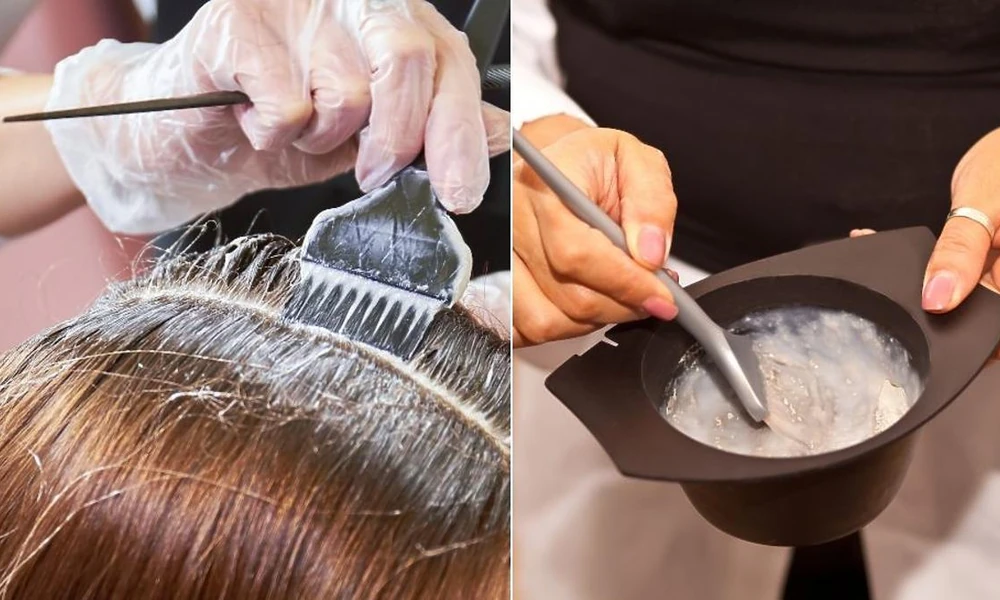
There is no single safe schedule for everyone. The right interval depends on the dye formula, how quickly your hair grows, your hair condition, and whether you are coloring only the roots or the full length.
Permanent color is often used for root touch-ups after several weeks, but follow the product instructions and avoid repeatedly applying permanent dye to already-colored lengths.
Demi-permanent and semi-permanent products can be used to refresh color, but they can still cause dryness or irritation depending on their ingredients and how often they are applied.
Pay attention to your hair. If it feels rough, breaks easily, or becomes unusually stretchy when wet, give it a break from chemical coloring and focus on gentle care.
Tips for Better Hair Dye Results
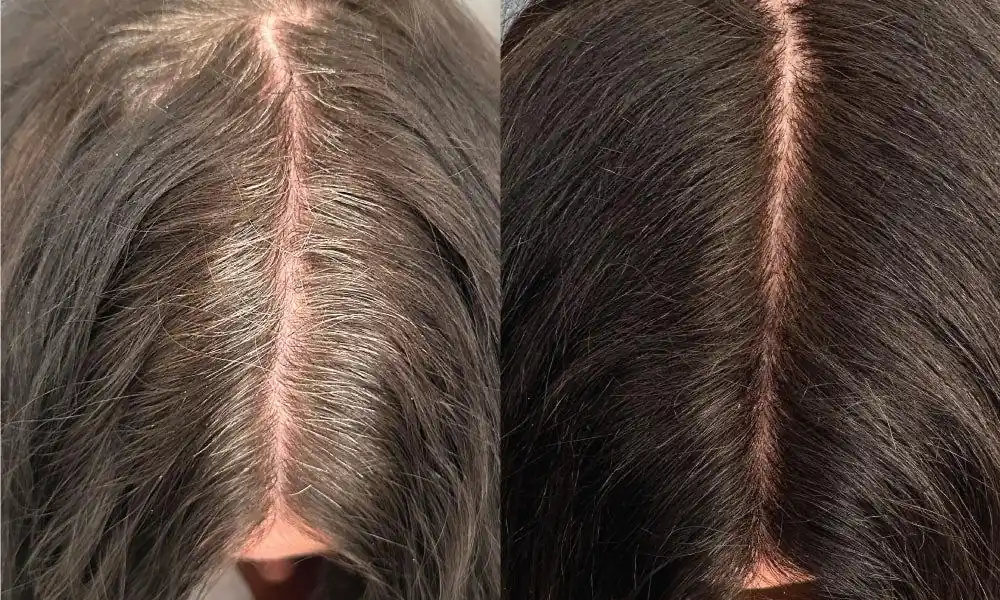
A few simple habits can help you avoid common coloring problems.
- Buy enough product: Long, thick, or very dense hair may need more than one box to achieve even coverage. Check the package guidance.
- Follow the washing instructions: Some products recommend applying color to dry, unwashed hair, while others have different directions. Follow the label.
- Do not skip the allergy test: Repeat it as directed, even if you have used the same brand before.
- Keep a record of your shade: Save the product name, shade number, and date. This can help with future root touch-ups or salon visits.
- Avoid overlapping permanent color: Applying permanent dye repeatedly to the same lengths can increase dryness and damage.
- Check your hair’s condition: If your hair is already damaged, consider whether coloring can wait or whether a professional assessment is needed.
Frequently Asked Questions
What type of hair dye lasts the longest?
Permanent hair dye generally lasts the longest because it changes the hair’s natural pigment and adds lasting color. It can still fade over time.
Does hair dye damage your hair?
Some dyes can make hair drier or weaker. Permanent color and lightening treatments generally create more structural stress than non-lifting color formulas.
Can I dye my hair at home?
Yes, some simple color changes can be done at home. Follow the product instructions, complete the allergy alert test, and do a strand test.
How long should I wait before washing dyed hair?
Follow the instructions for your specific dye. There is no universal 48- or 72-hour waiting rule for every product.
Can hair dye cover gray hair?
Permanent dye usually provides the strongest gray coverage. Demi-permanent products may blend some gray, but results depend on the formula and amount of gray hair.
Final Thoughts
The best hair dye depends on the result you want and the condition of your hair. Permanent color may suit gray coverage or a lasting change, while demi-permanent, semi-permanent, and temporary formulas offer different levels of commitment.
Before coloring, read the instructions, complete the required allergy alert test, and check the result on a small strand. Choose a salon for major lightening or difficult color corrections. Afterward, use gentle hair care and avoid unnecessary chemical treatments.
Disclaimer: This article provides general hair-care information, not personal medical advice. Follow the dye manufacturer’s safety instructions and consult a qualified professional if you have a history of reactions or scalp problems.









