



Choosing a hair color can feel confusing when every box has a different shade name and every salon offers several coloring techniques. One brown may look golden, another may look ashy, and a third may have a reddish tone. The results also depend on your natural hair color, previous dye, and the formula you choose.
Understanding a few basics makes the decision easier. Hair color comes in different types, from temporary products to permanent dye. Color levels describe how light or dark a shade is, while tones describe its underlying warmth or coolness. Techniques such as balayage, highlights, and ombre affect where the color appears and how it grows out.
This guide explains the main hair color types, common salon techniques, color levels, and skin undertones. You will also learn how to protect your hair and scalp before and after coloring.
Key Takeaways
- Hair color types range from temporary products to permanent formulas, and each has different benefits and limitations.
- Balayage, highlights, babylights, ombre, and root smudging describe application techniques, not dye types.
- Color level describes how light or dark a shade is; tone describes its warm, cool, or neutral quality.
- Skin undertone can help guide your choice, but it does not determine which colors you can wear.
- Always follow the dye’s allergy-test instructions and application directions.
- Consider your starting hair color, previous treatments, hair condition, and maintenance needs before making a major change.
Hair Color Types at a Glance

Hair color types differ in how long they last, how they affect the hair, and what results they can deliver. The right choice depends on whether you want to try a new shade, refresh existing color, blend gray hair, or make a lasting change.
The time each type lasts is only an estimate. Washing habits, hair porosity, the formula, and your starting color can all affect fading.
| Hair color type | Typical longevity | Best for |
| Temporary | Usually one to a few washes | Events and short-term color experiments |
| Semi-permanent | Often around 4–12 washes | Refreshing tone without lightening natural hair |
| Demi-permanent | Often around 12–24 washes | Refreshing color and blending some gray hair |
| Permanent | Lasts through repeated washing, but may fade; new growth appears at the roots | Longer-lasting color and gray coverage |
| Henna and other plant-based dyes | Varies by product and hair | People interested in plant-based coloring options |
Temporary Hair Color
Temporary color sits mainly on the hair’s surface and usually washes out quickly. It can be useful for a party, costume, or short experiment with a different shade. Results may be more visible on light hair than on dark hair.
Semi-Permanent Hair Color
Semi-permanent color adds pigment without the developer-based lightening used by many permanent formulas. It can refresh a shade or add a temporary tone, but it cannot lighten your natural hair. Fading depends on the product and how often you wash your hair.
Demi-Permanent Hair Color
Demi-permanent color generally uses a low-strength developer and lasts longer than most semi-permanent formulas. It is often used to refresh faded lengths, add shine, or blend some gray hair. It does not usually provide the same level of gray coverage or lightening as permanent color.
Permanent Hair Color
Permanent color changes the hair’s pigment more deeply and is commonly used for lasting shade changes and gray coverage. Depending on the formula and developer, it may lighten natural hair or deposit darker color. It can still fade, and the new growth at the roots will remain visible.
Henna and Plant-Based Hair Color
Henna and other plant-based dyes can add color, but their results depend on the ingredients, hair’s starting shade, and product quality. Pure henna often creates copper or reddish tones rather than a wide range of blonde or cool-brown shades.
Check the full ingredient list before using a plant-based dye. Some products marketed as henna contain additional ingredients that can affect later chemical coloring. Tell your stylist which products you have used before a major color change.
Hair Coloring Techniques Worth Knowing

Hair color type describes the formula. Coloring technique describes how the color is applied. A stylist may combine several techniques during one appointment to create the desired result.
- All-over color: One main shade is applied throughout the hair. It works well when you want a more uniform color.
- Balayage: Color is painted onto selected sections to create a blended, sun-kissed effect. The result and maintenance needs depend on how much lightening is used.
- Highlights and foils: Selected sections are lightened or colored separately. Foils help control placement and can create brighter, more defined results.
- Babylights: Very fine highlights create subtle brightness and a soft, natural-looking effect.
- Ombre: The hair gradually changes from darker roots or upper lengths to lighter ends.
- Root smudge: A stylist blends the root area into the lengths to soften the line between new growth and previously colored hair.
Before booking, decide whether you want an even shade, brighter pieces around your face, or a gradual transition from dark roots to lighter ends. Reference photos taken in natural daylight can help you explain the look you want.
Understanding Hair Color Levels and Tones
Hair color is easier to choose when you understand two terms: level and tone.
What Are Hair Color Levels?

A level describes how light or dark a hair shade is. Many professional color systems use a scale from 1 to 10, although numbering can vary by brand.
| Approximate level | Common shade description |
| 1 | Black |
| 2–3 | Very dark to dark brown |
| 4–5 | Medium to light brown |
| 6–7 | Dark to medium blonde |
| 8–9 | Light to very light blonde |
| 10 | Lightest blonde |
These descriptions are approximate. Always check the shade chart for the specific brand because numbering and names may differ.
What Are Hair Color Tones?
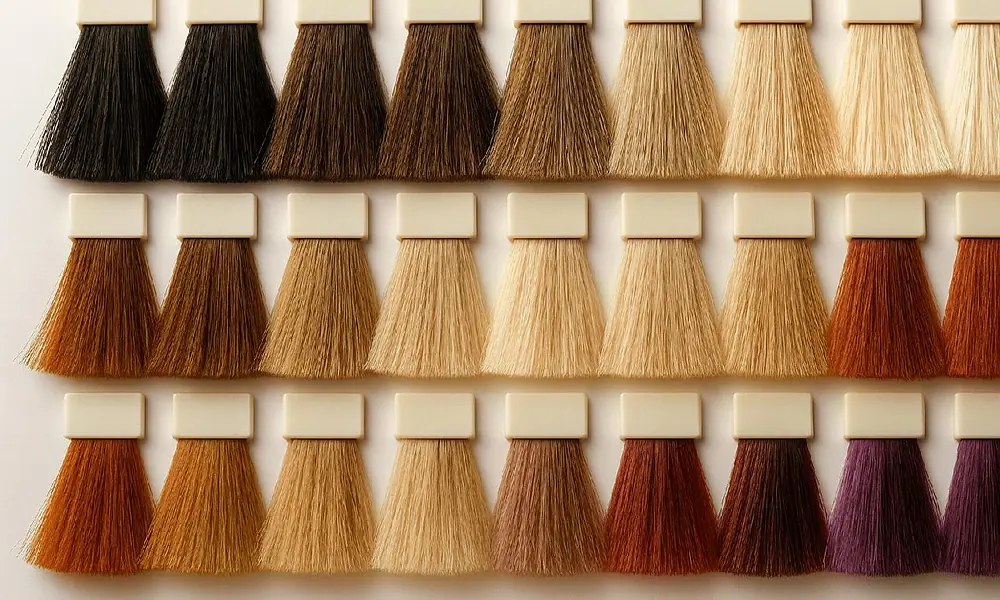
Tone describes the underlying color that makes a shade appear warm, cool, or neutral.
- Warm tones: Gold, honey, copper, and many golden-brown shades.
- Cool tones: Ash, some beige shades, and certain violet-based or blue-based colors.
- Neutral tones: A balance of warm and cool qualities, depending on the formula.
Two shades at the same level can look very different because their tones differ. For example, a golden light brown looks warmer than an ash light brown.
Your starting color matters, too. Hair dye does not always produce the shade shown on the box, especially when your hair has been colored before. If you want to go several levels lighter, a professional color consultation can help you understand the likely result and the risk of damage.
How to Choose Hair Color for Your Skin Undertone
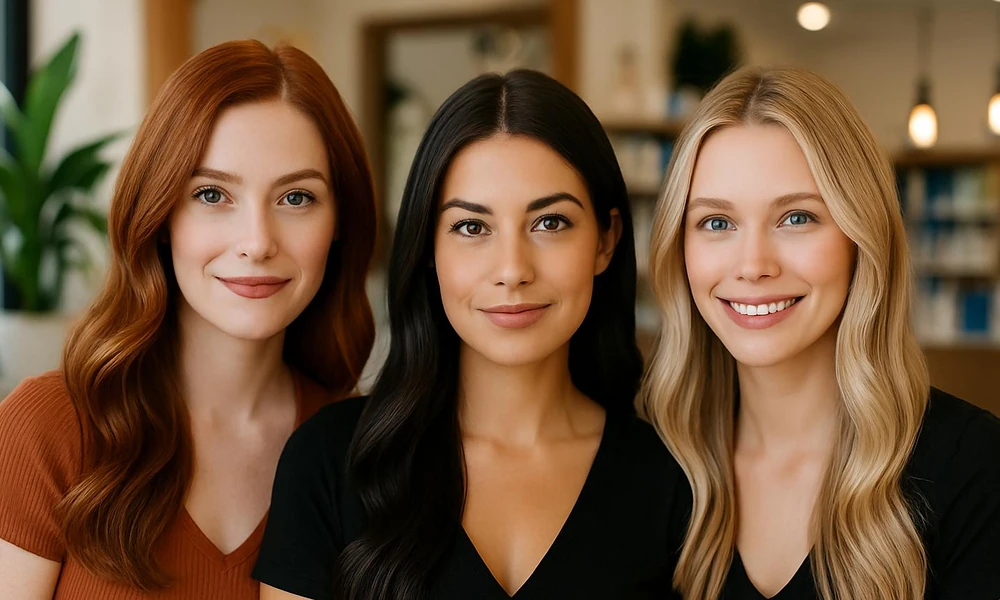
Your skin’s undertone is the subtle warmth, coolness, or balance beneath its surface color. It can help you narrow your options, but it should not be the only factor in choosing a hair color. Personal preference, eye color, your natural hair shade, and the look you want also matter.
Warm Undertones
Warm undertones often pair well with golden brown, honey, caramel, copper, and warm chocolate shades. These colors can create a warm, blended look.
Cool Undertones
Cool undertones may pair well with ash brown, cool beige blonde, burgundy, and cool espresso shades. These can create contrast or help balance the overall look.
Neutral Undertones
Neutral undertones often work with a wider range of shades, including neutral brown, beige blonde, and balanced chocolate tones.
How Can You Check Your Undertone?
Look at your skin in natural daylight and notice which shades seem to complement it. The color of your wrist veins may offer a clue, but it is not a reliable test on its own. Lighting, skin tone, and other factors can affect how veins appear.
If you are unsure, compare a few hair-color reference photos against your face in daylight. A stylist can also help you choose a shade that suits your features and maintenance preferences.
Hair Color Safety and Maintenance
Good results start before you apply the dye. Coloring can cause allergic reactions or hair damage, particularly when you use a formula incorrectly or attempt a major lightening change at home.
Patch Test Before Coloring

Follow the product’s allergy-alert or patch-test instructions every time you use a hair dye. Many products require testing 48 hours before application, but the instructions for your specific product should guide you.
Do not use the product if the test causes a reaction. A previous history of using the same dye without a problem does not guarantee that you will never develop an allergy. Stop using the product and seek medical advice if you develop a concerning reaction.
Protect Your Hair Between Color Sessions

A few simple habits can help your color look better for longer:
- Use a suitable shampoo: Choose a shampoo designed for colored hair if it works well with your scalp and hair type.
- Wash with lukewarm water: Very hot water can make washing less comfortable and may contribute to faster fading for some colors.
- Limit excessive heat: Use a heat protectant and avoid unnecessary high-temperature styling.
- Protect hair from the sun: Extended sun exposure can affect some shades. A hat or suitable hair product may help.
- Follow product directions: Do not leave dye on longer than instructed or mix products unless the manufacturer says it is safe.
- Plan touch-ups carefully: Root regrowth and fading happen at different rates. Follow the product instructions or your colorist’s advice instead of assuming every hair type needs the same schedule.
Avoid repeatedly applying permanent dye to the full length of already-colored hair unless the instructions or a professional recommend it. Overlapping chemical treatments can increase dryness and breakage.
Expert Tips for Choosing Hair Color

A little planning can help you avoid a shade that is difficult to maintain.
- Choose the commitment level first. Decide whether you want a short experiment, a color refresh, gray blending, or a longer-lasting change.
- Bring clear reference photos. Choose photos with similar lighting and show your stylist both the color you like and the shades you want to avoid.
- Consider your starting hair color. A shade can look different on naturally dark hair than it does on light or previously colored hair.
- Be realistic about lightening. Going lighter may require more than one session, especially if your hair is dark or has old dye in it.
- Think about upkeep. Strong root contrast may need more frequent salon visits than a blended balayage.
- Share your color history. Tell your stylist about previous dye, henna, chemical straightening, bleaching, and other treatments.
- Prioritize hair condition. If your hair is already breaking or feels severely damaged, get professional advice before another chemical service.
Frequently Asked Questions
Which hair color type lasts the longest?
Permanent hair color generally lasts the longest, although it can fade with washing and exposure. New hair also grows in at the roots. Temporary and semi-permanent products usually fade sooner, while demi-permanent color often lasts longer than semi-permanent color.
What is the difference between semi-permanent, demi-permanent, and permanent hair color?
Semi-permanent color adds temporary pigment and does not lighten natural hair. Demi-permanent color generally uses a low-strength developer to deposit color and may blend some gray hair. Permanent color changes the hair’s pigment more deeply and can provide longer-lasting results, including gray coverage. Exact performance depends on the formula.
How do I choose hair color for my skin tone?
Start by considering whether your undertone looks warm, cool, or neutral in natural light. Golden and copper shades may suit warm undertones, while ash and cool beige shades may suit cool undertones. These are starting points, not strict rules. Your preferred style and starting hair color matter, too.
Is box dye bad for your hair?
Box dye is not automatically bad for everyone’s hair. The risk depends on the formula, your hair’s condition, how you apply it, and how much you change your shade. Follow the instructions, complete the required allergy test, and be cautious about bleaching or lifting several levels at home.
How often should I color my hair?
There is no single schedule that works for everyone. Root touch-ups depend on how quickly your hair grows, how noticeable the regrowth is, the product used, and your hair’s condition. Follow the product directions or your colorist’s recommendations, and avoid unnecessary overlapping of permanent color.
Can I dye my hair lighter at home?
It depends on your starting shade, previous color treatments, and the amount of lightening required. Small changes may be manageable with a suitable product, but major lightening can be difficult to predict and may cause breakage. Previously colored hair can be especially challenging to lighten evenly, so professional advice is often the safer option.
Final Thoughts
Choosing a hair color becomes easier when you separate three decisions: the type of dye, the look you want, and the shade that suits your starting color and personal style.
Start with how much commitment you want. Then choose a coloring technique and compare levels and tones. If you plan to lighten your hair significantly, have previous dye on your hair, or are unsure about its condition, speak with a professional before proceeding.
The best hair color is not simply the shade that looks good in a photo. It is one you like, can maintain, and can achieve without putting your hair or scalp at unnecessary risk.









