


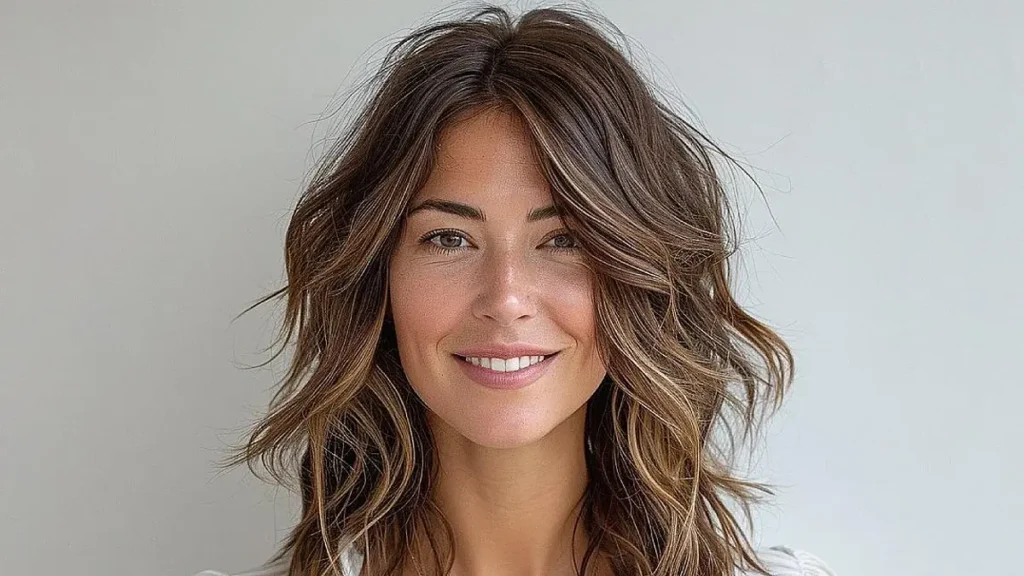
2A hair can be tricky to style. It has a loose, natural wave, but the pattern may disappear when you use heavy products or brush your hair after it dries. Your roots may also look flat while the ends become frizzy.
The good news is that you do not need a long routine to bring out your natural waves. The right lightweight products, a gentle drying method, and a haircut that suits your texture can make a noticeable difference.
This guide explains what 2A hair looks like, how to care for it, which products to try, and how to style it for more definition and volume.
Key Takeaways
- 2A hair has loose, gentle waves that can lose definition easily.
- Lightweight shampoo, conditioner, and styling products may help preserve volume.
- Apply mousse or light gel to damp hair, scrunch gently, and dry without rough handling.
- Avoid excessive product, frequent dry brushing, and unnecessary high heat.
- Soft layers, face-framing pieces, a long bob, or a blunt cut can suit different 2A hair needs.
- Adjust your routine to your scalp, strand thickness, and how your hair responds.
What Is 2A Hair?

2A hair is the loosest wave pattern in the type 2 hair family. It usually has a gentle S-shaped pattern rather than the tighter waves or curls found in other hair types.
The waves may start around the middle of the hair instead of near the roots. Individual strands can be fine, medium, or thick, although fine strands are common. The roots may lie flat, and the natural wave can become less visible after brushing or using heavy styling products.
Here are three common features of 2A hair:
- Loose waves: The hair has a soft S-shape that may look almost straight in some areas.
- Limited root volume: The roots can sit close to the scalp, especially when products are too heavy.
- Frizz and changing definition: The waves may look different depending on humidity, washing, drying, and styling.
Not everyone with 2A hair has the same strand thickness or level of frizz. Your routine should match your scalp, hair density, and individual needs rather than relying on your wave type alone.
The Best Hair Care Routine for 2A Hair

The goal of a 2A hair routine is to clean the scalp, condition the lengths, and support the natural wave without weighing it down.
1. Choose a Lightweight Shampoo
Look for a gentle or volumizing shampoo that cleans your scalp without leaving your hair feeling coated. If your roots become oily quickly, you may need to wash more often than someone with a dry scalp.
Massage shampoo into your scalp, then rinse thoroughly. You usually do not need to scrub the full length of your hair aggressively because the shampoo will pass through the strands as you rinse.
2. Apply Conditioner Mainly to the Lengths
Conditioner helps reduce tangles and makes hair easier to manage. For 2A hair that tends to go flat, start by applying a lightweight conditioner from the middle of your hair to the ends.
Rinse well, especially if your strands are fine or your roots lose volume easily. You do not have to avoid conditioning completely near the scalp if your hair and scalp need it, but rich products may leave some hair types feeling limp.
3. Detangle While Your Hair Is Wet
Use a wide-tooth comb or your fingers to remove tangles gently while your hair is wet and conditioned. Work from the ends upward instead of pulling from the roots through knots.
Avoid repeatedly brushing your hair once it has dried if you want to preserve the wave pattern. Brushing dry waves can separate the sections and make the hair look fluffier or less defined.
4. Refresh Between Washes
You may not need to wash your hair every day. When your waves look flat or messy between washes, mist your hair lightly with water and scrunch it upward.
If water alone is not enough, try a small amount of lightweight leave-in conditioner or mousse. Start with less than you think you need. Adding several products at once can make it harder to tell what works for your hair.
Best Products for 2A Hair

You do not need a separate product for every step. A suitable shampoo, conditioner, and one styling product may be enough.
| Product type | What to look for | What to avoid if your hair gets weighed down |
| Shampoo | Gentle or volumizing formula | Products that leave a heavy coating |
| Conditioner | Lightweight formula with good slip | Applying rich conditioner heavily at the roots |
| Styling mousse | Lightweight hold and volume | Using too much product at once |
| Light gel | Flexible hold to help waves last | Applying a thick layer that leaves unwanted residue |
| Leave-in conditioner | Light texture for dry or tangled lengths | Heavy creams that flatten your waves |
| Drying tool | Diffuser with adjustable heat and airflow | Very high heat or forceful airflow |
Sea-salt sprays can add texture, but they may also make hair feel dry. If you try one, use a small amount and pay attention to how your hair feels afterward.
Heavy oils, butters, and styling creams are not automatically bad for all wavy hair. However, if your 2A waves lose volume after using them, switch to a lighter formula or use less.
How to Style 2A Hair for More Defined Waves

Styling your hair while it is damp can help you shape the wave before it dries. The best results often come from using a small amount of product and handling your hair gently.
Follow these steps after washing.
- Remove excess water. Gently squeeze your hair with your hands or blot it with a soft microfiber towel. Avoid rubbing it roughly.
- Apply your styling product. Spread a small amount of mousse or light gel through your damp hair, focusing on the lengths and ends.
- Scrunch upward. Cup the ends in your hands and gently squeeze them toward your scalp to encourage the natural S-shape.
- Choose your drying method. Let your hair air-dry or use a diffuser on low heat and a comfortable airflow setting.
- Leave your waves alone. Try not to brush or repeatedly touch your hair while it dries.
- Finish when fully dry. If gel leaves a hard cast, gently scrunch your hair to soften it once the hair is completely dry.
You may need to adjust the amount of product and water depending on your hair thickness. If your waves look stringy or greasy, use less product next time. If they disappear quickly, experiment with a lightweight gel or mousse that offers more hold.
Common 2A Hair Mistakes That Flatten Waves

Small changes to your routine can help your waves look more defined. Start by checking these common mistakes.
Using too much product: Heavy layers of conditioner, oil, or styling cream can reduce volume. Begin with a small amount and add more only if needed.
Brushing after your hair dries: A brush can separate the natural wave pattern. Detangle gently while wet, then use your fingers to arrange dry waves if needed.
Rubbing with a rough towel: Rough drying can increase friction and make frizz more noticeable. Blot or squeeze out water instead.
Using too much heat: Frequent high-heat styling can damage the hair and make the ends look dry or rough. Use a lower setting when possible and apply a suitable heat protectant before hot tools.
Conditioning heavily at the roots: If your hair goes flat quickly, try keeping rich conditioner away from the roots and rinse thoroughly.
Ignoring product buildup: If your hair feels coated or looks unusually limp, buildup may be part of the problem. Try a clarifying shampoo occasionally, following the product instructions, and adjust the frequency to your scalp and hair needs.
Best Haircuts for 2A Waves

A suitable haircut can help 2A hair look fuller and give its natural wave more movement. The best option depends on your hair length, density, face-framing preferences, and how much styling you want to do.
Soft Layers
Long, soft layers can create movement without removing too much weight from the ends. They may suit people who want their waves to look more noticeable while keeping their overall length.
If your hair is very fine, ask your stylist to avoid removing too much bulk from the ends. Excessive layering can make the hair appear thinner.
Face-Framing Layers
Face-framing pieces can add shape around your cheeks and jaw. They work well with loose waves when the layers blend naturally into the rest of the haircut.
Ask your stylist how the pieces will look when your hair air-dries, especially if you do not plan to heat-style them every day.
Long Bob
A long bob, often called a lob, can give 2A hair a lighter shape and make styling easier. The length can be adjusted depending on whether you prefer a fuller look around your jaw or longer waves near your shoulders.
Blunt Cut
A blunt cut can make fine hair look fuller at the ends because it keeps the perimeter relatively even. You can still wear your natural waves without adding many layers.
Before choosing a cut, tell your stylist how you normally dry and style your hair. If you’re also considering a color change, explore different auburn hair shades and styles for inspiration. A haircut should work with your everyday routine, not require heat styling to look good.
Expert Tips for Getting More From 2A Hair

A few practical adjustments can help you find a routine that works without buying lots of new products.
- Start with one styling product. Try mousse or light gel first instead of layering several products together.
- Use less product near the roots. This may help if your hair loses volume quickly.
- Try a diffuser gently. Low heat and a comfortable airflow setting can help dry your waves while limiting unnecessary rough handling.
- Change one thing at a time. If your waves look better or worse, you will have a clearer idea of which change made the difference.
- Protect your hair from heat. Use a suitable heat protectant when using hot tools and avoid unnecessarily high temperatures.
- Adjust your wash schedule. Wash according to how oily, sweaty, or dirty your scalp becomes rather than following a fixed schedule.
Frequently Asked Questions About 2A Hair
Is 2A hair wavy or straight?
2A hair is wavy. It has a loose S-shaped pattern that may look almost straight when brushed, cut short, or styled with heat. Gentle scrunching and lightweight styling products can help make the natural wave more visible.
Why do my 2A waves fall out during the day?
Your waves may lose definition because of heavy products, frequent touching, humidity, or the way your hair dries. Try a lightweight mousse or gel, apply it to damp hair, and avoid brushing once your hair is dry.
How can I add volume to the roots of 2A hair?
Use a lightweight shampoo, avoid applying too much rich conditioner near the roots, and try lifting sections while your hair dries. A diffuser on a low setting may help. A haircut that suits your hair density can also improve the appearance of volume.
Can 2A hair hold curls from a curling iron?
Yes, but how long the curls last depends on your hair’s texture, condition, the styling method, and the products you use. Apply a suitable heat protectant, use a moderate heat setting, and let each curl cool before handling it. A light-hold styling product may help the shape last longer.
How often should I wash 2A hair?
There is no single schedule for everyone. Some people need to wash every day or every other day because their scalp gets oily, while others can go longer between washes. Choose a frequency that keeps your scalp comfortable and your hair clean without leaving it excessively dry.
Is mousse or gel better for 2A hair?
Mousse is a useful starting point if you want light volume and movement. Gel may be a better choice if your waves need more hold. You can try each product separately and compare the results before deciding whether you need both.
Final Thoughts
2A hair does not need a complicated routine. Start with a gentle shampoo, a suitable conditioner, and one lightweight styling product. Apply it to damp hair, scrunch to encourage your natural waves, and let your hair dry without repeatedly touching or brushing it.
If your waves look flat, try using less product or changing how you dry your hair before buying something new. Choose a haircut that works with your natural texture, and adjust your routine based on what you see.
The goal is not to force every strand into a perfect wave. It is to find a simple routine that helps your hair look healthy, feel comfortable, and work with your everyday life.









