

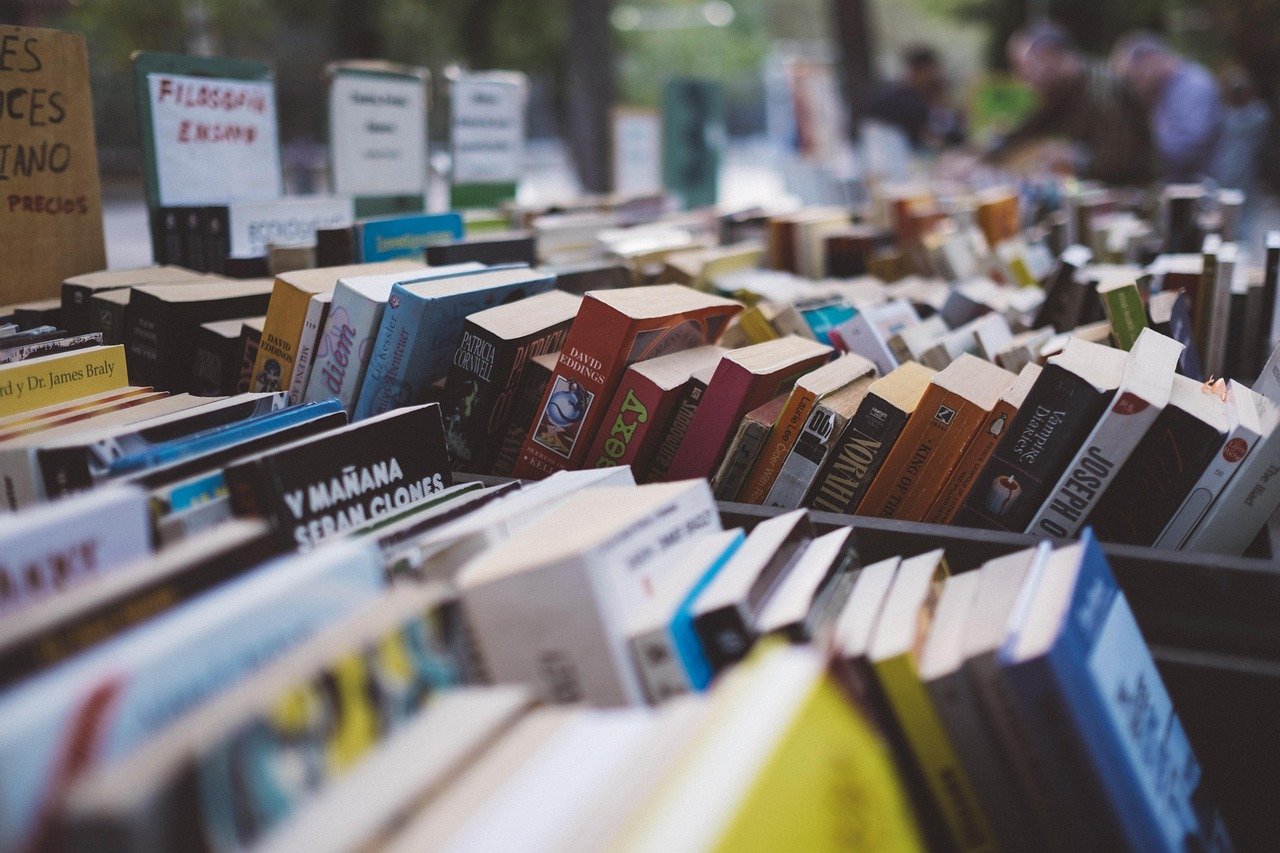

What if the best book you read this year hasn’t even landed on your radar yet? That’s the strange, wonderful problem with a year-end reading list. Every November, the “best of” lists start rolling out, and most readers discover they’ve missed dozens of titles that critics spent months arguing about. The good news: 2026’s crop of standout books is broad enough that almost any reader can find a match, whether they want a 900-page family saga or a slim thriller they can finish in a weekend.
The tricky part is knowing where to look, which lists to trust, and how to tell a genuinely great book from one that simply had a big marketing budget. That’s what this guide is for.
Why “Best Books 2026” Lists Disagree So Much
Here’s something most readers don’t realize: the major year-end lists are built on completely different methods. Some poll hundreds of critics. Some rely on a small editorial team. Some weigh sales data. Others deliberately ignore sales. Two lists can both be “the best books of 2026” and share only three titles.
That’s not a flaw. It’s a feature. A list shaped by literary fiction editors will favor interior, voice-driven novels. A list shaped by general-interest newsrooms will favor narrative nonfiction with a strong news hook. A list shaped by booksellers will lean toward the titles people actually finished and pressed into friends’ hands.
The practical takeaway: never treat a single list as gospel. Read two or three, look for the overlap, and then pay attention to the outliers. If a book appears on only one list but that list is one you’ve trusted before, that’s often the most interesting recommendation you’ll get all year.
Where the Most Reliable Year-End Lists Come From
Readers who want to build a trustworthy shortlist should start with sources that have editorial independence and a public track record. The most consistent annual features include:
| Source type | What it tends to favor | Best use for readers |
|---|---|---|
| Major newspaper book sections | Literary fiction, serious nonfiction | Finding critically respected titles |
| Public radio book features | Broad appeal, staff and critic picks | Finding discussion-friendly books |
| Review trade publications | Craft, originality, debut authors | Finding books others miss |
| Prize longlists and shortlists | Literary merit, judged by peers | Finding award-caliber reads |
| Public library readers’ advisory | Readability, patron demand | Finding books that actually get finished |
Notice what’s missing from that table: retailer bestseller pages and publisher “best of” promotions. Those aren’t useless, but they measure sales velocity and marketing spend, not quality. A book can sell enormously and still be forgettable. A book can sell modestly and change how you think.
Primary sources are your friend here. Prize organizations publish their own longlists, shortlists, and winners directly, which means you can check a claim about an award without relying on a secondhand summary. The same goes for national book foundations and public library systems, both of which publish readers’ advisory material that isn’t trying to sell you anything.
How to Judge a “Best Book” Claim in 30 Seconds
Most readers skim a list, add three titles to a wishlist, and forget the rest. A slightly more deliberate approach pays off enormously. When a book is described as one of the best of 2026, ask four questions:
- Who made the claim? A critic, a judging panel, a bookseller, or an algorithm? Each carries different weight.
- When was it announced? Early-November lists are often partial. Lists published in December tend to be more complete.
- Is the claim specific? “Best novel of the year” is a judgment. “Winner of a major fiction prize” is a verifiable fact. Trust the facts first.
- Does the description match what you actually like? A book praised for “dazzling experimental structure” is a warning sign if you want a straightforward plot.
That last point matters more than any list. The single most common mistake readers make with year-end lists is buying for prestige instead of preference. A prize winner you abandon on page 40 did not improve your year.
The Categories Worth Watching in 2026
Year-end lists tend to cluster around a handful of categories, and knowing what to expect in each helps you scan a long list quickly.
Literary fiction
This is where the most heated critical arguments happen. Expect a mix of established novelists and a few debuts that came out of nowhere. If a debut appears on multiple lists, that’s usually a strong signal, because debut authors don’t have built-in review attention.
Narrative nonfiction
Long-form journalism turned into books continues to dominate. Memoirs about work, family, illness, and migration tend to cluster here. These are often the books that generate the best book-club conversations, because readers bring their own experience to them.
Genre fiction that breaks out
Every year, a handful of crime, science fiction, fantasy, romance, or horror titles cross over into general “best of” lists. These are worth hunting for specifically, because genre lists and general lists rarely overlap, and the crossover titles are usually exceptional within their form.
Translated fiction
This category has grown steadily, and 2026 lists reflect that. Books in translation often arrive with less marketing noise, which means they’re underrated by general readers and disproportionately praised by critics. If you want to read something nobody in your friend group has heard of, start here.
Children’s and young adult
Easy to overlook, but often the most joyful section of any year-end list. Illustrated books, middle-grade novels, and YA titles frequently get shortchanged in general coverage.
Reading Lists and Real Life: Making the Shortlist Actually Work
There’s a gap between a beautiful list and a finished book. Practical readers close that gap with a few habits that have nothing to do with taste and everything to do with logistics.
Cap your shortlist at five. A list of twenty “must-reads” becomes a source of guilt. Five is ambitious but achievable.
Mix lengths deliberately. Pair one long book with two short ones. Readers who stack three 600-page novels in December usually finish none of them.
Borrow before you buy. Library holds and sample chapters cost nothing. Reading the first twenty pages tells you more than any review.
Track what you abandon. If you quit three literary fiction titles in a row, that’s data. Adjust the next list accordingly.
Read one book outside your comfort zone. This is the habit that turns a good reading year into a memorable one. The crossover genre title or the translated novel you’d never have picked up is often the book you’re still talking about in March.
A common mistake: treating the year-end list as a to-do list. It isn’t. It’s a menu. You’re allowed to order two things and leave the rest.
What Actually Separates a Great Book From a Good One
Ask ten critics and you’ll get ten answers, but a few patterns show up again and again in year-end commentary. Books that endure tend to have a voice you can recognize after one paragraph. They tend to make a promise early and keep it. And they tend to leave the reader with something to argue about, which is why the best books of any year are rarely the ones everyone agrees on.
Craft matters, but so does timing. A novel about a topic the culture is actively wrestling with will get more attention than an equally good novel about something quieter. That’s not unfair so much as it is human. Readers should factor it in when they wonder why a favorite book didn’t make the cut.
Building a Reading Year, Beyond a Reading List
The readers who get the most out of year-end lists treat them as one input among several. They follow a couple of critics whose taste they’ve tested. They check prize longlists directly rather than waiting for coverage. They keep a running note of books that sounded interesting in January, because those are the ones they’ll actually want in December.
And they let themselves be surprised. Plenty of readers pick up a title from a “best of” list expecting nothing and finish it in two days. That’s the whole point of the exercise.
If your broader goal for the year includes refreshing other parts of your life too, the same principle applies: curated recommendations beat endless scrolling. That’s true whether you’re planning a trip using a guide to the best islands to visit, updating your look with the 2026 fashion trends guide, or picking a hairstyle for 2026 that suits your actual routine. Good curation saves time and reduces regret.
How to Use Award Announcements Without Overweighting Them
Prizes are the most objective signal available, but they’re a narrow one. A judging panel of five people reading 150 books will produce a winner that reflects that panel’s taste, not a universal verdict.
The smarter approach is to use longlists rather than winners. A longlist of ten to fifteen titles represents a broader consensus than a single winner, and it usually includes a wider range of styles. If two or three titles from a longlist also appear on a newspaper’s year-end list, that’s about as strong a signal as the publishing world produces.
One more caution: award timing varies. Some prizes announce in the spring for books published the previous year, while others announce in the fall. When a list describes a book as an “award winner,” check which year the award covered. It’s a small detail that trips up a lot of readers.
Conclusion
The best books of 2026 won’t be found on a single page. They’ll be scattered across newspaper year-end features, prize longlists, public radio picks, library recommendations, and the quiet enthusiasm of booksellers who hand-sell the same title to everyone who walks in. The readers who end up with a great year of reading aren’t the ones who found the definitive list. They’re the ones who read two or three lists, checked the primary sources behind the biggest claims, capped their shortlist at something realistic, and gave themselves permission to quit a book that wasn’t working.
Start with five titles. Read the first twenty pages of each. Keep the two that pull you forward. Then come back in December and see which of the year’s celebrated books you actually remember. That’s a better measure of “best” than any list will ever give you.
Frequently Asked Questions
When are the major “best books of 2026” lists published?
Most annual year-end lists appear between late October and mid-December, with the largest newspaper and public radio features typically landing in November and early December. Lists published in October or early November are often partial and get updated later, so it’s worth checking back in December before finalizing a reading list.
How many year-end book lists should I actually read?
Two or three is plenty. Reading more produces diminishing returns and a lot of duplicate titles. The most useful combination is one general-interest list, one critics’ list, and one prize longlist, because those three sources use genuinely different selection methods.
Do award winners make good reading choices?
Often, but not always. Awards reflect the taste of a specific judging panel, and prize-winning books can be demanding. A more reliable approach is to look at longlists rather than winners, since a longlist represents a broader consensus and usually spans a wider range of styles and difficulty levels.
What is the difference between a bestseller list and a “best books” list?
A bestseller list measures sales volume over a specific period. A “best books” list reflects editorial or critical judgment. They overlap occasionally but measure completely different things, and a book can appear on one while being entirely absent from the other.
How do I find good books that aren’t on any major list?
Look at review trade publications, translated fiction coverage, genre-specific lists, and library readers’ advisory pages. These sources regularly highlight titles that general-interest year-end lists overlook, particularly debuts, small-press books, and works in translation.
How do I avoid wasting money on books I won’t finish?
Borrow first. Library holds, sample chapters, and short previews let you test a book before committing. Reading the first twenty pages is usually enough to tell whether the voice and pace work for you. Cap your shortlist at around five titles and mix long books with short ones so momentum doesn’t stall.














