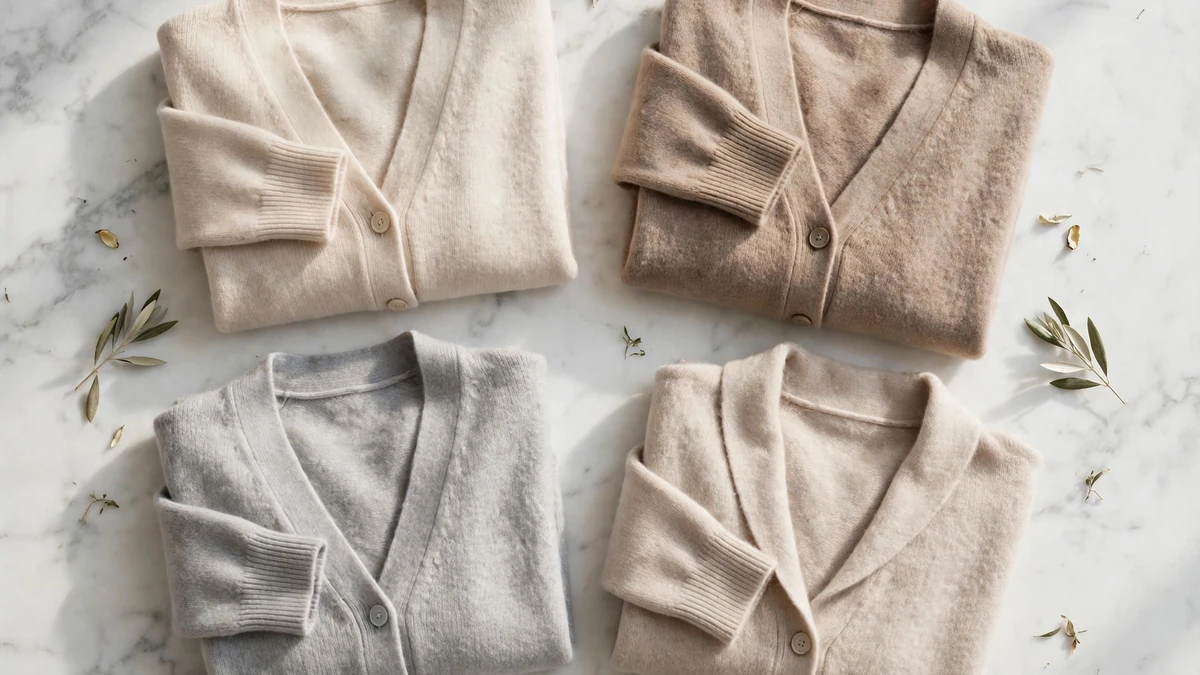

A good cashmere cardigan is the hardest-working piece in a winter wardrobe. It layers over dresses, softens tailoring, and works as a light jacket on mild days, all while feeling softer than almost anything else you own. The problem is that cashmere varies enormously: a well-made cardigan keeps its shape for years, while a cheap one pills, sags and loses its softness within a season.
The difference is not always visible on the rail. Fibre length, ply, gauge and finishing all matter, and a low price usually means short fibres, a loose knit, or a blend that is mostly wool with a little cashmere for the label. None of that is obvious until you have worn the cardigan a few times, by which point the return window is often gone.
Below are nine cashmere cardigans for women worth considering in 2027, from classic V-necks to long dusters, spanning luxury houses and everyday brands. Each one is described by what it is good at, what to watch for, and who it suits best, so you can choose with the knit in mind, not just the price tag.
Key takeaways
- Long fibres and a tight, even knit are the signs of good cashmere; short fibres pill quickly and lose their shape.
- Two-ply or more, in a 12-gauge or finer knit, gives the best balance of warmth, drape and durability.
- Check the label for 100 percent cashmere or a stated blend; a small cashmere percentage does not make a cashmere cardigan.
- Classic colours and a clean fit outlast trend-led shapes, and they are easier to layer across seasons.
- No cashmere cardigan is pill-proof, and even the best knit needs gentle washing and proper storage.
What makes a cashmere cardigan good
Cashmere comes from the soft undercoat of cashmere goats, and the best fibres are long, fine and consistent, usually 34 to 36 millimetres or more. Long fibres knit into a smooth, stable fabric that resists pilling, because fewer fibre ends poke out of the surface. Short fibres, often from cheaper grades, produce a fabric that feels soft at first but pills heavily and thins with wear.
Ply is the next thing to understand. A two-ply yarn, made by twisting two strands together, is stronger and more stable than a single ply, and it drapes better. Gauge, the number of stitches per inch, tells you how fine the knit is: a 12-gauge knit is a classic mid-weight, warm without bulk, while a 7-gauge knit is chunkier and more casual. Neither is better in itself, but a loose, uneven gauge at a high price is a warning sign.
Finishing matters too. Good cashmere is washed and brushed to raise a soft, even nap, and the seams are linked rather than overlocked, so they lie flat and do not twist. Check the buttons and the buttonholes as well: horn or corozo buttons and cleanly finished holes are small signs that the maker cared about the details that show after a season of wear.
How we chose these cardigans and what to look for
Look first at the label and the feel. The label should state the fibre content clearly: 100 percent cashmere, or a stated blend with the percentages. Hold the fabric up to the light and check that the knit is even, with no thin patches or loose loops. Squeeze it gently: good cashmere springs back slowly and feels dense rather than fluffy, and it should not shed fibres on your hands.
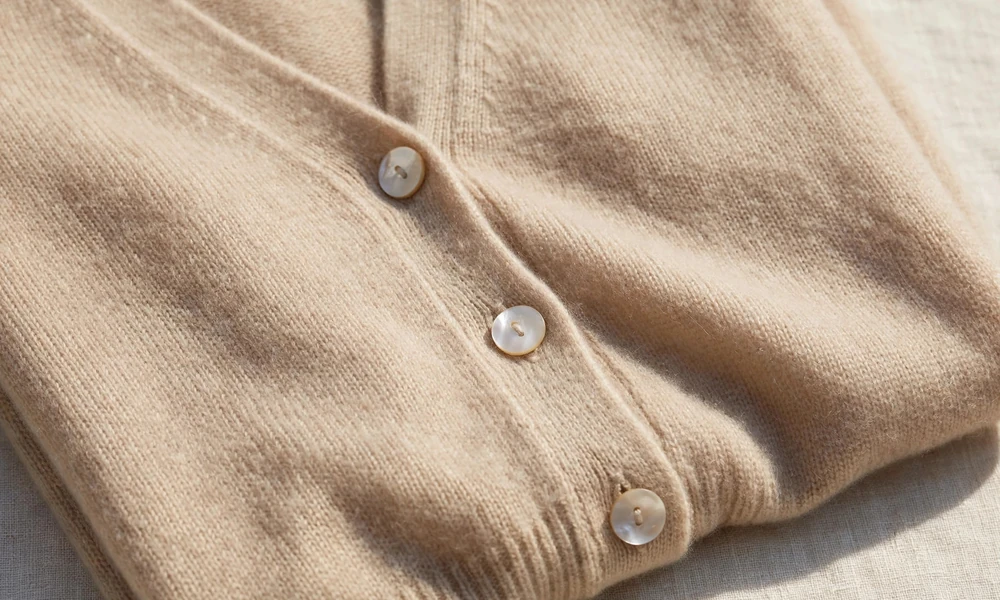
Look next at the fit and the length. A cardigan that is too tight will strain at the buttons and pill faster at the pressure points, while one that is too loose will look shapeless under a coat. The length matters as well: a hip-length cardigan layers under jackets, a longer duster works over dresses, and a cropped cardigan suits high-waisted trousers. Try it on with the clothes you will actually wear it with, not just on its own.
Finally, look at the care instructions. Cashmere should be hand-washed cold or dry-cleaned, dried flat, and stored folded with moth protection, never hung. Our guide to the best cashmere sweaters covers the same checks on fibre and ply, because the rules for judging a good knit are the same whether it is a sweater or a cardigan.
The 9 best cashmere cardigans for women of 2027
Max Mara Cashmere Cardigan
What we like: A clean, tailored V-neck in a dense two-ply knit, with a polished finish and a fit that layers neatly under coats. What to consider: Premium price, and the palette runs to classic neutrals only. Best for: Work and polished everyday looks. Fabric: 100% cashmere, two-ply. Price range: $600–$900. Standout feature: Tailored fit that holds its shape.
The most polished cardigan here, and the one most likely to still look new in five years. The shoulders sit cleanly under a coat, and the ribbed cuffs and hem keep the cardigan from riding up, which is the detail that makes it feel tailored rather than sloppy.
Loro Piana Cashmere Cardigan
What we like: Exceptionally soft, long-fibre cashmere with a smooth, even nap and a quiet, luxurious hand feel. What to consider: The highest price in this guide, and the fit is deliberately relaxed. Best for: Luxury everyday wear and travel. Fabric: 100% cashmere, two-ply. Price range: $1,200–$2,000. Standout feature: The softest hand feel in this roundup.
If softness is your priority and the budget allows, nothing else here comes close. The drape is soft and fluid rather than stiff, and the colour stays rich after washing, provided you follow the care instructions and dry it flat.
J.Crew Cashmere Cardigan
What we like: A reliable, well-priced V-neck in a good range of colours, with a classic fit that suits most body types. What to consider: Light pilling at the underarms after heavy wear, and the knit is lighter than luxury options. Best for: Everyday layering and first cashmere purchases. Fabric: 100% cashmere, two-ply. Price range: $150–$250. Standout feature: Best colour range for the price.
A sensible, honest cardigan at a fair price, and an easy first step into good cashmere. The colours are easy to match with denim, tailoring and dresses alike, and the fit is true to size, so ordering your usual size is a safe bet.
COS Cashmere Cardigan
What we like: A modern, slightly boxy cut with a clean, minimal look and a smooth, even knit. What to consider: The fit runs large, so size down, and the palette is mostly muted. Best for: Minimal, modern styling. Fabric: 100% cashmere. Price range: $180–$280. Standout feature: Modern, architectural cut.
The best choice if you like a contemporary silhouette rather than a classic one. The boxy shape layers well over shirts and under coats, and the smooth knit means it does not add bulk, even when worn under a fitted jacket.
N.Peal Cashmere Cardigan
What we like: A heritage British knit with a dense, warm fabric and excellent finishing, including linked seams and horn buttons. What to consider: The fit is traditional rather than fashion-led, and colours are conservative. Best for: Classic styling and cold weather. Fabric: 100% cashmere, two-ply. Price range: $300–$450. Standout feature: Dense, warm knit with linked seams.
A proper, old-school cashmere cardigan, built to last rather than to follow a trend. The knit is noticeably denser than most rivals at this price, and the horn buttons are firmly attached, which is a small detail that shows after a season of wear.
The White Company Cashmere Cardigan
What we like: A soft, comfortable cardigan in a flattering fit, with a good range of neutral colours and reliable quality. What to consider: The knit is lighter than some rivals, so it is better as a layer than a standalone jacket. Best for: Comfortable everyday wear and lounging. Fabric: 100% cashmere. Price range: $200–$350. Standout feature: Soft, easy fit in wearable neutrals.
A comfortable, dependable choice that works across the whole week. The neutrals are soft rather than stark, which flatters most skin tones, and the fit has enough ease to layer over a shirt without looking oversized.
Brora Cashmere Cardigan
What we like: A Scottish-made cardigan in a rich, dense knit, with a classic shape and a strong, even colour. What to consider: Limited availability outside the UK, and the fit is generous. Best for: Heritage styling and cold climates. Fabric: 100% cashmere, two-ply. Price range: $350–$500. Standout feature: Scottish-made, dense knit.
Beautifully made and genuinely warm, with a heritage feel that suits a classic wardrobe. The colour is rich and even, with a depth that cheaper knits rarely achieve, and the generous fit makes it comfortable for layering in cold weather.
Johnstons of Elgin Cashmere Cardigan
What we like: A superbly finished cardigan from one of Scotland’s oldest mills, with a smooth nap and a precise, even knit. What to consider: The price is high for a simple shape, and styles sell out quickly. Best for: Investment buying and quiet luxury. Fabric: 100% cashmere, two-ply. Price range: $500–$800. Standout feature: Mill-direct quality and finishing.
For buyers who care about where their cashmere comes from, this is the most transparent choice here. The nap is smooth and even, with no loose fibres, and the cardigan keeps its shape well after washing, provided it is dried flat and stored folded.
Burberry Cashmere Cardigan
What we like: A refined cardigan with the house’s clean tailoring, subtle branding, and a smooth, dense knit. What to consider: You pay a premium for the label, and the fit is slim. Best for: Polished, branded luxury looks. Fabric: 100% cashmere. Price range: $700–$1,100. Standout feature: Clean tailoring with subtle house details.
The most recognisably luxurious cardigan here, best for those who want the label as well as the knit. The slim fit works best under tailored coats, and the subtle house details keep it understated, so it reads as luxury without shouting about it.
Which cashmere cardigan is right for you
Start with how you will wear it. If you want a cardigan for work, choose a hip-length V-neck in a neutral colour, in a dense two-ply knit that sits smoothly under a coat. If you want one for weekends and travel, a slightly longer, relaxed cardigan in a soft colour is more versatile, and it works over dresses as well as trousers. If you want a statement piece, a duster-length cardigan in a rich colour makes a simple outfit feel finished.
Colour is the second filter. Navy, charcoal, camel and cream are the most versatile, and they layer across seasons without clashing. A bright or pastel cardigan is lovely, but it will be worn less often, so it should not be your only cashmere cardigan. If you already own a neutral, a soft grey or a deep green is a good second choice, and our guide to the best winter coats for women is a useful check on which colours work with the coat you already own.
Budget is the third filter, and with cashmere it is worth being honest about. A $200 cardigan from a reputable maker can be excellent, and a $1,000 cardigan can disappoint if the fit is wrong. Set your budget, then buy the best fibre and finishing inside it, and try the cardigan on with your own clothes before deciding. If two cardigans feel similar on the rail, check the seams and the buttonholes, because the one with the cleaner finishing is usually the one that will still look good after a season of wear.
The caveats that matter
Cashmere pills, even good cashmere. Friction at the underarms, waistband and bag strap causes small balls of fibre, and the only honest answer is to remove them regularly with a cashmere comb or a gentle fabric shaver, and to rest the cardigan between wears so the fibres recover. Pilling is not a sign of poor quality on its own, but heavy pilling after a single wear is.
| Detail | What is known |
|---|---|
| Best fibre | Long fibres, 34 to 36 mm or more, knit into a smooth, stable fabric |
| Ply | Two-ply or more gives strength, drape and durability |
| Gauge | 12-gauge is a classic mid-weight; 7-gauge is chunkier and more casual |
| Label check | 100% cashmere or a stated blend; a small percentage is not a cashmere cardigan |
| Pilling | Normal with wear; remove with a cashmere comb and rest the garment between wears |
| Washing | Hand-wash cold or dry-clean; dry flat, never tumble-dry or hang wet |
| Storage | Fold, never hang; use cedar or lavender against moths |
| What it does not do | No cashmere is pill-proof, and cheap short-fibre knits will not last |
Moths are the other enemy. Cashmere is a favourite food for clothes moths, so store cardigans folded, clean, and with cedar blocks or lavender sachets, and check stored knits at the start of each season. A single moth hole is repairable, but a cardigan stored damp or dirty in a warm cupboard is an invitation.
Checklist: choosing a cashmere cardigan honestly
Use these checks before you buy, and again after two weeks of wear.
- Check the label: 100 percent cashmere, or a blend with the percentages stated.
- Check the knit: even, dense, with no thin patches, and a smooth, even nap.
- Check the seams: linked rather than overlocked, lying flat without twisting.
- Check the fit: comfortable at the buttons, with room to layer, and the right length for your wardrobe.
- Check the buttons: horn or corozo, firmly attached, with cleanly finished buttonholes.
- Check the care: hand-wash cold or dry-clean, dry flat, and store folded with moth protection.
Frequently asked questions
How do I stop a cashmere cardigan from pilling?
You cannot stop it entirely, but you can slow it down. Rest the cardigan between wears, avoid friction from bag straps, and remove pills regularly with a cashmere comb. Long-fibre, two-ply knits pill less than short-fibre ones.
Can I wash a cashmere cardigan at home?
Yes, by hand in cold water with a gentle wool wash, then rinse, press out the water in a towel, and dry flat. Never wring it, tumble-dry it, or hang it wet, as the weight will stretch the knit.
Is a cashmere blend worth buying?
Sometimes. A cashmere and wool blend can be warmer and more durable than pure cashmere, and a cashmere and silk blend drapes beautifully. Check the percentages, as our guide to the best cashmere wraps explains, because a blend with only 5 percent cashmere is mostly a label.
Why does my cashmere cardigan feel itchy?
It is usually short, coarse fibres or a loose knit irritating the skin. A finer, longer-fibre cashmere should feel soft against bare skin. If it itches, try a thin layer underneath, or choose a finer gauge next time.
How should I store a cashmere cardigan in summer?
Clean it first, then fold it with cedar blocks or lavender sachets in a breathable cotton bag or a clean drawer. Never store it dirty, damp, or in plastic, which traps moisture and attracts moths.
Is expensive cashmere always better?
Not always. Price often reflects the brand and the fibre grade, but a well-made mid-priced cardigan can outlast a poorly finished luxury one. Judge the fibre, the ply and the finishing, not the price tag alone.
The bottom line
The best cashmere cardigan for women in 2027 is not the most expensive or the softest on the rail. It is the one with long fibres, a dense, even knit, a fit that works with your wardrobe, and a colour you will reach for every week. For a first purchase, a classic V-neck from a reputable maker at a fair price is the smartest start. Check the seams and the buttons before you buy, and keep the receipt until you have worn it twice. For an investment piece, a two-ply cardigan from a heritage mill is worth the money, but only if the fit is right.
Choose the knit before the label, check the fibre and the seams, and buy the cardigan you will actually wear. That is the honest way to enjoy cashmere, without paying a luxury price for a knit that will not last the season.