Body wash is one of the most ordinary bottles in the bathroom, and one of the least understood. Few people could say exactly what it is, how it differs from a bar of soap, or why one bottle leaves skin soft while another leaves it tight and dry. It is often treated as liquid soap in a fancier bottle.
At its simplest, a body wash is a liquid cleanser made to wash the body during a shower or bath. It uses mild cleansing agents called surfactants to lift sweat, oil, dirt, and sunscreen so water can rinse them away. Unlike traditional bar soap, made by combining fats with an alkali, most body washes use gentler synthetic cleansers balanced closer to the skin’s natural pH.
This guide explains what body wash really is, what goes into the bottle, how it compares with shower gel and bar soap, and how to choose the right one.
Key Takeaways
- A body wash is a liquid body cleanser built around mild surfactants that lift sweat, oil, and dirt so water can rinse them away.
- It is creamier and usually more moisturising than shower gel, which is thinner, foamier, and better suited to oily skin and hot weather.
- Most body washes are pH-balanced and gentler than traditional bar soap, which is alkaline and can leave skin feeling tight.
- You need far less than you think: a coin-sized amount on wet skin, worked into a lather and rinsed well, is enough for the whole body.
- The right body wash depends on your skin: creamy and fragrance-free for dry or sensitive skin, lighter gel textures for oily or acne-prone skin.
What Is a Body Wash, Exactly?
A body wash is a rinse-off liquid cleanser for the skin below the neck. It is not a moisturiser, although better formulas leave a little conditioning behind, and it is not a treatment product: it stays on the skin for under a minute before it is rinsed away, so its job is to clean, not to transform.
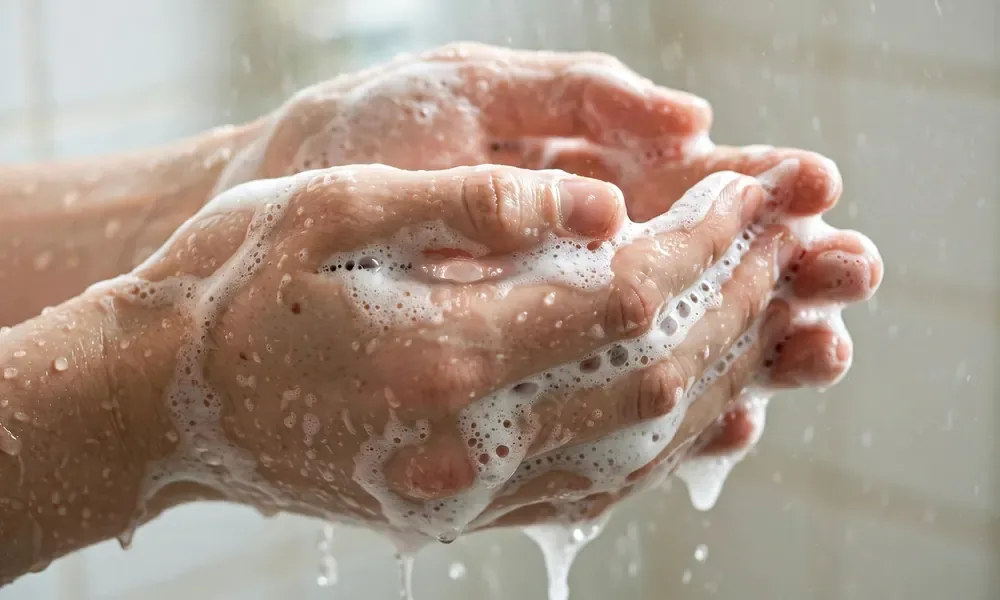
The cleaning work is done by surfactants, ingredients with one end that grabs oil and dirt and another that grabs water. When you lather, they surround grime and hold it in the foam so the rinse carries it away. Modern body washes use milder blends combined with moisturisers, so skin is left clean rather than squeaky.
A body wash is usually a creamy, lotion-like liquid, often opaque in the bottle. That creaminess comes from emollients and humectants: glycerin, which draws water into the skin, and plant oils or shea butter. This is why a body wash feels richer than a gel, and why it is the default choice for dry skin and colder months.
What Is Inside a Body Wash?
Every body wash starts with water, which makes up most of the bottle, and surfactants, which do the cleaning. Around that base, brands add the ingredients that decide how the wash feels. Glycerin is the most common moisturising addition at every price. Aloe vera, oat extract, and vitamin E calm and soften, while ceramides support the skin barrier in washes for very dry or sensitive skin.
Some body washes carry active ingredients, such as salicylic acid for body breakouts or niacinamide for uneven tone. These can help, but keep expectations honest: a wash is on the skin for under a minute, so an active has only a brief window to work. A wash with salicylic acid can help with spots on the chest or back, but it will not do the work of a leave-on treatment.
Fragrance is the ingredient most likely to cause trouble. Heavily fragranced washes smell wonderful, but fragrance is a common irritant for sensitive skin and lingers after rinsing. If your skin is reactive, or you notice itching or redness after showering, a fragrance-free wash is the first change worth making. The same applies to strong dyes and exfoliating beads, which can be too rough for daily use.
Body Wash vs Shower Gel vs Bar Soap
The labels are used loosely, and brands often call the same formula by either name, but there are real differences. Shower gel and body wash do the same core job with the same type of cleansers. Shower gel is the thinner, clearer, foamier cousin: it lathers more, rinses cleaner, and suits oily skin, humid weather, and post-workout showers. Body wash is creamier, with more moisturisers, and leaves a softer finish.
Bar soap is different. Traditional soap is made from fats and an alkali, and it usually sits at a pH of around 9 or 10, while healthy skin sits near 5.5. That gap is why a harsh bar can leave skin feeling tight and dry, and why soap reacts badly with hard water. A liquid wash is the easier choice for most skin, and more hygienic to share, since a bar sits damp between uses.
| Feature | Body Wash | Shower Gel | Bar Soap |
|---|---|---|---|
| Texture | Creamy, lotion-like liquid | Thin, clear or translucent gel | Solid bar |
| Cleansers | Mild surfactants plus oils or butters | Surfactants, often stronger | Traditional soap from fats and alkali |
| Lather | Soft, creamy foam | High, bubbly foam | Varies by bar |
| Moisturising feel | High, leaves skin conditioned | Low to medium, rinses clean | Low, can feel drying |
| Best for | Dry, sensitive, or mature skin | Oily skin, summer, after exercise | Hands, travel, low-waste routines |
| pH | Usually balanced near skin pH | Usually balanced near skin pH | Alkaline, around 9 to 10 |
| Hygiene | Pump or squeeze bottle, stays clean | Pump or squeeze bottle, stays clean | Sits damp, shared between users |
| Cost per wash | Moderate, a little goes far | Moderate, easy to over-pour | Low, lasts a long time |
How to Use Body Wash Properly
Technique matters as much as the bottle you buy, and most people use too much product, too hot water, and too much scrubbing. Start with warm water, not hot: hot water strips oils from the skin, and dermatologists generally suggest keeping showers short, around five to ten minutes. Wet your skin fully first, so the wash spreads easily.
Take a coin-sized amount onto a loofah, a soft washcloth, or your palms. Your hands are the gentlest option and are enough for most of the body; a cloth gives a little more exfoliation, while a rough loofah used daily can irritate sensitive skin. Smooth the foam over your skin, giving extra attention to where sweat collects: underarms, feet, chest, and back. There is no need to scrub every inch with force.
Rinse longer than you think. Leftover cleanser is a quiet cause of itching and dryness, so let the water run until skin feels clean but not slippery. Then pat dry instead of rubbing, and moisturise within a few minutes while skin is still slightly damp. That last step locks in the benefit of a gentle wash: a body lotion applied to damp skin holds water in far better than one applied to skin that has already dried out.
How to Choose the Right Body Wash for Your Skin
For dry skin, choose a creamy body wash and read the label for glycerin, shea butter, ceramides, or oat extract. Fragrance-free is the safer bet, and a wash promising a moisturising or cream finish usually delivers that texture. Avoid anything that leaves skin feeling tight after rinsing: that tightness means the wash has taken too much.
For oily or acne-prone skin, a lighter gel-leaning body wash is usually the better pick, and a formula with salicylic acid can help with spots on the back and chest a few times a week. Rinse thoroughly, since residue can clog pores. For sensitive skin, the rules are stricter: fragrance-free, dye-free, a short ingredient list, and a patch test before you commit to a full bottle.
For normal skin, almost any gentle wash will do, so choose by season: a richer cream wash in winter, a lighter one in summer. Children and babies need their own gentler formulas, and anyone with eczema or a diagnosed skin condition should follow their clinician’s advice. Price is a poor guide: a simple, well-made wash often beats an expensive bottle built around fragrance and packaging.
Your Body Wash Checklist
- Match the texture to your skin: creamy for dry or sensitive skin, lighter gel for oily skin.
- Look for glycerin, ceramides, or oat on the label, and keep fragrance low on the list or absent.
- Use a coin-sized amount on wet skin; more product does not mean cleaner skin.
- Keep the water warm and the shower short, around five to ten minutes.
- Rinse thoroughly until skin feels clean, not slippery, then pat dry.
- Moisturise within a few minutes of stepping out, while skin is still slightly damp.
Common Body Wash Mistakes
The most common mistake is using far too much. A palmful of wash does not clean better than a coin-sized amount; it only makes rinsing harder and wastes the bottle. The second is washing twice a day with a strong formula, which strips the skin barrier and can trigger the very dryness or oiliness people are trying to fix. Once a day is enough for most people.
Other mistakes are quieter. Scrubbing hard with a rough sponge every day can leave micro-irritation that shows up as redness or itch. Leaving a damp loofah in the shower lets bacteria grow in it, so rinse it, squeeze it dry, and replace it regularly. Pairing a gentle wash with very hot showers or skipping moisturiser cancels out the benefit: washing is only half the routine. What happens in the minutes after the shower matters just as much, which is why a rich body butter on very dry patches, or a light body oil smoothed over damp skin, can be the step that makes a good wash feel great.
Frequently Asked Questions
Is body wash better than bar soap?
For most skin, yes. Body wash is usually pH-balanced and built with milder cleansers, so it cleans without the tight, dry feeling a traditional alkaline bar can leave. Bar soap is cheaper and lasts longer, and a good moisturising bar is a fine choice, but a liquid wash is gentler for dry or sensitive skin and more hygienic to share.
Can I use body wash on my face?
You can in a pinch, but it is not ideal as a habit. Facial skin is thinner and more reactive than body skin, and body washes are often more fragranced and richer than a face cleanser needs. A dedicated gentle face wash is the better daily choice.
How much body wash should I use?
A coin-sized amount is enough for the whole body when worked into a lather on wet skin with hands or a cloth. With a loofah you may need even less, since it whips the wash into more foam. If you pour a palmful every shower, you are using roughly three times more than you need.
Is shower gel the same as body wash?
Almost. Both are liquid cleansers that do the same job, and the names are often used interchangeably. The practical difference is texture: shower gel is thinner, clearer, and foamier, while body wash is creamier and more moisturising. Choose gel for oily skin and summer, and body wash for dry skin and winter.
Can body wash cause dry skin?
A harsh or heavily fragranced wash can, especially with hot water and long showers. If your skin feels tight, itchy, or flaky after washing, switch to a creamy fragrance-free wash, turn the water down, keep showers short, and moisturise while skin is still damp.
Do I still need moisturiser after body wash?
Yes, almost always. Body wash cleans and may leave a little conditioning behind, but it is rinsed off, so it cannot replace a leave-on moisturiser. Applying lotion, butter, or oil to slightly damp skin within a few minutes of showering is the step that locks moisture in.
The Bottom Line
Body wash is a liquid body cleanser built around mild surfactants, designed to lift the day off your skin without stripping it. It is creamier than shower gel and gentler than traditional bar soap, and at its best when it is simple: a modest amount, warm water, a thorough rinse, and moisturiser on damp skin afterwards. Choose the texture for your skin type, and keep fragrance in check if your skin is sensitive.
Note: This guide is general skincare information, not medical advice. If you have eczema, psoriasis, persistent irritation, or a diagnosed skin condition, follow the guidance of your clinician or dermatologist before changing products.