A morganite bracelet is easy to fall in love with at first sight, and easy to regret. In a jeweller’s window, the soft pink stones look uniformly pretty. On your wrist, in daylight, the differences appear at once: one glows warm and peachy, another fades to almost nothing, and a third feels flimsy and catches on everything.
Morganite is the pink to peach variety of beryl, the same mineral family as emerald and aquamarine, coloured by traces of manganese. It grows in large, clean crystals, so a line of pink stones costs a fraction of what a sapphire or diamond line would. That affordability is also the trap: a pale line on a weak clasp looks cheap no matter what you paid.
This guide covers colour, clarity and cut, styles, settings, treatments, fit, prices and care.
Key takeaways
- Colour decides value: a clear, medium peachy pink with no brown or grey undertone, checked in daylight on your wrist.
- Buy colour, not carat weight: small, strongly pink stones beat a long, pale line.
- The clasp matters as much as the stones: a box clasp with a safety chain is worth paying for.
- Most morganite is heat-treated and stable, but ask in writing whether it was irradiated, as irradiated colour can fade.
- Morganite is 7.5 to 8 on the Mohs scale, but it chips at the edges, so bezel settings beat tall prongs.
What morganite actually is
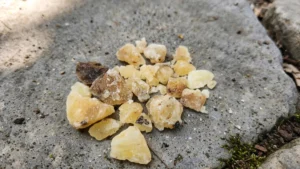
Morganite is pink beryl, coloured by manganese. Its siblings are emerald and aquamarine, and it shares their hardness of 7.5 to 8 on the Mohs scale. Unlike emerald, which is famously included and almost always oiled, morganite usually grows clean, so a good stone looks crystal clear to the naked eye. It can still chip at a facet edge.
Named after J. P. Morgan, it became a favourite when rose gold came back into fashion. It is not an official birthstone. Origin moves the price far less than with ruby or emerald, so never pay a premium for a country name.
Colour comes first, and it is worth slowing down for
Colour decides beauty and price more than anything else: the most prized morganite is a pure, medium-toned pink with a warm peachy overtone, obvious in ordinary light. Shades run from barely-there blush to vivid pink.
The trap is the pale stone, and in a bracelet pale stones are multiplied: twenty pale stones can wash out to near colourless in daylight. Choose a shorter, stronger pink bracelet over a longer pale one.
Check the colour in daylight on your own wrist, not under the jeweller’s spotlights, and watch for brown or grey undertones. Every stone along the line should be the same colour: a bracelet with two or three noticeably paler stones in the middle is made from leftovers. Our guide to what to look for in a morganite ring covers the same colour rules in detail.
Clarity and cut: small stones, big differences
Morganite is usually eye-clean. The stones are small, usually two to five millimetres, so minor inclusions that would matter in a ring are invisible here. Do not pay for flawless clarity; just check all the stones are equally clean, as a cloudy stone reads as a dead spot.
Cut matters more than clarity at this size. A well-cut stone looks lively; a poor cut looks flat and glassy. Round brilliants are the classic choice: they sparkle evenly and match easily. Oval and cushion cuts give a softer line, while emerald cuts need a deeper pink. Check from the side too: no stone should sit tilted or higher than its neighbours.
The four bracelet styles, and who each suits
Most morganite bracelets fall into four styles, and choosing the style first makes every other decision easier.
The tennis bracelet is the classic: a single unbroken line of matched stones, usually round, in a prong or bezel setting. It is the most formal and most expensive style, and its weakness is the clasp.
The bangle is a rigid circle, a solid band set with stones or an open cuff with morganite at the ends. There is no clasp to fail, but it must fit over your hand, so the diameter is fixed, and bangles take more knocks than any other style.
The beaded bracelet is a string of smooth morganite beads, usually six to eight millimetres, on elastic or a knotted cord, sometimes with one gold or diamond accent bead. It is the most affordable way into morganite. Look for even size, even colour, a high polish, and a cord that does not stretch out.
The chain bracelet is a fine gold chain with a single morganite, or a small cluster, as its centrepiece: the most delicate style, best as an accent rather than a statement. A single small stone loses colour fast, so choose a deeper pink than you think you need.
Settings and metal: rose gold is the natural partner
Rose gold is morganite’s natural partner: its warm copper tones deepen the pink, while white gold and platinum cool it down. Yellow gold suits the peachier shades.
The setting decides how the bracelet survives daily life: the wrist knocks against desks, door frames, bags and sleeves all day. Bezel settings protect the edges far better than tall prongs and catch on knitwear far less. Prong settings sparkle most, but need checking every year, as one worn prong can lose a stone.
Pick the bracelet up: it should have a reassuring weight for its size, as a hollow, light bracelet will dent and bend sooner than a solid one.
The clasp is the whole purchase
Ask any jeweller what fails first on a tennis bracelet and they will say the clasp.
Look for a box clasp with a figure-eight safety or a double safety chain, and test it in the shop. It should close with a firm click and need a deliberate press to open: a clasp that opens under a gentle tug will open when you reach into your bag. The safety chain catches the bracelet when the main clasp fails, and a tennis bracelet without one is a gamble. On a bangle, check the hinge has no wobble.
Treatments: ask, and get it in writing
Most morganite has been heat-treated: a standard, stable, permanent treatment that brings out the pink colour, and nothing to worry about, but it should still be disclosed.
Irradiation is different. Some morganite is irradiated to produce its colour, and irradiated colour can fade with prolonged heat or strong light: a real risk for a bracelet worn in the sun. Ask in writing whether the stones were irradiated, and if the answer is yes, or the seller does not know, walk away. Coatings are rare, but a coated bead can look rich and pink in the shop and fade to grey in a year.
Fit and sizing: measure twice
Measure your wrist snugly just above the wrist bone, then add ease: half an inch for a tennis bracelet, three quarters of an inch for a chain bracelet, and an inch or more for a bangle, which must pass over the widest part of your hand. Between sizes, go up.
Try it on with the watch you actually wear: a tennis bracelet and a watch on the same wrist compete for space and scratch each other, so wear it on the opposite wrist. Stack it with smooth gold bangles or beaded bracelets, not diamonds, which will chip it over time. Our guide to buying your first diamond tennis bracelet covers clasp and fit checks that apply word for word to a morganite line.
What a fair price looks like
A bracelet’s price is mostly metal and making: a seven inch tennis line holds only three to five carats.
As a rough 2027 guide, a beaded bracelet starts at around $80 to $250, a chain bracelet at $300 to $800, and a tennis bracelet in 14k rose gold at $1,500 to $3,000 for pale to medium stones, rising to $4,000 to $7,000 for a strongly pink line in 18k gold. Prices far below those ranges mean glass, synthetic spinel, or coated stones. Do not pay a premium for an origin story: our guide to what to look for in a morganite necklace explains why.
| Style | Best for | Typical price (2027) | Watch out for |
|---|---|---|---|
| Tennis bracelet | Formal occasions | $1,500–$7,000+ | Weak clasp, mismatched stones |
| Bangle | Everyday wear | $800–$3,500 | Fixed size |
| Beaded bracelet | Everyday wear | $80–$250 | Uneven beads |
| Chain bracelet | Layering | $300–$800 | Fading colour |
| Bezel-set tennis | Daily wear | $1,800–$7,500 | Less sparkle |
| Prong-set tennis | Occasions | $1,500–$7,000 | Prongs catching |
| Open cuff bangle | Adjustable fit | $600–$2,500 | Ends bending |
| Cluster bracelet | Statement look | $500–$2,000 | Centre stones loose |
Care: keep it pink and keep it on your wrist
A bracelet earns its knocks, so care matters more here than for a necklace. Clean it with warm water, a drop of mild washing-up liquid and a soft brush, getting behind the stones where skin and lotion collect: morganite dulls quickly when dirty.
An ultrasonic cleaner is generally safe, but never use steam cleaning, and never put a glued setting, a beaded bracelet on elastic, or a fracture-filled stone into an ultrasonic. Take the bracelet off for the gym, gardening, swimming and housework: chlorine and harsh chemicals damage the metal, and a knock can chip a stone at the edge. Store it flat in its own soft pouch, and have the clasp and prongs checked once a year.
Before you buy: the six-point checklist
- Colour: medium peachy pink, no brown or grey undertone, checked in daylight, the same in every stone.
- Clarity and cut: eye-clean stones that sit level, with even sparkle and no cloudy or tilted stones.
- Setting and metal: bezel or half-bezel for daily wear, rose gold, solid weight in the hand.
- Clasp: a box clasp with a safety chain that clicks shut firmly, or a wobble-free hinge on a bangle.
- Treatments: heat treatment disclosed in writing, and a written answer on irradiation.
- Fit and paperwork: measured with ease, tried on with your watch, receipt stating stone, treatment, metal and carat weight.

Frequently asked questions
Is a morganite bracelet good for everyday wear?
Yes, with the right setting. Morganite is 7.5 to 8 on the Mohs scale, so it resists scratching, but it can chip if knocked hard. A bezel-set tennis bracelet or a bangle suits everyday wear.
How much should a morganite tennis bracelet cost?
In 14k rose gold, usually $1,500 to $3,000 for pale to medium stones, rising to $4,000 to $7,000 for a strongly pink line in 18k gold.
Does morganite fade in sunlight?
Heat-treated morganite does not fade. Irradiated morganite can fade with prolonged heat or strong light, so ask in writing whether the stones were irradiated.
What metal goes best with morganite?
Rose gold is the classic partner: its warm copper tones deepen the pink. Yellow gold suits the peachier shades, while white gold and platinum cool the colour and can make a pale stone look paler.
How do I know my morganite bracelet is real?
Buy from a reputable jeweller and ask for the stone’s identity and treatment in writing. Ask for a lab report on an expensive tennis bracelet. Vivid colour at a very low price usually means coated or imitation stones.
Can I wear a morganite bracelet with a watch?
Yes, but usually on the opposite wrist: a tennis bracelet and a watch on the same wrist compete for space and scratch each other. To stack, pair it with smooth gold bangles or beaded bracelets, not another gemstone line.
The bottom line
Buy in this order: colour first, then the clasp and the setting, then the metal, and only then the carat weight. Choose a clear, medium peachy pink that holds its colour in daylight, insist on stones that match along the whole line, and buy the best clasp you can afford. Get the treatment in writing, measure your wrist, and pay a fair price for real gold and real work.
Note: Prices are approximate 2027 guides; always ask for the stone’s identity and treatment in writing.