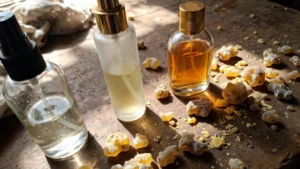
A sensitive scalp turns hair oiling into a gamble. The same oil that leaves a friend’s hair glossy and calm can leave yours itchy, tight, or broken out along the hairline within a day. The problem is rarely the idea of oiling itself. It is the fragrance, the essential oils, the preservatives, and the heavy silicones that many popular formulas carry, and a reactive scalp notices all of them.
The difference between an oil that soothes and one that stings is usually in the ingredient list, not the price. A short list of gentle carrier oils, no added fragrance, and a light texture will almost always beat a complex blend of botanicals, however luxurious the bottle looks. That is why this guide is organised around tolerance first and shine second.
Below are nine hair oils worth considering in 2027 if your scalp reacts easily. Each one is described by what it does well, what to watch for, and who it suits best, so you can choose with your scalp in mind, not just a bestseller list.
Key takeaways
- A sensitive scalp needs short, simple formulas: gentle carrier oils, no added fragrance, and no strong essential oils.
- Patch-test every new oil behind your ear or on your inner arm for two to three days before you use it on your whole scalp.
- Apply oil to the lengths and ends first, and only to the scalp if the formula is made for scalp use.
- Use a small amount, leave it on for 20 to 30 minutes, and wash it out with a gentle shampoo.
- No hair oil treats eczema, psoriasis, or a scalp infection, and an oil that causes burning, swelling, or spreading redness should be stopped and washed out.
What a sensitive scalp actually needs from a hair oil
A sensitive scalp is a scalp whose barrier is easily upset. It may react to fragrance, to certain plant extracts, to heat, or to products left on too long. The signs are familiar: itching, tightness, flaking, redness along the hairline, or small bumps where a product has sat. An oil cannot fix a damaged barrier on its own, but a gentle one can protect it, reduce friction when you brush, and stop the lengths from drying out while the scalp calms down.
What matters most is what the oil leaves out. Fragrance is the most common irritant in hair care, and it can appear under names such as parfum, fragrance, or a long list of essential oils. Peppermint, rosemary, tea tree, and citrus oils are often sold as scalp treatments, but on a reactive scalp they can sting, and they are best avoided until you know your skin tolerates them. A fragrance-free oil with a handful of recognisable carrier oils is the safer starting point.
Texture matters too. A heavy oil sits on the scalp, traps heat, and is hard to wash out, which means more shampooing and more irritation. A light, fast-absorbing oil is easier to remove with one gentle wash, and it is less likely to clog the follicles around the hairline.
How we chose these oils and what to look for
Look first at the ingredient list. Short is better. A formula built on one or two carrier oils, such as camellia, squalane, jojoba, or argan, with no added fragrance and no drying alcohol, is the easiest kind for a reactive scalp to accept. If the list runs to twenty botanical extracts, the odds that one of them bothers you go up, however natural the marketing sounds.
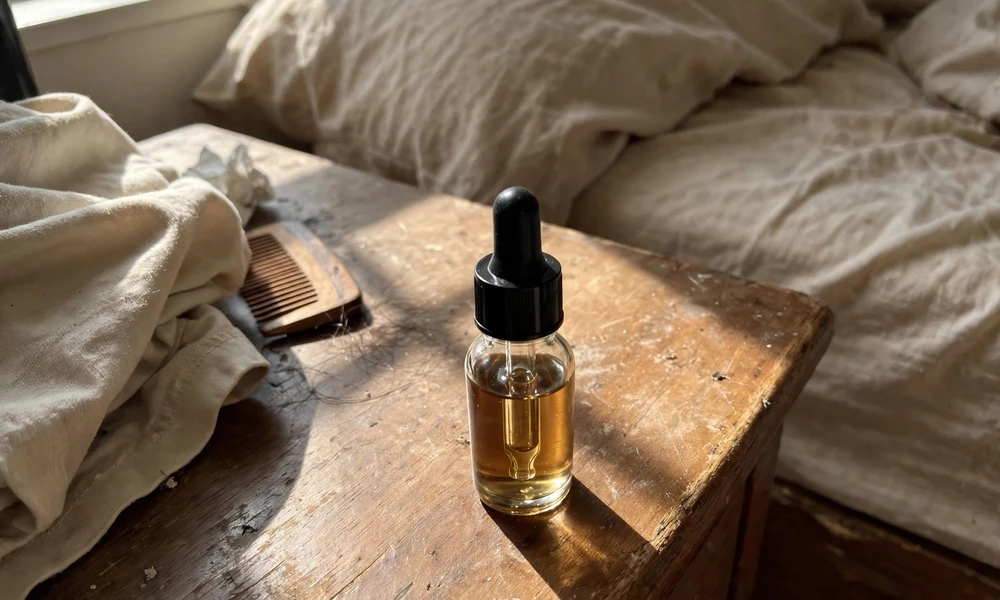
Look next at how the oil is meant to be used. Some oils are made for the lengths only, and putting them on the scalp is a misuse, not a treatment. Others are designed as pre-wash scalp oils, with a texture and a rinse-out time that suit skin. The label should say clearly where the oil goes. If it does not, treat it as a lengths-only oil. Our guide to how to use hair oil explains the basic method, and the same steps apply here, with one change: use less product and a shorter leave-on time until you know your scalp is happy.
Finally, look at the bottle and the price per use. A dropper or pump that gives you two or three drops at a time stops you from pouring out too much, which is the most common mistake with scalp oiling. A small bottle you finish in a few months is better than a large one that sits open for a year. Price is a poor guide on its own. Some of the gentlest oils here are mid-priced, and the most expensive is not automatically the kindest to reactive skin.
The 9 best hair oils for sensitive scalps of 2027
Olaplex No.7 Bonding Oil
What we like: A light, silicone-based oil with no added fragrance that smooths frizz, adds shine, and protects against heat without leaving a heavy residue. What to consider: It is a styling and finishing oil, not a scalp treatment, so keep it on the lengths. Best for: Fine to medium hair that needs shine without weight. Material: Dimethicone and bis-aminopropyl diglycol dimaleate. Price range: Around $30 for 30 ml. Standout feature: The lightest feel of any oil in this guide.
This is the safest first oil if your scalp reacts to almost everything, because it barely touches the scalp at all. Used on the lengths, it gives the gloss of an oil treatment without the risk of a scalp flare-up.
Moroccanoil Treatment Light
What we like: A lighter version of the classic argan oil treatment, designed for fine and light-coloured hair, with a soft scent that is far milder than most perfumed oils. What to consider: It is fragranced, so patch-test first, and keep it off the scalp. Best for: Fine, blonde, or light-coloured hair. Material: Argan oil, linseed extract. Price range: Around $34 for 50 ml. Standout feature: A feather-light texture that does not darken or weigh down fine hair.
If your scalp is sensitive but your lengths are dry, this is a practical compromise. It conditions where hair needs it and stays away from the skin that objects.
Gisou Honey Infused Hair Oil
What we like: A honey-based oil that smooths flyaways, adds a soft shine, and leaves hair feeling supple rather than coated. What to consider: It has a noticeable honey scent, so it is not fragrance-free, and it is best kept on the lengths. Best for: Dry, frizzy, or wavy hair. Material: Honey, argan oil, sunflower oil. Price range: Around $46 for 50 ml. Standout feature: Honey gives it a soft, flexible hold that most oils do not have.
A good choice if your scalp is reactive but you still want a nourishing oil for the lengths. Use a single drop, warm it between your palms, and smooth it over the ends only.
Davines OI Oil
What we like: A versatile, lightweight oil with roucou oil that adds shine, softens rough ends, and works as a pre-wash or a finishing step. What to consider: It is scented, so patch-test first, and it is not a scalp oil. Best for: Medium to thick hair that needs smoothing. Material: Roucou oil, sunflower oil. Price range: Around $50 for 135 ml. Standout feature: One of the best value-for-size oils in this guide.
The large bottle lasts a long time because a little goes a long way.
Aesop Shine Hair & Beard Oil
What we like: A simple, plant-based oil with a short ingredient list and a dry, non-greasy finish that suits hair and beards alike. What to consider: It contains essential oils, so patch-test carefully before scalp use. Best for: Short to medium hair, and beards. Material: Jojoba oil, borage seed oil, sea buckthorn. Price range: Around $41 for 60 ml. Standout feature: The driest, least greasy finish of the plant-based oils here.
This is a good option if you want a genuinely simple formula and you are comfortable patch-testing first. The dry finish means it rarely leaves a visible residue on hair.
Virtue Healing Oil
What we like: A lightweight, fragrance-free-leaning oil built around a keratin protein, designed to smooth and protect without coating the hair. What to consider: Premium price for the size, and it is a lengths treatment, not a scalp oil. Best for: Damaged, colour-treated, or fragile hair. Material: Alpha keratin, squalane, baobab oil. Price range: Around $44 for 50 ml. Standout feature: The protein base helps fragile hair feel stronger over time.
If your hair is both fragile and your scalp is reactive, this covers the hair side of the problem without asking your scalp to tolerate a heavy botanical blend.
Kérastase Elixir Ultime L’Huile Originale
What we like: A classic shine oil with a blend of camellia, argan, and pracaxi oils that leaves hair glossy and soft without a greasy feel. What to consider: It is fragranced and best kept on the mid-lengths and ends. Best for: Normal to thick hair that wants gloss. Material: Camellia oil, argan oil, pracaxi oil. Price range: Around $55 for 100 ml. Standout feature: A high-gloss finish that lasts until the next wash.
Use it as a finishing oil, not a scalp treatment. One pump warmed between the palms and smoothed over the ends is enough for most hair types.
Rahua Legendary Amazon Oil
What we like: A plant-based oil from rahua and ungurahua nuts that adds shine and tames frizz with a very light, dry feel. What to consider: Premium price, and it has a natural scent, so patch-test first. Best for: Thick, coarse, or frizz-prone hair. Material: Rahua oil, ungurahua oil, sacha inchi oil. Price range: Around $80 for 60 ml. Standout feature: The most effective frizz control in this guide for coarse hair.
A little goes a long way with this one. Two drops are usually enough, and it works best on damp hair before styling, when it can seal in moisture.
Leonor Greyl Huile de Magnolia
What we like: A light, plant-based oil with magnolia and evening primrose that softens hair and adds a gentle shine without weighing it down. What to consider: It is scented with natural oils, so patch-test before scalp use. Best for: Fine to medium hair that needs softness. Material: Magnolia oil, evening primrose oil, jojoba oil. Price range: Around $59 for 95 ml. Standout feature: A soft, floral finish that never feels heavy.
This is the gentlest-feeling of the plant-based oils here, and the pump makes it easy to dispense a single drop at a time, which is exactly how a sensitive scalp prefers it.
Which oil suits your scalp
If your scalp reacts to fragrance, start with the least scented options. Olaplex No.7 is the lightest and the least likely to cause a reaction, because it is designed to stay on the lengths. Virtue Healing Oil is the next step up, with a mild scent and a protein base that suits fragile hair. Both let you get the benefit of an oil treatment while your scalp stays out of the way.
If your scalp is sensitive because it is also dry, the choice is trickier. A dry scalp needs moisture, but a heavy oil can trap heat and make flaking worse. In that case, a light plant-based oil used as a short pre-wash treatment, then washed out thoroughly, is usually better than an overnight soak. Our guide to the best hair oils for dry scalp covers the richer options, but for a reactive scalp, start with the lightest one there and a short leave-on time.
If your scalp is oily as well as sensitive, keep oil off the scalp entirely. Use a finishing oil on the lengths only, wash your hair as usual, and let the scalp look after itself.
The caveats that matter
A hair oil is a cosmetic product, not a treatment for a scalp condition. If your scalp is red, scaly, blistered, or painful, or if you have patches of hair loss, an oil will not fix it, and it may make it worse by trapping irritants against the skin. See a dermatologist first, and only add an oil once you know what you are dealing with. The same applies if you are using a prescription scalp treatment. Check with your clinician before layering a cosmetic oil over it.
| Detail | What is known |
|---|---|
| Safest starting point | A short, fragrance-free formula used on the lengths only |
| What to avoid | Added fragrance, strong essential oils, and heavy, slow-absorbing oils |
| Patch test | Behind the ear or inner arm, two to three days, before full use |
| How much to use | Two to three drops, warmed between the palms, is enough for most hair |
| Leave-on time | 20 to 30 minutes for a scalp oil; a finishing oil stays on the lengths |
| How to wash it out | One gentle shampoo, starting at the scalp, then condition the lengths |
| When to stop | Burning, swelling, spreading redness, or new flaking after use |
| What an oil does not do | It does not treat eczema, psoriasis, infection, or hair loss |
Keep a simple record of what you try. Note the product, the date, how much you used, and how your scalp felt over the next two days.
Checklist: choosing a hair oil for a sensitive scalp
Use these checks before you buy, and again after two weeks of use.
- Check the ingredient list: short, no added fragrance, no strong essential oils.
- Check where it goes: scalp oil, or lengths only — follow the label, not the habit.
- Patch-test first: behind the ear or inner arm, two to three days, before full use.
- Start small: two to three drops, 20 to 30 minutes, then wash out gently.
- Watch for two days: redness, itching, or flaking can appear a day after use.
- Stop and simplify: if your scalp reacts, wash the oil out and go back to a plain shampoo until it calms.
Frequently asked questions
Can I use hair oil if my scalp is very sensitive?
Yes, usually, if you choose a simple, fragrance-free oil and keep it on the lengths first. Patch-test it, use a small amount, and only try a scalp application once the lengths have caused no reaction.
Which oils are safest for a reactive scalp?
Light carrier oils such as squalane, camellia, and jojoba are usually the best tolerated. Avoid strong essential oils such as peppermint, tea tree, and citrus until you know your skin accepts them.
Should I leave hair oil on overnight?
Not at first. Start with 20 to 30 minutes, then wash it out. An overnight soak gives an irritant eight hours against your skin, and a sensitive scalp rarely thanks you for it.
Can hair oil cause dandruff?
It can make flaking worse if a heavy oil sits on the scalp and feeds the yeast that contributes to dandruff. Use a light oil, keep it off the scalp if you are prone to flakes, and wash it out thoroughly. Our guide to how to soothe an itchy scalp explains when flaking needs more than a change of oil.
Is fragrance-free always better for a sensitive scalp?
Usually, yes. Fragrance is the most common irritant in hair care, and a fragrance-free oil removes the biggest variable. Natural scent from a plant oil is still a scent, so patch-test even a fragrance-free label if your skin is very reactive.
What should I do if an oil irritates my scalp?
Wash it out with a gentle shampoo, rinse well, and do not apply anything else until the irritation settles. If the reaction is severe, spreading, or painful, or if it does not settle in a few days, speak to a dermatologist.
The bottom line
The best hair oil for a sensitive scalp in 2027 is not the richest or the most expensive. It is the one your scalp accepts without complaint, used in a small amount, for a short time, and washed out properly. Start with a light, simple formula on the lengths, patch-test before you go near the scalp, and let your skin, not the bottle, decide whether an oil earns a place in your routine.
Choose one oil, use it the same way for two weeks, and judge it on how your scalp feels the day after, not on how glossy your hair looks in the mirror. That is the honest way to get the benefit of hair oiling without the irritation that makes sensitive scalps give up on it.