

What if the hardest part of a Spain trip isn’t the flight or the budget, but choosing which cities actually deserve your days? Spain packs wildly different personalities into a country smaller than Texas. There’s the big-city buzz of Madrid, the coastal cool of San Sebastián, the Moorish palaces of Granada, and a pilgrimage town in the green northwest that has drawn walkers for more than a thousand years.
The honest answer is that no single city wins. The right pick depends on whether you want art, beaches, food, architecture, or a mix of all four. This guide breaks down the strongest candidates, what each one does best, and the practical mistakes that trip up first-time visitors.
How to Think About Choosing Spanish Cities
Before naming names, it helps to sort Spain into rough clusters. Madrid and Barcelona are the two heavyweight hubs, and most itineraries start with one of them. Andalusia in the south delivers the postcard version of Spain: whitewashed towns, Moorish architecture, and intense summer heat. The north is greener, cooler, and food-obsessed. The east coast brings beaches and modern architecture.
A few practical rules save a lot of grief:
- Pick a region, not the whole country, for trips under ten days.
- Use high-speed trains for city pairs like Madrid to Seville rather than short flights.
- Avoid stacking three cities in five days; transfer days eat more time than people expect.
- Book major monuments weeks ahead in peak season, not days.
A common mistake is treating Spain like a checklist. Travelers who try to “do” six cities in a week often remember the inside of trains better than the cities themselves. Fewer bases, longer stays, and one day trip per stop tends to work far better in practice.
Madrid: The Capital That Rewards Slow Days

Madrid is often skipped in favor of Barcelona, which is a shame. The city has the Golden Triangle of art museums along the Paseo del Prado: the Prado, the Reina Sofía, and the Thyssen-Bornemisza. In 2021, UNESCO inscribed the Paseo del Prado and Buen Retiro as a World Heritage landscape of arts and sciences, which tells you how seriously the city takes its cultural corridor.
What makes Madrid work is rhythm. Locals eat late, stay out later, and treat the evening paseo as a ritual. Practical tip: museums are busiest mid-morning, so hit the Prado at opening or in the late afternoon, and save the Retiro Park for a lazy stretch after lunch. The biggest mistake is scheduling Madrid as a one-night stopover. Two full days is the realistic minimum.
Barcelona: Architecture, Beaches, and One Big Caveat
Barcelona sells itself: Gaudí’s surreal buildings, a Gothic quarter with Roman walls, tapas bars, and city beaches. The Sagrada Família has been under construction since 1882, and its central tower, at 172.5 meters, was reported as nearing completion around 2025–2026, with the full basilica projected to finish around 2026, the centenary of Gaudí’s death. Completion dates have slipped repeatedly over the decades, so treat any date as provisional and check the official status before you build a trip around it.
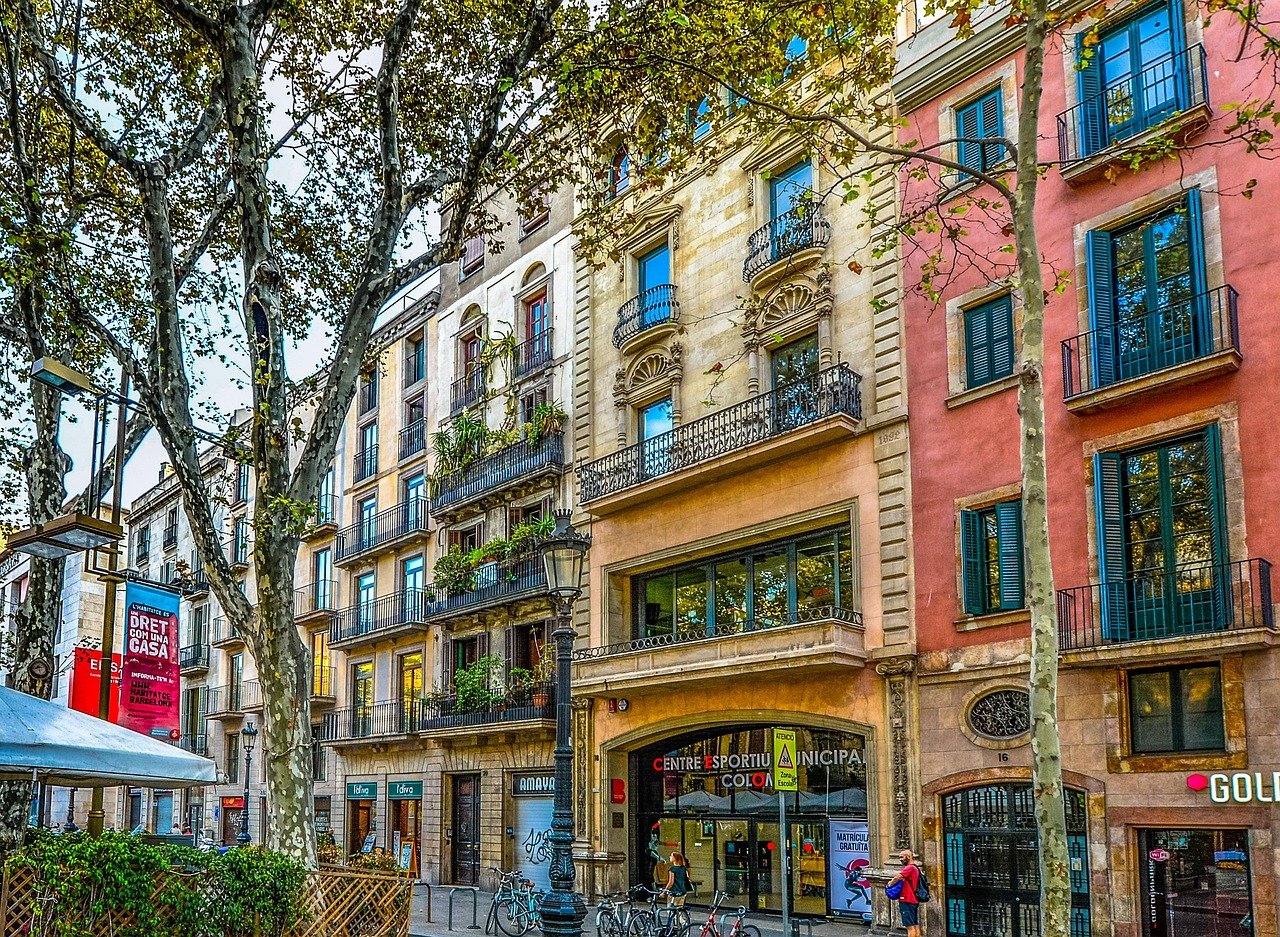
The caveat is overtourism. Barcelona is Spain’s most crowded visitor city, and the center can feel like a theme park in July and August. What actually works: stay in a residential neighborhood like Gràcia or Poble-sec, visit the Gothic quarter early in the morning, and book Gaudí sites online with timed entry. If you’re mapping a broader coastal plan, it’s worth comparing notes with a guide to the best islands to visit for beach time beyond the city.
Seville: Andalusia at Full Volume
Seville is the city people fall hardest for. The Alcázar, the Cathedral with its Giralda tower, and the Archivo de Indias were inscribed by UNESCO in 1987. The cathedral ranks among the largest churches in the world, and the Alcázar’s gardens are the kind of place where a two-hour visit turns into four.
Seville’s Semana Santa and April Feria are both officially declared of International Tourist Interest, which means prices spike and streets fill accordingly. If you want the city without the crush, aim for late March or October. Summer is brutal; temperatures in July and August routinely make midday sightseeing miserable, so locals shift their lives to morning and evening. Follow their lead.
Granada: The Alhambra and the Art of Booking Ahead
Granada’s headline act is the Alhambra and Generalife, inscribed by UNESCO in 1984. The Nasrid Palaces use timed tickets, capacity is limited, and tickets commonly sell out in peak season. This is the single most important booking on any Andalusia itinerary.
The mistake almost everyone makes is assuming they’ll “sort it out when they arrive.” They won’t. Book as soon as your dates are fixed, ideally weeks or months out. If official tickets are gone, be wary of unofficial resellers and package markups. Beyond the palace, Granada’s free tapas culture is a genuine pleasure: order a drink and food often comes with it, which makes a cheap evening out very achievable.
Córdoba: A Compact City With Two UNESCO Claims
Córdoba punches well above its size. The Historic Centre was inscribed by UNESCO in 1994, and the Mezquita-Catedral is the defining monument, a forest of arches that started life as a mosque and became a cathedral. The city’s patios festival joined UNESCO’s Intangible Cultural Heritage list in 2012, and the flower-filled courtyards are worth planning around if you’re there in spring.
Córdoba works beautifully as a day trip from Seville, roughly 45 minutes by high-speed train, but staying overnight reveals a quieter city after the tour groups leave. It’s also a natural stop if you’re building a longer southern loop; travelers planning shoulder-season routes often cross-reference ideas from a list of the best places to visit in spring to time the courtyards and mild weather.
Valencia: Modern Architecture and a Festival With Fire
Valencia blends a historic core with one of Europe’s boldest modern complexes. The City of Arts and Sciences, designed by Santiago Calatrava and Félix Candela, opened in phases from 1998, starting with the Hemisfèric. The complex sits in a dried riverbed turned park, and it’s a superb place to walk or cycle.
The city’s Las Fallas festival was inscribed on UNESCO’s Intangible Cultural Heritage list in 2016. It’s spectacular and loud, with enormous satirical sculptures burned in the streets. Book accommodation far ahead if you’re going, and expect to pay peak prices.
San Sebastián: The Food Capital of the North
San Sebastián, or Donostia, is widely cited for having one of the highest concentrations of Michelin-starred restaurants per capita in the world, and the Basque Culinary Center, founded in 2011 with Mondragon University, is based there. Treat the per-capita ranking as a soft claim, since rankings shift by year and method, but the food culture is undeniable.
Practically, this is a city for pintxos crawls rather than one grand reservation. Bars display plates on the counter; you point, pay, and move on. The beach at La Concha is one of Europe’s finest, and the cooler northern climate makes summer far more comfortable than Andalusia.
Bilbao: The Museum That Changed a City
Bilbao’s Guggenheim Museum, designed by Frank Gehry, opened in 1997 and became the standard example of the “Bilbao effect,” where a single landmark museum is credited with urban regeneration. That causal story is debated in urban-studies circles, so treat it as a contested interpretation rather than settled fact. Either way, the building is remarkable, and the city’s food scene and riverside walks justify more than a quick photo stop.
Santiago de Compostela and Toledo: Two Very Different Add-Ons
Santiago de Compostela‘s old town was inscribed by UNESCO in 1985, and the Routes of Santiago de Compostela followed in 1993, extended in 2015. The Camino remains an active pilgrimage, and the Pilgrim’s Office publishes arrival statistics annually. Even non-walkers feel the atmosphere in the cathedral square.
Toledo‘s historic city was inscribed by UNESCO in 1986. It sits roughly 70 to 80 minutes by train from Madrid, which makes it a classic day trip rather than a base. Go early, since the town fills by mid-morning.
Quick Comparison: Which City Fits Your Trip?
| City | Best for | Ideal stay | Watch out for |
|---|---|---|---|
| Madrid | Art museums, nightlife | 2–3 days | Skipping it entirely |
| Barcelona | Architecture, beaches | 3 days | Summer crowds |
| Seville | Moorish sites, festivals | 2–3 days | July heat |
| Granada | The Alhambra | 2 days | Sold-out tickets |
| Córdoba | Compact history | 1–2 days | Day-trip-only regret |
| Valencia | Modern design, Fallas | 2 days | Festival pricing |
| San Sebastián | Food, beaches | 2 days | Expensive hotels |
| Bilbao | Architecture, culture | 1–2 days | Rushed visits |
Practical Tips That Actually Work
Book the Alhambra and Sagrada Família first, then build the rest of the trip around those dates. Use the high-speed rail network for Madrid, Seville, Córdoba, and Valencia; it’s faster than flying once you count airport time. Eat lunch as the main meal, since menú del día deals are excellent value. Carry cash for small bars. And if you’re traveling in winter, southern cities stay mild while the north turns cold and wet, so check a guide to warm places to visit in December before committing to a northern route.
One more thing worth knowing: many travelers plan around seasonal events and end up comparing shoulder-season options. If your dates land in late November or December, browsing places to visit in December can help you match city choice to weather rather than guesswork.
Conclusion
The best cities to visit in Spain depend on what you want the trip to feel like. Madrid for art and late nights, Barcelona for architecture and sea air, Seville and Granada for the south at its most dramatic, Valencia for modern design, and San Sebastián for the best eating in the country. Pick two or three, book the big monuments early, and leave room for the unplanned afternoon that turns out to be the highlight. Spain rewards travelers who slow down, and it punishes those who sprint.
Frequently Asked Questions
What is the best city to visit in Spain for a first trip?
Madrid and Barcelona are the easiest starting points because both have major airports, strong rail links, and enough sights for several days. Travelers who want the classic southern image of Spain often prefer Seville instead, though it requires a domestic connection.
How many days should I spend in each Spanish city?
Two full days is a realistic minimum for Madrid, Barcelona, Seville, and Granada. Smaller cities like Córdoba, Toledo, and Bilbao work well in one to two days. Trying to cover more than three cities in a week usually means spending too much time in transit.
Do I need to book Alhambra tickets in advance?
Yes. The Alhambra uses timed entry with limited capacity, and the Nasrid Palaces commonly sell out in peak season. Book as soon as your dates are confirmed, ideally weeks or months ahead, and avoid unofficial resellers charging heavy markups.
When is the best time to visit Spain’s cities?
Spring and autumn offer the best balance of weather and crowds. April and May are excellent in Andalusia, while September and October stay warm without the summer crush. July and August are very hot in the south and extremely busy in Barcelona.
Is San Sebastián worth visiting for the food alone?
For many travelers, yes. The city has an unusually dense concentration of Michelin-starred restaurants and a strong pintxos culture, and the Basque Culinary Center is based there. Budget accordingly, since accommodation and fine dining run high.
Which Spanish cities are easiest to combine by train?
Madrid, Seville, Córdoba, and Valencia connect well by high-speed rail, and Toledo is a short hop from Madrid. Barcelona links to Madrid and Valencia on the same network. The northern cities, including San Sebastián and Bilbao, are better reached on a separate northern itinerary.














