

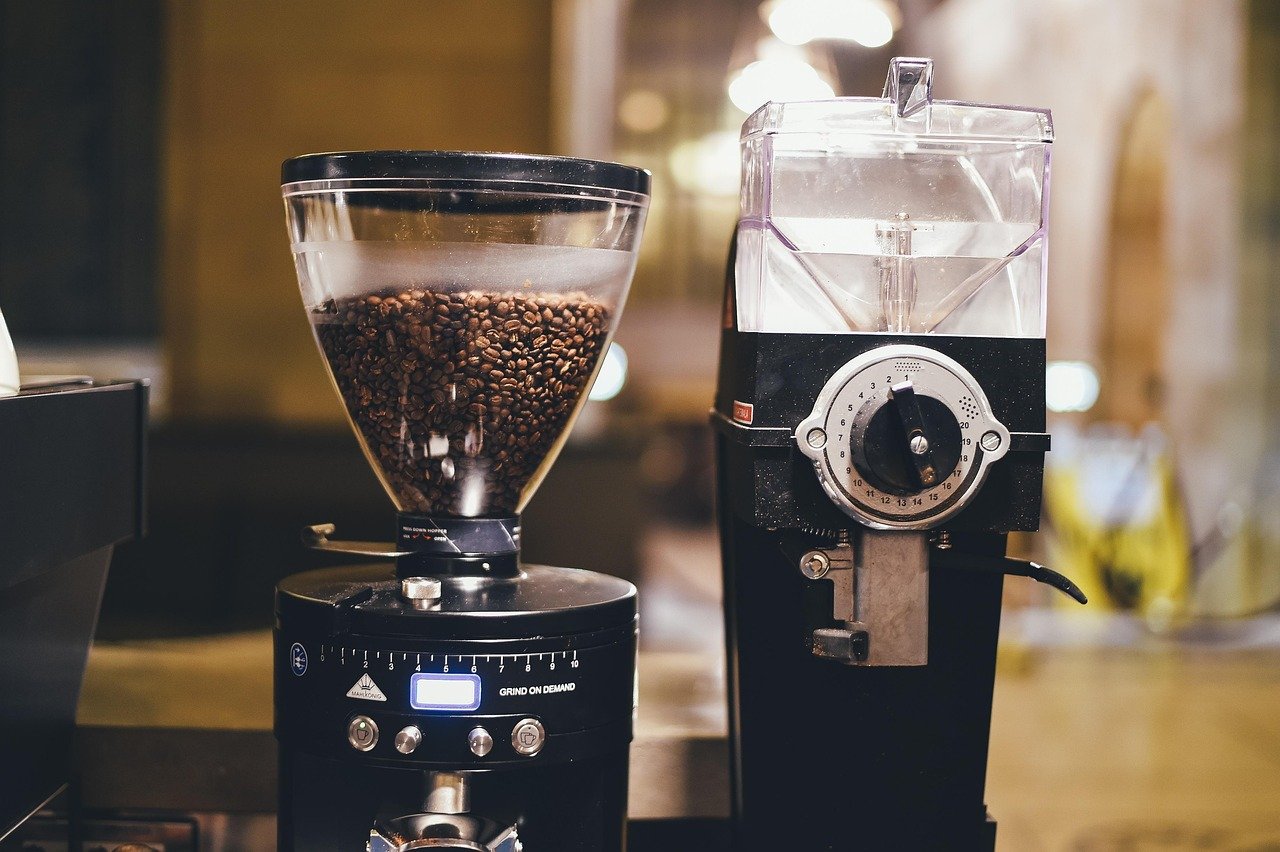
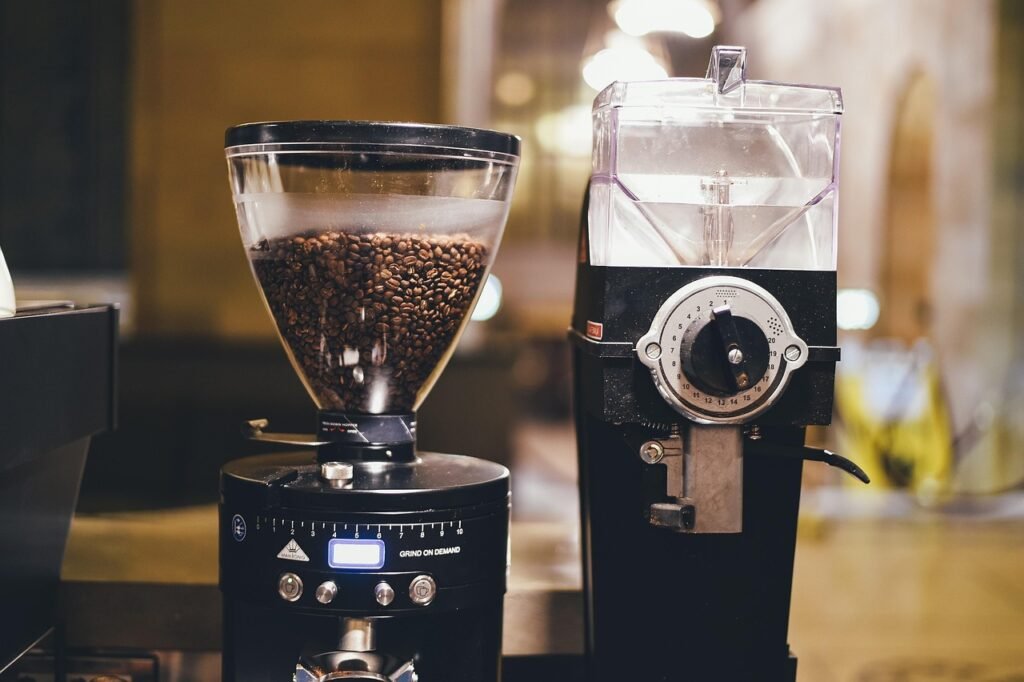
What if the best cup of coffee you drink all week never comes from a café at all? That’s not a fantasy. With the right beans, a decent grinder, and a method that fits your morning, home coffee can rival what a barista hands you over the counter. The catch is that “best” means different things depending on whether you want speed, body, clarity, or low effort. This guide breaks down the real options, the numbers that matter, and the mistakes that quietly ruin most home brews.
The One Rule That Improves Every Method
Before comparing gear, understand the single variable that matters most: the coffee-to-water ratio. The Specialty Coffee Association’s widely cited guidance lands at roughly 1:15 to 1:18 by weight, or about 55 to 60 grams of coffee per liter of water. That’s a starting point, not scripture. Roaster guides and trade bodies often publish slightly different numbers, and taste is the final judge.
What most beginners get wrong is measuring with a scoop. A tablespoon of fine grounds and a tablespoon of coarse grounds weigh different amounts, so the same scoop produces wildly different strength from one bag to the next. A cheap digital scale fixes this for good. Weigh the beans, weigh the water, and repeatability arrives instantly.
Water temperature is the second lever. The long-standing standard sits at 92–96 °C (198–205 °F). Boiling water straight off the kettle scorches delicate flavors; lukewarm water under-extracts and tastes sour and hollow. If you don’t own a variable-temperature kettle, let a boiled kettle rest for about 30 to 45 seconds before pouring.
Matching the Grind to the Method

Grind size is where most home setups fall apart, because pre-ground coffee locks you into one setting. Here’s how the major methods line up.
| Method | Grind | Brew Time | Body | Best For |
|---|---|---|---|---|
| French press | Coarse | 4 minutes | Heavy, oily | Lazy mornings, bold palates |
| Pour-over (V60, Chemex) | Medium-fine | 2.5–4 minutes | Light, clean | Flavor clarity, single origins |
| Drip machine | Medium | 5–8 minutes | Balanced | Hands-off daily volume |
| Espresso | Fine | 25–30 seconds | Concentrated | Milk drinks, intensity |
| Cold brew | Coarse | 12–24 hours | Smooth, low acid | Summer, sensitive stomachs |
| Moka pot | Fine-medium | 3–5 minutes | Strong, syrupy | Stovetop traditionalists |
A burr grinder beats a blade grinder every time. Blade grinders chop unevenly, leaving dust and boulders in the same dose, which means part of the bed over-extracts while the rest under-extracts. You taste both at once, and it reads as muddy.
French Press: The Most Forgiving Start
The French press is the friendliest entry point for anyone asking what the best coffee to make at home actually is. Full immersion means you don’t need pouring technique. Coarse grounds, hot water, four minutes, plunge.
The trade-off is texture. Metal mesh filters let fine particles through, so the cup carries sediment and a heavier body than paper-filtered coffee. Some people love that; others find it gritty. There’s also a health angle worth knowing: unfiltered coffee contains cafestol and kahweol, naturally occurring compounds that can raise LDL cholesterol. Paper filters remove most of them. If cholesterol is a concern, a paper-filtered method is the smarter daily default, and the French press becomes an occasional treat.
Common mistake: plunging too fast and too hard, which stirs up the sediment bed. Press slowly, and stop before the plunge bottoms out.
Pour-Over: Where Flavor Gets Clear
Pour-over rewards attention. A medium-fine grind, a paper filter, and a steady spiral pour produce a cup with bright acidity and clean separation between flavors. Single-origin beans shine here because nothing muddies the picture.
The learning curve is real. Uneven pouring creates channeling, where water punches through one spot instead of saturating the whole bed. The fix is simple: bloom the grounds with a small splash of hot water, wait 30 seconds for trapped gas to escape, then pour in slow circles. If you want to understand how small daily habits shape a home, the same patience applies to coffee ground medium use spent grounds growing plants — spent grounds are a genuinely useful byproduct rather than waste.
Common mistake: grinding too fine to chase strength. It stalls the drawdown, and the cup turns bitter and astringent.
Drip Machines: Better Than Their Reputation
The humble drip machine gets dismissed by coffee purists, often unfairly. A good drip brewer with a showerhead spreader and a thermal carafe produces consistent, balanced coffee with zero technique. For households brewing several cups before work, nothing else competes on effort.
Look for temperature stability and a gold-tone or paper filter. Cheap machines run cool, which leaves coffee sour. If your model has a hot plate, switch it off once brewing finishes, because sustained heat scalds the pot within twenty minutes.
Espresso at Home: Honest Expectations
Home espresso is the most expensive path and the least forgiving. Entry-level machines often struggle with pressure stability and temperature control, so shots vary from one pull to the next even with identical inputs. Dialing in requires a quality burr grinder, fresh beans, and patience.
That said, a well-set-up home espresso routine is deeply satisfying, and it pairs naturally with a dedicated corner of the house. If you’re building that space, treat it like any other room upgrade and plan it against your overall home renovation budget so the counter, plumbing, and electrical work don’t spiral. Some homeowners extend the idea further, folding a café corner into a larger home expansion project.
Common mistake: buying the machine before the grinder. The grinder determines shot quality more than the machine does.
Cold Brew: Low Acid, Low Effort
Cold brew steeps coarse grounds in cold water for roughly 12 to 24 hours. The result is smooth, chocolatey, and typically lower in acidity than hot-brewed coffee, which makes it a popular choice for people with sensitive stomachs. It’s also nearly impossible to ruin: combine grounds and water, wait, strain.
Concentrate ratios run stronger than hot brewing, often around 1:5 to 1:8, then get diluted with water or milk over ice. Make a batch on Sunday and the week’s mornings take care of themselves.
Freshness, Roast, and the Caffeine Myth
Whole beans ground just before brewing retain noticeably more aroma than pre-ground coffee, which stales within days of opening. For filter brewing, coffee is generally at its best within weeks of the roast date. Bags with a roast date beat bags with only a best-before date, every time.
One persistent myth deserves retiring: darker roasts do not reliably contain less caffeine by bean weight. Caffeine levels depend on the dose, the bean variety, and brew strength more than roast color. A dark roast scooped generously can easily out-caffeine a light roast.
Decaf drinkers have real choices too. The Swiss Water process uses water rather than chemical solvents to remove caffeine, while solvent-based methods rely on compounds like CO₂ or methylene chloride. Neither is unsafe when properly processed, but the water-based route appeals to people who prefer minimal chemical contact.
How to Choose Your Method Without Overthinking It
Skip the gear rabbit hole and answer three questions instead.
- How much time do you have? Under two minutes points to drip or cold brew concentrate. Five minutes of hands-on attention opens up pour-over and French press.
- What do you drink? Milk drinks and shots favor espresso. Black coffee drinkers usually get more from pour-over or drip.
- How many cups? One or two suits a single-cup pour-over. Four or more favors a batch brewer.
If fitness is part of your morning ritual and you’re outfitting a dedicated space, the same logic of matching equipment to routine applies to a luxury home gym — buy for the habit you actually have, not the one you imagine. And if you follow guided sessions on a screen while the kettle heats, it helps to find best youtube home workouts that actually fit your life rather than forcing a schedule that never sticks.
Small Details That Punch Above Their Weight
A few low-cost upgrades deliver outsized returns:
- Rinse the paper filter with hot water before brewing. It removes papery taste and preheats the vessel.
- Store beans in an airtight container away from light and heat. The fridge adds moisture; the freezer only helps for long-term storage of unopened bags.
- Clean your equipment weekly. Oils build up in carafes and press screens and turn rancid, which flattens every subsequent cup.
- Grind just before brewing. Thirty seconds of grinding protects flavors that pre-ground coffee loses in days.
- Keep a brewing log. Note the ratio, grind, and time for cups you love. Memory is unreliable; notes are not.
There’s an aesthetic layer too. A calm, well-organized brewing corner makes the ritual pleasurable, and small touches matter more than people admit — the same principle behind choosing luxury home scents to shape how a room feels. If you ever sell a home with a beautifully outfitted kitchen, the presentation logic overlaps with luxury home marketing, where lifestyle details help high-end buyers picture themselves in the space. Professionals who study that craft sometimes look to the Luxury Home Marketing Institute: learn about the institute for formal training.
Conclusion
The best coffee to make at home isn’t a single product or a viral gadget. It’s the method that matches your morning reality. A French press delivers bold, forgiving cups with almost no technique. Pour-over rewards five minutes of focus with remarkable clarity. A decent drip machine wins on volume and consistency. Cold brew removes acid and effort in one overnight step. Espresso demands investment and delivers intensity in return.
Start with one method, one bag of freshly roasted whole beans, a burr grinder, and a scale. Nail the ratio and the grind, and you’ll out-brew plenty of cafés before you’ve spent much at all. Everything else is refinement.
Frequently Asked Questions
What is the best coffee to make at home for beginners?
A French press or a drip machine is the most forgiving starting point. Both tolerate minor grind inconsistencies, require little technique, and produce drinkable coffee on the first attempt. Add a burr grinder and a digital scale, and quality jumps immediately.
Does darker roast coffee have less caffeine?
Not reliably. Caffeine content depends mainly on the dose, the bean variety, and how strongly you brew. By bean weight, dark and light roasts sit in a similar range, so a generously scooped dark roast can contain more caffeine than a light one.
Is French press coffee less healthy than filtered coffee?
It contains more of two compounds, cafestol and kahweol, which can raise LDL cholesterol. Paper filters capture most of them. French press remains fine for most people, but anyone watching cholesterol may prefer a paper-filtered method for daily drinking.
How long should cold brew steep?
Roughly 12 to 24 hours at room temperature or in the fridge. Shorter steeps taste lighter and more tea-like; longer ones turn chocolatey and intense. Strain the grounds afterward and store the concentrate for up to a week.
Do I really need a burr grinder?
It’s the highest-impact purchase in home brewing. Burr grinders produce uniform particles, so the whole coffee bed extracts at the same rate. Blade grinders create dust and chunks, which taste simultaneously bitter and sour.
Why does my home coffee taste bitter or sour?
Bitter usually means over-extraction: the grind is too fine, the water too hot, or the brew ran too long. Sour points to under-extraction: too coarse, too cool, or too fast. Adjust one variable at a time, starting with the grind.














