


What if the best concealer isn’t the one with the biggest ad budget, but the one that matches your skin, your coverage needs, and the way you actually apply makeup? That question matters more than it sounds. Walk into any beauty store and you’ll face dozens of tubes, pots, and sticks, each promising to erase dark circles, hide blemishes, and look invisible. Most of them won’t do all three for you. Some won’t do any of them well.
The truth is that “best” is not a regulated word in cosmetics. No standard defines it, and no official body certifies a winner. Rankings come from editors, consumer testers, and dermatologists with different priorities, and they change with every product launch. So instead of handing over a list of names that may not suit your face, this guide explains what separates a genuinely good concealer from a disappointing one, and how to judge any product before you buy it.
Why “Best Concealer” Depends on What You’re Hiding
Concealer is a cosmetic used to mask dark circles, blemishes, redness, and uneven tone. It is typically more opaque than foundation and applied in smaller amounts. That single fact explains most of the confusion in the category. A product built to cover a cystic pimple needs high pigment and a dry, grippy texture. A product built for thin under-eye skin needs flexibility and a bit of slip so it doesn’t crease.
Trying to make one product do both jobs is the most common mistake people make. The result is usually a concealer that looks heavy under the eyes or slides off a blemish by lunchtime. The fix is simple: decide what you need covered most often, then choose a formula designed for that area. Many makeup artists keep two concealers on hand for exactly this reason, one fluid for the eye area and one firmer for spots.
There’s a second layer to this. Skin type matters as much as the target area. Oily skin breaks down creamy formulas faster, while dry skin can make matte concealers look patchy and tight. Age plays a role too, since under-eye skin thins over time and shows texture more readily. A concealer that earns rave reviews from a 22-year-old with oily skin may be the wrong choice for a 45-year-old with dry skin, even if both are technically using the “best” product on the shelf.
The Four Formats and What Each One Does Well
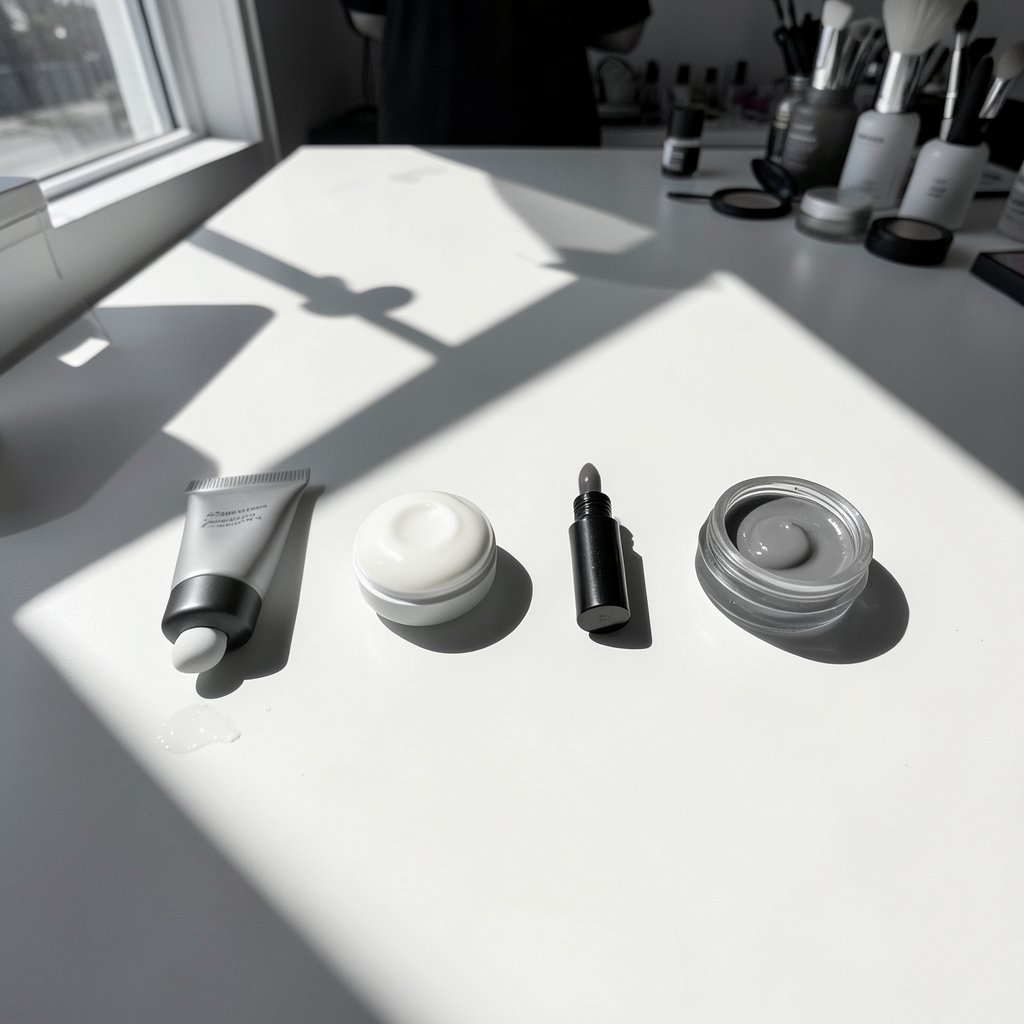
Concealers generally come in four formats: liquid, cream, stick, and pot. Each has a natural home. Liquid and cream formulas are usually described as better for the under-eye area because they blend easily and feel lighter. Sticks tend to work well for spot coverage because they deposit more pigment exactly where you place them.
| Format | Best for | Watch out for |
|---|---|---|
| Liquid (doe-foot wand) | Under-eye circles, light coverage, layering | Can settle into fine lines if too thin |
| Cream (tube or squeeze) | Dry skin, medium coverage, blending | Can slide on oily skin without powder |
| Stick | Blemishes, redness, quick touch-ups | Can look dry or cakey if dragged |
| Pot (thick balm) | High coverage spots, professional-style application | Requires warming and a precise brush |
The format tells you more about performance than the price tag does. A budget liquid can outperform a luxury stick under the eyes, and a mid-priced pot can beat both on a stubborn blemish. When you’re comparing options, start with the format that matches your main concern, then narrow down by shade and finish.
Shade Matching: Where Most People Get It Wrong
Concealers are sold in shade ranges keyed to skin tone, and many lines also offer corrective shades alongside skin-tone shades. Green neutralizes redness, while peach or orange tones help cancel the blue-purple cast of dark circles. These color-correcting steps are optional, but they can reduce how much concealer you need, which in turn makes the finish look lighter and more natural.
The most frequent shade mistake is going too light. A concealer two or three shades brighter than your skin can create a visible bright patch under the eye, especially in daylight or flash photography. A better rule is to match the concealer to your skin tone and use a corrector underneath if you need extra canceling power. If you do want a brightening effect, keep it to one shade lighter at most.
Undertone matters as much as depth. Cool, neutral, and warm undertones behave differently once applied, and a shade that looks right on your hand can look gray or orange on your face. Test on the jawline or under the eye, not the wrist, and check it in natural light before committing. This is one area where in-store testing genuinely beats online shopping, even if you end up buying later.
Ingredients, Safety, and What the Labels Really Mean
In the United States, cosmetics including concealers are regulated under the Federal Food, Drug, and Cosmetic Act, and color additives must be approved for their specific use. In the EU, cosmetics fall under Regulation (EC) No 1223/2009, which requires a safety report and a product information file before a product can be sold. These frameworks are why ingredient lists on reputable concealers are long and specific rather than vague.
For anyone with sensitive skin, patch testing is worth the extra day. Cosmetic products can cause contact dermatitis, and dermatology guidance generally recommends testing a new product on a small area first, especially for people prone to reactions. Apply a small amount behind the ear or on the inner forearm, leave it for 24 to 48 hours, and watch for redness or itching. It’s a boring step that saves a lot of discomfort.
One more label to read carefully is SPF. Some concealers carry a sun protection claim, but whether the labeled SPF is actually achieved at typical application amounts is debated. Most people use far less concealer than a sunscreen test uses, so a concealer is not a reliable substitute for dedicated sun protection. Treat any SPF number on the tube as a bonus, not a plan.
How to Judge a Concealer Before You Buy It
You can evaluate almost any concealer in a store in under two minutes. The trick is to test the way you’ll actually wear it, not the way a display counter is designed to show it off.
- Test on the right spot. Swipe under the eye for an under-eye product, or on the jaw for a spot product. Hands and wrists have different texture and tone.
- Check it in daylight. Step toward a window or outside. Store lighting flatters almost everything.
- Wait two minutes. Let the product settle. Concealers often change finish as they dry, and a formula that looks dewy at first can turn flat or creasy.
- Press, don’t drag. Pat the product with a fingertip or a small brush. Dragging pushes pigment into lines and lifts the product off the skin.
- Set only where you need to. Powder the under-eye lightly if it creases, and powder blemishes if they’re oily. Powdering everything can make skin look dull.
If you’re layering concealer with other products, order matters. Many people apply concealer before blush or bronzer so the face keeps dimension afterward; the balance between the two is a common sticking point, and there’s a practical way to get concealer and blush to actually work together without one canceling the other out. Getting that order right often does more for a finished look than switching brands.
Common Mistakes That Make Good Concealer Look Bad
Most complaints about concealer trace back to application, not the product. These are the repeat offenders.
Using too much. Concealer is more opaque than foundation, so a tiny amount goes a long way. Start with a dot, blend, and add more only if you can still see the concern. Layering thin coats always beats one thick swipe.
Blending with a dry sponge. A damp sponge or clean fingertip presses product into the skin. A dry sponge absorbs it and leaves streaks.
Skipping eye cream. Under-eye skin is thin and shows dryness quickly. A light eye cream a few minutes before concealer makes almost any formula behave better.
Powdering immediately. Give liquid and cream formulas a moment to settle before setting them, or the powder grabs wet product and turns cakey.
Expecting full coverage from a sheer formula. If you can see the blemish through two layers, the product is the wrong coverage level, not a bad product. Move up rather than piling on.
If you’ve tried several concealers and none seem to sit right on your skin, the problem may be the match between formula and skin type rather than the brand. It’s worth reading up on which good brands of concealer actually work on real skin and why, because marketing claims and real-world performance diverge more in this category than in almost any other.
What Testing and Reviews Can and Can’t Tell You
Consumer reviews and “best of” lists rarely disclose sample sizes or testing protocols. That doesn’t make them useless, but it does mean rankings should be read as opinion rather than measurement. A product rated number one by a beauty publication may have been tested by a handful of editors with similar skin types. A product with thousands of five-star reviews may simply have reached a large audience with one skin profile.
The practical approach is to use reviews as a filter, not a verdict. Look for reviewers who describe your skin type, your main concern, and your climate. Someone in a humid city will have a very different experience with a creamy formula than someone in a dry one. And pay attention to complaints as much as praise, since patterns in negative reviews (creasing, oxidizing, clinging to dry patches) tend to repeat across users.
There’s also a psychological trap worth naming. People often assume a higher price means better performance, and the beauty industry is happy to encourage that. In practice, price correlates loosely with pigment quality and packaging, not reliably with how a product wears on your face. Some of the most consistent performers sit in the middle of the price range, and some premium tubes crease exactly like budget ones.
Building a Small, Reliable Concealer Routine
A workable routine doesn’t need many products. Start with clean, moisturized skin. Apply a corrector under the eye only if you have strong discoloration. Dot concealer where you need it, press it in with a fingertip or damp sponge, and set only the areas that crease or shine. Finish with the rest of your makeup in an order that keeps dimension in the face.
If you wear concealer alone on low-makeup days, blend the edges well past the area you covered so there’s no visible boundary. If you wear it under foundation, use less concealer than you think you need, since foundation adds its own coverage. And if a product stops working for you partway through the tube, check whether your skin has changed with the season before blaming the formula. Skin shifts, and so should your choice.
There’s a broader lesson here about expectations. Rankings and hype create the sense that one product will solve everything, and when it doesn’t, people assume they chose wrong. In reality, concealer is a tool with a narrow job. The goal is a product that covers what you want covered, matches your skin, and disappears into your face. That’s a much more useful standard than any list, and it’s one you can apply to every tube you pick up. The same principle applies well beyond makeup, as anyone who has watched a favorite team slide from dominance knows: failure hits harder when you were once a continent’s best, and the same is true of a product that used to work perfectly and suddenly doesn’t.
Conclusion
The best concealer is not a single product. It’s the one whose format matches your main concern, whose shade matches your skin in daylight, and whose finish holds up through your actual day. Judge any tube by those three standards, test before you buy, and keep your application light. That approach will serve you better than any ranking, because it accounts for the one variable no list can capture: your face.
Frequently Asked Questions
What is the best concealer for dark circles?
Liquid and cream formulas tend to work best under the eyes because they blend easily and feel lighter on thin skin. A peach or orange corrector underneath can cancel the blue-purple cast, which often means you need less concealer overall. Look for a shade that matches your skin tone rather than one several shades lighter.
Should concealer be lighter than foundation?
Usually not. A concealer two or three shades lighter can create a visible bright patch, especially in daylight. Matching your skin tone and using a corrector for extra canceling power gives a more natural result. If you want a brightening effect, stay within one shade.
How do I stop concealer from creasing under my eyes?
Use less product, press it in rather than dragging, and set only the areas that actually crease with a light dusting of powder. A hydrating eye cream applied a few minutes beforehand also helps, since dry skin makes creasing more visible. Give liquid formulas a moment to settle before powdering.
Is expensive concealer better than drugstore concealer?
Not reliably. Price correlates loosely with pigment quality and packaging, but not consistently with how a product wears. Format, shade match, and skin type matter far more than the price tag. Some mid-priced and budget concealers perform as well as premium ones.
Can concealer with SPF replace sunscreen?
No. Whether the labeled SPF is achieved at typical application amounts is debated, and most people use far less concealer than a sunscreen test requires. Treat SPF in concealer as a small bonus and keep a dedicated sunscreen in your routine.
How do I patch test a new concealer?
Apply a small amount behind the ear or on the inner forearm and leave it for 24 to 48 hours. Watch for redness, itching, or swelling. Cosmetic products can cause contact dermatitis, so testing first is especially worthwhile if you have sensitive skin.














