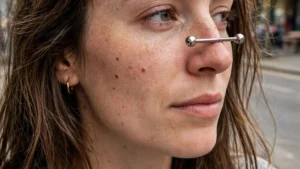
Best Copper Nose Hoops 2027
Copper has a warmth that no other nose-hoop metal quite matches. It is softer in tone than gold, richer than silver, and it picks up a gentle glow in daylight that makes a small hoop look far more interesting than its size suggests. That is why copper nose hoops keep appearing in jewellery boxes that otherwise hold only gold and silver. They feel earthy and a little bit bohemian, but they can also look polished and deliberate when the finish is right.
The problem is that copper is also the least forgiving metal in a nose hoop. It tarnishes faster than gold or silver, it can stain skin green if the finish wears thin, and it is not suitable for every piercing. A hoop that looks beautiful in a product photo can turn dull within weeks if the metal is uncoated and the care is wrong. Choosing well means looking past the colour and checking the finish, the gauge, the closure, and whether the maker has actually thought about how copper behaves against skin.
Below are nine copper nose hoops worth considering in 2027, from a classic polished circle to a filigree piece that reads more like jewellery than hardware. Each one is described by what it does well, what to watch for, and who it suits best, so you can choose with your piercing in mind, not just the colour.
Key takeaways
- Copper nose hoops stand out for their warm, earthy tone, which flatters warm and neutral skin tones and pairs well with gold and brown-toned jewellery.
- Look for a sealed or lacquered finish and a smooth, snag-free closure, because bare copper tarnishes quickly and can mark the skin.
- Gauge matters more than diameter for comfort: 20 gauge suits most healed nostril piercings, while 18 gauge feels sturdier and suits a bolder look.
- Copper is best for fully healed piercings, not fresh ones, and it should be removed before swimming, showering in hard water, or heavy sweating.
- No copper hoop stays bright forever, and a hoop that turns your skin green is a sign the protective finish has worn away and the piece needs replacing.
What copper nose hoops actually are
A copper nose hoop is a circular ring, usually worn through a nostril piercing, made from copper or a copper-toned alloy. Most are seamless rings, hinged segment rings, or captive bead rings, and they sit in the same range of sizes as any other nose hoop, typically 6 to 10 millimetres in diameter. The difference is the metal itself. Copper is softer than steel and lighter than gold, which makes it comfortable to wear, but it also means the hoop can bend out of shape if it is handled roughly or caught on clothing.
Pure copper is rarely used on its own for nose jewellery, because it is very soft and oxidises quickly. Most copper hoops are made from copper-plated brass, copper-filled wire, or a copper alloy with a clear protective coating. That coating is what keeps the colour bright and stops the metal from reacting with skin. When it wears away, the copper underneath starts to oxidise, which is when the greenish marks and the dull, darkened surface appear.
It is worth knowing the difference between a hoop and a cuff before you buy. A nose hoop goes through a piercing, while a nose cuff clips on and needs no piercing at all. If you are not pierced, a cuff is the safer way to try the copper look. If you are pierced, a hoop will sit more securely and look more natural, but it also means committing to the metal against your skin for hours at a time.
How we chose these copper nose hoops and what to look for
Look first at the finish. A good copper hoop should have an even, sealed surface with no rough spots, no visible seams at the join, and no flaking around the closure. Run a fingertip over the ring before you wear it. If it catches, it will catch on your piercing too.

Look next at the gauge and the diameter. A 20-gauge hoop, about 0.8 millimetres thick, is the standard for a healed nostril piercing and feels light enough to forget. An 18-gauge hoop, about 1 millimetre thick, looks bolder and holds its shape better, but it can feel heavy in a small piercing. Diameter is a matter of taste and anatomy. A 6 or 7-millimetre hoop hugs the nostril closely, while an 8 or 10-millimetre hoop hangs a little lower and reads more decorative. If you are unsure, a mid-size hoop is the safest first buy.
Finally, look at the closure. A hinged segment ring clicks shut and stays put, which makes it the easiest to live with day to day. A seamless ring looks cleaner but can be fiddly to open and close, and a poorly closed seam will snag. A captive bead ring holds its shape well, but the bead can be small and easy to lose. Our guide to the best nose hoops for women explains how these closures compare across metals, and the same logic applies here: the closure decides whether a hoop is a pleasure to wear or a small daily annoyance.
The 9 best copper nose hoops of 2027
The Classic Polished Copper Hoop
What we like: A simple, high-shine circle with a clean finish and no decoration, which lets the copper colour do all the work. What to consider: The shine fades fastest on a plain polished hoop, so it needs regular gentle cleaning. Best for: Everyday wear and a first copper hoop. Material: Lacquered copper over a brass core. Price range: Low to mid. Standout feature: A mirror polish that catches the light.
This is the hoop to buy if you want to find out whether copper suits you before spending more. It is plain enough to wear with anything, and the polished surface makes the warm tone obvious. Keep a soft cloth nearby, because a quick wipe after wearing keeps it bright far longer than leaving it in a jewellery box untouched.
The Hammered Copper Nose Hoop
What we like: A hand-hammered texture that breaks up the light and hides small scratches and tarnish far better than a polished surface. What to consider: The texture can feel slightly rougher when the hoop is first inserted, so check the join is smooth. Best for: A rustic, handmade look and forgiving daily wear. Material: Hammered copper with a clear protective coat. Price range: Mid. Standout feature: A dimpled surface that stays looking good as it ages.
The Copper Beaded Nose Hoop
What we like: Small copper beads set along the lower curve of the hoop, adding detail without making the piece heavy. What to consider: The beads can trap moisture after washing your face, so dry the hoop carefully. Best for: Dressing up a simple outfit and evening wear. Material: Copper beads on a copper wire hoop. Price range: Mid. Standout feature: Beading that catches the light when you move.
The Copper and Turquoise Accent Hoop
What we like: A small turquoise stone set into the hoop, which plays beautifully against the warm copper and gives the piece a southwestern feel. What to consider: Turquoise is soft and porous, so keep it away from perfume, sunscreen and harsh cleaners. Best for: A statement hoop with a pop of colour. Material: Copper with a turquoise cabochon. Price range: Mid to high. Standout feature: A blue-green stone that contrasts with the copper.
Copper and turquoise is a classic pairing for a reason. The cool blue of the stone makes the warm metal look richer, and the combination suits warm skin tones especially well. Treat the stone gently and this hoop will stay striking for a long time.
The Adjustable Copper Open Hoop
What we like: An open-ended design with a small gap, which makes it easy to put on and take off without tools. What to consider: The open ends can catch on fabric, so it suits careful, occasional wear better than rough daily use. Best for: Trying the copper look without committing to a fixed closure. Material: Copper wire with rounded ends. Price range: Low. Standout feature: A flexible fit that suits different nostril thicknesses.
The Copper Spiral Nose Hoop
What we like: A spiral design that wraps twice around the nostril, giving a layered look from a single piece. What to consider: The spiral can be tricky to insert the first few times, so take it slowly and use clean hands. Best for: A bolder, more artistic nose look. Material: Coiled copper wire with a sealed finish. Price range: Mid. Standout feature: A double-wrap shape that looks like two hoops.
The Copper Filigree Nose Hoop
What we like: Fine, lace-like copperwork along the front of the hoop, which looks delicate and detailed up close. What to consider: Filigree is delicate by nature, so store it flat and keep it away from other jewellery that could bend it. Best for: Weddings, festivals and special occasions. Material: Filigree copper with a protective lacquer. Price range: High. Standout feature: Intricate openwork that reads as fine jewellery.
The Copper and Gold Two-Tone Hoop
What we like: A copper hoop with a gold-toned section, which bridges warm metals and works with both gold and copper jewellery. What to consider: The two metals can wear at different rates, so check the join regularly. Best for: Mixing metals and matching a varied jewellery collection. Material: Copper with a gold-toned plated section. Price range: Mid to high. Standout feature: A two-tone finish that pairs with almost any metal.
The Tiny Copper Nose Hoop
What we like: A small, slim hoop, around 6 millimetres, that sits close to the nostril and reads as a subtle glint of copper. What to consider: The small size makes it fiddly to handle, so it is best put in with clean, dry hands over a table. Best for: Minimal looks and workplaces with a subtle jewellery code. Material: Fine copper wire, lacquered. Price range: Low. Standout feature: A barely-there profile with a warm flash of colour.
Which copper nose hoop is right for you
Start with your piercing. A fully healed nostril piercing, at least six months old, is the right home for copper. A fresh or still-healing piercing should stick to implant-grade titanium or steel until it is settled, because copper can irritate healing tissue and slow the process. If your piercing is healed but sensitive, a coated copper hoop is safer than bare copper, and short wear at first will tell you how your skin responds.
Think next about how you will wear it. If you want one hoop for every day, the classic polished hoop or the hammered hoop are the sensible choices, because they are comfortable, easy to clean, and hard to damage. If you want something for evenings and occasions, the beaded hoop, the turquoise accent hoop, or the filigree hoop will give you more presence. If you are still deciding whether copper suits you, the adjustable open hoop is the cheapest way to try.
Finally, think about your other jewellery. Copper sits naturally beside gold, brass, brown leather and warm-toned clothing. If most of your jewellery is silver or white gold, a copper hoop can still work, but it will stand out more, which may be exactly what you want. Our comparison of gold vs silver nose hoops is a useful read here, because it shows how warm and cool metals behave on different skin tones, and copper follows the same warm-metal logic as gold.
The caveats that matter
Copper is the most high-maintenance metal in this series, and it is honest to say so. It tarnishes, it can mark skin, and it is not the right choice for every piercing. None of that makes it a bad choice. It makes it a choice that rewards a little care and a realistic expectation about how the metal ages.
| Detail | What is known |
|---|---|
| Best for | Fully healed nostril piercings; warm and neutral skin tones |
| Not for | Fresh or healing piercings, or skin that reacts to copper |
| Typical gauge | 20 gauge for most wearers; 18 gauge for a bolder look |
| Typical diameter | 6 to 10 millimetres; 7 or 8 millimetres suits most nostrils |
| Why it tarnishes | Copper oxidises in air and moisture, faster without a coating |
| Skin marking | Green marks appear when the protective finish wears away |
| Cleaning | Wipe with a soft, dry cloth; avoid harsh dips and abrasives |
| When to replace it | When the finish flakes, the colour turns dark, or skin marks persist |
If your skin turns green, do not panic. It is a surface reaction, not an infection, and it usually fades once the hoop is removed and the skin is washed. But it is a clear sign that the finish has worn through, and the hoop should be replaced or recoated rather than worn again. If the skin around your piercing becomes red, sore, or swollen, take the hoop out and let the piercing settle, then speak to your piercer before trying copper again.
Checklist: buying a copper nose hoop honestly
Use these checks before you buy, and again after a week of wear.
- Check the finish: even, sealed, no flaking or rough spots at the join or closure.
- Check the gauge and diameter: 20 gauge and 7 to 8 millimetres suits most healed nostrils.
- Check the closure: hinged segment rings are easiest; seamless rings should close without a gap.
- Check your piercing: only wear copper in a fully healed piercing, never a fresh one.
- Check your skin after a day: no green marks, no redness, no soreness means the finish is holding.
- Check the care: wipe after wear, store dry, and keep it away from perfume and pool water.
Frequently asked questions
Does copper turn your nose green?
It can, when the protective coating wears away and bare copper sits against skin for hours. A well-coated hoop should not mark your skin. If green marks appear, remove the hoop, wash the area gently, and replace the piece, because the finish has failed.
Can I wear a copper nose hoop in a new piercing?
No. A new piercing should heal with implant-grade titanium or steel. Copper can irritate healing tissue and slow healing. Wait until the piercing is fully healed, usually at least six months, before trying copper.
How do I clean a copper nose hoop?
Wipe it with a soft, dry cloth after each wear and store it in a dry place. Avoid harsh chemical dips and abrasive cloths, which strip the protective coating and speed up tarnishing. A mild soap rinse, followed by thorough drying, is enough for routine cleaning.
Will a copper hoop tarnish quickly?
Faster than gold or silver, yes. How fast depends on the coating, your skin, and the air where you live. A lacquered hoop in a dry climate can stay bright for months, while an uncoated hoop in humid air can dull within weeks. Hammered and textured finishes hide tarnish better than polished ones.
Is copper safe for sensitive skin?
For many people, yes, when the hoop is well coated and the piercing is healed. For people with a known copper sensitivity or very reactive skin, it is not the best choice. Test with short wear first, and stop if you notice redness, itching, or soreness that does not settle quickly.
What goes well with copper nose hoops?
Warm metals, earthy stones, and natural materials suit copper best. Gold, brass, turquoise, amber, and wooden beads all sit comfortably beside it. Our guide to copper toe rings shows the same warm-metal styling in a different piece, and the colour logic carries across.
The bottom line
The best copper nose hoop in 2027 is the one that suits your piercing, your skin, and how much care you are willing to give it. For most people, that means a coated, well-finished hoop in 20 gauge, in a size that sits close to the nostril without pinching. The classic polished hoop and the hammered hoop are the safest first buys, and the beaded and turquoise hoops are the best choices when you want something more decorative.
Buy one hoop, wear it for a week, and watch how your skin responds and how the finish holds up. If it stays bright and comfortable, copper is a warm, distinctive metal that will earn its place in your jewellery box. If it marks your skin or dulls fast, you will have learned that cheaply, and you will know exactly what to look for next time.