Combination skin asks for two opposite things at once. The T-zone gets oily by midday, while the cheeks feel tight, dry, or flaky, sometimes on the same day. Most face oils seem designed for one side of that problem or the other: a rich oil calms dry cheeks but leaves the forehead shining, while a very light oil disappears into oily skin and does nothing for the dry patches. The best face oils for combination skin sit in the middle: light enough not to clog the T-zone, nourishing enough to soften dry areas, and balanced enough to use all over the face.
That balance comes down to the oil itself. Lightweight, non-comedogenic oils such as squalane, jojoba, and rosehip absorb quickly and rarely feel heavy. Heavier oils such as coconut or olive oil can sit on the surface and are more likely to cause congestion in the oily areas. A good combination-skin oil is usually built around one or two light carrier oils, and it should feel like it has disappeared within a few minutes of application.
Below are nine face oils worth considering in 2027, from a classic antioxidant blend to simple, single-ingredient options for reactive skin. Each one is described by what it is good at, what to watch for, and who it suits best, so you can choose with your whole face in mind, not just the oiliest part of it.
Key takeaways
- Combination skin needs an oil that is light enough for the T-zone and nourishing enough for dry cheeks, so look for squalane, jojoba, rosehip, or grapeseed as the base.
- Use two to four drops, warmed between your palms and pressed on, rather than rubbed in, and let it absorb for a few minutes before sunscreen or makeup.
- Apply face oil after water-based serums and before, or instead of, a heavy cream, depending on how dry your cheeks feel.
- Patch-test any new oil for a few days, especially if you are prone to breakouts, and introduce only one new product at a time.
- No face oil balances combination skin on its own, and an oil that leaves your T-zone greasy, causes new breakouts, or smells rancid is the wrong oil for you, whatever the label promises.
What face oil actually does for combination skin
A face oil does not add water to the skin. It adds lipids, the fats that sit between skin cells and keep moisture from escaping. For combination skin, that matters in two ways. On dry cheeks, a light oil fills the gaps in a weakened barrier, so skin feels softer and less tight. On the oily T-zone, a small amount can help skin feel less greasy, because skin that is not stripped and dehydrated is less likely to overproduce oil.
What a face oil does not do is replace a moisturiser for everyone. If your cheeks are very dry, you may still need a cream underneath or on top of the oil. If your T-zone is very oily, you may find that oil works best at night, or only on the dry areas, rather than all over the face in the morning.
Timing matters too. Oil should come after water-based products such as serums and essences, because oil can block water from reaching the skin if it goes on first. Two to four drops is enough for most faces. More oil does not mean more benefit. It usually means a greasy finish, makeup that slides, and a higher chance of congestion in the T-zone.
How we chose these oils and what to look for
Look first at the base oil. Squalane is the safest starting point for combination skin: light, stable, non-comedogenic, and suited to almost every skin type. Jojoba is close behind, because its structure is similar to the skin’s own sebum, so it absorbs well and rarely feels heavy. Rosehip is a good choice if you also want help with dullness or post-blemish marks, thanks to its natural vitamin A content. Grapeseed is light and astringent, which suits a shinier T-zone.
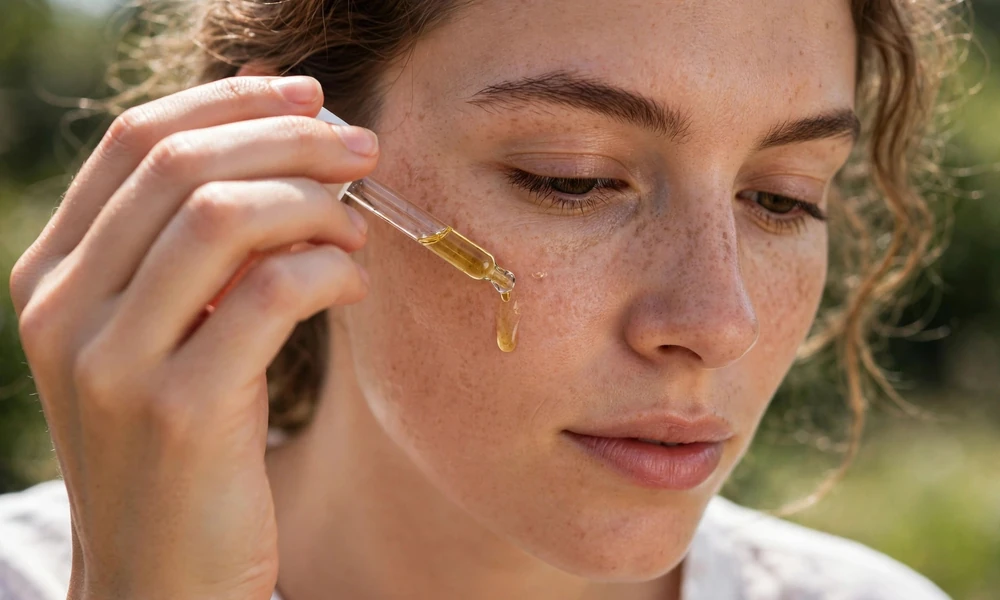
Look next at what is not in the bottle. A short ingredient list is a good sign for combination skin, because every extra essential oil or fragrance is another chance of irritation or congestion. Fragrance-free is the safest choice if your skin is reactive. If an oil is heavily scented, it may still suit you, but patch-test it first, and stop using it if your skin feels hot, tight, or itchy after application.
Finally, look at the bottle and the freshness. Oil goes rancid, especially natural plant oils. A dark glass bottle, a dropper that seals well, and a size you will finish within six months are practical signs of a well-designed product. Our guide to the best moisturisers for combination skin explains the other half of this routine, because oil and moisturiser work best when they are chosen together, not in isolation.
The 9 best face oils for combination skin of 2027
Sunday Riley Juno Antioxidant + Superfood Face Oil
What we like: A cold-pressed blend of blackberry, blueberry, cranberry, and raspberry seed oils, rich in antioxidants and omega fatty acids, with a dry, fast-absorbing finish. What to consider: Premium price, and the natural berry scent is noticeable. Key ingredients: Blackberry seed oil, blueberry seed oil, cranberry seed oil, vitamin C. Skin type: Combination, normal, dry. Size: 30 ml. Cruelty-free: Yes.
This is the oil to choose if you want one bottle that does a lot. It softens dry cheeks and adds glow without leaving the T-zone greasy an hour later.
Herbivore Botanicals Lapis Facial Oil
What we like: Blue tansy gives it a calming, blue colour and a soothing feel, while squalane and jojoba keep the texture light and non-greasy. What to consider: The blue tint can transfer to light pillowcases, and it is best used at night. Key ingredients: Blue tansy, squalane, jojoba oil. Skin type: Combination, oily, blemish-prone. Size: 50 ml. Cruelty-free: Yes.
A good choice if your combination skin also breaks out or flushes easily, with blue tansy to calm redness and a squalane base that stays light on the T-zone.
Pai Skincare Rosehip BioRegenerate Oil
What we like: A certified organic rosehip oil, rich in natural vitamin A and essential fatty acids, that helps with dullness and post-blemish marks. What to consider: It has a natural, earthy scent, and the oil is a deep orange colour. Key ingredients: Rosehip seed oil, rosehip fruit oil, vitamin E. Skin type: Combination, normal, mature. Size: 30 ml. Cruelty-free: Yes.
If uneven tone is your main concern as well as dryness, rosehip is one of the most useful single oils. Use it at night, when the colour and scent do not matter.
Biossance Squalane + Vitamin C Rose Oil
What we like: Sugarcane-derived squalane with a stabilised vitamin C and rose oil, giving brightness and hydration in one light, fast-absorbing step. What to consider: The rose scent is noticeable, and it is best kept out of direct sunlight. Key ingredients: Squalane, tetrahexyldecyl ascorbate, rose oil. Skin type: Combination, normal, dull. Size: 30 ml. Cruelty-free: Yes.
This suits combination skin that looks tired as well as uneven, with one of the lightest squalane bases available and a gentle brightening effect over time.
The Ordinary 100% Plant-Derived Squalane
What we like: A single-ingredient squalane oil, fragrance-free, very affordable, and about as low-risk as a face oil gets for congestion-prone skin. What to consider: It does nothing beyond hydration and barrier support, so do not expect brightening or anti-ageing effects. Key ingredients: Squalane. Skin type: All, including sensitive and blemish-prone. Size: 30 ml. Cruelty-free: Yes.
This is the sensible first oil for combination skin. If you have never used a face oil, start here, because it tells you whether your skin likes oil at all, without extra ingredients to confuse the result.
Kiehl’s Daily Reviving Concentrate
What we like: A lightweight blend of sunflower seed, ginger root, and tamanu oils, designed to be used in the morning, with a fresh scent and a non-greasy finish. What to consider: It contains fragrance, and the ginger scent is strong on first application. Key ingredients: Sunflower seed oil, ginger root extract, tamanu oil. Skin type: Combination, normal, dull. Size: 30 ml. Cruelty-free: No.
A good morning oil for combination skin that looks dull by midday. It absorbs quickly, layers well under sunscreen, and gives skin a rested look without shine.
Drunk Elephant Virgin Marula Luxury Facial Oil
What we like: A single-ingredient marula oil, cold-pressed and unrefined, rich in antioxidants and omega fatty acids, with a light, silky texture. What to consider: Premium price for a single oil, and it can feel rich if you use more than three drops. Key ingredients: Marula oil. Skin type: Combination, normal, dry. Size: 30 ml. Cruelty-free: Yes.
Marula is one of the more balanced plant oils, richer than squalane but still quick to absorb, which makes it a good evening choice when your cheeks need more comfort.
Caudalie Vinosource-Hydra Overnight Recovery Oil
What we like: A blend of grape seed, rosehip, and jojoba oils with a dry, non-sticky finish, designed to repair and hydrate overnight. What to consider: The dropper dispenses generously, so start with two drops. Key ingredients: Grape seed oil, rosehip oil, jojoba oil. Skin type: Combination, dry, dehydrated. Size: 30 ml. Cruelty-free: No.
Use this at night, when your skin can take a slightly richer oil without daytime shine. By morning, dry patches feel softer and the T-zone is usually no oilier than usual.
Clarins Blue Orchid Face Treatment Oil
What we like: A classic blend of blue orchid, patchouli, and hazelnut oils, made for dehydrated skin, with a calming scent and a comfortable, non-greasy finish. What to consider: It contains essential oils and fragrance, so patch-test first if your skin is reactive. Key ingredients: Blue orchid extract, patchouli oil, hazelnut oil. Skin type: Combination, dehydrated, normal. Size: 30 ml. Cruelty-free: No.
This is the most sensorial oil on the list, and it suits combination skin that feels dehydrated rather than truly dry. A little goes a long way, pressed onto damp skin after a hydrating serum.
Which face oil is right for your skin type
If your T-zone is the problem and your cheeks are only mildly dry, start with squalane or jojoba. Both are light, stable, and unlikely to cause congestion, and they give you a clear answer about whether your skin tolerates oil.
If your cheeks are the problem and your T-zone is only slightly oily, a blend with rosehip or marula is a better fit. These oils are richer and more nourishing, and they help with dullness and uneven tone as well as dryness. Use them at night, or press them onto the cheeks only, and keep the T-zone to a lighter product.
If your skin is reactive as well as combination, keep the ingredient list short. A single-ingredient oil such as squalane, or a fragrance-free blend, is the safest place to start. Avoid heavily scented oils until you know your skin is calm, and introduce one product at a time so you can tell what is helping and what is irritating. Our guide to the best face oils covers the full range, if you want to compare these combination-skin picks with oils made for dry or mature skin.
The caveats that matter
Face oil is not a treatment for acne, and it will not clear breakouts on its own. If your T-zone breaks out regularly, an oil can still be part of your routine, but it should be a light, non-comedogenic one, used in small amounts, and it should not replace a cleanser, a treatment, or sunscreen. If breakouts get worse after starting an oil, stop using it and give your skin two weeks to settle before trying a different one.
| Detail | What is known |
|---|---|
| Best base oils | Squalane, jojoba, rosehip, and grapeseed are light, absorb quickly, and rarely feel heavy on the T-zone |
| How much to use | Two to four drops, warmed between the palms and pressed on, not rubbed in |
| When to use it | After water-based serums, before or instead of a heavy cream; at night if your T-zone is very oily |
| Who should start gently | Blemish-prone or reactive skin; patch-test for a few days and introduce one product at a time |
| What to avoid | Heavy oils such as coconut or olive oil all over the face, and heavily fragranced oils on reactive skin |
| Storage | Dark glass bottle, cool place, away from light and heat; finish within six months of opening |
| When to replace it | If it smells rancid, feels sticky, or causes new breakouts or irritation |
| What it does not do | It does not add water to skin, clear acne, or replace moisturiser and sunscreen |
If you are pregnant, breastfeeding, or using prescription skincare, check with your clinician or dermatologist before adding a new oil, especially one with active botanicals or essential oils. Prescription treatments change what your skin can tolerate, and a simple check avoids weeks of irritation.
Checklist: choosing a face oil for combination skin honestly
Use these checks before you buy, and again after two weeks of use.
- Check the base oil: squalane, jojoba, rosehip, or grapeseed, not a heavy oil such as coconut or olive.
- Check the ingredient list: short is better, and fragrance-free is the safest choice for reactive skin.
- Check the bottle: dark glass, a dropper that seals well, and a size you will finish within six months.
- Patch-test first: apply to your jawline or inner arm for two to three days before full-face use.
- Start with two to four drops: press onto damp skin, let it absorb, and only add more on the dry areas.
- Watch the T-zone: if it looks greasy by midday or new breakouts appear, use less, use it at night only, or switch to a lighter oil.
Frequently asked questions
Can I use face oil if my T-zone is oily?
Yes, in most cases, if the oil is light and you use a small amount. Squalane and jojoba are the safest choices, because they absorb quickly and are unlikely to clog pores. Start with two drops at night, and move to morning use only if your skin stays clear.
Should I use face oil instead of moisturiser?
It depends on your cheeks. Oil seals in moisture but does not add water, so very dry cheeks usually still need a cream. Many people with combination skin use a light moisturiser all over and add oil only where it is needed, or use oil at night and moisturiser in the morning.
Can face oil cause breakouts?
Yes, if the oil is too heavy for your skin, or if you use too much. Heavy oils and heavily fragranced blends are the most common culprits. If new breakouts appear within a week of starting an oil, stop using it, let your skin settle, and try a lighter, fragrance-free option. A gentle cleanser, such as the ones in our guide to the best cleansers for oily skin, helps keep the T-zone clear while you test a new oil.
When should I apply face oil in my routine?
After water-based serums and before, or instead of, a heavy cream. Oil can block water-based products from absorbing if it goes on first, so always let serums sink in before pressing oil on top.
Is rosehip oil good for combination skin?
Often yes. Rosehip is light for a plant oil, absorbs well, and helps with dullness and post-blemish marks. It suits combination skin that is uneven or tired as well as dry, but it has a strong natural scent, so patch-test first if your skin is sensitive.
How long does a face oil last once opened?
Most natural plant oils last about six months once opened, less if they are kept in a warm bathroom or in direct light. If the oil smells rancid, feels sticky, or has changed colour, replace it, even if the bottle is not empty.
The bottom line
The best face oil for combination skin in 2027 is not the richest or the most expensive. It is the one that is light enough for your T-zone, nourishing enough for your cheeks, and pleasant enough that you will use it every day. For most people, that means squalane or jojoba as a starting point, with rosehip or marula added when the cheeks need more comfort, and a short, fragrance-free ingredient list if your skin is reactive.
Choose one oil, use two to four drops consistently for four weeks, watch how your T-zone and your cheeks respond separately, and judge it on how your skin looks and feels, not on how luxurious it feels on day one.