


What if the best hybrid SUV for your neighbor is actually a terrible choice for you? That sounds like a riddle, but it is the single most important thing to understand before shopping. The hybrid SUV market has exploded, and the label “best” gets tossed around loosely. A plug-in hybrid with 40 miles of electric range is brilliant for a commuter with a garage outlet and frustrating for someone in an apartment. A frugal compact hybrid is perfect for a city family and cramped for a family of five with a dog and a camping habit.
So instead of crowning one winner, this guide breaks down what actually separates the good from the great, which categories matter, and how to match a hybrid SUV to your real daily routine rather than a spec sheet.
Why Hybrid SUVs Became the Default Choice
Hybrid SUVs sit in a sweet spot. They give you the ride height and cargo space people want, plus fuel economy that used to be reserved for small sedans. For a lot of households, that combination is more practical than a pure electric vehicle, especially if charging at home is not an option.
There is also a quiet cost story. Hybrids tend to hold value well and skip the range anxiety conversation entirely, because the gas engine is always there as a backup. That is a big reason shoppers cross-shop hybrid SUVs against both conventional gas models and electric ones. If you want to see how one brand structures that choice across its range, the breakdown of the Honda SUV lineup explained from CR-V to the electric e:Ny1 shows how a single automaker moves from gas to hybrid to fully electric.
First, Know Which Kind of Hybrid You Are Buying
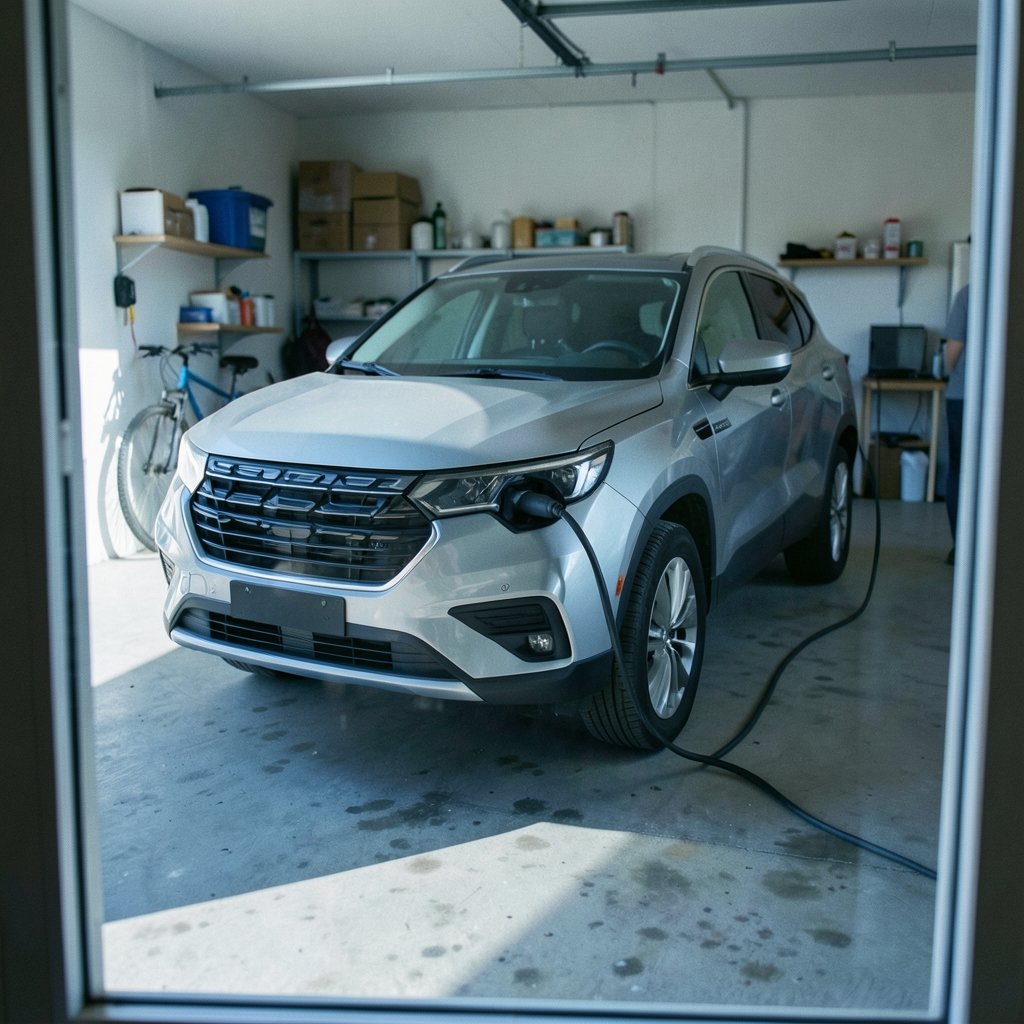
This is where most buyers get tripped up. “Hybrid” is not one thing, and the differences change how you drive and how you pay.
| Type | How it works | Best for | Watch out for |
|---|---|---|---|
| Mild hybrid (MHEV) | Small motor assists the engine; cannot drive alone | Small fuel savings at low cost | Not a true hybrid; modest gains |
| Full hybrid (HEV) | Electric motor can drive the car briefly; self-charges | Most drivers; no charging needed | Limited pure-electric driving |
| Plug-in hybrid (PHEV) | Larger battery, charges from a wall outlet, real EV range | Short commutes with home charging | Higher price; poor economy if never charged |
A common mistake is buying a PHEV “for the fuel savings” and never plugging it in. In that case you are hauling a heavy battery around and burning more gas than a plain hybrid would. The plug-in only pays off if charging becomes a habit. The U.S. Department of Energy’s Alternative Fuels Data Center is a solid place to understand the technology differences before you commit.
The Criteria That Actually Predict Satisfaction
Rankings love horsepower and screen size. Owners care about different things six months in. Here is what separates a good hybrid SUV from a regrettable one.
Real-world fuel economy, not the sticker
Official figures come from standardized tests. In the U.S., the EPA runs the numbers; in Europe, it is the WLTP cycle. The two are not directly comparable, and neither perfectly matches your commute. Cold weather, highway speeds, and a heavy right foot all push consumption up. Treat the label as a comparison tool between models, not a promise.
Cargo space with the seats up
The number that matters is the one you use most days, with passengers aboard. A hybrid battery sometimes eats into load space or removes a spare tire well. Check the trunk with the rear seats in place, not the maximum figure with everything folded.
Reliability and safety ratings
These are the two areas where third-party testing beats marketing. Crash-test ratings from the Insurance Institute for Highway Safety (IIHS) and the National Highway Traffic Safety Administration (NHTSA) are worth checking model by model, because a nameplate’s score can change between generations. Consumer Reports publishes reliability data and explains its own testing methodology if you want to understand how the scores are built.
Total cost beyond the purchase price
A hybrid usually costs more up front than its gas twin. The payback comes from fuel savings, and it depends on how much you drive and local fuel prices. Run the math for your own annual mileage. For some buyers the break-even is a few years; for low-mileage drivers it may never arrive, and that is fine to admit.
Matching the SUV to Your Routine
The most useful shopping question is not “which is best” but “which fits my week.” A few common profiles:
- The commuter with a garage: A plug-in hybrid shines here. Short daily trips can run mostly on electricity, and the gas engine covers longer weekend drives.
- The apartment dweller: A full hybrid is the safer bet. No charging cable, no outlet, no planning.
- The road-tripping family: Prioritize a full hybrid with generous cargo space and comfortable highway manners over pure electric range.
- The budget-focused buyer: A compact full hybrid often delivers the best cost-per-mile without a big price premium.
Practical tip: track your actual driving for two weeks before you shop. Note your longest regular trip and whether you can charge at home or work. That single exercise eliminates half the market and points you toward the right type.
Compact vs. Midsize: Where the Real Trade-Off Lives
Compact hybrid SUVs win on price and efficiency. Midsize models win on space and towing. The gap between them is smaller than it used to be, but it still exists.
If you mainly drive in the city and rarely carry more than two adults and some groceries, a compact is the smarter buy. The fuel savings compound, and parking is easier. If you regularly carry three kids, sports gear, or a trailer, the midsize premium is usually worth it. The mistake is buying midsize “just in case” and then paying for space you never use, at the pump and in the monthly payment.
Buyers comparing brands often find the same logic applies across lineups. A practical guide to every Mazda CX model and how each fits your life is a good example of how one maker splits compact, midsize, and premium options, and the same framework helps when you compare hybrid SUVs from different companies.
Where Plug-In Hybrids Genuinely Win
Plug-in hybrids get criticized, sometimes fairly, but they have real advantages when used correctly.
First, they can cover most daily driving on electricity alone. If your commute is short and you charge overnight, you may visit a gas station only on road trips. Second, they often qualify for local incentives or access to restricted traffic zones in some regions, though rules vary widely and change often, so check your own area. Third, they offer a bridge for people who want electric driving without range anxiety.
The catch is discipline. A PHEV rewards owners who plug in every night and punishes those who do not. If charging is inconvenient, choose a full hybrid instead and skip the complexity.
Common Mistakes Buyers Make
A few traps show up again and again.
- Buying on the sticker fuel number alone. Real-world results vary, and the ranking leader may not suit your commute.
- Ignoring the charging question. A PHEV without regular charging is the wrong tool.
- Skipping the test drive with the family aboard. Fit and comfort only reveal themselves with real passengers and real car seats.
- Forgetting insurance and maintenance costs. Hybrids are often cheap to run, but premiums vary by model.
- Overbuying size. Bigger is not automatically better, and it costs more every mile.
How Electrification Is Reshaping the Segment
The hybrid SUV is no longer a niche. It is becoming the default powertrain for many mainstream models, with pure electric versions sitting alongside. Automakers are layering options: gas, mild hybrid, full hybrid, plug-in hybrid, and battery electric, sometimes all under one nameplate.
That shift means the “best hybrid SUV” conversation is now tangled with the electric one. Shoppers weighing a plug-in against a full EV should look at how brands are positioning both. The Maserati SUV lineup from Levante to Grecale and its electric future shows how even premium makers are blending combustion, hybrid, and electric in one range, and the same pattern is playing out at every price point. If electric is on your shortlist, browsing coverage of the Mercedes electric SUV range can help you see what the fully electric alternative looks like next to a hybrid.
One useful comparison point: some hybrids now borrow technology across brands. The Mazda CX-50 hybrid pairing a Toyota-derived hybrid system with a Mazda body is a clear example of how shared engineering is spreading, which is generally good news for buyers because proven hybrid hardware ends up in more vehicles.
A Simple Decision Framework
When the options feel overwhelming, work through these steps in order.
- Confirm you can charge at home or work. If yes, a plug-in is worth considering. If no, focus on full hybrids.
- Measure your real space needs. Count passengers, car seats, and regular cargo.
- Set a total budget that includes insurance, fuel, and maintenance in addition to the purchase price.
- Shortlist three models that fit the first three steps.
- Check safety and reliability ratings for each specific model year.
- Test drive with the people and gear you actually carry.
Following that order keeps emotion from making the decision for you. It also stops you from falling for a flashy feature you will never use.
Conclusion
The best hybrid SUV is not a single model. It is the one that matches how you charge, how you drive, and how much space you truly need. Full hybrids suit most people with the least hassle, plug-in hybrids reward disciplined chargers, and compact models usually beat midsize on value unless your life genuinely demands the room. Do the two-week driving audit, check independent safety and reliability data for the exact model year, and test drive with your real passengers aboard. Get those basics right, and the right hybrid SUV tends to pick itself.
FAQ
What is the difference between a hybrid and a plug-in hybrid SUV?
A full hybrid charges itself using the engine and braking, so you never plug it in. A plug-in hybrid has a larger battery you charge from an outlet, giving it a real electric-only range for short trips. The plug-in costs more and only saves fuel if you charge it regularly.
Do hybrid SUVs actually save money?
Usually, but not always. The savings depend on your annual mileage, local fuel prices, and the price premium over the gas version. High-mileage drivers see the payback fastest, while low-mileage buyers may take many years to break even.
Are hybrid SUVs good for long road trips?
Yes. Full hybrids refuel at any gas station and need no charging stops, which makes them well suited to long drives. Plug-in hybrids also work for road trips once the battery is depleted, though fuel economy then drops because of the extra battery weight.
How long do hybrid batteries last?
Hybrid batteries are generally designed to last many years and often carry long warranties, frequently around eight to ten years depending on the brand and region. Capacity can fade gradually over time, but outright failure is uncommon. Always check the specific warranty terms for the model you are considering.
Is a hybrid SUV better than a fully electric one?
It depends on your charging access. A hybrid suits drivers without reliable home charging and those who frequently drive long distances. A fully electric SUV can be cheaper to run and simpler to maintain if you can charge at home and rarely exceed its range.
What should I check on a hybrid SUV test drive?
Drive with the passengers and cargo you normally carry. Check trunk space with the rear seats up, test how the car feels at highway speed, and confirm the seats and controls suit your family. Also ask about the battery warranty and any charging requirements if it is a plug-in.














