
The best lunch box in 2027 is a classic bento box, because its compartments keep foods separate, its lid seals properly, and it fits a full, balanced lunch into a bag without fuss. If you buy one lunch box and nothing else, buy that one.
Ten types earn a place here, from the insulated box that keeps soup warm to the glass box that goes straight into the oven. The right one turns on where you eat, how long lunch sits in your bag, and whether you reheat it.
Key takeaways:
- Best overall: a classic bento box — separate compartments, a proper seal and a sensible size.
- Best for hot food: an insulated food jar or an insulated box with a tight lid.
- Best for reheating: a glass lunch box — it goes from fridge to microwave without a second container.
- Match the box to your day: office desks suit steel and glass, while long commutes suit insulated boxes.
What makes a great lunch box?
A good seal comes first. A lunch box that leaks will ruin a bag, a laptop and a day, so the lid matters more than the material. Look for a lid that clicks or latches shut, a silicone gasket around the rim, and compartments that stay separate when the box tips sideways.
Size is the second question. Most adults need room for a main dish, something fresh and a small snack, without carrying a box the size of a suitcase. A box that holds a sandwich, a salad and a piece of fruit, and still fits in your bag, is about right.
Then comes cleaning. A box you dread washing is a box you stop using. Wide openings, smooth corners and removable dividers make washing quick, and a box that can go in the dishwasher earns its place in a busy week.
The 10 best lunch boxes in 2027
1. Classic Bento Box — Best Overall
The classic bento box is the default for good reason. Divided compartments keep rice away from salad and fruit away from dressing, the lid seals firmly, and the whole thing packs flat into a bag. It turns leftovers into a lunch that actually looks appetising at noon.
Choose one with a latch lid, a removable divider or two, and a size that matches your appetite rather than your ambitions.
Best for: almost everyone — the one lunch box to buy first.
2. Insulated Lunch Box — Best for Keeping Food Warm or Cool
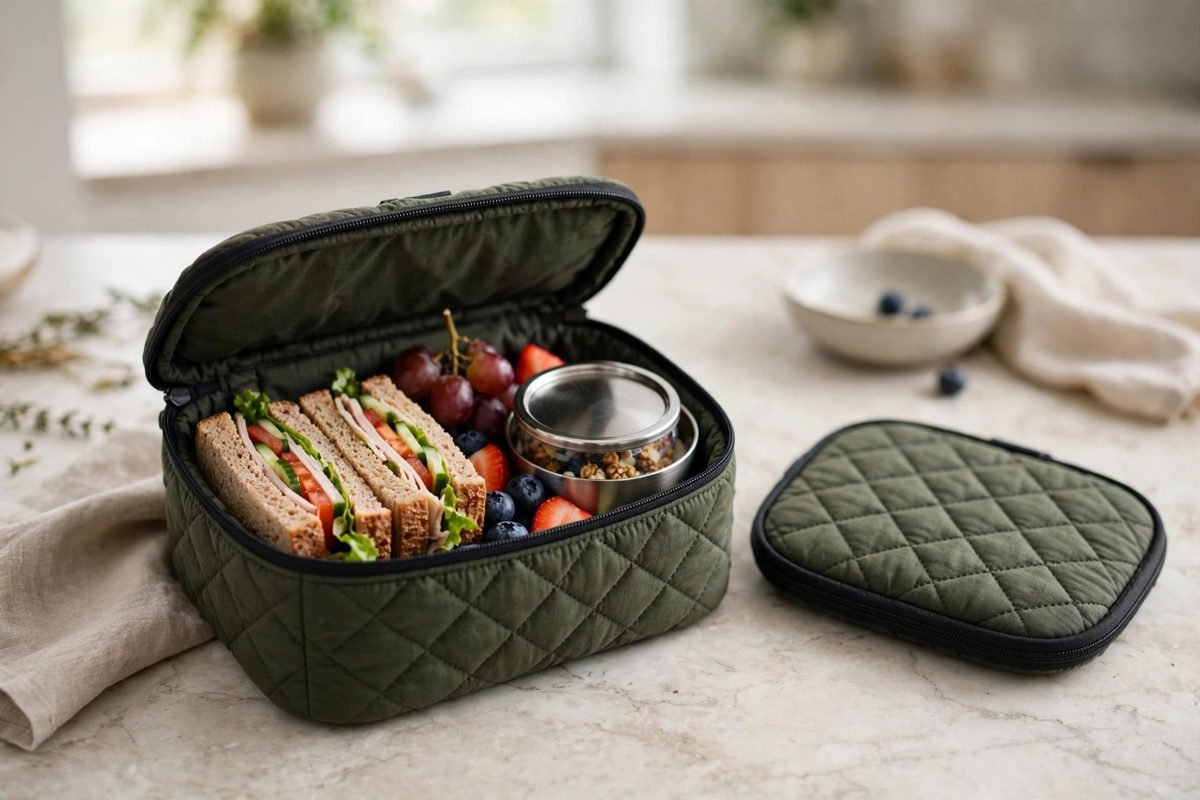
The insulated lunch box wraps your food in a padded, foil-lined case that slows heat loss and keeps cold food cold. Soup stays warm until lunchtime, salads stay crisp, and an ice pack tucked inside does the rest. It is the box for long commutes and days without a fridge.
Best for: long days out, commutes and anyone without a fridge at work.
3. Stainless Steel Lunch Box — Best for Durability
The stainless steel lunch box is the toughest type here. It does not stain, it does not hold smells, it survives drops that would crack plastic, and it washes clean with little effort. A steel box with a silicone-sealed lid is a buy-once, use-for-years kind of purchase.
It will not go in the microwave, so it suits cold lunches and food you reheat on a plate instead.
Best for: anyone who wants a box that lasts for years.
4. Glass Lunch Box — Best for Reheating
The glass lunch box is the one to buy if you reheat lunch every day. It goes from fridge to microwave without a second container, it never stains from tomato sauce or curry, and you can see exactly what is inside before you open it. A locking lid with a silicone seal keeps it leakproof in the bag.
Best for: office lunches you reheat every day.
5. Divided Compartment Box — Best for Keeping Foods Apart
The divided compartment box is the bento idea in a simpler, lighter form. A single plastic box with fixed or movable dividers keeps a sandwich away from wet salad, crackers crisp, and fruit unbruised. It is light, cheap to replace, and easy to wash.
Choose one with a lid that presses down on the dividers, so food cannot slide from one section into another.
Best for: packers who hate soggy sandwiches and mixed-up lunches.
6. Stackable Tiered Box — Best for Big Appetites
The stackable tiered box piles two or three shallow layers into one neat tower, clipped together with a strap or latches. Each layer holds a course — a main below, salad and fruit above — and the tower takes up little room in a bag for the amount it carries.
Best for: big lunches, layered meals and food that needs its own layer.
7. Insulated Food Jar — Best for Soup and Stews
The insulated food jar is a lunch box in a different shape: a wide-mouthed vacuum flask that keeps soup, stew, porridge or pasta hot for hours. Fill it with boiling water first to warm the inside, then add food heated until steaming, and it holds its heat until lunchtime.
Best for: soup, stew, porridge and any hot lunch on a cold day.
8. Silicone Collapsible Box — Best for Small Bags
The silicone collapsible box folds flat when empty, so it takes up almost no room on the way home. Open, it holds a full lunch; closed, it slips into a pocket of your bag. It is light, it does not break, and it survives the microwave and the dishwasher.
Best for: small bags, travel and anyone short on cupboard space.
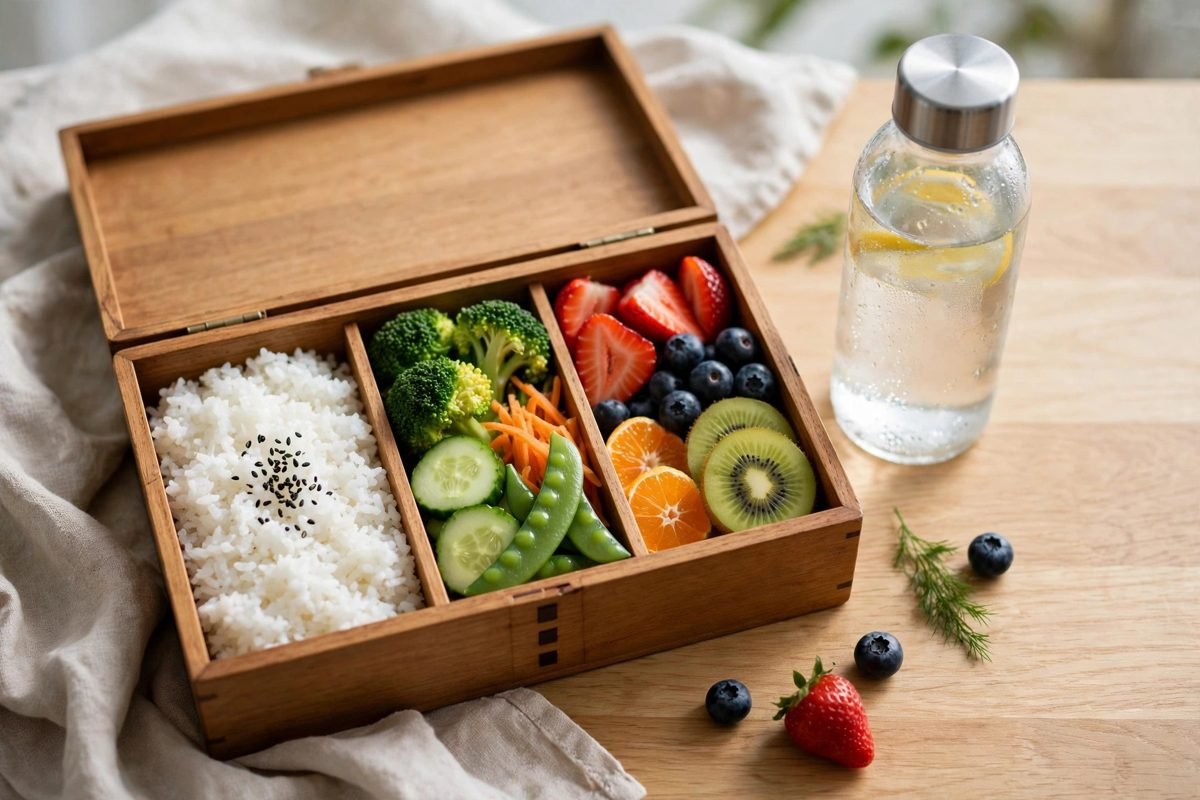
9. Wooden Bento Box — Best for Presentation
The wooden bento box is the most beautiful type here. Warm timber, clean lines and a lid that slides or lifts away make lunch feel like a small occasion rather than a chore. Rice, vegetables and fruit look their best against wood, and the box itself is a pleasure to carry.
Best for: picnics, desk lunches and anyone who eats with their eyes first.
10. Salad Box with Dressing Container — Best for Fresh Salads
The salad box with a dressing container keeps the dressing apart until the moment you eat, which is the whole secret of a salad that stays crisp. A small sealed pot clips into the lid or sits in its own compartment, and the main box holds greens, grains and protein without anything going soggy.
Pair it with a protein-rich filling — our guide to high protein foods has plenty of ideas that travel well.
Best for: salads, grain bowls and lunches that must stay crisp until noon.
The 10 best lunch boxes compared
| Lunch box type | Best quality | Reheats in it | Best for |
|---|---|---|---|
| Classic bento | Compartments | No | Best overall |
| Insulated box | Keeps temperature | No | Long days out |
| Stainless steel | Durability | No | Lasting for years |
| Glass | Reheating | Yes | Office lunches |
| Divided compartment | Keeping foods apart | Usually | No soggy sandwiches |
| Stackable tiered | Capacity | Usually | Big appetites |
| Insulated food jar | Heat retention | No | Soup and stews |
| Silicone collapsible | Folds flat | Yes | Small bags |
| Wooden bento | Presentation | No | Picnics and desk lunches |
| Salad box | Crisp salads | No | Fresh salads |
Lunch boxes for adults: what to look for
The best lunch boxes for adults are not the small, brightly coloured boxes made for school. Adults need a bigger main compartment, a lid that survives a work bag, and a look that does not feel out of place in an office. A plain steel, glass or dark bento box usually fits that brief better than anything decorated.
Capacity matters most. An adult lunch is a proper meal: a main dish, something fresh and a small snack. A box that holds all three without stacking food on top of food is the right size, and it should still fit in the bag you already carry.
Think about reheating too. If your workplace has a microwave, a glass box or a microwave-safe compartment box saves you decanting lunch onto a plate. If it does not, an insulated box or a food jar is the better call, and cold lunches — sandwiches, salads, grain bowls — deserve a proper look. Our best breakfast burrito guide works just as well for a packed lunch, and a slice of best breakfast casserole travels and reheats beautifully the next day.
How to pack a lunch box that stays fresh
- Keep wet and dry apart. Dressings, sauces and juicy fruit go in their own small pots until you eat.
- Pack cold food cold. Chill the box and the food overnight, add an ice pack, and keep the box out of direct sun.
- Pack hot food hot. Heat soup and stews until steaming, warm the jar first, and close the lid straight away.
- Use leftovers well. Last night’s roast, rice and vegetables make a better lunch than anything bought in a hurry.
Your lunch box checklist
- Type: bento for everyday, glass for reheating, insulated for long days.
- Seal: a latch lid and a silicone gasket, tested with water first.
- Size: a main, something fresh and a snack, in your usual bag.
- Cleaning: wide openings, smooth corners, dishwasher-safe if possible.
- Reheating: microwave-safe if you have a microwave at work.
- Extras: an ice pack for cold food, a small pot for dressing.
FAQs
What is the best lunch box for adults?
A classic bento box or a stainless steel box suits most adults: a proper-sized main compartment, a firm seal and a plain look that fits a work bag. Choose glass if you reheat lunch daily, and an insulated box if your lunch sits in a bag for hours.
Is a glass or a stainless steel lunch box better?
Glass wins if you reheat food, because it goes straight into the microwave and never stains. Steel wins for durability, because it does not break and does not hold smells. Many people keep one of each and choose by the day.
How do I stop my lunch box leaking?
Choose a lid with a silicone gasket and a latch, and test it with water before you trust it with soup. Keep wet foods in small sealed pots, fill the box sensibly rather than to the brim, and carry it upright in your bag.
How do I keep lunch cold until noon?
Chill the food and the box overnight, add an ice pack, and keep the box away from heat and sun. An insulated box helps.
Can I put a lunch box in the dishwasher?
Many plastic, glass and silicone boxes can, but lids with silicone seals and wooden boxes usually cannot. Check the care guidance for your box, wash wooden boxes by hand, and leave every box open to dry so smells never build up.
Sources
- Food Standards Agency, guidance on chilling, storing and transporting packed lunches safely.
- Which?, lunch box buying guidance on seals, materials and cleaning.
- BBC Good Food, guidance on packing balanced lunches that travel well.
The bottom line
The best lunch box in 2027 is the classic bento box: separate compartments, a proper seal and a sensible size that fits a real lunch into a real bag. Add a glass box if you reheat daily, an insulated box if your day is long, and a food jar if soup is your lunch of choice.
Buy for the lunch you actually pack, test the seal with water before you trust it, and choose a box you will happily wash every evening. A good lunch box pays for itself in better lunches within a week.