
Best Luxury Cashmere Coat Brands represent the quiet pinnacle of winter dressing: coats so soft, so light and so warm that they feel less like outerwear and more like a second skin. A great cashmere coat does not shout. It drapes cleanly, holds its shape for years, For anyone building a wardrobe around fewer, better pieces, it is one of the most rewarding investments.
Yet not every coat labelled cashmere deserves the name. Some brands work with the finest Mongolian fibres and finish every seam by hand, while others trade on a famous name and a blend that is mostly wool. Knowing which houses genuinely specialise in cashmere is the difference between a coat you wear for a decade and one that pills and disappoints within a season.
This guide brings together the houses that consistently do cashmere coats best, from the great Italian mills to the Parisian ateliers and the quiet American labels that built their names on the fibre. It explains how to judge quality, what to expect to pay, and how to choose the silhouette that suits your life.
Key takeaways
- True luxury cashmere coats use long, fine fibres, usually 14 to 16 microns, which creates the soft hand and the resistance to pilling.
- One hundred per cent cashmere is the softest and lightest option, while a cashmere and wool blend adds structure and durability for less.
- The best brands control their own fibre supply, from the goats of Inner Mongolia to the finished cloth.
- A well-made cashmere coat should feel feather-light for its warmth, drape without stiffness, and keep its shape for years.
- Classic colours such as camel, charcoal, navy and ivory offer the best value, because they pair with everything.

What Makes a Cashmere Coat Worth the Price
Cashmere comes from the soft undercoat of cashmere goats, combed out once a year in spring, and a single goat yields only a handful of usable fibre. It takes the fleeces of several animals to make one coat, which is the first reason genuine cashmere costs what it does. The second reason is the work: the fibres must be sorted, dehaired, spun, woven and finished with extraordinary care.
Fineness is measured in microns, and the best coat cashmere sits between 14 and 16 microns, with the longest fibres, often 34 millimetres or more, giving the most durable cloth. Short fibres work loose, form pills and leave the surface tired, so a good cashmere coat should feel smooth and almost fluid, with no scratchiness and no loose halo of fibres.
Weight is another useful test. Cashmere is far warmer than sheep’s wool by weight, so a proper cashmere coat feels surprisingly light when you lift it from the rail. If it feels heavy and stiff, it is probably a high-wool blend or a coarser grade of fibre. Lightness is not a flaw in cashmere. It is the point.
One Hundred Per Cent Cashmere Versus Cashmere Blends
A coat in 100 per cent cashmere is the purest expression of the fibre: exceptionally soft, beautifully fluid and warm without bulk. It is also the most delicate, asking for careful handling, gentle cleaning and storage away from moths. For many buyers, that is a fair trade, because nothing else feels quite like it or drapes quite so elegantly over tailored clothing.
Cashmere blends, most often cashmere mixed with fine merino wool, trade a little softness for structure and resilience. A blend of 70 per cent wool and 30 per cent cashmere holds a sharp shoulder and a crisp lapel far better than pure cashmere, and it usually costs considerably less. Blends are an excellent choice for a first luxury coat or for daily commuting.
Beware the blend that hides its proportions. A coat described simply as a cashmere blend may contain as little as five per cent cashmere, which is not enough to change how the cloth feels. Treat anything below 20 per cent cashmere as a wool coat with a cashmere name.
How to Judge Quality in the Shop
Start with the touch test, pressing the cloth between your palms. Good cashmere recovers quickly and shows no crease, and its surface should look even and smooth under the light, with a soft, low sheen rather than a shine. Check the seams and the lining: a luxury coat has a lining that moves freely, hand-finished buttonholes, and horn or corozo buttons rather than plastic.
Finally, look at the cut. A cashmere coat earns its price through the way it falls from the shoulder, and the best houses cut a generous, clean line that flatters without pulling. Try it on over your thickest knit, button it, sit down and walk in it. If it binds anywhere, the cut is wrong for you, whatever the label says.
The Best Luxury Cashmere Coat Brands
The houses below have earned their places through decades of work with cashmere, not through marketing alone. Each brings a different strength, from the finest fibre in the world to the most elegant silhouette, covering every kind of buyer, from the collector of heirloom pieces to the first-time investor.
Loro Piana
Loro Piana is the name most experts reach for first. The Italian house has spent generations sourcing the finest cashmere in the world, including rare baby cashmere, and it controls its supply chain from the herders to the finished garment. The result is cloth of extraordinary fineness, woven in the company’s own mills, and coats that feel weightless on the body.
The house style is famously understated: clean lines, muted colours, no visible logos, and a cut that flatters without drawing attention to itself. Its classic coats are designed to be worn for decades, ageing gracefully rather than wearing out. Prices sit at the top of the market, typically from around three thousand dollars, rising well beyond that for baby cashmere.
Brunello Cucinelli
Brunello Cucinelli built his company in the Umbrian village of Solomeo on a single conviction: that cashmere should be made beautifully and humanely. The house is renowned for its soft, slightly relaxed tailoring and for coats that combine Italian structure with an easy, wearable feel. Its cashmere coats are known for their buttery hand, their refined neutral palette, and hand-finished details that reward a closer look.
What sets Cucinelli apart is the consistency of the cloth: long, fine fibres finished to a soft, even surface that resists pilling better than most. Its coats suit buyers who want luxury that reads as quiet confidence rather than display. Expect prices of three to five thousand dollars for a pure cashmere coat.
Max Mara
Max Mara has dressed women in beautiful coats for more than seventy years, and its camel coat is one of the most recognisable silhouettes. The house works extensively with cashmere and cashmere blends, and its great strength is cut: clean shoulders, perfectly rolling lapels, and proportions that flatter a wide range of figures.
The range covers pure cashmere styles and refined cashmere and wool blends that bring the price down while keeping the signature look. The iconic camel remains the safest choice, though deep navy, charcoal and ivory are done with the same assurance. For a first luxury cashmere coat, Max Mara is often the wisest choice.
The Row
The Row, founded by Ashley and Mary-Kate Olsen, has become the modern benchmark for minimalist luxury, and its coats are among the most coveted in fashion. The house approaches cashmere with an almost obsessive attention to proportion, fabric and finish, producing coats that look effortless precisely because every detail has been considered.
A cashmere coat from The Row is for the buyer who wants nothing decorative and everything perfect: a beautiful cloth, an impeccable line, and a garment that works with everything in a pared-back wardrobe. The palette stays close to ivory, camel, grey and black, with prices generally from around three thousand dollars upward.
Akris
Akris, the Swiss house led by Albert Kriemler, brings an architect’s eye to cashmere coats. Its designs are precise, modern and beautifully engineered, with double-faced cashmere a particular speciality: two layers of cloth bonded without a seam, producing a coat that is warm, fluid and feather-light. The house is known for clean geometry and a discreet elegance that appeals to women who dress for themselves.
Double-faced cashmere shows off the fibre at its best, with a soft, suede-like hand on both sides and no lining to interrupt the drape. Akris coats in this construction are among the most comfortable luxury coats available, and they travel beautifully, resisting creases.
Gabriela Hearst
Gabriela Hearst has built one of the most admired modern luxury houses on honest materials and sustainable production, and cashmere is central to that story. The house works with traceable fibres, favours timeless silhouettes over trends, and produces coats that feel both luxurious and responsible.
The aesthetic is warm and grown-up: soft tailoring, rich neutrals, and a sense of quality felt before it is seen. Hearst suits buyers who care about where their clothes come from and want a coat that reflects those values without compromising on beauty. Prices generally run from two to four thousand dollars for pure cashmere.
Best Luxury Cashmere Coat Brands at a Glance
| Brand | Best For | Cashmere Type | Typical Price Range |
|---|---|---|---|
| Loro Piana | The finest fibre in the world | 100% cashmere, baby cashmere | $3,000 and above |
| Brunello Cucinelli | Soft, relaxed Italian luxury | 100% cashmere | $3,000 to $5,000 |
| Max Mara | The classic camel coat | Pure cashmere and blends | $1,500 to $4,000 |
| The Row | Minimalist perfection | 100% cashmere | $3,000 and above |
| Akris | Double-faced cashmere | Double-faced cashmere | $2,500 to $4,500 |
| Gabriela Hearst | Sustainable, traceable luxury | 100% cashmere | $2,000 to $4,000 |
How to Choose the Right Cashmere Coat
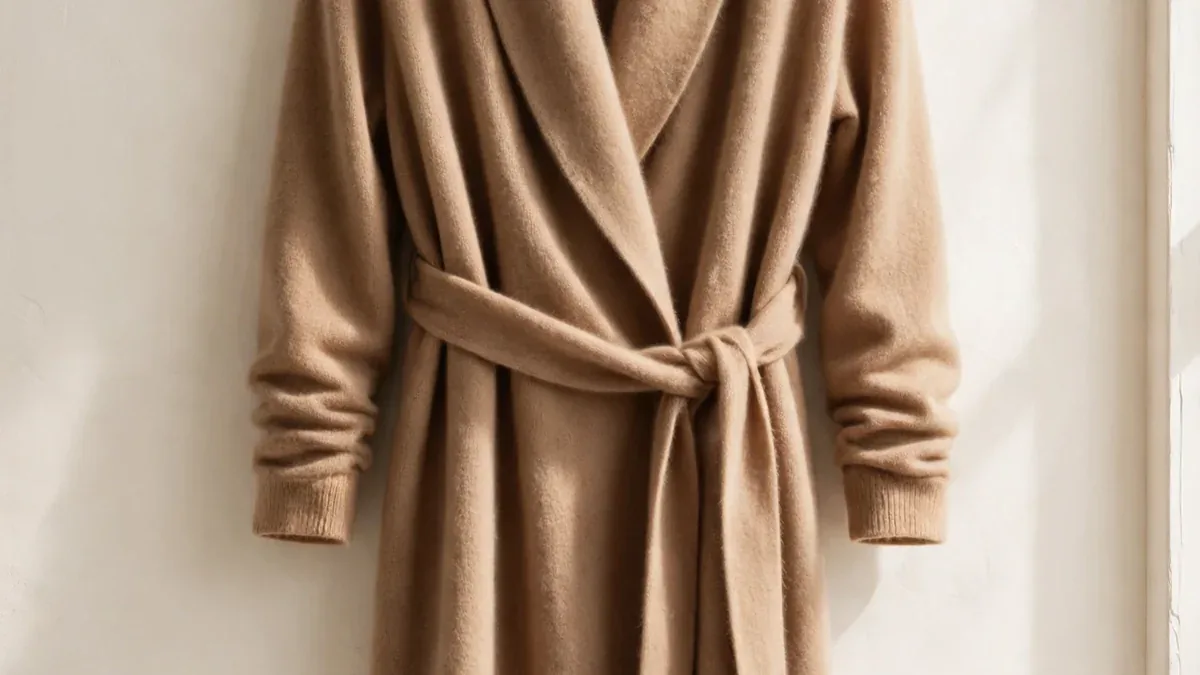
Begin with the silhouette, which determines how often you will reach for the coat. A single-breasted, knee-length style is the most versatile shape in any wardrobe: it works over tailoring, over knitwear and over evening dress, and it suits almost every figure. A wrap coat offers a softer line, while a double-breasted style adds formality and warmth. Longer coats offer better protection in deep winter, but they can overwhelm a petite frame.
Consider your climate before choosing between pure cashmere and a blend. In mild winters, a pure cashmere coat is a pleasure, light enough to wear indoors and warm enough for the walk between car and door. In harsher weather, a cashmere and wool blend or a double-faced cashmere will hold its shape better and stand up to wind and damp. A coat for commuting needs pockets that sit comfortably, a collar that turns up against the wind, and a length that works when you sit.
Colour is the next decision. Camel is the classic choice for a reason: it flatters most skin tones, pairs with black, navy, grey and cream, and reads as luxurious without effort. Charcoal and navy are the most practical dark options, hiding marks and working across seasons, while ivory and pale grey are beautiful but demand more care. If this is your only luxury coat, choose a neutral; save deep burgundy, forest green or rich chocolate for a second or third.
Finally, think about what goes underneath. A cashmere coat layers beautifully over fine knitwear, and pairing it with a soft cashmere sweater in a complementary tone creates a look that is warm, tonal and quietly luxurious. When the weather turns properly cold, our guide to the best winter coats for women shows how it compares with heavier styles built for the coldest days.
When a Trench or a Blend Makes More Sense
Not every winter calls for cashmere. In wet, unpredictable weather, a classic trench or a water-resistant coat will serve you better than a pure cashmere style, which prefers dry cold. Our guide to the best trench coats covers the lighter layer that handles spring rain and autumn drizzle with far more grace than any wool or cashmere coat.
A blend also makes sense when the coat will be worn hard every day. Cashmere and wool blends resist abrasion from bags and seatbelts better than pure cashmere, and they recover from creasing more readily. A blend from a great house will still feel beautiful, and it may outlast a pure cashmere coat worn daily in demanding conditions.
Cashmere Coat Buying Checklist
- Check the composition label and confirm at least 20 per cent cashmere, ideally 100 per cent.
- Feel the cloth for softness and spring, with no scratchiness and a smooth, even surface.
- Try the coat over your thickest knit and check the shoulders, the buttoning and the sleeve length.
- Inspect the lining, the buttonholes and the buttons, which should be horn or corozo rather than plastic.
- Choose a classic colour such as camel, charcoal or navy for a first coat, and save fashion colours for later.
- Ask about care and cleaning before you buy, and budget for dry cleaning and moth protection.
How to Care for a Cashmere Coat
A cashmere coat rewards gentle care. Brush it after wearing with a soft clothes brush, stroking downward to remove dust and surface fibres, and let it air on a wide hanger before returning it to the wardrobe. Never hang it on a thin wire hanger, which will distort the shoulders over time; a broad, shaped wooden hanger supports the cloth properly.
Dry clean sparingly, ideally once or twice a season, and choose a cleaner experienced with cashmere. Between cleans, small marks can often be eased with a damp cloth and patience. Pilling is normal with cashmere, especially under the arms and where a bag strap rubs, and it is easily managed with a cashmere comb or a fabric shaver used gently. Never pull pills away by hand, which loosens the fibres and makes the problem worse.
Storage matters as much as cleaning. At the end of winter, clean the coat before putting it away, fold it loosely rather than hanging it for months, and store it with cedar blocks or lavender sachets to deter moths. Keep it in a breathable garment bag rather than plastic, which traps moisture. A coat stored well will emerge in autumn looking as good as the day you bought it.
Frequently Asked Questions
Are cashmere coats warm enough for winter?
Yes, cashmere is exceptionally warm for its weight, considerably warmer than sheep’s wool. A well-made cashmere coat is comfortable through most winter weather, though in extreme cold or heavy wind you may want a longer style, a blend with wool, or a layer underneath. Double-faced cashmere offers extra warmth without added bulk.
How long does a luxury cashmere coat last?
With proper care, a good cashmere coat lasts ten years or more, and many become better with age as the fibres settle. Longevity depends on fibre length, how often the coat is worn, and how it is stored and cleaned. Buying from a house known for long, fine fibres is the best guarantee.
Is a cashmere blend coat worth buying?
A blend with a meaningful cashmere content, generally 20 per cent or more, is absolutely worth buying, especially as a first luxury coat. It offers much of the softness of pure cashmere with greater durability, better structure and a lower price. Check the label, since a blend with only a token amount of cashmere is a wool coat in disguise.
What colour cashmere coat is the most versatile?
Camel is the most versatile choice, pairing easily with black, navy, grey and cream while flattering a wide range of skin tones. Charcoal and navy are close behind for practicality, and they hide marks better than pale colours. Ivory is beautiful but best kept as a second coat rather than your only one.
How can I tell real cashmere from a fake?
Real cashmere feels soft without any scratch, springs back when pressed, and has a fine, even surface with a soft halo rather than a shiny finish. Check the composition label, look for reputable brands and mills, and be sceptical of very low prices, since genuine cashmere is expensive to produce. A coat that feels coarse, stiff or heavy is unlikely to be good cashmere.
Should I dry clean my cashmere coat every time I wear it?
No, over-cleaning shortens the life of cashmere. Brush the coat after wearing, air it out, and spot-clean small marks where possible. Dry clean once or twice a season, or when the coat is genuinely soiled, and use a cleaner experienced with delicate fibres. Proper storage between seasons matters at least as much as cleaning.
The Bottom Line
The best luxury cashmere coat brands share a simple quality: they treat cashmere as a craft rather than a label. Loro Piana and Brunello Cucinelli set the standard for fibre and finish, Max Mara offers the most dependable classic, The Row and Akris appeal to the minimalist, and Gabriela Hearst brings a distinct, considered character to the same beautiful material. Whichever house you choose, the principles are the same: long fine fibres, honest composition, a cut that flatters you, and a colour you will love for years.
Buy the best you can afford and wear it often. A great cashmere coat is not a fragile luxury to be kept for special occasions. It is the coat that makes an ordinary winter morning feel considered, comfortable and quietly elegant.