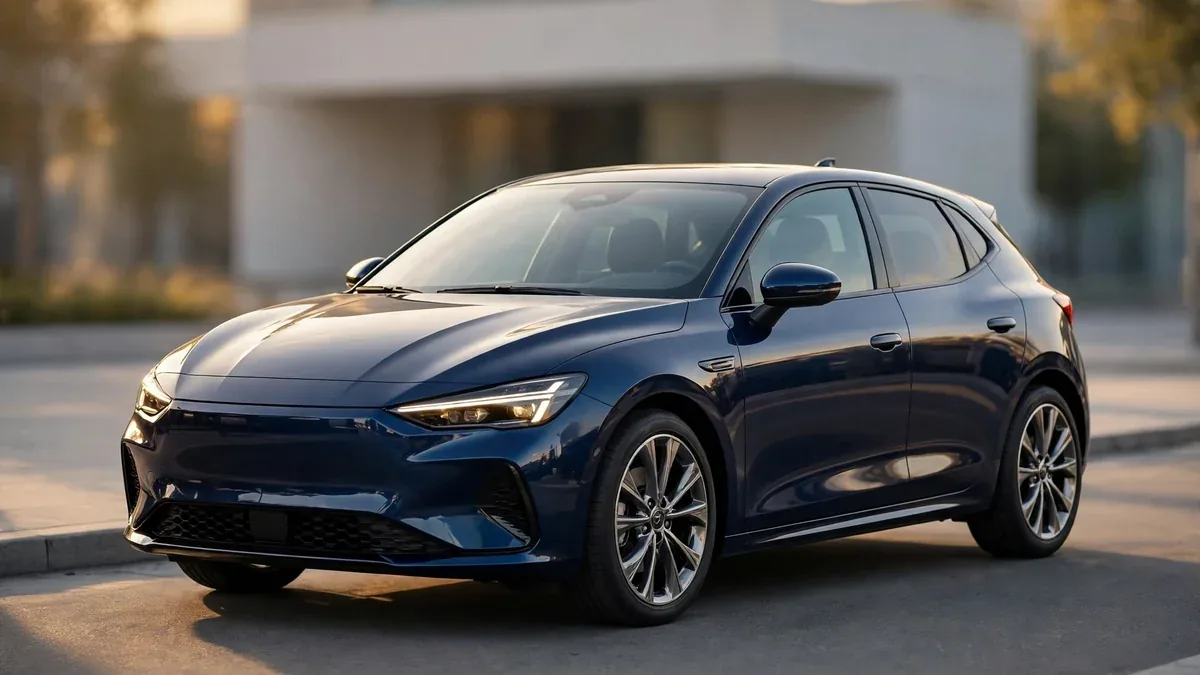
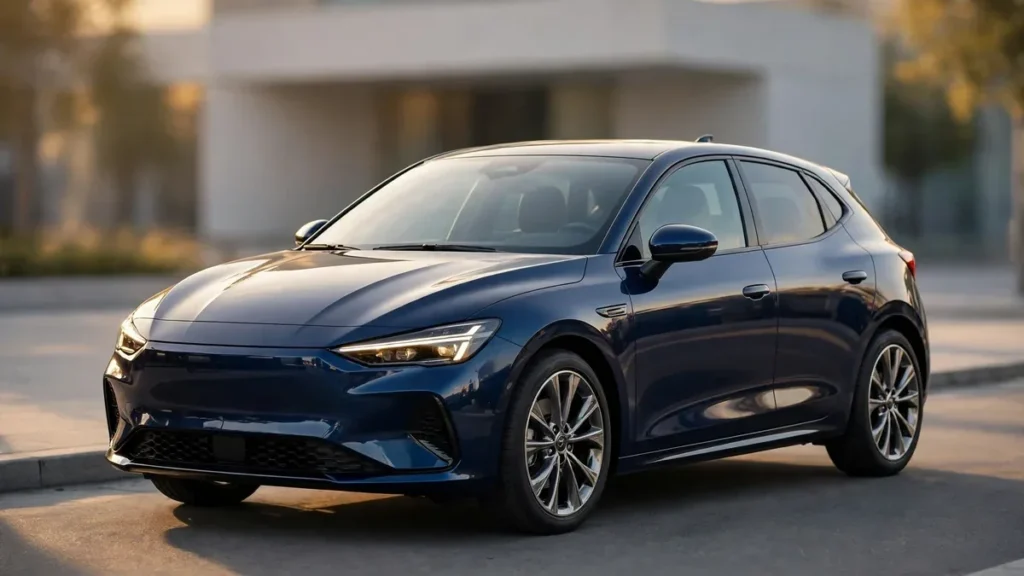
A hatchback used to be the sensible choice, the car you bought when you needed practicality more than polish. That is no longer the story. The best luxury hatchback brands have turned the compact five-door into something genuinely desirable: a premium cabin, a quiet and composed ride, proper technology, and a boot that swallows a weekend away, all in a car that is easy to park and easy to live with. You get the manoeuvrability of a small car and the feel of a much more expensive one, which is why this segment has become one of the smartest places in the market to spend your money.
The trick is knowing what separates a genuinely luxurious hatchback from an ordinary one wearing a premium badge. It is not the badge alone, and it is not a long list of optional extras. It is the quality of the materials you touch every day, the way the car isolates you from road noise at motorway speed, and the seats you sit in for two hours without thinking about them. A luxury hatchback should feel calm and well made on a short trip to the shops and on a long drive across the country.
This guide looks at the eight brands that do this best in 2026 and 2027, from the German premium trio to the Japanese and British names that have quietly built some of the most convincing cabins in the class. Each one is judged on what it is actually good at, what to watch for before you buy, and who it suits best, so you can narrow a long shortlist down to the two or three cars worth test driving.
Key takeaways
- The best luxury hatchbacks combine a premium cabin, a quiet ride, and genuine everyday practicality in a compact body that is easy to park and easy to live with.
- Mercedes-Benz, BMW, and Audi lead the segment on cabin design and technology, while Mazda, Honda, and Toyota offer much of the same polish for less money.
- Test the seats, the road noise at motorway speed, and the rear legroom before you buy.
- Petrol, hybrid, and plug-in hybrid versions suit different drivers, so match the powertrain to your daily mileage and whether you can charge at home.
- No luxury hatchback is perfect, and a premium badge does not guarantee low running costs, generous standard equipment, or a comfortable ride on large wheels.
What makes a hatchback a luxury hatchback
A luxury hatchback is defined by how it feels, not by how much it costs. The starting point is the cabin. Soft-touch materials should cover the dashboard, the door tops, and the places your elbows rest, not just a small strip around the screen. The switches should move with a precise, damped action, and the doors should close with a solid, reassuring sound rather than a hollow clang.
Quietness matters just as much. A luxury hatchback should keep wind and tyre noise low at motorway speed, so you can hold a conversation without raising your voice and arrive feeling fresh rather than frazzled. Some brands use acoustic glass and extra insulation; others rely on careful suspension tuning. The test is simple: take the car on a dual carriageway during your test drive, turn the stereo off, and listen.
Technology is the third pillar. Large, sharp infotainment screens, voice control that understands natural instructions, wireless phone mirroring, and a full suite of driver assistance systems are now expected in this class. But a long equipment list is not the same as good technology. The best systems are fast and logical, with physical controls for the things you adjust often, such as temperature and volume.
Practicality is what makes the hatchback body style so appealing, and a luxury version should not give it up. Look for a useful boot, rear seats that fold flat, and enough rear legroom for adults on an hour-long journey. The best cars in this class manage all of that in a body under four and a half metres long, which means they fit into city parking spaces that would defeat a large saloon or SUV. For a wider sense of how the premium market is shaping up, our guide to the best luxury cars of 2027 puts these hatchbacks in context alongside larger saloons and SUVs.
| Brand | Standout strength | Best for |
|---|---|---|
| Mercedes-Benz A-Class | Show-stopping cabin design and MBUX technology | Buyers who want the most visibly premium interior |
| BMW 1 Series | Sharp handling and a driver-focused cabin | Drivers who enjoy driving above all else |
| Audi A3 Sportback | Understated quality and a superbly quiet ride | Buyers who value refinement over flash |
| Volkswagen Golf | All-round ability and the widest range of versions | Anyone who wants one car to do everything well |
| Mazda3 | Beautifully crafted interior at a lower price | Design lovers who want premium feel for less |
| Honda Civic | Brilliant hybrid powertrain and spacious cabin | High-mileage drivers who want low running costs |
| Toyota Corolla | Proven hybrid reliability and low ownership costs | Buyers who prioritise dependability and value |
| MINI Cooper | Character, style, and go-kart handling | City drivers who want a car with personality |
What to look for in a luxury hatchback
Before you fall for a particular badge, decide what luxury means to you. For some buyers it is the cabin: the leather, the ambient lighting, the feeling of sitting somewhere expensive. For others it is the way the car drives, or the technology, or the reassurance of a brand with a strong dealer network and good residuals. Compare what is actually included, not just headline prices: a cheaper car with a long options list can end up costing more than a pricier rival that includes the equipment as standard.
Pay attention to the wheels and tyres, too. Large alloy wheels look smart, but the ride can suffer on poor surfaces and replacement tyres cost more. On rough roads, smaller wheels with taller tyre sidewalls are often the more comfortable and cheaper choice.
The eight brands below are the strongest in the segment right now, each judged on what it does best, what to watch for, and who it suits.
Mercedes-Benz A-Class
What we like: The A-Class has the most dramatic cabin in the class, with a sweeping widescreen display, turbine-style air vents, and ambient lighting that makes even a night drive feel like an occasion. The MBUX voice control is one of the best systems available, and the materials, particularly in higher trims, feel a class above most rivals.
What to consider: The rear seats are tighter than in some rivals, and the boot is smaller than a Golf’s. Some of the most desirable features sit in expensive option packs, so the price can climb quickly, and the ride can feel firm on larger wheels.
Mercedes-Benz suits buyers who want their car to feel special every time they open the door. Choose a mid-range trim with the Technology pack if you can, because that is where the best of the MBUX system and the safety equipment live.
BMW 1 Series
What we like: The 1 Series is the driver’s car of the group. The steering is precise, the body control is excellent, and even the standard models feel agile and composed on a winding road. The cabin is driver-focused, with a curved display, high-quality materials, and an infotainment system that is quick and logical to use.
What to consider: Rear space is adequate rather than generous, and the ride is firmer than an Audi A3, particularly on the sportier trims. BMW’s option pricing is famously generous to the manufacturer, so a well-equipped car costs considerably more than the headline figure suggests.
BMW is the right choice if you enjoy driving and want a hatchback that rewards you on a good road.
Audi A3 Sportback
What we like: The A3 is the quiet achiever of the segment. Its cabin is beautifully built, with precise switchgear and a calm, uncluttered design that ages gracefully. The ride is composed, the refinement at speed is excellent, and the quattro all-wheel-drive versions offer reassuring grip in poor weather.
What to consider: The design is deliberately understated, which some buyers find too restrained next to the drama of the A-Class. The infotainment system is good but less showy than Mercedes-Benz MBUX, and the most appealing engines and trims carry a premium over the entry-level cars.
Audi suits buyers who value quality and refinement over showmanship, and it is one of the most comfortable cars in the class on a long journey.
Volkswagen Golf
What we like: The Golf remains the benchmark for all-round ability. The cabin is spacious, the boot is genuinely useful, the ride is comfortable, and the range of engines, from efficient diesels to the rapid GTI and R, means there is a Golf for almost every buyer. The GTI in particular is a masterclass in usable performance.
What to consider: The latest Golf leans heavily on touch-sensitive controls, which some drivers find fiddly compared with physical buttons. Higher trims are expensive, and at that point the premium brands start to look tempting, so check that the infotainment software has the latest updates.
Volkswagen suits buyers who want one car to do everything without drama, with strong residuals and a huge dealer network.
Mazda3
What we like: The Mazda3 has one of the most beautiful interiors in the class at any price, with soft leather, elegant design, and a level of craftsmanship that embarrasses cars costing much more. The driving experience is polished and engaging, the petrol engines are smooth and characterful, and the standard equipment is generous.
What to consider: Rear headroom and legroom are tighter than in a Golf or Civic, and the boot is smaller than the class best. The infotainment screen is controlled by a rotary dial rather than touch, which some drivers love and others find slow, and the engine range is narrower than the German rivals.
Mazda suits design lovers who want a premium feel without paying a premium price, but test the rear seats first.
Honda Civic
What we like: The Civic’s hybrid powertrain is one of the best in any car at this price, delivering strong performance and excellent real-world economy without any need to plug in. The cabin is spacious, with more rear legroom than most rivals, and the driving position and visibility are excellent.
What to consider: The styling divides opinion, and the cabin, while well built, is less visually dramatic than the Mercedes-Benz or Mazda. The Civic is also larger than a traditional hatchback, so it feels less nimble in tight city streets, and the top trims are priced close to the German premium brands.
Honda suits high-mileage drivers who want low running costs without giving up comfort or performance.
Toyota Corolla
What we like: The Corolla is the dependable choice, with a proven hybrid system, low running costs, and a reputation for reliability that few brands can match. The cabin is well built and comfortable, the safety equipment is comprehensive, and the ownership costs, including servicing and insurance, are among the lowest in the class.
What to consider: The Corolla is less exciting to drive than a BMW or a Golf GTI, and the cabin feels more functional than luxurious. The infotainment system has improved greatly but is still not as slick as the best German systems, and the rear seats are adequate rather than generous.
Toyota suits buyers who prioritise dependability, low costs, and peace of mind. If you want a car that will start every morning, cost little to run, and hold its value, the Corolla is a very hard car to argue against. For drivers weighing different kinds of electrified power, our guide to the best plug-in hybrid cars explains where a plug-in makes sense and where a self-charging hybrid is the better fit.
MINI Cooper
What we like: The MINI is the most characterful car on this list, with distinctive styling, a playful interior, and handling that feels like a go-kart. It is small, agile, and genuinely fun on a winding road, and the range of personalisation options means you can make one that feels entirely your own.
What to consider: Rear space is limited, and the boot is small, so the MINI works best as a car for one or two people rather than a family car. The ride is firm, particularly on larger wheels, and the options list is long and expensive.
MINI suits city drivers who want a car with personality above all else, provided you do not need much rear space.
How to choose between them
Start with your daily life, not with a badge. Measure your parking space, think about who sits in the back most often, and be honest about your annual mileage and your typical journeys. A high-mileage motorway driver should prioritise refinement, seat comfort, and fuel economy; a city driver should prioritise size, visibility, and ease of parking.
Then think about the powertrain. A conventional petrol suits low-mileage drivers who want simplicity. A self-charging hybrid suits drivers who want low running costs without changing how they use their car. A plug-in hybrid suits drivers who can charge at home and whose daily journeys are mostly short.
Finally, test drive at least three cars, and drive them on roads you know. A showroom test route is designed to flatter the car. Your own route, with its speed bumps, rough surfaces, and tight corners, will tell you much more. Traction matters too, especially in wet or wintry conditions, and our guide to the best all-wheel-drive cars is a useful companion if you are weighing a quattro, xDrive, or 4MATIC version against a front-wheel-drive car.
Checklist: buying a luxury hatchback honestly
Use these checks before you sign anything.
- Check the rear seats with your regular passengers, and load the boot with the things you actually carry, not just a showroom bag.
- Check the road noise at motorway speed with the stereo off, and listen for wind noise around the mirrors and doors.
- Check what is standard and what is an option, and price the car with the equipment you actually want, not the headline model.
- Check the wheels and tyres, and ask what a replacement set costs, because large wheels can be expensive to live with.
- Check the real-world running costs, including insurance, servicing, and fuel or charging, rather than the official figures alone.
- Check the warranty, the service plan, and the expected resale value, because these decide what the car really costs over three years.
Frequently asked questions
What is the best luxury hatchback brand overall?
There is no single best brand, because the answer depends on what you value most. Mercedes-Benz leads on cabin drama and technology, BMW leads on driving enjoyment, and Audi leads on quiet refinement.
Are luxury hatchbacks worth the extra money over a standard hatchback?
They can be, if you value the things they add: a quieter cabin, better materials, more advanced technology, and stronger safety equipment.
Which luxury hatchback has the most boot space?
The Volkswagen Golf and the Honda Civic are among the most practical in the class, with boots that are genuinely useful for holidays and large shopping trips.
Should I choose a hybrid or a petrol luxury hatchback?
A hybrid suits most drivers now, because it is economical in town and on the motorway, and it needs no change in how you use the car. A petrol suits low-mileage drivers who want a simpler car and a lower purchase price.
Do luxury hatchbacks cost more to insure and maintain?
Generally yes, although the difference is smaller than many people expect. Premium badges usually mean higher insurance groups and more expensive parts, and larger wheels mean pricier tyres.
Which luxury hatchback is best for a first-time premium buyer?
The Volkswagen Golf and the Mazda3 are both excellent first steps into the premium segment, because they are easy to live with, well equipped, and not intimidating to drive or to own.
The bottom line
The best luxury hatchback brands prove that you do not need a large car to enjoy a premium one. The Mercedes-Benz A-Class, BMW 1 Series, and Audi A3 set the standard for cabin quality and technology, the Volkswagen Golf remains the most complete all-rounder, and Mazda, Honda, Toyota, and MINI each offer a distinct and convincing reason to choose them. The right car for you is the one that fits your life, your roads, and your budget, not the one with the most impressive badge.
Shortlist three cars, drive them on roads you know, and pay attention to the seats, the noise, and the space rather than the showroom shine. The car that feels right after an hour behind the wheel is the one to buy.