Best Luxury Leather Goods Brands 2027: 8 Houses Worth the Investment
The best luxury leather goods brands do not chase trends. They build bags, wallets, belts and travel pieces from full-grain leather, cut and stitched by masters of the craft, and they make objects that look better after a decade of daily use than when new. In a market crowded with logos, the houses that last are the ones whose quality you can feel the moment you pick a piece up: the weight of the hardware, the evenness of the stitching, the smell of vegetable-tanned leather.
This guide looks at eight brands that consistently deliver that standard, from the storied Parisian ateliers to the quiet Milanese houses that rarely advertise. Some are famous for one iconic bag; others are known to collectors who buy slowly and deliberately, with an eye on what will still be beautiful in twenty years. What they share is control over their materials, workshops and finishing, and a refusal to cut corners where it matters.
Whether you are buying your first serious handbag, replacing a wallet you have carried for years, or choosing a weekender for decades of travel, the brand matters more than the season. The names below span different price points and aesthetics, but every one earns its place through craftsmanship rather than marketing. Here is how they compare, what each does best, and where each asks you to compromise.
Key takeaways
- Hermès, Bottega Veneta and Loewe set the benchmark for leather quality, each with its own signature material and construction style.
- Full-grain, vegetable-tanned leather ages gracefully and can be repaired; corrected-grain and coated leathers rarely improve with time.
- Quiet houses such as Valextra, Moynat and Smythson often offer finer finishing than louder brands at similar prices.
- A leather bag is an investment in cost per wear, not a guaranteed return — buy the piece you will actually carry.
- Caveat: waiting lists, restricted access and high repair costs mean the most famous names are not always the most practical choice.
What this guide covers
This guide covers eight luxury leather goods brands selling handbags, small leather goods, belts and travel pieces at the top end of the market. Each is assessed on leather quality, construction, range, aftercare, and how well its designs hold up over years of use. Prices quoted are indicative starting points, based on current retail listings.
We focus on brands with their own workshops and a long record in leather, rather than fashion labels that license their leather goods to third parties. When a house controls its own tanneries and ateliers, the leather selection, cutting, stitching and finishing all answer to the same standard. It is also why several names on this list are less famous than the logos on every high street — their reputation was built in workshops, not in advertising campaigns.
How we chose
We started with the houses that leather specialists, auction houses and repair ateliers consistently name as the best in the business, then checked each against the same criteria: leather quality and sourcing, construction, range, durability in real use, aftercare, and value against comparable pieces. Brands were excluded if their leather goods are outsourced, if core pieces rely on coated canvas, or if quality has visibly slipped in recent collections.
We also weighed how each brand treats its customers after the sale. A luxury bag that cannot be repaired, restored or re-edged by its maker is a disposable object at a luxury price, so aftercare counted heavily. Finally, we looked for variety, so the list works whether you want a statement bag or a discreet wallet.
What to look for
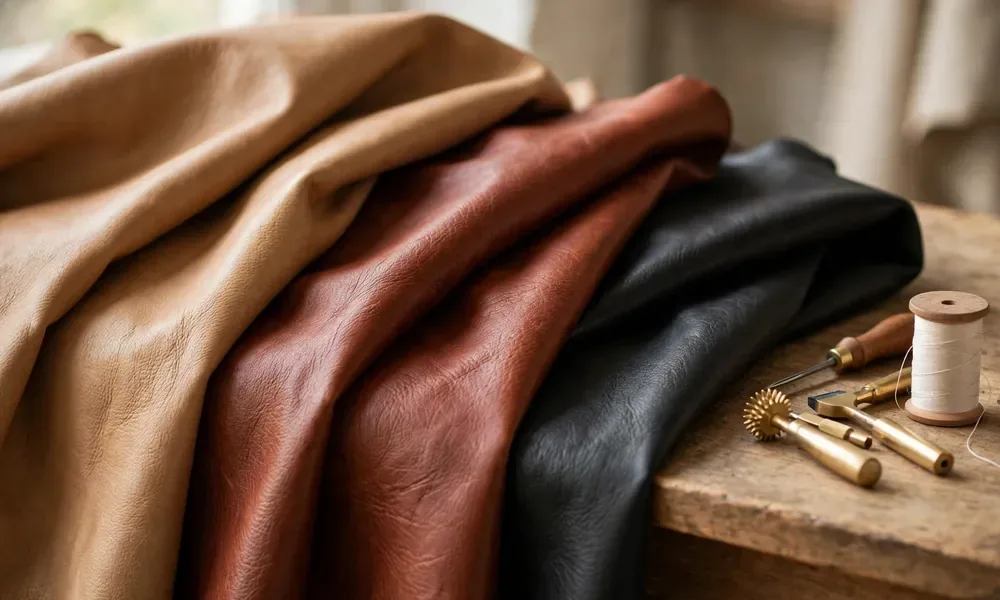
Before choosing a brand, know what separates excellent leather goods from expensive ones. Full-grain leather, the top layer of the hide with its natural grain intact, is the gold standard: it develops a patina, resists scratches better than corrected grain, and can be conditioned and repaired. Vegetable tanning uses plant-based tannins, producing leather that darkens beautifully but needs protection from water. Hand-stitching with waxed linen thread, known as saddle stitching, is stronger than machine stitching because each stitch locks independently — if one breaks, the seam holds.
Hardware matters too. Solid brass or palladium fittings outlast plated zinc alloy, and edge finishing — the painted, polished layers on a bag’s cut edges — is one of the clearest signs of a well-made piece. Run your finger along the edge: it should be smooth, even and free of cracks. The handbag trends for 2027 reward quiet construction over visible logos, which suits the houses in this guide. A good piece should feel substantial without being heavy, smell of leather rather than chemicals, and show stitching so even it looks drawn rather than sewn.
1. Hermès
Founded in Paris in 1837 as a harness workshop, Hermès remains the reference point for luxury leather goods. Its bags are made by a single artisan in its French ateliers, using leathers such as Togo, Clemence, Epsom and Box calf. The Birkin and Kelly are the most coveted handbags in the world, but its wallets and belts offer the same craft for far less.
What We Like: Unmatched leather selection; saddle stitching throughout; a repair service that can revive decades-old pieces; designs barely changed in half a century that still feel current.
What to Consider: Iconic bags are difficult to buy, often requiring a purchase history and patience; prices start high and rise regularly; the most famous styles are the most counterfeited, so buy only from the house itself.
2. Bottega Veneta
Bottega Veneta, founded in Vicenza in 1966, built its reputation on intrecciato — the hand-woven leather technique that became its signature. The house favours soft, unstructured shapes: the Jodie, the Pouch and the Andiamo showcase leather supple enough to fold yet structured enough to hold its form. The weave is not decoration; it distributes stress across the bag and makes the leather remarkably durable.
What We Like: The intrecciato weave is beautiful and genuinely functional; the leather is among the softest of any luxury house; the logo-free designs age without dating; the range runs from mini bags to large totes.
What to Consider: Soft construction means some styles lose shape if overstuffed; the woven surface can catch on sharp objects; prices have risen steeply, narrowing the gap with Hermès.
3. Loewe
Loewe began as a leather workshop in Madrid in 1846 and, after more than a century of quiet Spanish craftsmanship, has become one of the most creatively exciting leather houses of the moment. The Puzzle bag shows off the house’s technical skill, while the Flamenco and the Gate show how soft nappa leather can be shaped into something sculptural. Much of Loewe’s leather is vegetable-tanned, giving it a warm, natural hand.
What We Like: Inventive, architectural designs that still feel wearable; excellent nappa and grained leathers; strong value against Parisian rivals; a wide range of sizes and colours, including some of the best seasonal shades in luxury.
What to Consider: The most distinctive designs are the most recognisable, which may not suit buyers who prefer anonymity; softer leathers mark more easily; some seasonal colours are produced in small runs and sell out quickly.
4. Saint Laurent
Saint Laurent’s leather goods carry the house’s Parisian edge: sharp, structured, unmistakably confident. The Sac de Jour, the Kate and the LouLou have become modern classics, and the house is particularly strong in small leather goods — its wallets and card cases in grained leather with the YSL monogram are among the most bought entry points into luxury leather, with a firm grain that resists scuffs.
What We Like: Strong, structured silhouettes that hold their shape; grained leather that wears well daily; excellent small leather goods at a lower entry price; the celebrity bags that define the season often trace back to this house’s shapes.
What to Consider: The monogram hardware dominates some designs, limiting their discretion; structured bags can feel rigid beside softer Italian leather; seasonal styles rotate quickly, so some pieces date faster than the classics.
5. Valextra
Valextra, founded in Milan in 1937, is the connoisseur’s choice: a house that has never chased fashion and has instead perfected a small range of exquisitely finished bags. The Iside, with its architectural trapezoidal shape, is the signature, and the house’s hand-painted edges are widely considered the finest in the industry. The leather is smooth, firm and understated, and the bags carry no visible logo at all.
What We Like: Arguably the best edge finishing of any luxury brand; discreet, logo-free design; beautifully structured bags that keep their shape for years; a repair service that restores old bags.
What to Consider: The aesthetic is deliberately restrained, which some buyers find too quiet; the range is narrower than the bigger houses; boutiques are fewer, so seeing pieces in person takes effort.
6. Moynat
Moynat, founded in Paris in 1849, is older than Hermès’s bag business and spent much of the twentieth century as a trunk maker for travellers. Revived as a leather goods house, it now makes some of the most beautifully constructed bags in Paris, including the Réjane and the Gabrielle. The leather is firm and smooth, the stitching precise, and the trunk-making heritage shows in the rigidity and balance of its bags.
What We Like: Genuine trunk-making heritage and superb structure; distinctive designs rarely seen on the street; excellent craftsmanship below the most famous Parisian houses’ prices; hand-painted edges and careful finishing throughout.
What to Consider: Limited boutiques outside Paris and a handful of other cities; resale recognition is lower than the bigger names; the structured shapes may feel formal for everyday casual use.
7. Goyard
Goyard, founded in Paris in 1853, is the most discreet of the great Parisian houses — it does not advertise, does not sell online, and does not discount. Its signature is the hand-painted chevron canvas, but its leather goods are made to the same standard. Its small leather goods are prized by collectors for their slim profiles and durable construction.
What We Like: Extreme discretion and a loyal following; small leather goods that are slim, durable and beautifully finished; a heritage predating most competitors; pieces that hold their value well on resale.
What to Consider: No online sales and limited boutiques make buying inconvenient; the famous canvas pieces are not full leather, so purists should choose the all-leather lines; prices are high for the visibility you get.
8. Smythson
Smythson, founded in London in 1887, is the British specialist in small leather goods and travel accessories. Where other houses focus on handbags, Smythson excels at wallets, document cases, passport holders and desk accessories, all in its signature cross-grain leather. The house holds royal warrants and has supplied writers, diplomats and travellers for well over a century.
What We Like: The finest small leather goods on this list; cross-grain leather that resists scratches and water; classic British design that never dates; excellent value, most pieces well below the Parisian houses.
What to Consider: The handbag range is small beside the leather specialists; the aesthetic is traditional rather than fashion-forward; larger travel pieces are fewer than at the trunk-makers.
Background
Luxury leather goods began with travel. In the nineteenth century, Parisian trunk makers such as Goyard, Moynat and Louis Vuitton built cases for steamships and railways, and the skills they developed — selecting hides, cutting panels, reinforcing corners, finishing edges — became the foundation of the modern handbag. Hermès started with horse harnesses, which is why its stitching and leather selection still reflect saddlery standards. The handbag only became a daily essential in the twentieth century.
The second great shift came from Italy. In the post-war decades, workshops in Florence, Milan and Vicenza turned leather into a fashion statement, with houses such as Gucci, Bottega Veneta and Valextra developing the soft, supple leathers and hand-finishing that still define Italian luxury. Today the best houses combine both traditions: French rigour in construction and Italian softness in the hand. A bag’s price is set less by its logo than by the hours in its making — a single artisan can spend a full working day on one handbag.
That heritage also explains why the most rewarding way into this world is often not a handbag at all. A wallet, a card holder or a belt from a great house gives you the same leather, stitching and finishing for a fraction of the price, and it is the piece you will touch every day. Many collectors start there, and the best luxury gifts under $1,000 are often small leather goods from the houses in this guide.
The caveats that matter
Before spending four figures on leather, know the trade-offs that most often surprise first-time buyers.
| Issue | What it means | How to handle it |
|---|---|---|
| Waiting lists | Iconic bags may need a purchase history | Start with small leather goods |
| Patina and marks | Vegetable-tanned leather darkens and marks | Use a leather protector; accept the patina |
| Water damage | Untreated leather stains when wet | Keep pieces dry; condition regularly |
| Counterfeits | The most famous bags are the most copied | Buy only from the house itself |
| Repair costs | Restoration can cost hundreds | Budget for care; use the house’s service |
| Weight | Structured bags are heavy even empty | Try the bag loaded before buying |
| Resale value | Most bags lose value; only a few hold it | Buy to carry, not to profit |
| Colour transfer | Dark denim can stain light leather | Avoid pale bags with raw denim |
Checklist
- Check the leather: full-grain shows natural variation, not a uniform printed pattern.
- Inspect the edges: smooth, evenly painted, free of cracks or peeling.
- Test the stitching: even, tight and consistent, with no loose threads.
- Feel the hardware: solid brass or palladium feels heavy and cool; hollow fittings feel light.
- Ask about aftercare: confirm the house offers repair, re-edging and restoration.
- Carry it loaded: try the bag with your usual contents to check weight, strap drop and closure.
FAQ
Which luxury leather goods brand is the best overall?
Hermès is the benchmark for leather quality, construction and aftercare, with the strongest record of holding value. Bottega Veneta and Loewe are the strongest alternatives without a waiting list, while Valextra suits buyers who value discreet finishing above all.
Is full-grain leather really worth the extra cost?
Yes, for pieces you intend to keep. Full-grain leather develops a patina, resists damage better than corrected grain, and can be conditioned and repaired over decades. Corrected grain looks uniform when new but tends to crack and peel with age.
How do I tell a genuine luxury bag from a counterfeit?
Buy from the house or an authorised boutique, and be wary of any price that looks too good to be true. Genuine pieces have even stitching, cleanly finished edges, correctly spelled stamps and hardware with real weight. If buying second-hand, use a reputable authentication service before paying.
How should I care for a luxury leather bag?
Store it stuffed with tissue in its dust bag, away from sunlight and humidity. Wipe it with a soft, dry cloth after use, condition it two or three times a year with a maker-recommended product, and keep it away from water, perfume and dark denim. Have it professionally cleaned if stained rather than attempting a home remedy.
Do luxury leather bags hold their value?
A few do — most notably the Birkin and Kelly — but most bags lose value on resale, sometimes substantially. Treat a bag as a purchase for use, not an investment, and choose the piece you will carry most.
Which brand is best for small leather goods?
Smythson leads for wallets, document cases and travel accessories, with excellent cross-grain leather and fair prices. Hermès, Goyard and Saint Laurent also make outstanding small leather goods, and a wallet or card holder from any of them is often the smartest first purchase.
The bottom line
The best luxury leather goods brands share one quality no logo can fake: they make things properly, from good leather, by people who know their craft. Hermès sets the standard, Bottega Veneta and Loewe offer the most beautiful modern leather, Valextra and Moynat reward the buyer who looks past the famous names, and Smythson proves small pieces deserve the same care as large ones. Any of the eight houses here will give you a piece that earns its price over years of use.
Choose the brand whose leather you love to touch, whose shape fits your life, and whose aftercare you can rely on — then buy the piece you will actually carry every day. That is the only test that matters.
Meet Our Experts
Our fashion and luxury editors cover leather goods, handbags and accessories, drawing on reporting from the houses and ateliers in this guide. Articles are checked against current retail listings and brand information before publication.
Why Trust BrassSmile
BrassSmile covers fashion, beauty and luxury with a focus on pieces worth buying and keeping. Our guides prioritise craftsmanship, materials and long-term value over trends, and we only recommend brands with a verifiable record of quality.
Sources
Brand histories and craftsmanship details draw on published information from the eight houses in this guide, alongside reporting from Vogue, Harper’s Bazaar, Elle, The Financial Times and Business of Fashion on leather sourcing, construction and the luxury market.