A satin pillowcase looks like luxury at a bargain price. It is glossy, cool to the touch and smooth under your cheek, and it often costs a fraction of a silk one.
The confusion starts with the word itself. Most shoppers assume satin is a material, like cotton or silk. It is not: satin is a way of weaving fabric, and the same glossy weave can be made from polyester, silk, nylon, rayon or acetate.
Two cases that look identical on a screen can therefore behave very differently on a pillow. This guide explains what a satin pillowcase is, what it does for hair and skin, how it compares with silk and cotton, and how to buy and care for one.
Key takeaways
- Satin is a weave, not a fibre: the glossy face comes from long floating yarns, and the fibre underneath can be polyester, silk, nylon, rayon or acetate.
- Most satin pillowcases sold today are polyester satin: the slip of silk at a low price, but less breathable and apt to trap heat.
- A satin surface cuts friction against hair and skin compared with cotton, so it can mean fewer tangles and fewer sleep lines, but it does not repair hair or reverse ageing.
- Read the fibre line on the label, not the product name: “satin silk”, “silky satin” and “satin-feel” are marketing phrases, not fibre statements.
- No pillowcase is a treatment, and a case with no stated fibre and a price that seems too good to be true usually is exactly that.
What a satin pillowcase actually is
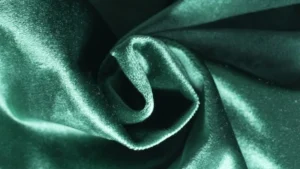
A satin pillowcase is a pillow cover made from satin-weave fabric. The weave floats warp yarns over several weft yarns before dipping under one, so long lengths of yarn sit on the surface. Those floats catch the light, giving satin its shine, and leave little texture to catch skin or hair, giving it its slip.
Turn the fabric over and the trick becomes visible. The back of a satin weave is noticeably duller than the glossy face, because the floats sit on one side only. If both sides look equally shiny, it is more likely a different weave with a coating than a true satin.
Satin is a weave, not a fibre
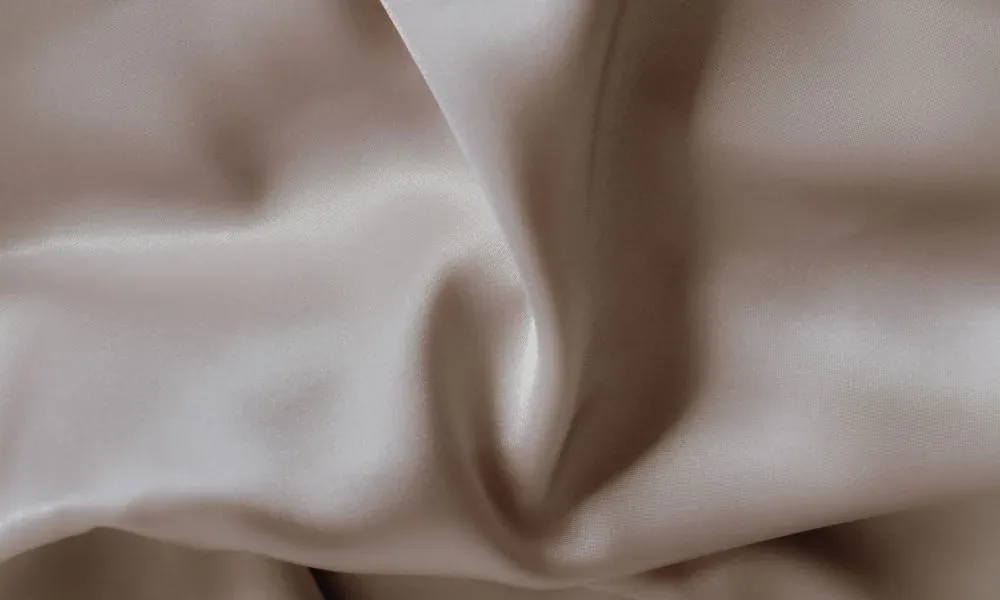
Two questions matter, and listings blur them: how was the fabric woven, and what is it made of? The weave decides the shine and the slip. The fibre decides how it breathes, how it washes, how long it lasts, and how it feels after a hot night.
Polyester is the fibre behind most satin pillowcases on sale today. It is cheap, strong, holds the glossy face well, and survives machine washing that would ruin silk. Its weakness is breathability: it absorbs almost no moisture, roughly 0.4 percent of its weight, so sweat and warmth stay trapped against the skin.
Silk satin is the original combination and the most expensive. Mulberry silk, woven in a satin weave, keeps the shine and slip while adding silk’s own qualities: it breathes, regulates temperature, and absorbs up to about 30 percent of its weight in moisture without feeling damp. It needs the gentlest care and costs several times more. Nylon, rayon and acetate satins exist too, but they are rarer, and acetate is often dry-clean only.
The fibres hiding under the satin name
The label is the only reliable witness. In most markets the fibre content must be stated by law, so a listing that never names a fibre is hiding something. Look for a plain statement such as “100% polyester” or “100% mulberry silk”.
Beware of phrases that sound like fibre statements but are not. “Satin silk” usually means polyester satin made to look like silk. “Silky satin” describes a feeling, not a fibre. “Satin-feel” promises nothing about what is underneath.
Price is a rough guide. A polyester satin case commonly sells for around fifteen to thirty dollars; a genuine silk satin case usually starts at fifty and can run past one hundred and fifty. A twelve-dollar case calling itself silk satin is almost certainly polyester.
What it does for hair and skin, and what it does not
The real benefit is friction, or rather the lack of it. Cotton grips hair and skin as you move in your sleep, roughing up the cuticle, the outer layer of each strand, and encouraging tangles, frizz and breakage. A smooth satin face lets hair glide instead of catching, so you wake with fewer tangles and less frizz.
The same logic applies to skin. A cotton case can crease against your cheek all night, leaving the temporary lines most people call sleep lines. A satin surface lets the face slide rather than grip, so those lines form less readily. It also absorbs less moisture and product than cotton, so night cream stays on your face.
What satin cannot do is just as important. No pillowcase reverses ageing, smooths set wrinkles, or repairs damaged hair. A satin case reduces the nightly wear that makes those things worse; it does not undo them. The benefit is also smaller for back sleepers, whose face barely touches the pillow.
The fibre underneath changes the benefit. Polyester satin gives you the slip, but its poor breathability can trap heat and sweat, which may irritate acne-prone skin and leave fine hair limp. Silk satin keeps the slip while breathing and managing moisture, which is why it suits sensitive skin better. Our guide to silk protein for hair explains what the silk fibre itself contributes.
Satin vs silk vs cotton at a glance
Cotton is a fibre with a plain weave, silk is a fibre usually woven in a satin weave, and satin is a weave that can hold any fibre. The table compares polyester satin, the case most shoppers buy, with mulberry silk and standard cotton.
| Detail | What is known |
|---|---|
| What satin means | A weave with long floating yarns and a glossy face, not a fibre |
| Typical satin fibre | Polyester in most listings; silk satin is the premium version |
| Surface friction | Low for satin and silk, so fewer tangles than cotton |
| Breathability | Silk breathes; polyester satin traps heat; cotton absorbs moisture |
| Moisture and products | Satin and silk absorb little, so night creams stay on skin; cotton wicks them away |
| Care | Polyester satin is machine washable; silk satin needs cool hand washing and air drying |
| Typical price | Polyester satin 15 to 30 dollars; silk satin about 50 to 150 dollars |
| Main weakness | Polyester satin can pill and feel clammy; silk satin is delicate and costly |
Who a satin pillowcase suits best
Satin suits curly and textured hair first. Curls are more fragile than straight hair, so the nightly drag of cotton does more damage to them. A satin case lets curls slide, which means less frizz in the morning and styles that survive the night.
It also suits anyone whose hair breaks easily, whether from colouring, heat styling or fine strands. Breakage is a friction problem as much as a strength problem, and cutting the nightly friction is one of the cheapest ways to slow it.
For skin, the best candidates are side sleepers, who press one cheek into the pillow for hours, and people who use rich night products. If your skin is sensitive or acne-prone, the fibre matters more than the weave: silk satin is the safer choice. Our roundup of silk pillowcases for skin is the better starting point if skin is your main concern.
Checklist: before you buy a satin pillowcase
- The fibre is stated plainly, such as 100% polyester or 100% mulberry silk, with no “satin silk” wording.
- The satin is on the outside face, with neat enclosed seams and a closure you can live with.
- The size matches your pillow, measured in inches or centimetres rather than guessed from a size name.
- The care label fits your laundry habits: polyester satin tolerates a gentle machine cycle, silk satin needs hand washing.
- The price matches the fibre: fifteen to thirty dollars points to polyester, fifty and above to genuine silk satin.
- The seller shows the back of the fabric and a close-up of the weave, not only a styled bedroom shot.
Care: washing and keeping the shine
Polyester satin is the forgiving one: turn it inside out, place it in a mesh laundry bag, wash on a cold or warm gentle cycle up to about 40 degrees with a mild liquid detergent. Skip bleach and fabric softener, since softener dulls the sheen and bleach weakens the fibre.
Silk satin needs the opposite treatment. Hand wash in cool water, no warmer than about 30 degrees, with a pH-neutral detergent, swishing gently rather than scrubbing. Rinse until the water runs clear, press the water out between towels, and never wring it. Dry it in the shade. Our guide to how to wash a silk pillowcase covers the silk routine step by step.
For both kinds, wash the case every week, or every two to three days if you use heavy hair oils or acne treatments. Wash it separately from towels, zips and hook-and-loop fasteners, which snag the weave.
Frequently asked questions
Is a satin pillowcase the same as a silk pillowcase?
No. Satin is a weave and silk is a fibre. A silk pillowcase is made from silk fibre, usually woven in a satin weave. A satin pillowcase is made in a satin weave from any fibre, and most on sale are polyester.
Is satin good for your hair?
Yes, in the sense that it reduces friction. Hair glides across a smooth satin surface instead of catching, so there are fewer tangles, less frizz and less breakage overnight than with cotton. It will not repair damaged hair.
Does a satin pillowcase prevent wrinkles?
It can reduce the temporary sleep lines that form when your face is pressed against a pillow all night, because the smooth surface lets skin slide rather than grip. It does not prevent or reverse wrinkles from ageing or sun exposure.
Is satin hot to sleep on?
Polyester satin can be. It absorbs almost no moisture and does not breathe well, so it can trap heat and sweat and feel clammy by morning. Silk satin breathes far better, which is one of the main reasons it costs more.
How often should you wash a satin pillowcase?
About once a week, and every two to three days if you use heavy night creams, hair oils or acne treatments. Polyester satin can go in a gentle machine cycle in a mesh bag; silk satin should be hand washed in cool water and air-dried.
Why is my satin pillowcase losing its shine?
Usually heat, harsh detergent or friction in the wash. Hot water, a hot dryer, bleach and fabric softener all dull the glossy face. Wash it inside out in a mesh bag, keep the water cool, and skip softener.
The bottom line
A satin pillowcase is a cover woven in a satin weave, and the word on the label that matters most is not satin but the fibre underneath it. Polyester satin gives you the look and the slip at a low price, with easy washing and a tendency to trap heat. Silk satin gives you the same shine with breathability, at a far higher price and with gentler care.
If you sleep on your side, have curly or fragile hair, or use rich night products, a satin case is a cheap experiment worth trying. If you sleep hot or have sensitive skin, save for silk satin instead, and read the fibre line before you read the price.
Note: This guide is general shopping advice, not medical advice. If you have a skin condition or a silk allergy, check with a clinician before switching bedding, and confirm the fibre and care details on the seller’s page before buying.
Meet Our Experts
Our editors cover luxury bedding, fashion and beauty, and this guide was compiled from published textile guidance and manufacturer fibre specifications.
Why Trust BrassSmile
We compare published specifications rather than marketing copy, and say plainly where a claim is a weave description rather than a fibre statement.
Sources
Published textile and bedding care guides and manufacturer fibre specifications.