The best luxury pen brands understand something that a disposable pen never will: writing is not only about getting words onto paper. A fine pen changes how writing feels, how it looks, and how the person holding it thinks about the moment. The weight of a balanced barrel, the glide of a gold nib across good paper, and the quiet click of a well-made cap are small pleasures, but they are the reason people still buy pens that cost more than a month of groceries.
Choosing among them is harder than it looks, because the name on the barrel does not tell the whole story. One brand is famous for its black resin and white star, another for buttery smooth nibs, and a third for celluloid colours that look poured from a sunset. Price, heritage, nib quality, filling system, and aftercare all matter, and the right answer depends on whether the pen will sign contracts, fill a journal, or sit in a presentation case.
Below are nine brands worth considering, from the classic German and French houses to Italian makers known for colour and Japanese makers known for precision. Each one is described by what it does best and what to watch for, so you can choose a pen you will actually enjoy writing with, not only admire on a shelf.
Key takeaways
- The best luxury pen brands are judged on nib quality, balance, materials, and aftercare, not on the logo alone.
- Fountain pens suit slow, expressive writing and good paper, while rollerballs and ballpoints suit quick notes, forms, and travel.
- Gold nibs are smoother and more flexible than steel, but a well-tuned steel nib can write beautifully for far less money.
- Try the nib size in person where possible, because a medium nib from one brand can write like a fine nib from another.
- No pen writes well on poor paper, and even the finest nib will feather, bleed, or skip if the ink and paper do not suit each other.
What makes a pen a luxury pen
A luxury pen starts with materials that are chosen for how they age, not only for how they look on day one. Precious resin, celluloid, lacquer over brass, sterling silver, and ebonite feeds are the materials that define the category. They feel warm in the hand, they take a polish, and they develop a character over years of use instead of looking tired after a month in a pocket.
The nib is where the money is most visible. A gold nib, usually 14k or 18k, is softer and more forgiving than steel, and it can be tuned by a nib specialist to match a writer’s pressure and angle. A good nib starts without scratching and keeps a steady flow without flooding. A poor nib, whatever the price, will skip, hard-start, or scratch, and no amount of branding fixes that.
Balance matters just as much. A pen that is heavy at the back will tire a hand during a long letter, while one that is too light can feel insubstantial. Weight, length, and grip diameter should suit the hand that will use the pen every day.
Finally, a luxury pen comes with service. The best brands offer nib adjustment, repairs, spare parts, and servicing for decades. That aftercare is part of what you are paying for, and it is the difference between a pen that lasts a lifetime and one that becomes a paperweight when a seal fails.
What to look for in a luxury pen
Look first at how you actually write. If you write longhand every day, a fountain pen with a converter or piston filler and a nib that matches your handwriting size is the natural choice. If you sign documents, fill in forms, or write on the move, a rollerball or a ballpoint from the same house may serve you better.
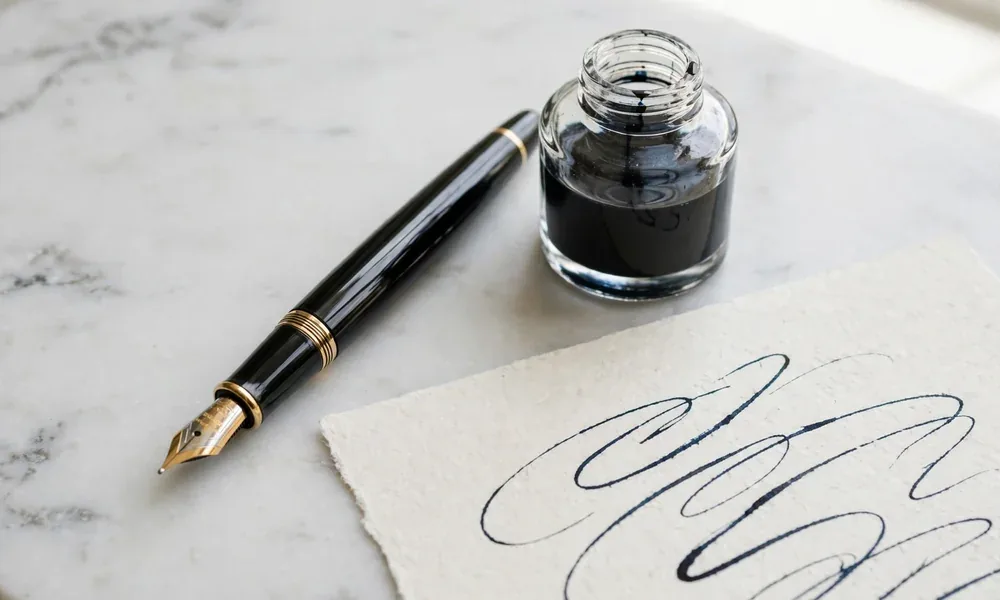
Look next at the nib and the filling system. A piston filler holds more ink and suits a daily writer, a cartridge and converter system is easier to clean and to swap between colours, and a vacuum filler suits an enthusiast. Nib sizes vary between brands, so a Japanese fine is usually finer than a European fine, and a broad nib needs smooth, heavier paper to show its line without feathering.
Look last at the details that show care: a cap that seals well so the pen starts at once after a week unused, threads that turn smoothly without wobble, a clip that grips without bending, and a finish that resists fingerprints and scratches. A pen that will be given as a gift deserves the same attention, and our guide to designer gifts under $500 is a useful place to compare pens with other luxury presents at a similar price.
Montblanc
What we like: The Meisterstuck 149 is the most recognised luxury fountain pen in the world, with a large, smooth 18k gold nib, a piston filler, and a presence that suits signing and ceremony. The black precious resin and white star are instantly understood in any boardroom.
What to consider: Premium pricing, a large and fairly heavy pen that can overwhelm a small hand, and a nib that some writers find broad and wet. Best for: Signatures, gifts, and collectors. Nib: 18k gold, extra fine to broad. Filling: Piston. Price range: High.
Parker
What we like: The Duofold is a century-old design with a generous 18k gold nib, a balanced barrel, and a choice of lacquer and precious finishes. Parker also makes excellent rollerballs and ballpoints for writers who want the same house at a lower price.
What to consider: The Duofold is a large pen, and the more affordable Parker lines are not in the same league as the Duofold. Best for: Everyday writing and classic style. Nib: 18k gold on the Duofold. Filling: Cartridge and converter. Price range: Mid to high.
Waterman
What we like: French elegance at a more approachable price, with smooth 18k gold nibs, slim profiles, and finishes from lacquer to guilloche. The Expert and Carene are comfortable daily writers that feel lighter than their German rivals.
What to consider: Some models feel slimmer than expected, and the nibs run slightly broader than their Japanese equivalents. Best for: Daily writing and elegant gifts. Nib: 18k gold on most fine lines. Filling: Cartridge and converter. Price range: Mid.
Pelikan
What we like: The Souveran range, led by the M800 and M1000, pairs a large piston filler with a smooth, slightly springy gold nib and striped celluloid acetate barrels that are unmistakable. Pelikan nibs are famously easy to swap, so a writer can change nib size without buying a new pen.
What to consider: The striped design is distinctive and not to every taste, and the largest models are substantial pens. Best for: Long writing sessions and ink lovers. Nib: 14k or 18k gold, extra fine to broad. Filling: Piston. Price range: Mid to high.
Visconti
What we like: Italian colour and drama, from the Homo Sapiens in volcanic lava resin to the Van Gogh range inspired by famous paintings. Visconti nibs are large, expressive, and often available in distinctive grinds, and the magnetic caps close with a satisfying snap.
What to consider: Some models are heavy, the styling is bold rather than discreet, and quality control has varied in the past, so buy from a trusted retailer. Best for: Collectors and writers who love colour. Nib: 18k or 23k palladium gold. Filling: Piston, cartridge, or vacuum. Price range: Mid to high.
Visconti suits a writer who wants a pen with personality rather than discretion.
Aurora
What we like: Handmade in Turin since 1919, Aurora makes the Optima and the 88, two pens with beautifully tuned 18k gold nibs, elegant proportions, and a choice of piston or cartridge filling. The nibs are known for a smooth, controlled line and a slightly firm feel.
What to consider: Less widely stocked than Montblanc or Parker, so servicing may take longer outside Italy. Best for: Refined daily writing. Nib: 18k gold. Filling: Piston or cartridge and converter. Price range: Mid to high.
Graf von Faber-Castell
What we like: The pen division of the Faber-Castell family makes understated, beautifully engineered pens in wood, lacquer, and precious metal. The nibs are hand-tuned, the mechanisms are precise, and the design is calm rather than showy.
What to consider: The styling is deliberately quiet, so it will not impress anyone who wants a pen to be noticed. Best for: Discreet luxury and desk writing. Nib: 18k gold, hand-tuned. Filling: Cartridge and converter or piston. Price range: Mid to high.
Graf von Faber-Castell suits a writer who values craft over display.
S.T. Dupont
What we like: The Paris house behind the famous lighters also makes pens with lacquer, palladium, and gold finishes that feel like jewellery. The Line D is a slim, elegant pen with a fine nib and a satisfying weight, and the lacquer work is among the best in the category.
What to consider: The pens are slim and light, which some writers find less comfortable for long sessions, and the prices reflect the finishing. Best for: Gifts and formal occasions. Nib: 14k gold on fountain pens. Filling: Cartridge and converter. Price range: High.
S.T. Dupont is the most decorative brand on this list: a beautiful object first, and for a gift or a ceremony, that is exactly the point.
Pilot and Namiki
What we like: Pilot makes some of the finest nibs at any price, from the Custom 823 with its vacuum filler and 14k gold nib to the Vanishing Point, the retractable fountain pen. Namiki, Pilot’s luxury line, adds maki-e lacquer art that turns a pen into a small piece of Japanese craft.
What to consider: Japanese nibs run finer than European ones, so a medium can feel like a fine, and the Vanishing Point holds less ink than a piston filler. Best for: Precise writing and small handwriting. Nib: 14k or 18k gold. Filling: Vacuum, cartridge, or converter. Price range: Mid to very high.
Pilot and Namiki suit a writer who values precision, and the Custom 823 is often named the best value in luxury pens.
Choosing a pen for how you write
A daily journal writer and a person who signs ten documents a day need different pens. The journal writer should choose a fountain pen with a generous ink supply, a nib that matches their handwriting size, and a grip that stays comfortable for an hour. A piston or vacuum filler means fewer interruptions to refill.
A signer needs a pen that starts at once, every time. A rollerball or a well-sealed fountain pen is the practical choice, and a slightly broader nib makes a signature look confident. Test it on the paper you will actually sign, because cheap office paper can make even a good nib feather.
A gift buyer should think about the recipient, not about the brand they would choose for themselves. A slim pen suits a small hand and a shirt pocket, a larger pen suits a desk, and a rollerball suits someone who has never used a fountain pen and may not want to learn. A pen is one of the most personal gifts a person can receive, and it sits naturally beside other considered presents, as our guide to gifts below $300 shows, where a fine pen competes with leather goods, jewellery, and experiences at the same budget.
Paper and ink deserve the same attention as the pen. A smooth, slightly heavy paper, around 80 to 100 grams per square metre, shows a fountain pen at its best, while thin copy paper will feather and bleed. A standard blue or black ink from the pen’s own maker is the safest first choice.
The caveats that matter
A luxury pen is not automatically a better writing experience than a good mid-priced pen. Some famous pens are bought for the name and rarely used, and some modest pens are tuned so well that they out-write a pen costing ten times as much. The honest test is simple: write a page with the pen before you buy it.
Maintenance is the other quiet cost. A fountain pen needs to be flushed with water when the ink is changed, and it should not be left unused for months with ink inside. A gold nib should not be pressed hard, because pressure springs the tines and ruins the line.
| Detail | What is known |
|---|---|
| Best first luxury pen | A medium-nib fountain pen from Montblanc, Pelikan, or Pilot, chosen after a writing test |
| Best nib for beginners | A smooth medium gold nib, or a well-tuned steel nib at a lower price |
| Best filling for daily writing | Piston or vacuum filler, for generous ink capacity and fewer refills |
| Best choice for signing | A rollerball or a well-sealed fountain pen that starts at once |
| Best paper | Smooth paper of 80 to 100 grams per square metre, to prevent feathering and bleed |
| Who should avoid a broad nib | Small handwriting, cheap paper, and anyone who writes on forms or in small boxes |
| Care that matters most | Flush with water when changing ink, and never leave ink in an unused pen for months |
| What price does not guarantee | A smooth nib, a comfortable balance, or a pen that suits your hand |
Counterfeits are a real risk with the most famous brands, especially online. Buy from an authorised retailer, check the serial number where one is provided, and be wary of a price far below the usual retail price.
Checklist: choosing a luxury pen honestly
Use these checks before you buy, and again after a week of writing with the pen.
- Write a full page with the pen before buying, on the paper you normally use.
- Check the nib size: a Japanese fine is finer than a European fine, so compare the line, not the label.
- Check the balance: hold the pen posted and unposted, and write for several minutes, not seconds.
- Check the cap seal: a pen that starts at once after a week unused is worth more than a prettier one that hard-starts.
- Check the filling system and ink capacity against how much you write each day.
- Check the aftercare: confirm the warranty, servicing, and nib adjustment offered by the retailer and the maker.
Frequently asked questions
What is the best luxury pen brand for a first fine pen?
Montblanc, Pelikan, and Pilot are the safest first choices, because their nibs are consistent, their servicing is widely available, and their pens hold their value. The best of the three is the one that feels most comfortable in your hand after a writing test.
Are gold nibs worth the extra money?
Often yes, for a daily writer. A gold nib is smoother, more forgiving of pressure and angle, and can be tuned more precisely than steel. A well-tuned steel nib can still write beautifully, so the extra money is best spent once you know you enjoy writing with a fountain pen.
What nib size should I choose?
Choose by your handwriting and your paper. Fine suits small writing and cheap paper, medium suits most writers and most paper, and broad suits large writing and smooth, heavy paper. Remember that a Japanese medium writes finer than a European medium, so test the line rather than trusting the label.
Can I travel with a fountain pen?
Yes, with care. Keep the pen nib up and carry it in a case rather than loose in a bag. Changes in air pressure can push ink out of a full pen, so a pen that is either full or empty travels better than one that is half full.
How do I look after a luxury pen?
Flush it with clean water when you change ink, store it nib up or lying flat, and do not leave ink inside an unused pen for months. Have the nib checked by a specialist if the line changes, and send a piston filler for service every few years.
Is a luxury pen a good gift?
Yes, when it is chosen for the recipient. A rollerball suits a person who has never used a fountain pen, a slim pen suits a small hand, and a classic black pen suits a formal occasion. Pair it with good paper and a bottle of ink, and it becomes a gift that is used rather than displayed. For a broader sense of what pairs well with a fine pen, our guide to diamond jewellery for winter shows how a pen sits alongside other luxury gifts that are chosen to be kept and worn for years.
The bottom line
The best luxury pen brands are the ones that make writing feel better, not only look better. Montblanc is the classic, Pelikan is the writer’s choice, Pilot is the precision choice, and the Italian houses are the choice for colour and character. The right pen is the one that fits your hand, matches your handwriting, and starts smoothly every time you pick it up.
Choose one pen, write with it every day for a month, and judge it on how it feels at the end of a page rather than how it looks in a case. A luxury pen earns its price slowly, one line at a time.