A wool cushion is the quietest way to make a living room feel warmer. One thick, textured square on a plain sofa adds depth and softness, for the price of a dinner out rather than new furniture. It is the cushion reached for first on cold evenings.
Done badly, though, wool is unforgiving: a thin, scratchy cushion with a loose knit pills within weeks, while a well-made one keeps its shape for years. The difference is rarely the label: loosely spun yarn sheds and snags, while a mid-priced tightly woven cushion can be brushed, aired and sat against every day.
Below are nine luxury wool cushions for 2027, chosen by fibre, texture and purpose.
- Key takeaways: Merino and baby alpaca are softest for cushions you lean against, while lambswool and Shetland wool are hardiest for everyday family sofas.
- A good wool cushion feels dense and springy, holds its shape when pressed, and plumps back with a quick shake.
- Undyed and deep colours hide pilling best; pale cream shows every mark.
- Size matters: a 50-centimetre square suits a three-seat sofa; a lumbar cushion suits a deep sofa or the end of a bed.
- No wool cushion is truly low-maintenance; one that pills heavily, sheds constantly or cannot be spot-cleaned is not worth keeping.
What a Luxury Wool Cushion Actually Is
Wool is a natural fibre with a crimped, springy structure, which is why a wool cushion keeps its loft instead of going flat. The fibres trap air, so the cushion feels warm in winter and breathable in summer. A luxury wool cushion has fibre fine enough to feel soft, yarn spun tightly enough to resist pilling, and seams that sit flat.
The fibre is what separates a luxury cushion from a cheap one. On a good cushion the surface is even, the knit or weave is tight, and the filling, usually feather or a feather blend, can be shaken back into shape. On a poor one the yarn is loose, the cover bags at the corners, and the seams pull. A well-made cushion has a hidden zip, a removable cover, and a filling that supports your back without feeling stiff.
Wool cushions belong wherever a room needs warmth: on a plain sofa, in a reading corner, or at the end of a bed. Our guide to the best luxury wool throws shows how the same fibres work at a larger scale.
How We Chose These Cushions and What to Look For
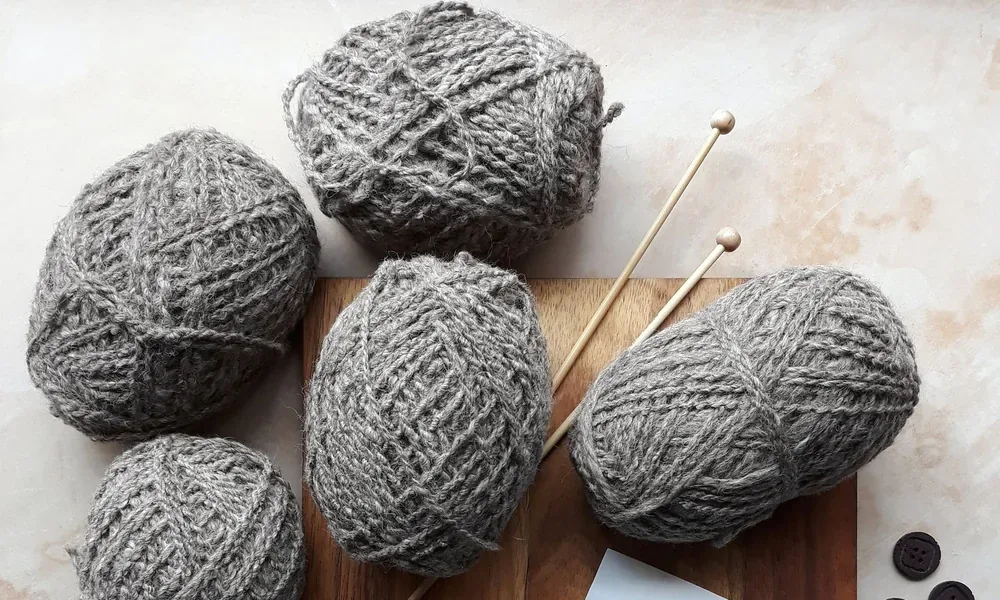
Look first at the fibre and the fineness. Merino should feel smooth against your wrist; baby alpaca should feel almost silky. Lambswool and Shetland wool feel springier and slightly firmer, which suits a busy family sofa. If a cushion prickles your wrist in the shop, it will prickle your neck at home.
Look next at the knit or weave, the size and the filling. A tight cable knit or dense herringbone holds its shape far longer than a loose, open knit. A 50-centimetre square suits most three-seat sofas, while a large corner sofa can take 60-centimetre squares and a long lumbar cushion. Feather filling gives the soft, slumped look that reads as luxury; hollowfibre pads go lumpy.
Finally, check the care label before you buy. Most wool cushion covers need dry cleaning or a gentle cold hand wash, so a cover that cannot be removed is a poor choice for everyday use. Deep, muted tones hide marks best: forest green, rust, slate, oatmeal and charcoal; undyed cream shows everything.
The 9 Best Luxury Wool Cushions of 2027
1. The Classic Merino Square in Undyed Cream
What we like: A 50-centimetre square in undyed cream merino, with a fine, smooth surface and feather filling that plumps back easily. It is the softest cushion here.
What to consider: Undyed cream shows marks quickly, so it suits a calm room better than a busy family sofa.
Best For: Bedrooms and quiet living rooms. Material: Pure merino wool. Price Range: £55–£95. Standout Feature: The fine, prickle-free merino surface.
2. The Chunky Cable-Knit Cushion in Oatmeal
What we like: A thick cable-knit cover in warm oatmeal, with a deep, raised texture that reads as handmade and cosy. The chunky knit gives it real presence on a plain sofa.
What to consider: The raised cables can snag on jewellery and pet claws.
Best For: Winter living rooms and reading corners. Material: Chunky-spun lambswool blend. Price Range: £45–£80. Standout Feature: The deep cable-knit texture.
3. The Baby Alpaca Lumbar in Warm Taupe
What we like: A long lumbar cushion in warm taupe baby alpaca, silky and almost weightless, with a soft drape. It supports the lower back well on a deep sofa.
What to consider: Baby alpaca is delicate, so this is for leaning against, not wrestling with, and it needs dry cleaning.
Best For: Deep sofas and beds. Material: Baby alpaca. Price Range: £70–£120. Standout Feature: The silky, lightweight alpaca fibre.
4. The Felted Wool Square in Forest Green
What we like: A dense felted wool square in deep forest green, with a smooth, almost suede-like surface that never pills. Felted wool is the hardest-wearing cushion here.
What to consider: Felted wool feels firmer than a knit, and the dark green can shed a little at first.
Best For: Everyday family sofas. Material: Felted pure new wool. Price Range: £50–£85. Standout Feature: The pill-proof felted surface.
5. The Lambswool Bouclé Cushion in Ivory
What we like: A lambswool bouclé cushion in soft ivory, with a nubby, cloud-like texture. Bouclé is the most tactile cushion here.
What to consider: The looped texture traps dust, so it needs regular shaking out, and ivory needs a removable cover.
Best For: Feature chairs and light, airy rooms. Material: Lambswool bouclé. Price Range: £55–£90. Standout Feature: The soft, nubby bouclé loops.
6. The Herringbone Woven Cushion in Slate and Rust
What we like: A tightly woven herringbone cushion in slate grey crossed with rust, with a crisp, tailored finish and piped edges. The two-tone pattern hides marks better than any plain cushion.
What to consider: The tailored look suits a formal room better than a slouchy sofa.
Best For: Formal living rooms. Material: Woven wool blend. Price Range: £50–£85. Standout Feature: The crisp herringbone weave.
7. The Shetland Wool Cushion in Heather Grey
What we like: A springy Shetland wool cushion in soft heather grey, lightly flecked, firm and supportive. Shetland wool is naturally hardy, so this cushion keeps its shape through years of daily use.
What to consider: Shetland wool is the firmest fibre here, so it feels less plush than merino.
Best For: High-traffic sofas. Material: Shetland wool. Price Range: £40–£70. Standout Feature: The hardy, shape-holding fibre.
8. The Reversible Wool-and-Linen Cushion in Moss Green and Stone
What we like: A reversible cushion with a moss-green wool face and a cool stone linen back, so one cushion gives two looks. Flip it to linen in summer and wool in winter.
What to consider: The linen side can look plain next to the rich wool face, and the wool side still needs dry cleaning.
Best For: Rooms that change with the seasons. Material: Wool and linen blend. Price Range: £55–£95. Standout Feature: The two-season reversible design.
9. The Washable Wool-Blend Cushion in Soft Terracotta
What we like: A wool-blend cushion in soft terracotta with a removable cover that can be machine washed on a cold, gentle cycle. It is the most practical cushion here.
What to consider: The blend feels less luxurious than pure merino, and hot water will shrink it.
Best For: Homes with children and pets. Material: Wool blend with a washable cover. Price Range: £40–£75. Standout Feature: The machine-washable cover.
Know Your Wool: Merino, Lambswool, Alpaca and Shetland
Merino is the finest and softest common wool, with fibres so fine they bend against the skin instead of prickling. Lambswool is the first shearing of a young sheep: springy, warm and a little firmer. Baby alpaca is silkier and lighter than sheep wool, with a soft drape that suits lumbar cushions.
Shetland wool comes from a hardy island breed and is the toughest of the four, with a dry, springy hand that keeps its shape for years. Blends mix wool with linen or cotton to add strength and washability, and a good blend can be the most practical choice for a busy home. Our guide to how to choose a wool blanket explains the same fibres in more depth.
The Caveats That Matter
Wool has real limits: moths love undisturbed wool, some fibres prickle, and the wrong wash can shrink a cover beyond rescue.
| Detail | What is known |
|---|---|
| Pilling | Loose, short-fibre yarns pill most; tight weaves pill least, and a fabric comb removes early pills. |
| Prickliness | Coarse fibres above about 25 microns can prickle; merino and baby alpaca are usually comfortable against bare skin. |
| Moths | Clothes moths eat undisturbed wool; store cushions clean and dry, and air them regularly in use. |
| Washing | Most pure wool covers need dry cleaning or cold hand washing; hot water and agitation cause felting and shrinkage. |
| Shedding | New wool cushions can shed for a few weeks; regular shaking and vacuuming helps. |
| Sunlight | Strong sun fades dyed wool; keep deep colours out of direct sun or rotate cushions. |
| Allergies | True wool allergy is uncommon, but lanolin and dust in the fibre can irritate sensitive skin; washable covers help. |
| Cost | Pure merino and baby alpaca cost most; Shetland wool and blends give the best value. |
Your Wool Cushion Checklist
- Press the surface: a good cushion springs back, a poor one stays dented.
- Rub the fabric against your wrist to test for prickle.
- Check the cover has a hidden zip and can be removed for cleaning.
- Read the care label: dry clean only, cold hand wash, or machine washable on cold.
- Measure your sofa first: 50 centimetres suits a three-seat sofa, 60 centimetres suits a corner sofa.
- Buy one strong colour first, and check it in your own light.
Frequently Asked Questions
Are wool cushions comfortable to lean against?
Yes, if the fibre is fine enough: merino and baby alpaca feel soft against bare skin, while coarser Shetland wool can prickle. Test it against your wrist before buying, and choose a finer fibre for cushions you lean on for hours.
How do you clean a wool cushion?
Remove the cover if it has a zip, and follow the label: most pure wool covers need dry cleaning or a cold hand wash. Blot spills at once, and never rub wet wool, because it can felt. Why wool throws are worth it covers the same gentle care routine for larger wool pieces.
Can you use wool cushions every day?
You can, with a hardy fibre: felted wool, Shetland wool and tight weaves cope with daily use, while baby alpaca and pale merino suit quieter rooms. Plump and air them regularly, and rotate them so one side does not wear faster.
Why do some wool cushions pill?
Pilling happens when short, loose fibres work their way out of the yarn and tangle on the surface. Loose knits pill most, while tight weaves and two-ply yarns pill least. A fabric comb removes early pills without damaging the cover.
What size wool cushion should I buy?
A 50-centimetre square is the most versatile size for a three-seat sofa, while a 45-centimetre square suits a loveseat or armchair. A lumbar cushion of about 90 by 30 centimetres works on a deep sofa or at the end of a bed.
Are luxury wool cushions worth the money?
They are, if the cushion is well made and you will live with it for years. A good wool cushion keeps its shape, texture and colour, while a cheap one pills, bags and flattens within a season. Spend more for finer fibre on cushions you lean against.
The Bottom Line
The best luxury wool cushion matches how you actually live: merino or baby alpaca for softness in quiet rooms, felted wool or Shetland wool for everyday use, and a washable blend if children or pets share the sofa. The classic merino square is the most versatile piece here, but the felted wool square in forest green is the one most homes will reach for most often.
Test the fibre against your skin and check the care label before you pay. A wool cushion bought well is enjoyed for years.
Note: Fibre details and prices here are typical ranges that vary between makers; always check the label on the individual cushion before buying, as composition, care instructions and prices change.
Meet Our Experts
Our home and lifestyle editors cover luxury interiors, fabrics and seasonal styling, and review each guide against current boutique listings and published fabric guidance before it is published.
Why Trust BrassSmile
We describe fabrics, fits and care from verifiable specifications and published reviews, and we flag the caveats that matter, such as cleaning needs and pilling, rather than only the selling points. We do not accept payment for placement in our guides.
Sources
Byrdie, Vogue, Harper’s Bazaar, Elle Decoration, and published fabric and care guidance from luxury interiors houses.