The first time I priced a proper wool throw, I put it back on the shelf. One hundred and fifty dollars for a blanket that covers one person on one sofa, when a soft acrylic throw in the same shop cost thirty and looked, from three feet away, almost identical. On paper, the wool throw was the worst deal in the living room.
Three winters later, the acrylic throw had gone flat and pilled into something I was embarrassed to leave on the sofa, while the wool throw I eventually bought was still holding its shape, still warm, and still the first thing anyone reached for on a cold evening. Used most nights from October to March, it had quietly stopped looking like a luxury.
This is an opinion, not a laboratory test. If you want the cheapest warm thing you can buy today, wool will lose. If you want the throw you still reach for in five winters, and you are willing to pay for the years rather than the afternoon, it is hard to beat.
Key takeaways
- A good wool throw typically costs $90 to $220, against $25 to $50 for a lookalike acrylic throw, but a wool throw commonly lasts five to ten years where the acrylic one is usually replaced within two.
- Divided by evenings of use, a $150 wool throw used 120 evenings a year for five years costs about 25 cents per use, while a $35 acrylic throw replaced every eighteen months costs more over the same period.
- Wool warms by trapping air in its crimped fibres and keeps warming when damp, which is why a thinner wool throw often feels warmer than a thicker synthetic one.
- The price is earned by fibre fineness, weave density, and honest labelling: merino under 20 microns feels smooth, a dense weave holds its shape, and the label should state the exact wool percentage.
- A wool throw is not worth it if you need machine-wash-every-week convenience, if anyone in the house is genuinely sensitive to wool, or if you will replace it for fashion next season anyway.
The first objection: the price tag
Let us start with the honest objection, because it is the one that sends most shoppers to the cheaper shelf. A wool throw costs three to six times more than an acrylic throw of the same size, and on the first evening the difference is almost invisible. Both are soft enough. Both are warm enough for one evening. The acrylic one may even feel softer at first touch, because its fibres are engineered to feel that way on day one.
That first impression is real, and it is also the whole trick. An acrylic throw is at its best the day you buy it. Every wash makes it a little flatter, a little more pilled, a little less like the thing you brought home. Wool runs the other way. It is the fibre that holds its loft, resists crushing, and springs back after being folded and unfolded a thousand times.
What the price actually buys
Strip away the marketing and a wool throw’s price is paying for three things: the fibre, the weave, and the honesty of the label. The fibre is the biggest share. Fine merino, at under 20 microns, is expensive because the sheep produce less of it and the sorting is slower; coarser wool above 30 microns is cheaper and itches, which is why a cheap “wool” throw can feel like a hair shirt.
The weave is the second share. A dense, even weave at a proper weight holds warmth, keeps its shape, and hides wear. A loose, open knit looks wonderfully cosy folded over an arm and lets the heat straight through, which is why the chunky cable-knit throw that photographs so well is often the least warm throw in the room.
The label is the third, and it is where the money is most often wasted. A throw sold as wool can be mostly acrylic, and the headline rarely says so. The price of a genuine wool throw buys a label that states the exact percentage, the fibre type, and the care method. Our roundup of the best luxury wool throws keeps to pieces where the maker names the fibre plainly, which is the minimum a three-figure price should guarantee.
Warmth per pound, honestly measured
Here is the argument that matters most on a cold evening, because it is the one you feel. Wool warms differently from synthetics. Its fibres are crimped, so they trap still air in thousands of tiny pockets. The fibre also absorbs moisture without feeling damp, so a wool throw keeps warming you on a rainy evening when a synthetic throw has gone clammy and cold.
That is why a thinner wool throw often feels warmer than a thicker acrylic one. The acrylic throw has to be thick to trap the same air, and thickness without structure collapses under its own weight and lets draughts in at the edges. Wool’s springiness holds the loft open.
None of this means wool is the warmest thing you can buy in every situation. A heavyweight herringbone at 400 grams per square metre or more will beat a light merino throw in an unheated room, and a down-filled throw will beat both on raw warmth. But warmth per pound, and warmth per evening of real use, is where wool earns its keep. If you are weighing wool against cotton instead, our wool versus cotton blankets comparison explains how the two fibres differ in warmth, weight, and care, and the same logic applies at throw size.
The cost-per-use maths
The only honest way to judge a throw’s price is to divide it by the number of times you will use it. A throw that costs $150 and is used 120 evenings a year for five years costs 25 cents per evening. A throw that costs $35 and is replaced every eighteen months because it has pilled and gone flat costs about $117 over the same five years, for a worse experience every single evening.
The maths only works if you actually keep the thing, which is the real condition hidden inside every “worth it” argument. A wool throw bought for a room you redecorate every year, or in a colour you will tire of by spring, will never pay for itself. The throw that earns its price is the one in a neutral shade, in a room that does not change, used by someone who reaches for it without thinking.
| Detail | What is known |
|---|---|
| Typical price, good wool throw | $90 to $220, depending on fibre fineness and weave density |
| Typical price, acrylic lookalike | $25 to $50, often softer on the first evening |
| Expected life, wool throw | Five to ten years with normal care, often longer for dense weaves |
| Expected life, acrylic throw | One to two years before pilling and flattening show |
| Cost per use, $150 wool throw | About 25 cents per evening at 120 evenings a year for five years |
| Cost per use, $35 acrylic throw | About 58 cents per evening once replacements over five years are counted |
| Warmth when damp | Wool keeps warming; synthetics and cotton go cold and clammy |
| Care burden | Most pure wool needs a gentle cold wash or dry cleaning; washable wool exists but costs more |
One warning from the fine print. The cost-per-use argument assumes the throw survives five winters, and it will not if it is washed like a towel: hot water and a fast spin will felt a pure wool throw into a mat.
When a wool throw does not earn its price
Wool is not for everyone, and the honest version of this argument says so plainly. If someone in the house is genuinely sensitive to wool, no amount of cost-per-use maths matters; a fine merino under 20 microns will still prickle skin that reacts to the fibre, and a cashmere or cotton throw is the better spend.
Care is the second honest exception. If the throw will be used by small children or pets and needs a hot machine wash every week, a pure wool throw is the wrong tool. Washable wool exists, and it narrows the gap, but it costs more again and still asks for a gentle cycle.
The third exception is fashion. If you redecorate every season, or you buy throws the way you buy cushions, as a colour accent that changes with the room, then longevity is worth nothing to you and wool’s main advantage disappears. Buy the cheap throw in the colour of the season and enjoy it. Wool earns its price only when you are buying for years, and buying for years is a decision, not a default.
Checklist: before you pay
- Read the label for the exact wool percentage and fibre type; a vague label is a reason to put it back.
- Test the throw against the inside of your wrist, where skin is thin and honest, before you commit.
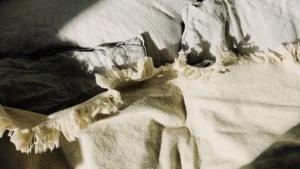
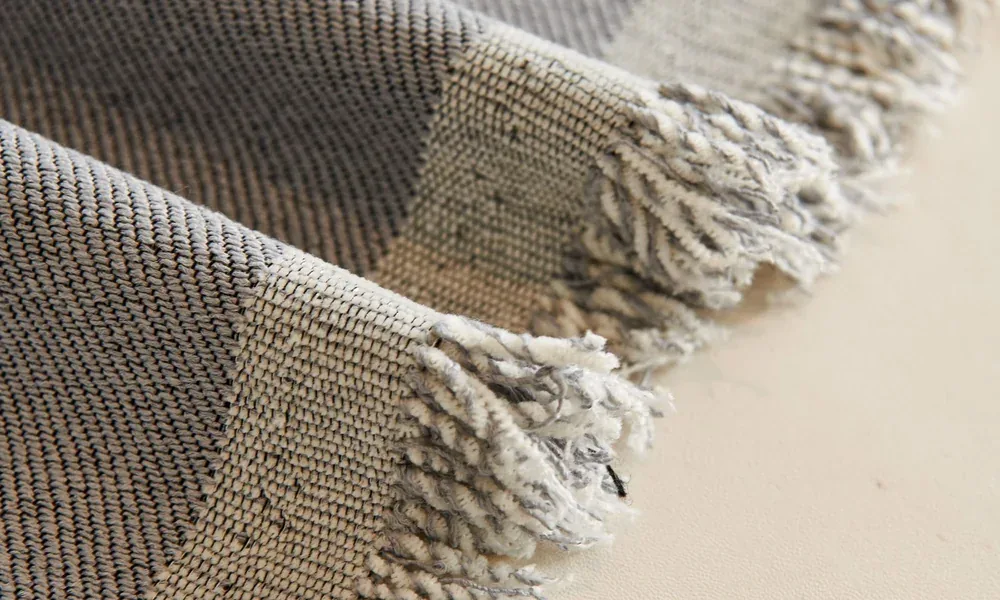
- Check the weave is dense and even, with a clean fringe, and that the throw feels substantial in the hand.
- Confirm the care method on the label and that you are willing to follow it for five years.
- Choose a neutral shade you will still like in five winters, not the colour of this season.
- Work out the cost per use at your real evenings of use, and only pay the premium if the maths holds.
Frequently asked questions
Are wool throws worth the money?
In my view, yes, if you keep them for years. A good wool throw costs $90 to $220 but commonly lasts five to ten years, so the cost per evening often ends up lower than a cheap acrylic throw replaced every year or two.
How long do wool throws last?
A quality wool throw commonly lasts five to ten years with normal care, and dense weaves often last longer. Wash it gently in cold water or dry clean it, and keep it away from hot water and fast spins.
Are wool throws warmer than acrylic throws?
Usually, yes, for the same weight. Wool’s crimped fibres trap still air, and the fibre keeps warming when damp, while acrylic relies on bulk and goes flat with washing.
Do wool throws itch?
Coarse wool above 30 microns usually does, and fine merino under 20 microns usually does not. The honest test is the inside of your wrist before you buy.
Can you machine wash a wool throw?
Some, but not all. Washable wool throws are made to survive a gentle cold cycle, and the label will say so. Most pure wool throws need a gentle cold wash by hand or dry cleaning, and a hot wash will felt them.
Is a wool throw worth it if I already own a good blanket?
It depends on where you sit. A throw earns its price on the sofa, where a bed blanket is the wrong size and the wrong weight; if you never sit wrapped in a blanket in the living room, you do not need one at any price. The same logic applies in the bedroom, as our argument for why linen sheets are worth it shows.
The bottom line
A wool throw is worth it for the same reason it always has been: it is one of the few living-room purchases that gets better value the longer you own it. The warmth holds, the cost per evening falls, and the throw settles into the room in a way no flat, pilled synthetic ever does. Once you have spent five winters reaching for the same throw, the price stops looking like a luxury and starts looking like common sense.
It is not for everyone. If you want the cheapest warm thing today, if you wash everything on hot, or if you redecorate every season, buy the cheap throw and enjoy it. But if you sit in the same room most evenings and keep things for years, wool is worth every cent of its asking price.
Note: Prices, lifespans, and fibre measurements cited here are ranges from published 2026 buying guides and textile references, and they can change with sales, sizes, and sellers. Check the label, the stated wool percentage, and the retailer’s returns policy before buying.
Meet Our Experts
Our home and lifestyle editors cover textiles, bedding, and living-room design, drawing on published buying guides, fibre references, and maker specifications. Opinions in this article are the editors’ own, based on years of living with the products described.
Why Trust BrassSmile
We judge home textiles by how they perform over years of ordinary use, not by how they look on the first day. We check labels, care instructions, and fibre claims against published references, and we say plainly when a product is not the right choice for a household.
Sources
Published 2026 buying guides for wool throws and blankets; textile references on wool fibre fineness, weave density, and care; maker care labels and published retail price bands for wool and acrylic throws.