A satin scarf does something a silk twill square rarely does: it catches the light. Where twill is matte and structured, satin is fluid and glossy, so a single fold at the neck can make a plain black dress look finished and a white shirt look deliberate. It is the scarf for evenings.
The problem is that satin is also the hardest scarf fabric to buy well. A cheap satin looks shiny in the wrong way, slips off the shoulders, snags on the first rough edge, and creases the moment it is folded. A good one drapes like water, holds a soft knot, and keeps its sheen for years. The difference is in the weave, the weight, and the finish.
The nine picks below are described by type rather than by label, so you can judge each one on what it does rather than whose name is on the tag. They cover evening squares, everyday neck scarves, headscarves, and one gift-ready pair, alongside our guide to the best satin dresses.
Key takeaways
- Satin is a weave, not a fibre: look for silk satin or a silk-rich blend, not shiny polyester sold as luxury.
- Medium weight, around 16 to 19 momme, drapes best and slips least.
- Large squares and long rectangles are the most versatile shapes; slim bands are the easiest first buy.
- Check the hem and the reverse: a rolled edge and colour showing through are good signs.
- No satin scarf is crease-proof or snag-proof, and satin shows water marks easily.
What Makes a Satin Scarf Feel Luxury
Satin describes how the threads are woven, not what they are made of. In a satin weave, most threads float on the surface, which gives the fabric its smooth face and shine. The same weave can be made from silk, cotton, or polyester, and the fibre underneath decides whether the scarf feels like luxury or costume. Silk satin has a soft, warm hand and a deep shine; polyester satin feels cooler, stiffer, and flatter, and it holds static.
Weight matters as much as fibre. Very light satin, under about 12 momme, slides and will not hold a knot unaided. Very heavy satin can feel stiff around the neck. The middle ground, roughly 16 to 19 momme, is where most of the best scarves sit: enough body to fold cleanly, enough grip to stay put. The finish is the final check: a hand-rolled hem, a print visible on the reverse, edges lying flat.
How We Chose These Nine Scarves
We judged every pick on fabric, size, wear, and price, and a scarf made the list only if it works as satin first and as a fashion piece second: the shine deep rather than glaring, the fabric draping rather than standing up, and the scarf wearable in more than one way.
We kept the list free of brand names. Each pick is described by what it is good at, what to watch for, and who it suits best, and prices are typical bands for the type. A satin scarf should still look right in five years, so we favoured classic shapes over one-season prints.
The Nine Best Luxury Satin Scarves of 2027
1. The Oversized Evening Square
What we like: A large square, around 110 to 130 cm, in deep jewel tones, is the most dramatic pick here. Folded into a triangle it drapes like a shawl; folded smaller, a generous neck scarf. What to consider: It is too much fabric for a workday shirt, and it must be rolled in storage, not folded, or it will crease. Typically around $90 to $180.
2. The Fluid Everyday Neck Scarf
What we like: This is the scarf most people will reach for most often: a medium square or slim rectangle in a soft neutral or muted print, light enough for a shirt and blazer. It adds a quiet shine at the collar. What to consider: Light satin slips, so use a small scarf ring or a knot tied twice. Avoid very pale colours at the neck; satin shows marks quickly. Typically around $50 to $110.
3. The Bold Print Square
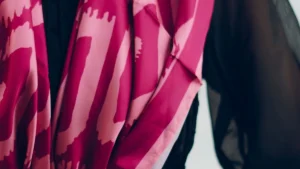
What we like: A large-scale abstract or painterly print is where satin earns its keep. The smooth surface shows colour more vividly than twill, and the sheen makes colours shift as you move. With a plain black or cream outfit, it does the work of jewellery. What to consider: A bold print is harder to match, so it suits a mostly plain wardrobe. Check the reverse: a good print shows through softly; a surface-only print looks flat. Typically around $70 to $150.
4. The Soft Neutral Wrap
What we like: A long rectangular wrap in camel, ivory, champagne, or soft grey is the quietest pick here and one of the most useful. It loops around the neck, drapes over the shoulders, or covers bare arms at a summer wedding. What to consider: Pale satin shows every mark, so this is a scarf for careful days rather than commuting. Under about 160 cm it reads as a neck scarf, not a wrap. Typically around $60 to $130.
5. The Vintage-Inspired Foulard
What we like: A smaller square, around 65 to 70 cm, with a bordered vintage-style print is the most charming pick here. The border frames the design, the size suits a neat neck knot or headscarf, and the retro feel suits a trench coat or a white shirt. What to consider: The small size limits it: it will not drape over the shoulders or work as a shawl. Look for a border printed cleanly, with no bleeding. Typically around $45 to $95.
6. The Reversible Two-Tone Scarf
What we like: A reversible scarf, deep on one side and lighter on the other, is two scarves for the price of one. Wear the dark side with a light outfit and the light side with a dark one. What to consider: Reversible satin is often slightly heavier, so it drapes more stiffly. Check both sides are finished to the same standard; a rough reverse shows at the edges. Typically around $65 to $140.
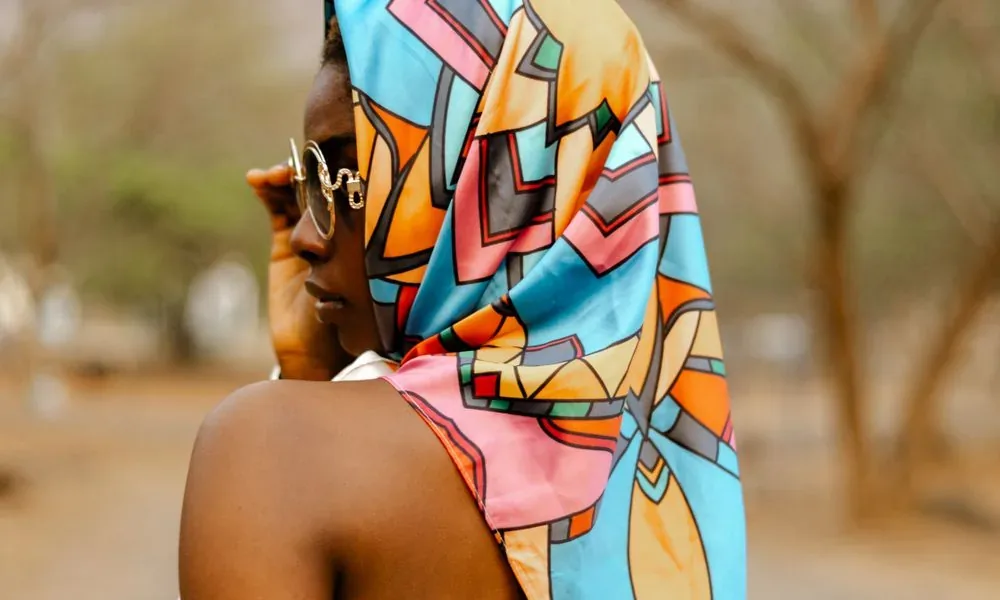
7. The Wide Headscarf
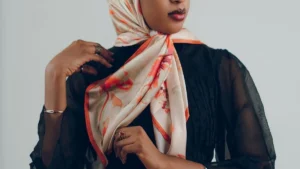
What we like: A generous square worn as a headscarf is one of the oldest uses of satin, and it is having a moment again. The smooth fabric protects hair, the shine frames the face, and a large square ties securely without pulling. What to consider: Satin slips against hair, so this pick needs a discreet pin or knotted tie in wind. Avoid very dark colours in strong sun, since satin absorbs heat. Typically around $55 to $120.
8. The Skinny Bandeau
What we like: A narrow band, around 5 to 8 cm wide and 90 cm or longer, works as a neck tie, hair band, bracelet, or wrap around a handbag handle. It is the cheapest way into luxury satin, and it packs flat. What to consider: A bandeau is an accent, not a scarf: it will not keep you warm or cover your shoulders. The narrow width loses most prints, so choose a solid colour or simple stripe. Typically around $30 to $70.
9. The Gift-Ready Duo
What we like: A matched pair in a keepsake box, usually one solid and one printed in the same colour family, is the best pick for giving and the practical way to start a collection. The two cover different moods, and the box keeps them safe from snags and dust. What to consider: A duo only works if both scarves are wearable, so check the second as carefully as the first: a weak print or thin fabric is a common corner cut. Typically around $90 to $170 for the pair.
Satin, Silk and the Rest: What Sets Satin Apart
Satin is often confused with silk, but they are different things: silk is a fibre, satin is a weave. A scarf can be silk without being satin, and satin without being silk. The silk scarves in our guide to styling a silk scarf for the evening are mostly twill: matte, structured, and grippy. Satin is the opposite, glossy and slippery, which is why it suits evenings better than everyday wear.
That slipperiness is also why satin needs different care. A twill scarf can be folded, knotted, and tossed in a bag. A satin scarf creases where folded, snags on rough jewellery, and shows water marks. It photographs beautifully, the shine moving as you do. If you want an accessory that blends in, choose twill; if you want one that finishes an outfit, choose satin.
The Caveats That Matter
Before you buy, it helps to know where satin lets people down: eight checks that separate a good satin scarf from a disappointing one.
| Check | What good looks like | Warning sign |
|---|---|---|
| Fibre | Silk satin or silk-rich blend, soft and warm | Stiff, cold, plasticky shine |
| Weight | Medium, 16 to 19 momme, drapes in soft folds | Paper-thin and floaty, or stiff |
| Hem | Hand-rolled or neat edge that lies flat | Wavy, puckered, or curling edge |
| Colour visible on the reverse, slightly softer | Blank pale reverse, colours bleeding | |
| Shine | Deep sheen that shifts as fabric moves | Flat glare, shine in one direction only |
| Snag risk | Slides over jewellery without catching | Threads pull at the first rough edge |
| Care | Hand wash or dry clean, rolled | Machine washable label, or no care label |
| Price | Matches the fibre and size | Suspiciously cheap for silk, dear for polyester |
Two checks deserve extra attention. The first is the fibre: polyester satin is widely sold as luxury at silk prices, and the only reliable test is the feel, since silk satin warms in your hand while polyester stays cool and stiff. The second is the care. Our guide to caring for a silk scarf covers the washing and storage routine that works for satin too; read it before the first wash, not after.
Checklist Before You Buy
- Feel it: soft and warm with a deep shine, not cold and plasticky.
- Check the print’s reverse and the hem before you pay.
- Choose the size for how you will wear it, not how it looks folded.
- Hold it against your face and coat in daylight to check the colour.
- Try a knot: if it slips off now, it will slip all day.
- Read the care label and be honest: will you hand wash it?
Frequently Asked Questions
What is the difference between a satin scarf and a silk scarf?
Satin is a weave and silk is a fibre. A silk scarf can be woven as twill, matte and structured, or as satin, glossy and fluid. A satin scarf can also be polyester or cotton. The most luxurious satin scarves are silk satin, which combines fibre and weave.
Are satin scarves still in fashion in 2027?
Yes. Satin scarves are worn for evenings, weddings, and occasions, and as headscarves and hair accessories, with rich solids, large-scale prints, and generous squares preferred.
Do satin scarves slip?
Yes, satin is slippery, its main drawback. A loose knot, scarf ring, or small pin holds it in place, and medium-weight satin slips less than very light satin.
How do you wash a satin scarf?
Hand wash in cool water with a gentle detergent, rinse without wringing, roll in a towel, and lay flat to dry. Dry cleaning is safest for a valuable piece.
Can you wear a satin scarf during the day?
Yes, but choose the right type. A medium square or slim band in a muted colour works in daylight, while a large, very glossy square can look too dressy before evening.
Is a satin scarf worth the money?
It is if you buy silk satin in a classic shape and look after it. A good satin scarf lasts for years; polyester satin at a luxury price is not worth it.
The Bottom Line
The best luxury satin scarf for 2027 matches how you will actually wear it. For most people that is the fluid everyday neck scarf or the soft neutral wrap, with the oversized evening square for occasions and the skinny bandeau for small details. Buy silk satin, check the hem and the reverse, and choose a colour you will reach for.
Satin is not the easiest or most practical scarf fabric, but it is the most striking. Bought well and cared for gently, a good satin scarf will outlast several cheaper ones and make the outfits it finishes look better every time.
Note: Prices are typical bands for each type and vary by seller, size, and fibre. Check the care label and returns policy before buying.
Meet Our Experts
Our fashion editors cover accessories, fabrics, and styling, and they review each guide for accuracy and practical advice. Product descriptions are based on published specifications and editor assessment of the type, not on a single sponsored sample.
Why Trust BrassSmile
We choose picks by type and by what each piece does, not by brand or by commission. We check fabric, size, and care guidance against published information, and we say plainly where a fabric needs more care or a style suits fewer occasions.
Sources
Fabric and care guidance draws on published textile references and retailer care guides for silk satin, including general guidance on satin weave, momme weight, and hand-washing silk. Prices are typical retail bands for the type, not quotes from a single seller.